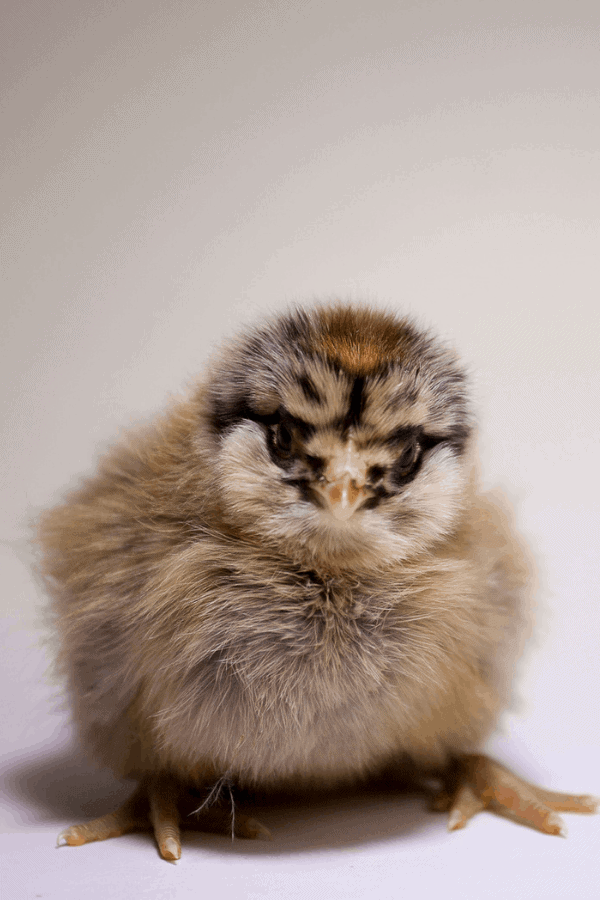
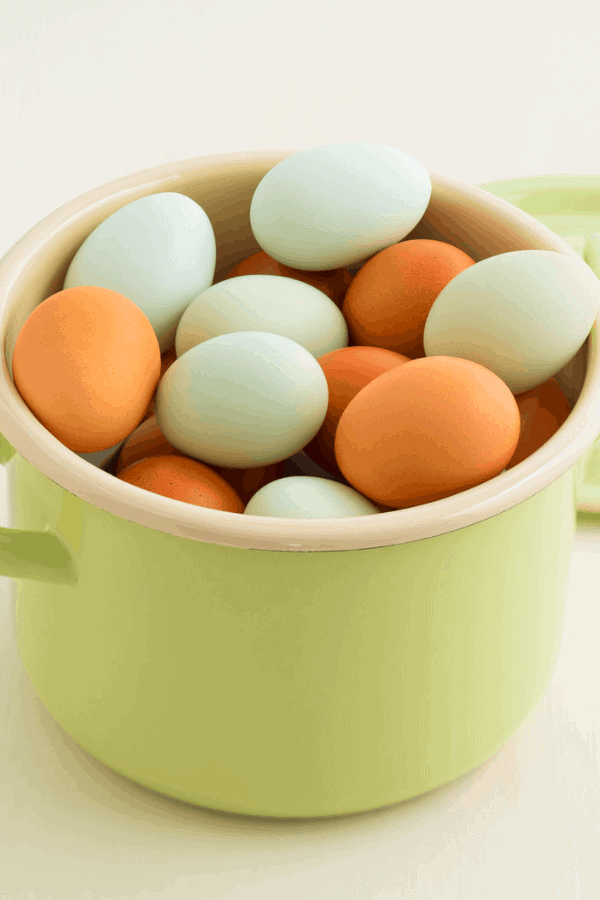
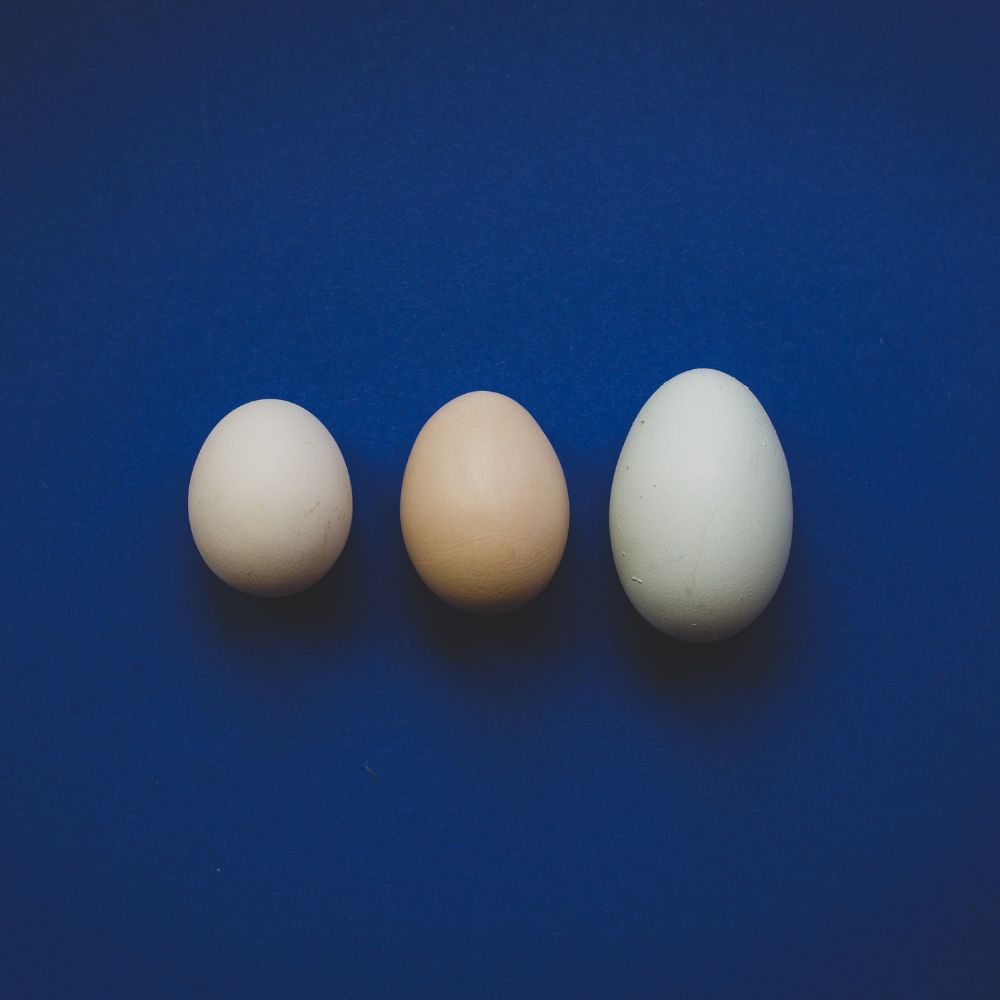
Heard about chickens that lay blue eggs? Want one? Then you’re in for a treat – in this article, you’ll discover several chickens that pop out gorgeous, sky-colored eggs!
Surprisingly, there are quite a few types of chickens that lay blue eggs – and they’re all friendly and wonderful to look at.
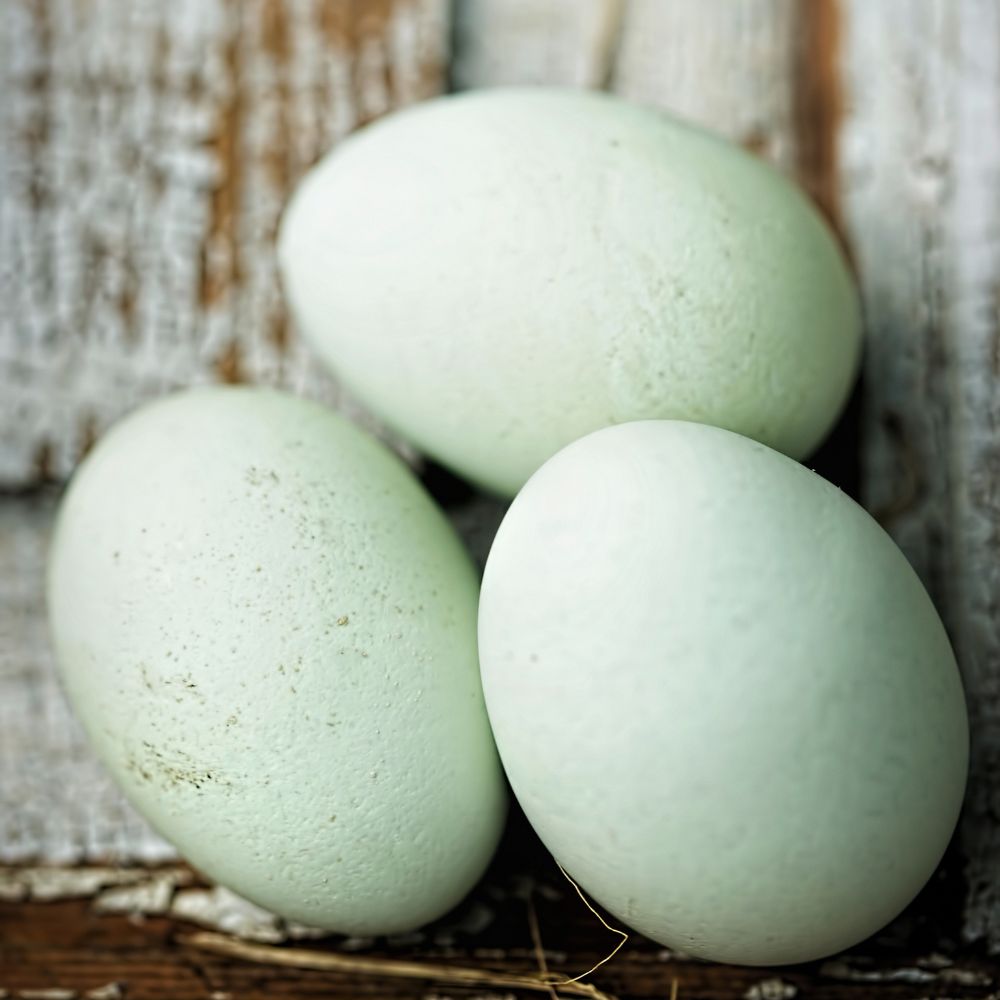
Turns out, it’s a genetic anomaly caused by a retrovirus between 200 and 500 years ago. Chicken breeds that lay blue eggs possess a gene called “callee oocyan” which is responsible for the coloration of the eggs.
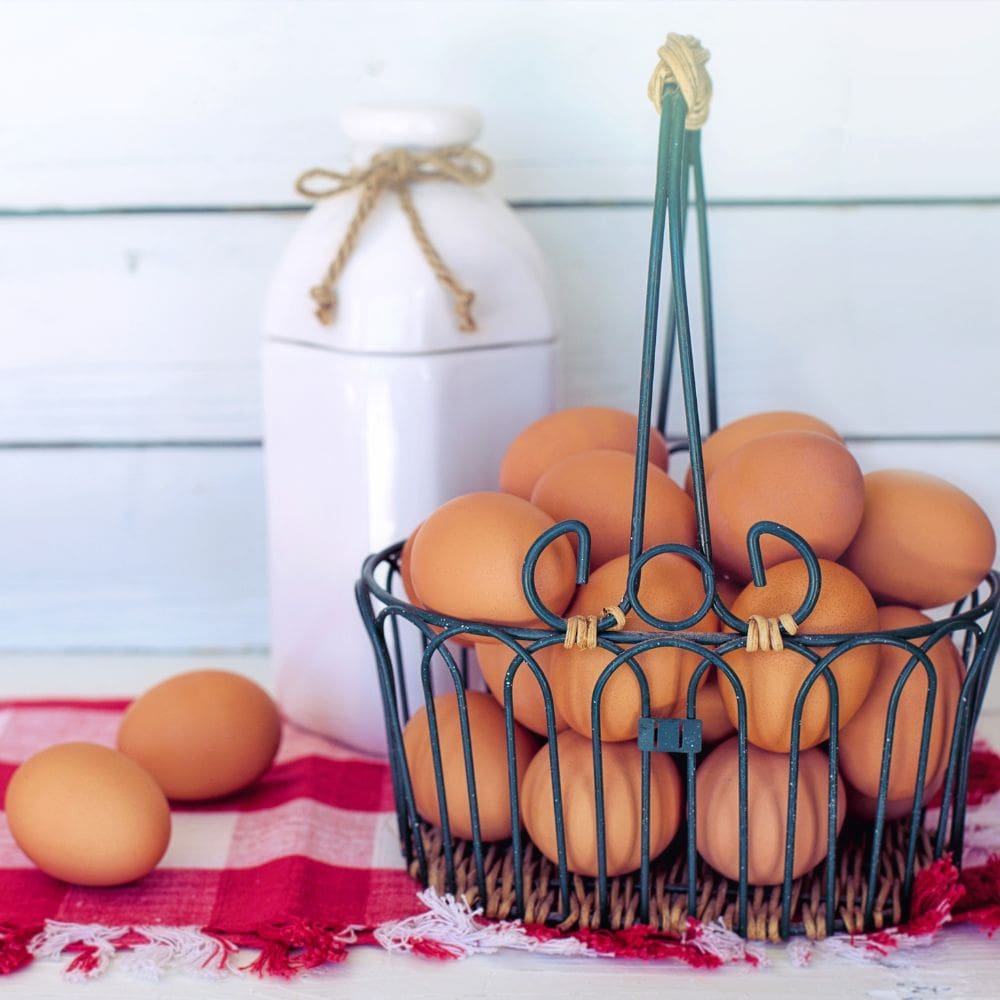
And unlike other colors, blue penetrates the egg – so even the inside of the shell is blue! (If you crack open a brown egg, you’ll notice the inside of the eggshell is white – that’s because the brown doesn’t penetrate the shell).
If it’s caused by a virus, does that mean the chickens are sick? No, it doesn’t – it just means a virus caused a genetic mutation that lead to blue eggs. And now we get to benefit.
Another common question is whether blue eggs are genetically modified. No, they’re definitely not! They’re completely natural!
How do you know what shade of blue the egg will be? A light blue or a dark blue, or in between? The color of the egg depends on the individual hen and there’s no good way to know until they start laying.
5 Kinds Of Chicken That Lay Blue Eggs
Although each of these 5 types of chickens lays blue eggs, just understand that the shade of blue might vary. Some might be a pale blue, while others might lay striking sky-blue eggs.
Ameraucana
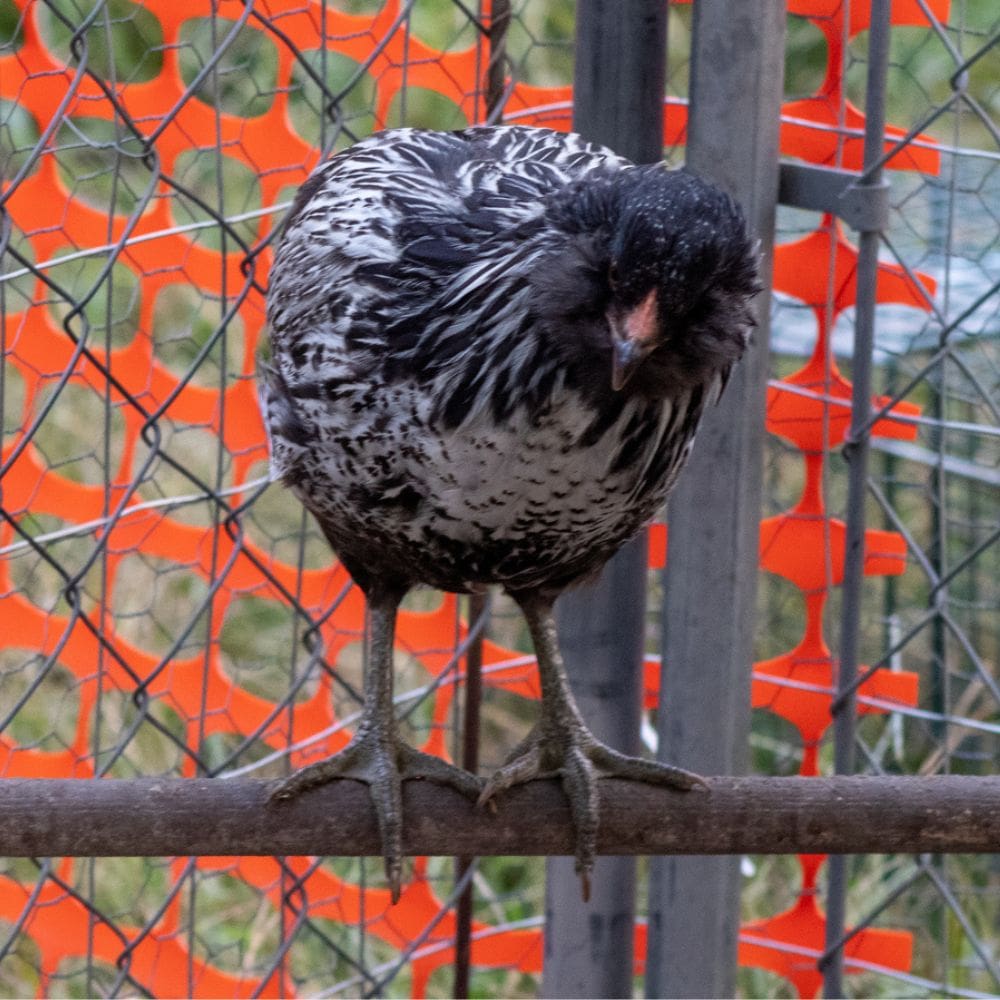
Want chickens that lay blue eggs? Why not an Ameraucana?
Ameraucana is truly an American breed – as their name implies! The name Ameraucana is a cross between “America” and “Araucana.” (More on Araucanas below)
Agricultural scientists developed this breed, hoping to preserve the blue-egg laying genes of the Araucana chicken – but also to eliminate its lethal gene that can kill the chick before it hatches. Here is an excellent article on Araucana’s: Araucana Chickens – Extremely Rare Breed Worth Checking Out
Through trial and error, scientists created these beautiful grey-blue feathered hens. In the 1980s, they were formally recognized by APA and American Bantam Association (ABA).
Even though they look unique, Ameraucanas are easily confused with other chickens that lay blue eggs – theAraucana chicken and Easter Eggers.
For those who don’t know the difference, it’s so confusing that you’ll find even hatcheries sometimes mislabel these birds.
Ameraucana chickens have beautifully curved beaks, large eyes, and a red “pea” comb. This pea comb, together with the wattles and the round earlobes, should be red.Ameraucana chickens also appear to have a “beard of feathers” and adorable muffs that sometimes almost cover their face.
They’re consistent egg layers that produce about 200 blue eggs a year – pretty good statistics! Ameraucana eggs can be light blue to almost green to sky blue – it just depends on the individual hen.
Araucanas are wonderful chickens, and truly a unique, ancient breed. They’re also the foundation of every blue egg-laying breed out there!
This breed is native to Chile, and is named after the Araucania region of Chile.
These chickens have a very unique appearance. Like Ameraucana and Easter eggers, they have “peduncles” – tufts of feathers that develop near their ears that they’re born with.
Some can have tufts so pronounced, they look like handlebar mustaches!
Araucanas don’t have tail bones like most chicken breeds, so they won’t grow any long, fabulous tail feathers. It gives them a distinctive profile that can differ from Ameraucanas and Easter Eggers.
Like Brahma chickens and Silkies, Araucanas are born with small pea combs, which makes them ideal for colder climates. It’s less likely they’ll develop frostbite!
Adult males weigh about 5 pounds while hens lay about 4 pounds, making them one of thesmaller breeds of chickens.
Just remember that if you plan to buy these blue egg layers, they should be recognized colors, exhibit the tufts, and be rumpless. You can use these characteristics to be sure the chickens you’re buying are truly chickens that lay blue eggs.
Unlike Ameraucana, Easter eggers are hybrids (meaning, they’re not a recognized standard breed). This variety is, usually a mix between Ameraucana or Araucana chickens and a brown egg layer, such as a Rhode Island Red.
In other words, Easter Egger chickens can be of any lineage, as long as at least one parent has the blue egg-laying gene.
While some do lay blue eggs, because of their mixed heritage, not all will. Easter Egger eggs can be blue, brown, green, or even pink – a rainbow of egg colors certain to brighten any basket!
Also, they do not breed true, so even if youbreed 2 Easter Egger chickens together, there’s no telling what characteristics the offspring will have. No two Easter Eggers look exactly the same.
They make wonderful pets (I own quite a few) but if you want blue eggs, it’s best to consider an Araucana or Ameraucana.
Cream Legbars are a breed developed in the 20th century by researchers at Cambridge University by crossing a heritage breed like Barred Plymouth Rocks, Leghorns, Cambars, and Araucanas. They’re medium-sized birds, with cream-colored feathers. The hens aren’t very broody – so egg collecting should be easy!
They have adorable tufts of feathers on their heads – so they’re a sure show-stopper!
This variety lays about 200 blue or blue-green eggs each year.
Arkansas Blue
This variety was developed in Arkansas (hence its name) at the University of Arkansas-Fayetteville.
Although derived from Araucana bloodlines, these chickens don’t have muffs, tufts, or beards. They do have the pea comb, however. While still a new breed that’s not recognized, the chickens do lay blue eggs.
Blue Chicken Egg FAQ
How Do You Tell What Color Eggs A Chicken Will Lay?
In short, when it comes to chickens that lay blue eggs, you can’t really tell what color eggs they’ll lay unless your hens are purebred Araucana, Ameraucanas, or Cream Legbars.
In a general sense, though, brown egg layers have red earlobes. However, you’ll likely notice that Easter Eggers, Ameraucanas, Araucanas, and even olive Eggers have red earlobes!
So, the easiest way to tell what color eggs a chicken lays is to either purchase purebred hens OR wait and see what pops out!
Do Blue Chicken Eggs Taste Different?
NO! They taste just like any other egg (maybe even better if your hens have an organic diet with herbs included!). And they’re just as healthy! In fact, the nutritional quality of an egg depends completely on the health of the hen and her diet.
It’s a common misconception to think that eggs of different colors taste will taste weird, however. Eggs generally do not taste different when the hens eat the same chicken feed and live under the same conditions.
If you want to make sure all your chickens eat the same diet, you can read our review of chicken feeders here. There are several automatic feeders that make it easy to track how much your flock is eating.
Yes! The color of the eggs doesn’t make them taste any different as long as the hens are fed the same consistent diet.
The color of the egg just affects the look of the eggshell – not the nutritional value. Chickens that lay blue eggs – like every other chicken – should have a diet that includes a high-quality layer feed to ensure the highest quality yolks.
Are Blue Eggs Better For You?
While some health food proponents claim that blue eggs contain less cholesterol than regular white or brown eggs, it has been proven false by scientific data. The color of the egg doesn’t affect its quality. However, the quality of the feed does.
Summary
If you want to add some more fun to your barnyard recipe, then why not try getting chickens that lay blue eggs? I find so much enjoyment in finding different colored eggs in my coop, and my kids especially like it. As with any chickens, just be sure you are getting them from a reputable hatchery or breeder so your experience turns out to be a good one!
Just like every woman needs a little black dress — every backyard flock needs black chicken breeds. Why? Because they are beautiful, elegant, and classy…and every flock should have at least one classy chick. 🐥
Luckily, black chicken breeds can be found easily in hatcheries and by private sellers. If you’re interested in getting to know the various kinds of breeds with dark feathers (including black and white speckled chicken breeds!), you’re in for a treat!
You’ll discover your options in this ultimate list of black chicken breeds!
In addition to being an all-black chicken breed, Ayam Cemani also have the distinction of being the most EXPENSIVE chicken breed in the world! On average, a high quality breeding pair can go for $5,000! Of course, you can get some chicks for around $49.00, but they often won’t be the true, dark, solid black in all the right places.
This type of chicken originally hails from Indonesia, where it’s prized for its mystical abilities. Ayam Cemani chickens are completely black (both inside and out), and have a heart as black as their feathers.
Their blood is also said to be quite thick, and a darker red than normal (although this theory hasn’t been proven).
In Indonesia, this black chicken is said to be a good luck charm, and some people believe it can communicate with the beyond. In some cultures, the Ayam Cemani is used in ceremonies before big events because of their perceived magical powers.
However, you might be disappointed to learn that even though the Ayam Cemani is the only true 100% black chicken breed, they don’t lay black chicken eggs. They lay cream colored eggs of medium size.
If you do buy this breed, please do your homework and make sure your supplier is honest – there are many people who try to pass off hybrid chickens as purebred Ayam Cemani.
Some hatcheries that offer Ayam Cemani are Featherloverfarms, Cackle Hatchery, and Greenfire Farms Hatchery. You can read our review of Cackle Hatchery here.
Black Sex Link Chickens
This breed isn’t really a black chicken breed (it’s a hybrid) but they’re still very beautiful birds that are also super friendly (and the roosters tend to be calm).
Black sex link chickens are the result of crossing two purebred heritage chicken breeds – a Rhode Island Red rooster with a barred rock hen. The term “sex link” means that the coloring of the chicks depends on the sex of the chick.
When black sex link chicks are born, the male chicks have a white spot on their heads – the females don’t (they’re all black). This unique trait only consistently occurs when the Rhode Island Red rooster is crossed with a Barred Rock hen – in other words, black sex link chickens don’t breed true.
This chicken breed is very healthy and make great layers and pets. Many prefer this breed to raise free range chickens eggs and organic free range chickens.
You can purchase black sex link chicks at Cackle Hatchery, Purely Poultry, and McMurray Hatchery.
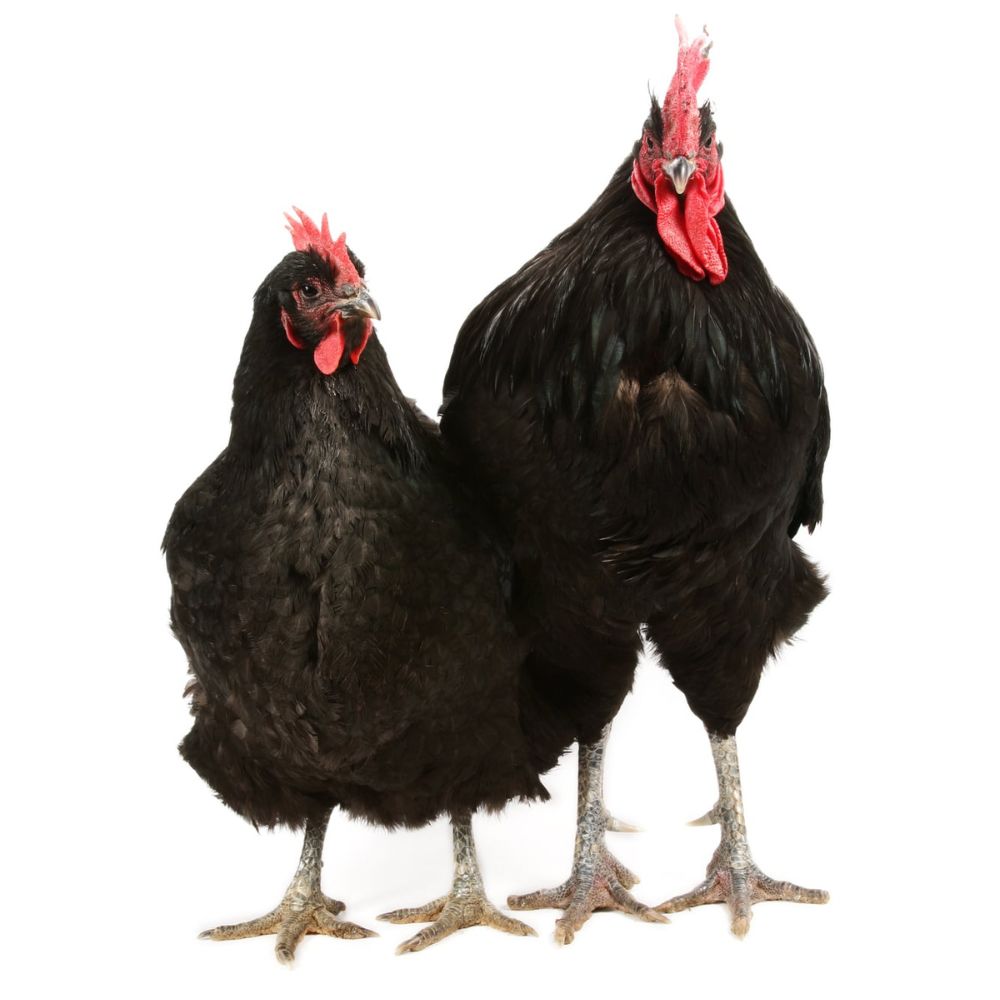
Black Australorp Chicken
Black Australorps are wonderful chickens to have in your flock! This clean-legged breed originated in Australia from the Orpington chicken. They got a lot of attention in the 1920s when they broke several world records for the most eggs laid! You can find them now in just about any farm store in the US.
Their black feathers also have shades of green, and the hens are great layers and very friendly. This big black chicken will tolerate confinement well, and is an egg laying machine of over 250 eggs per year.
You can purchase this breed at Cackle Hatchery, Purely Poultry, andMeyer Hatchery.
Silkie Chickens
Silkie chickens are another black chicken breed (although they too come in all different colors). They are cute and cuddly little fluff balls, so they are easily loved as family pets. They’re calm and patient with being held. The hens are well-known for their brooding ability and their extra toes!
They lay cream colored eggs per week, and are generally friendly. Kids just love them!
Their feathers are more like down, and you’ll fall in love with their feathered feet! They lay around 250 brown large to extra large eggs per year. In addition to black, Silkies also come in a variety of other colors, including white and buff.
You can purchase this breed at Cackle Hatchery, Chickens for Backyards, andMeyer Hatchery.
Black Star Chickens
A relatively new edition to the backyard chicken world, this breed is medium sized and weighs in at around 7 to 8 lbs, with hens at 5 lbs. They are a result of crossing a New Hampshire or Rhode Island Red and a Barred Plymouth Rock. This bird is very docile, hardy, and low maintenance since they can adapt to local conditions.
You can purchase this breed at Chickens for Backyards and Meyer Hatchery.
Marans Chicken
This breed is called “chocolate eggers” because they’re well known for their dark colored eggs. Marans originated in the town of Marans, France, and their eggs are said to be the best in the world. Not all hens will lay the deep chocolate brown eggs, although all females will lay brown eggs.
You’ll love their feathered feet and hardy natures. Marans chickens are said to have the best eggs due to their smaller pore size. The reason this might be better is that it keeps the egg fresher. Fresher eggs are said to have a better taste. The darker egg color does make candling eggs harder (dark eggs are hard to candle) and the smaller pores make hatching eggs more complex (due to humidity issues).
This breed also comes in other varieties, including Wheaton, Cuckoo, Blue Copper, and more. They are a rarity and have wonderful personalities.
You can purchase this breed at Cackle Hatchery and Purely Poultry
Black Jersey Giant Chicken
This black giant chicken breed is the largest purebred chicken in the US, and possibly the world. This heritage chicken breed originated in the United States as a meat bird and an alternative to turkeys. They are now considered a decent dual-purpose breed.
This black chicken breed weighs in at around 11 to 15 pounds. They are docile and mellow, and the roosters have even temperaments. The roosters are good protectors and the breed is hardy.
The hens aren’t as large as the roosters but are consistent egg layers with friendly, even cuddly, temperaments.
You can purchase this breed at Cackle Hatchery, My Pet Chicken, and Purely Poultry.
Cochin Chickens
Cochins are also larger birds (although there is a bantam variety) that come in many colors including black! The definition of Cochin is “a chicken of an Asian breed with feathery legs.” This name makes sense because these birds are Chinese Shanghai Fowl.
Among the many reasons you would want one is that they get along well with children. They’re gentle and great for raising chicks. They lay small to medium sized brown eggs.
You can purchase this black chicken breed at Cackle Hatchery, Purely Poultry, and Strombergs Chickens.
Orpington Chicken
This particular breed is well known for its historical significance – they’ve been around for a long time! The original Orpingtons were white, but they also come in buff and black colors. They’re one of the most gentle and docile breeds, and it makes them great pets.
The roosters are hardy, friendly, and great protectors. They love finding food for the hens, and will “round” their hens up at night to ensure everyone is in the coop!
Although they were originally bred for both eggs and meat, they’re better as egg layers. Their eggs are a tinted pink to brown color, and they lay about 300 eggs per year. This breed is a good forager and is greatly desired for its looks and easygoing nature.
You can purchase Orpington chickens at most major hatcheries and farm stores.
Black Polish Chicken
Polish chickens are an adorable ornamental breed! They’re best known for the tufts of feathers on their head, lovingly referred to by chicken owners as their “pom pom.”
This breed is a stunning mix of white, brown, and black making it a real head-turner. The silver laced polish varieties are black and white chickens. They’re aloof birds, although they can be friendly if you interact a lot with them. They’re also moderate egg layers – but their beautiful feathers and personalities make up for whatever they lack in the egg laying department!
You can purchase this breed at Cackle Hatchery and Meyer Hatchery.
Sumatra Chicken
While a bit more difficult to find, this black chicken breed is worth it! With their long tail feathers, they’re a gorgeous addition to any flock. They’re named after their place of origin: The island of Sumatra, in Indonesia.
The hens lay white eggs, but their egg production isn’t anything amazing. They lay an egg maybe twice a week. However, if you want to hatch chicken eggs naturally, then this might be the breed for you – like Silkies, Sumatras tend to “go broody.”
In addition to black, you might find blue and white varieties for sale.
You can purchase this ornamental breed at My Pet Chicken, Cackle Hatchery, and Purely Poultry
White Crested Black Polish Chicken
You’ll fall in love with these birds! They’re adorable! Originally from the Netherlands, the White Crested Black Polish chicken has a striking contrast in color between its dark body feathers and its poofy white crest.
They’re friendly, although the crest sometimes makes it hard for them to see as it covers up their line of sight. If you spend a lot of time with them, though, they’re more likely to trust you.
The hens lay white eggs, although not every hen will lay consistently. This breed is mainly kept for ornamental purposes.
You can purchase this breed at Cackle Hatchery and Strombergs Chickens.
Black Rock Chicken
This particular breed was developed in Scotland and isn’t well-known in the United States. It’s a hybrid cross from selected strains of Rhode Island Red and Barred Plymouth Rock.T
They’re good foragers, and excellent layers: you can expect to get about 250 brown eggs per year.
You can purchase this breed at Farmfowl if you live in the UK.
Bantam Cochin Chickens
Bantam Cochins make a wonderful addition to any flock – and you’ll love how the black variety has feathered legs! This breed is perfect for anyone who is looking for a docile and kid-friendly chicken.
The hens lay small brown eggs (because the chicken itself is small), and the roosters enjoy human companionship. They love to be cuddled by their humans! In addition to black, bantam Cochins come in white and buff varieties.
You can purchase this breed at Cackle Hatchery and Welp Hatchery.
Frizzle Chickens
A frizzle chicken is fun and lovable with a very unusual look – their feathers “frizzle” and curl upwards. They’re not a separate breed, but a variety of many different types of breeds. Some cochins have a frizzle variety.
Children love them because they look so cuddly. Frizzles tend to be smaller, and they have friendly and docile dispositions. They will lay around 120 to 150 light brown colored eggs per year.
Be sure to keep an eye on your frizzle over the winter – because their feathers don’t lay against their bodies, they might have a harder time in colder weather.
You can purchase this breed at Meyer Hatchery and Strombergs Chickens.
Minorca Chicken
Minorca chickens look unusual – they’re mostly black, but with a white spot near the ears. They’re an old breed and have grey legs. Minorcas are named after their place of origin: the Island of Minorca, off the coast of Spain.
They lay about 200 large white eggs per year, and the hens don’t tend to go broody. This hardy breed does well in warmer climates, so it’s a good option if you live in a warm area.
These chickens look odd – they’re black, except for their face, which is white – as the name states. While English speakers call this ancient breed “white faced black Spanish,” in their native Spain, they’re referred to as “Española Cara Blanca.” Their white faces give them a look similar to a mime.
They are prolific egg layers of white eggs.
You can purchase this breed at Purely Poultry, McMurray Hatchery, and Cackle Hatchery.
Langshan
This black breed originates from China and is named after its place of origin: a district along the Yangtszekiang River. It’s a unique looking breed of bird – like cochins, it has feathered legs!
They’re hardy birds that lay large brown eggs – some say they’re as dark as Marans eggs. The hens don’t tend to go broody. They are large, and with bright, intelligent eyes, they’re a great addition to any flock.
You can purchase this breed at McMurray Hatcheryand Tangled Wood Farm Miniatures
Svarthöna
This breed has a unique trait – their very dark red combs that almost look black! They have black skin and are said to have descended from chickens from Mozambique and were brought to Scandinavia in the 1700s.
They are hardy and good foragers, even though they’re not great layers. You can expect 2 to 3 cream-colored eggs per week.
You can purchase this breed at Purely Poultryand My Pet Chicken.
Castellana Negra
This breed is a Mediterranean type from Spain and is one of the oldest strains of poultry in Europe. Currently, its status is threatened, and the breed is on the verge of extinction.
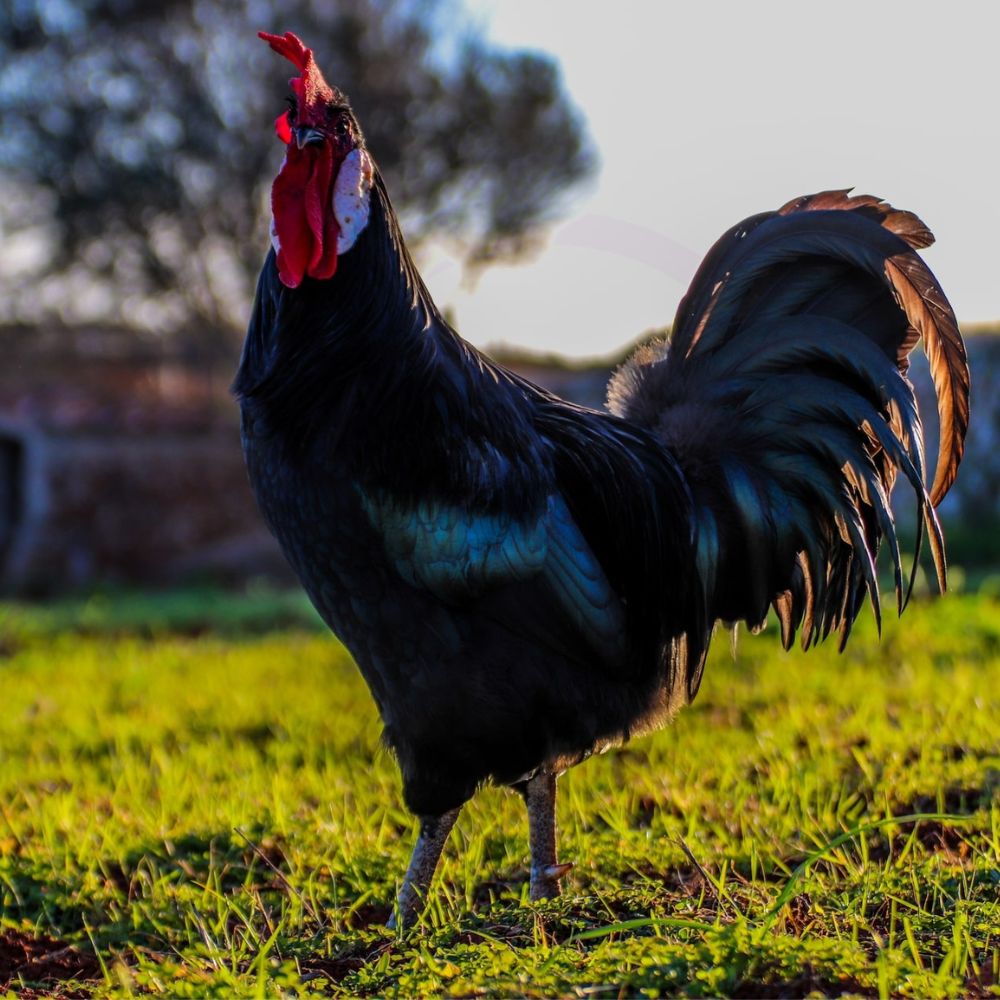
It is also believed that it is the ancestor of many European black breeds such as Minorcas and Black Spanish chicken breeds. They have decent laying abilities – you can expect about 250 eggs per year.
Which black chicken breed is your favorite? Leave a comment below!
Hey y’all! Here’s this week’s sneaky peek photos of life on our farm!
These images also appear on my Instagram account where I share MANY more photos and stories from the farm!
If you aren’t yet following me there, you can right here.
Enjoy the photos & be sure to share some of yours with me!
https://www.instagram.com/p/BvF4BhZFdP0/
https://www.instagram.com/p/BvIcSfAF81j/
https://www.instagram.com/p/BvK2iV2BobH/
https://www.instagram.com/p/BvQHJUPFAwJ/
https://www.instagram.com/p/BvSke5OF58l/
Easter Egger chickens are sure to bring a smile to your face, from their colored eggs to their funny personalities – they will win your heart!
If you’re interested to know more about Easter Egger chickens, then you’re in the right place.
Easily confused with Ameraucana and Araucana chicken breeds, these feathered beauties aren’t a breed, but rather types of chickens – designer “mutts” that grow into beautiful layers that give us extra large eggs in colors from blue to green and even pink!
With their black outlined eyes and gentle temperaments, they make an interesting and beneficial addition to any flock.
The Easter Egger chicken temperament is exceptionally friendly and hardy – they love getting treats, and are easily trained to sit in your lap. Since they’re smaller and the roosters are calm, this chicken breed is a great choice for any family flock.
Let’s go through everything you need to know about the Easter Egger chickens and what you can expect from this bird.
Breed History, Personality, And More
What Breed Of Chicken Is An Easter Egger?
Easter Egger aren’t a breed per se. It’s a variety of chicken that carries the blue egg laying gene, and the modern version is descended from the ancient Araucana breed that first evolved in Chile to lay blue eggs.
They’re usually a cross between blue egg layers like Ameraucanas (though sometimes Araucanas or Cream Legbars) and any other chicken breed. It’s very easy to be confused; many sellers mistakenly label Easter Egger chickens as Ameraucanas or Araucanas (or vice versa). They’re called Easter Eggers because their “butt nuggets” resemble the eggs many people hunt for during the annual spring festival.
The pigment oocyanin that covers the shell gives blue eggs their characteristic color. Research has revealed that this unique color is actually a genetic anomaly.
Because they’re not an actual breed (meaning there’s no standardization of the breed), two Easter Eggers can look completely different. The fact that they come in a variety of colors and shades is extra fun!
Even more, an Easter Egger crossed with dark brown egg layers (like Marans or Welsummers) might result in an Olive Egger chicken OR it might result in a second generation (F2) Easter Egger!
In our own coop, we have two green egg layers who are Easter Egger/Marans crosses!
Easter Egger bantams are also popular – they’re the result of crossing a blue egg layer (full size or bantam) with a bantam chicken. While Easter Eggers themselves are pretty small (about 4-5 pounds), the bantam sizes are even smaller!
Best Eggs Ever! {1.25 pounds}
$32.99
Best Eggs Ever! (TM) Nesting Herbs (Chamomile, Roses, Lavender, Cornflowers, & Calendula) For Pet Chickens
All Natural Nesting Herbs For Pet Chickens With Oyster Shells for Great Eggs!
✔️ 100% ALL NATURAL & NON-GMO
✔️ SAFE FOR COOPS
✔️ OYSTER SHELLS PRE-MIXED IN
Easter Egger vs. Ameraucana
While both chickens are wonderful, they are definitely two different varieties. Ameraucanas generally always lay blue eggs, while Easter Eggers can lay blue, green, emerald, or even pink eggs. You can discover more about Ameraucanas here.
Just remember that Easter Eggers do not conform to a breed standard as defined by the American Poultry Association (APA) or American Bantam Association (ABA), so the cute chicks you get at the farm store can grow up looking completely different from each other!
What Do Easter Egger Chickens Look Like?
Because Easter Eggers are a combination of a blue egg layer and any other breed of chicken, one chicken can look completely different than another – there’s no breed standard. You might find that each fluffy butt as a different comb style.
We have Easter Eggers with pea combs and others with a regular style single comb. We also have some with a combination of the two (not quite a pea comb, and not quite a single comb)!
Some Easter Eggers have ear tufts and beards, while some don’t. Some have tails, and others don’t (Araucanas – which are blue egg layers – are rumpless, so they don’t grow tails). Really, anything goes!
Our Easter Eggers each have different color legs (some have dark colored shanks and others have light colored – one even has blue). In fact the only consistent thing is their toes! Easter Eggers generally only have 4 toes.
Their feathers are any combination of colors from grey to gold. Your Easter Eggers might have lovely black “eyeliner” around their eyes (our Easter Egger Cleo did – and she laid pink eggs!), or they might have grey feathers that show off their clear, bright eyes.
One Easter Egger rooster can look quite different from another. We’ve had some that are pure black, and some that are grey and copper with ear tufts and beards.
Like I said, there’s really no consistency!
Do Easter Eggers Have Feathered Feet?
Not usually, but it’s not unheard of, especially if the parents have feathered feet. They are adorable! Usually, a Bantam Ameraucana would be crossed with any bird with feathered legs like Silkies, Brahmas, Marans, or Cochins.
Caring For Your Easter Eggers
To make sure your Easter Eggers have a great life, you should feed them a high-quality chick starter (if they’re babies) or a good layer diet, if they’re grown. An ideal layer feed has at least 16% protein. You’ll also want to offer oyster shells so your chickens lay great eggs.
You’ll have to decide whether you want to free range your hens or not – you can read about advantages and disadvantages of free ranging here.
How Long Do Easter Egger Chickens Live?
Most chickens live anywhere from 5-8 years, as long as they’re given a good diet, lots of fresh water, a warm home, and veterinary care as needed. Some of my readers even report they have chickens that are 13 years old! You can read about the oldest chicken in the world here.
Egg Colors, Laying, And Amount Per Year
What Color Eggs Do Easter Egger Chickens Lay?
Easter Egger egg colors range from light blue, seafoam green, dark green, and pink. Each chicken only lays one color egg though! (So, if your hen lays green eggs, she’ll always lay green eggs).
Some owners suggest their hens lay purple eggs, but in most cases, this is likely the bloom tinging the brown egg a different color. Our females sometimes lay “purple” eggs, but if you wash off the bloom, they’re really just regular brown eggs!
Are Easter Eggers Good Layers?
Yes! They’re excellent layers who will give you lovely, large eggs. The color of the eggs will depend on the genetics of the individual chicken. They don’t tend to go broody, so you should get a consistent supply of eggs year round.
How Many Eggs Do Easter Egger Chickens Lay Per Year?
While the amount of eggs laid per year will depend on the individual chicken, her diet, and her environment, you can easily expect about 250 eggs per year from your Easter Egger hen! To keep her laying consistently, offer layer feed with at least 16% protein. We cover the best feeders for backyard chickens in this article. An oyster shell supplement will ensure she lays eggs with strong, healthy shells.
Do The Hens “Go Broody”?
Easter Egger hens don’t tend to go “broody” and want to hatch chicks. Of course, this depends on the individual chicken – some hens hear the call of motherhood more than others. There’s not much you can do to alter this – either they want to hatch eggs or they don’t! If you want to have baby chicks but your hens don’t want to sit on eggs, you can incubate them yourself. We cover the best incubators in this article.
Where Can You Buy Easter Eggers?
We’ve purchased our hens and roosters from a variety of places:
Cackle Hatchery
Meyer Hatchery
Tractor Supply
You can also search for a hatchery or breeder near you. Many smaller farm stores carry Easter Eggers starting in April and ending in June. Usually, a single chick costs under $5, although this will vary from breeder to breeder. Either way, it’s not a high price for a new best friend!
At smaller farm stores, you can usually get a good deal, especially if the chicks are a week or two old. You also might find breeds that are unusual.
At places like Tractor Supply, you sometimes have to buy more than one chick at a time. So, it’s best to call ahead to make sure they’ll have chicks, that the breeds you want will be available, and whether there’s any purchase minimums.
Most hatcheries also have minimums. This is for the safety of the chicks. For the first few weeks of their lives, chicks need an external heat source. If a hatchery only shipped one or two chicks in the mail, they likely would be far too cold, and arrive dead.
We’ve had good luck purchasing our Easter Egger chicks from Cackle Hatchery, and we continue to give them our business each year.
Do you own Easter Egger chickens? Leave a comment below!
Hey y’all! Here’s this week’s sneaky peek photos of life on our farm!
These images also appear on my Instagram account where I share MANY more photos and stories from the farm!
If you aren’t yet following me there, you can right here.
Enjoy the photos & be sure to share some of yours with me!
https://www.instagram.com/p/BuxJhZBh1Ut/
https://www.instagram.com/p/Bu2fLH9FFit/
https://www.instagram.com/p/Bu4-t78lwXL/
https://www.instagram.com/p/Bu7XFX3lNgJ/
https://www.instagram.com/p/Bu_aYI9FbXY/
https://www.instagram.com/p/BvAsPk1FjfD/
https://www.instagram.com/p/BvCid8RlD0l/
Eggs are one of the amazing benefits of having chickens – in addition to their great companionship and equistite bug eating skills. But if you’re new to chickens, or if you are trying to make sense of all the old wives’ tales out there, you might wonder things like when do chickens start laying eggs or how often do chickens lay eggs…and more.
Whenever someone stops by the farm, especially a new chicken person, I’m certainly asked these questions! And the truth is, it depends on a few factors:
Age
Breed
Diet
The season
Their environment
By the end of this article, you’ll have a clearer idea of when your chickens will start laying, how many eggs you can expect your hens to lay, as well as things that can cause egg laying to stop. Plus many more interesting egg laying questions (some questions you didn’t even think of, but would love to know the answer to)!
When Do Chickens Start Laying Eggs?
Factor #1: Breed and Age
Five to seven months old is the minimum age chickens tend to start laying eggs. But depending on the breed, your chicks may start laying as early as 5 months old, or not lay any eggs until they’re at least a year old.
In addition to age and breed, their reproductive systems might not be healthy. Therefore, their yield may be less at this age. Or, it might take longer for them to lay eggs. There are even some who never produce an egg in their lifetime.
Factor #2: Diet
Like humans, hens are unable to produce if they don’t have a proper diet. Lack of one thing or another can lead to their sluggishness and other health issues.
As chicks you will need to start them on a 18% chick starter. Without this, it might take them longer to start egg production because their bodies haven’t reached their healthiest state.
As mature layers you need to give them a high quality 16% layer feed so they get enough nutrients to start egg production.
Additional sources of essential minerals and vitamins are found in fresh veggies, fruits, dried insects, and raw peanuts (meaning unsalted and unroasted). You can also give them specifically formulated vitamins and minerals like these. Giving all of these to chickens ensures they have the broadest spectrum of nutrients required.
This is why we don’t recommend letting your chickens forage for their feed on a full-time basis. Yes, other bloggers out there recommend this free-range option, and you need to decide on the best choice for your chickens. However, if they go free-range, there might be chickens who don’t produce eggs as soon as you want them to.
Remember, what your chicks eat goes into the eggs. In an extreme example, some of my chickens went after dead mice that were killed by my cat a month before. Do you want eggs that feature a breakdown from these dead rodents and the worms that most likely grew in their remains?
In the end, that’s why we recommend sticking with the 18% chick starter and the 16% layer feeds. This ensures they’re getting a healthy diet filled with nutrients that we put in our own bodies. Take a look at the ingredients in these recommended feeds, these are ingredients you don’t find in average commercial feed.
Factor #3: Season
The time of year is also a factor in egg production. For instance, if you buy chicks in January, they might start egg production in July for two reasons. One, they have reached the minimum age. Two, it’s warm, and there’s 12 to 14 hours of free light in the form of sunshine. This is when chickens tend to give out the most eggs due to a hormonal response.
On the other hand, if you purchase chicks in August – at least in the northern hemisphere – and they reach 6 months in February, there’s a good chance they won’t lay eggs. Or, due to the lack of natural warmth and light, they won’t produce many. Therefore, you’ll need to wait until at least May for the chickens to actively lay eggs.
Factor #4: Environment
A final consideration we’ll discuss is their environment. Situations like heat stress, extreme cold and an influx of predators can minimize egg production. Extreme weather is also an issue, especially in the summer.
In early spring, with its cool nights and mild days, chickens lay a lot of eggs. However, by August, their production might go down because of the heat. Chickens have a body temperature of about 106 degrees. When it gets hot, they don’t have the same ability to cool themselves like humans do.
If your chicks turn 6 months old in August, they might not consistently produce eggs until October. Of course, that’s for areas that feature a significant cool down in the fall. For instance, in the Midwest, there tends to be an uptick in egg production from September to November. You might call it peak production time. It goes down for the rest of the winter.
In addition to climate, you want to look at the living situation of your chickens. If they’re in a coop with a lack of space, or they’re crammed in with a number of roosters, it can decrease their egg production. The same thing if predators or small vermin like mice can saunter in and out.
Unexpected critters can stress both adult and younger chickens, thus reducing their egg production. This is why you want to ensure they live in a coop that is as predator and vermin-free as possible.
If your chicken is in a molt, that can decrease or stop egg production as well.
How Often Do Chickens Lay Eggs And How Many?
Okay, so now you know when to expect your chickens to start laying eggs. Now you are probably wondering how often they should be laying and how many eggs you should expect. These questions also depend on several factors.
Factor #1: Breed
Some chicken breeds are more inclined to lay eggs consistently (super egg-layers), while other breeds aren’t. Obviously, this will affect how often these chickens lay eggs. Two extreme examples to illustrate this point are Cornish Crosses and Production Reds. These are industrial breeds; Cornish Crosses are raised for meat, while Production Reds are bred for egg laying in factory farms.
Cornish Crosses don’t lay eggs very often – when we raised them as pets, they laid one egg a week or so. They’re too heavy with too many health problems to expect any real amount of eggs.
On the other hand, Production Reds are bred to lay eggs no matter what – we’ve had some that laid a nice brown egg every day (yes, 7 days a week). Most breeds are somewhere in the middle – they’ll lay between 4-6 eggs a week.
Here’s a breakdown of how often different popular chicken breeds lay eggs:
Diet affects egg-laying ability, and it’s frequently people who aren’t feeding their flocks a good, high-protein diet who email me asking how often do chickens lay eggs. They are sometimes frustrated with their hens.
When a hen doesn’t have enough protein, nutrients, or calcium in her diet, it can cause her to stop laying eggs. After all, egg laying is about reproduction – if her body isn’t healthy, the first thing her body will do is stop anything except the bare necessities to live.
A diet that includes a 16% layer feed and a calcium supplement is ideal. You can free-feed your chickens, or offer 1-2 cups of grain per hen each day. These are the best chicken feeders we recommend that make it easy to feed hens without wasting a ton of food. It’s also a good idea to supplement her diet with table scraps or treats, such as mealworms.
Factor #3: Seasons
Chickens will lay less in winter than they do in the spring, summer, and fall. Partly this is caused by the shortage of daylight in the winter, and partly (particularly in very cold areas) it’s caused by her body reserving calories for warmth. It takes a lot of energy to lay an egg!
If she’s stopped laying from November – February, she’ll likely pick back up in March (in the Northern Hemisphere – this will be the opposite for our Aussie and Kiwi friends in the Southern Hemisphere).
Factor #4: Environment
Environmental stress can affect how often chickens lay eggs, so it’s always best to provide a quiet, predator-free chicken coop that’s not overcrowded. When a hen is stressed, the calories she eats are diverted towards supporting her body – and not to laying eggs. In some cases, when a hen is very stressed over predators, she might stop laying alltogether for a while.
Another reason hens stop laying is if their nesting boxes aren’t up to snuff. Chickens need to feel safe when laying eggs, and if they don’t, they might stop laying. A nesting box in a quiet, dark area that’s away from the rest of the flock (and especially roosters) is ideal. You can make your chicken nesting boxes out of anything that’s easy to clean.
It’s also a good idea to put sweet-smelling herbs in the nesting boxes – they’ll relax the hen and attract her to the nesting box (so she doesn’t lay elsewhere). Similarly, when chickens live in crowded conditions, or she lives with competing roosters who overly mate with them, it can spike their stress levels, and she’ll go off her eggs.
It’s best to build a coop with 10 square feet of space per bird, and with lots of roosting bars for them to rest on. It’s also important to keep out predators, rats, dogs, etc, so your flock feels safe. You can check out our top free chicken coop plans here.
Other Chicken Egg Laying FAQ
Why Have My Chickens Stopped Laying Eggs?
Chickens stop laying eggs for a variety of reasons: season, diet, and stress are some common factors. You also might think your hens have stopped laying eggs – but they’re actually hiding them! This is common with free-range chickens. You might have to look around to see if they’ve chosen a different place to lay, especially if you want fresh eggs.
If your hen is broody and is sitting on a clutch, she’ll also stop laying eggs until her chicks are hatched and able to fend for themselves (about 2-3 months).
Weather also can affect egg production – if a hen is heat stressed, she will stop laying. Similarly, if she’s dehydrated, her body will shut down (you can learn how to make a DIY automatic chicken waterer for $12 here – these are a LIFESAVER in the summer!)
[brid autoplay=”true” video=”453691″ player=”19074″ title=”Make a DIY Automatic Chicken Waterer In 5 minutes%21″ duration=”187″ uploaddate=”2019-08-21 17:26:00″ thumbnailurl=”//cdn.brid.tv/live/partners/14575/thumb/453691_t_1566408354.png”]
Do Chickens Lay Eggs Every Day?
Hens will naturally lay eggs, but not necessarily one each day. Most chickens require about 12-14 hours of daylight each day to produce eggs since egg laying is a hormonal response to sunlight. In addition, it can take about 24 hours for an egg to make it from the hen’s ovary, through her oviduct and encased in calcium, to her vent, so it can be finally laid.
There’s really no way to speed up this process – so it’s reasonable to expect your chickens to lay eggs every 24-26 hours. Most hens take a day or two off each week – and that’s completely natural.
How Many Eggs Does A Hen Lay In A Day?
Typically, one egg. Hens need 12-14 hours of daylight each day to produce eggs. So, a hen will lay 1 egg every day or every other day, as long as she gets 12-14 hours of light each day. In the winter, her production might decrease because the days are shorter.
How Many Eggs Does A Hen Lay In A Week?
So, How Many Eggs Per Week Does A Chicken Lay? The number of eggs per week a chicken lays depends largely on factors such as their breed, nutritional intake, and environmental conditions. Most chickens are known to lay 5 eggs a week or at least one every other day, for about 300 eggs per year.
It certainly helps if they have inviting laying boxes and sweet smelling herbs (both to smell good and fight parasites). It’s also important that they are getting enough protein, a hen’s health is the pathway to the best production. Be sure you are feeding high protein feed and toss them some healthy treats as well.
Do Chickens Lay Eggs At The Same Time Every Day?
Even though most hens don’t lay every day, it’s certainly possible that a hen could lay eggs at the same time. However, most of the time, she won’t. Hens lay eggs every 24-26 hours – so she might lay her eggs in the morning one week, and in the evening another week. It’s a crapshoot! Ultimately, hens just follow their own rhythm and lay when nature tells them to.
What Time Of Day Do Chickens Lay Eggs?
It seems like a lot of hens lay their eggs in the morning, but chickens lay eggs all throughout the day. In fact, you might see several hens fighting over the nesting box! They won’t lay their eggs at night though – they like to sleep and stay safe by roosting at night.
Is It Painful For Chickens To Lay Eggs?
There has been no clear evidence to support the claim that laying eggs hurts chickens. Of course, very large eggs laid by a very small hen might cause an issue such as egg binding or prolapsed vent, which is painful. But on average, it seems laying an egg isn’t the same as pushing out a baby every 24 hours. In fact, you’ll probably hear your hens singing “the egg song” after laying – it might just relieve them to finally pop out the egg!
Does A Chicken Need A Rooster To Lay An Egg?
No, a chicken doesn’t need a rooster to lay eggs – hens will produce their “butt nuggets” whether or not a rooster is present. This is because egg laying is a hormonal response to the amount of light – not whether she has a mate or not.
This depends on the breed and the age of the chicken. Bantams, for example, lay small eggs because they are small chickens. But eggs vary in size even with standard sized chickens. The eggs usually start out smaller and get larger as the chicken matures!
Is It Possible For A Chicken To Lay 2 Eggs A Day?
Yes, it is possible – if she lays “an egg within an egg.” This occurs when, for whatever reason, an egg that was released from the ovary doesn’t make it down the oviduct, and stays in her body for an additional length of time. Meanwhile, the ovary has released a second yolk, which is then also enveloped in calcium – along with the first egg. It’s important to remember, though, that this isn’t a typical thing – it’s really an abnormal egg.
How Many Eggs Do Chickens Lay A Year?
Determining how many eggs a chicken will lay in a year depends primarily on the breed, the nutrition provided, and the overall management of the flock. Most egg-laying breeds will lay about 300 eggs per year. Here’s a chart of the more popular breeds:
How Many Eggs Are In A Chicken? Are Hens Born With All Their Eggs?
A hen is born with all the egg yolks she’ll ever have (the yolks are what’s actually released from her ovary – hens have two ovaries, but only one is functional). The amount of actual yolks in her ovaries varies from chicken to chicken – they’re individuals after all.
However, most hens lay consistently for the first 3 years of their lives. Since many breeds lay about 300 eggs a year, and they don’t start laying until they’re 6-8 months old, you can reasonably expect a hen to lay about 600-1,000 eggs during her lifetime.
Do Male Chickens Lay Eggs?
No – just female chickens. The male chickens, called roosters, fertilize the eggs and protect the hens and provide companionship.
How Often Do Chickens Lay Double Yolk Eggs?
While double-yolk eggs happen frequently and aren’t anything to worry about, there’s no telling when hens will lay eggs with two yolks. Some hens lay them consistently, and some hens will only do it once in their lives. You can read more about double-yolk eggs here.
How Often Do Chickens Lay Eggs In The Wild?
Just like domestic breeds, wild chickens lay eggs every 24-26 hours – but this depends on the season, their health, and their diet.
How Often Do Chickens Have To Mate To Lay Eggs?
Hens will lay eggs regardless of whether they mate with a rooster or not. If you want to hatch chicks, however, you will need a rooster to fertilize the eggs. You can read about how chickens mate right here.
What Do Chickens Do With Unfertilized Eggs?
If the hen is “broody,” meaning she wants to hatch eggs, she’ll sit on them even if they’re not fertile. If the hen isn’t broody, she’ll just leave the eggs in her nesting spot and go on with her day. Sometimes, hens will eat their own eggs, especially if their diet isn’t already sufficient, or if they’re bored.
How often do chickens lay eggs that are unfertilized? Well, that depends on whether they run with a rooster or not! If they’re cooped with a rooster, you can bet her eggs are consistently fertile. If there’s no rooster, then all her eggs will be unfertilized.
Bonus Podcast Content
Don’t go just yet, we have some very practical information you don’t want to miss. Listen to this podcast and you’ll learn:
The easy-peasy way to tell instantly if your hens are laying
My favorite ways to use up all those wonderful eggs (your family will love these!)
Old timey (but tried and true) ways to preserve eggs for leaner times