November is here…..and there’s plenty you can do in your chicken coop to keep your hens and roosters healthy.

Fall is typically when we see an uptick in predators AND you might notice signs your flock is slowing down due to the lack of light and the cold.

You likely already noticed your chickens aren’t laying as many eggs…..and there’s lots of reasons for that!

Now is when your flock needs some extra TLC and support.
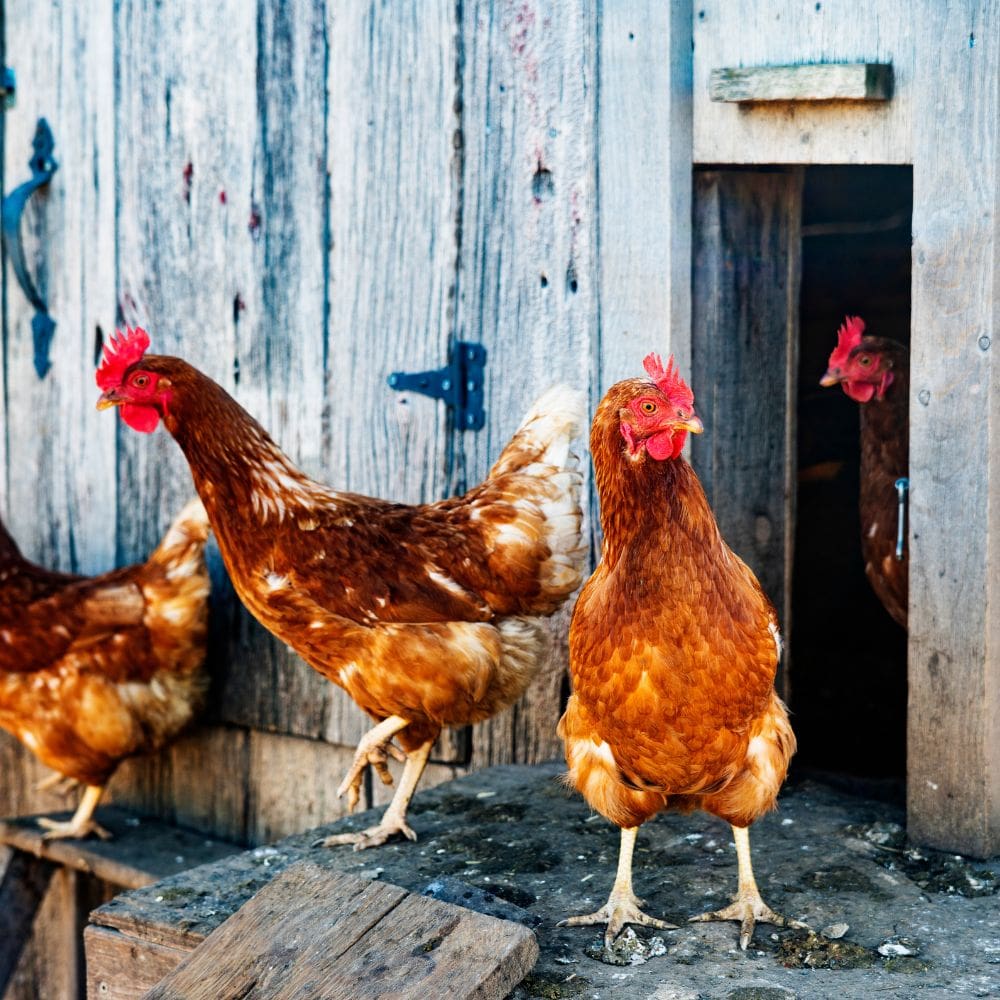
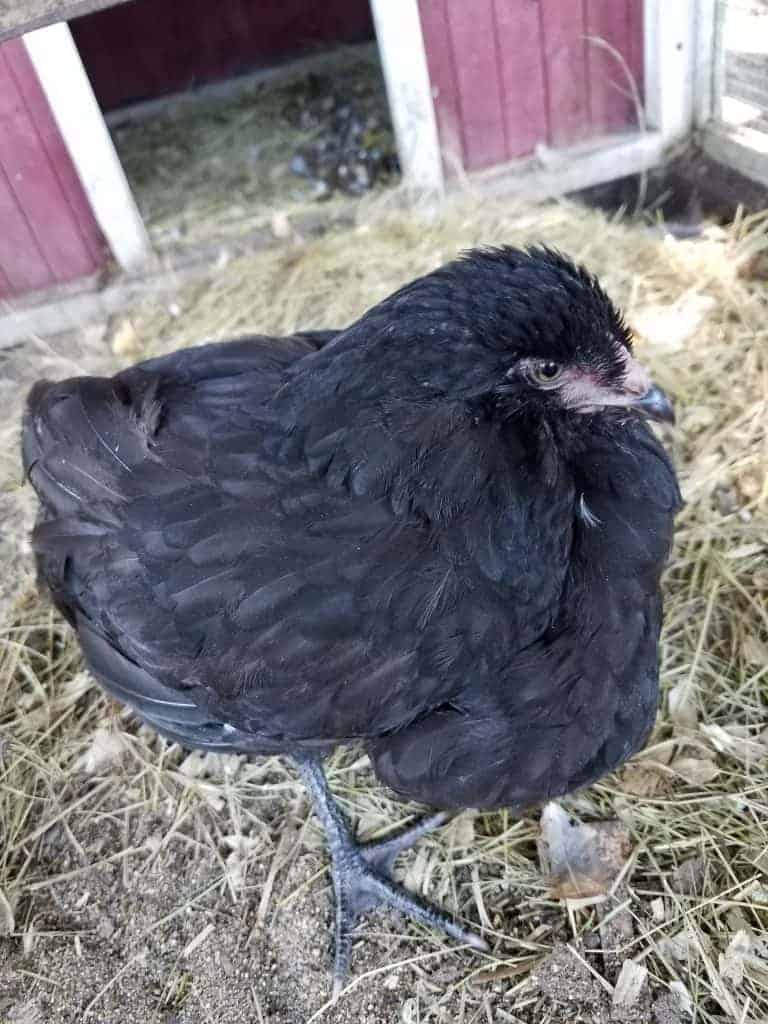
Several chickens standing on the stoop of their coop

8 Care Items To Do In November For Your Flock

1. Buy all the pumpkins you can at a hefty discount

Get out there and start hauling some pumpkins home. Leftover Halloween pumpkins go for pennies on the dollar after everyone’s done trick or treating. and cold weather is setting in.

Ones to especially keep an eye on are the “ugly” pumpkins, also known as Hubbard squashes.

They’re pretty pricey before Halloween, but you can score them for nearly free since most people don’t realize they’re edible!

Store your haul in a cool, dark location. They’ll keep for months, and you’ll be providing your flock with LOTS of juicy nutrients right when they need it most.

Want ALL the pumpkins a store has? You might be able to get a bulk discount if you talk to the manager!

Be sure to remove the rind before feeding or crack them open – your chickens likely WON’T peck through the hard rind.

2. Have a plan for freezing rain days

Late fall and winter months can often bring yucky weather with them. Freezing rain is even more deadly than snow or even sub-zero temperatures because moisture and drafts are a recipe for trouble. And the WORST is when it starts to rain and you have no way to keep your flock dry and warm.

Make a plan NOW and decide how to deal with freezing rain so your chickens stay warm. Is your run uncovered? Can you cover it at the drop of a hat?

Is your coop completely enclosed? What will you do if a hen is wet, and it’s 20 degrees outside? Do you have straw on hand? Do you follow the deep litter method?

Making these decisions NOW makes life easier down the road for you AND your backyard chickens.

3. Check for signs of predators

Prevent a problem before it becomes a big deal. Don’t wait for a hen to go missing – look for signs of predators and get rid of them before you lose a backyard chicken.

Look for:

  • Footprints
  • Flighty flock/sudden change in flock behavior
  • Critters getting into your trash or other signs

Signs such as footprints and a trash-filled yard are easy-to-spot signs. But flock behavior requires a bit more introspection on your side.

Note your flock’s behavior: Have they suddenly stopped going to one part of your property? Are they insisting on roosting constantly?

Any behavior that’s different is a sign that a predator might be around.

If you have a “gut feeling” something isn’t right but you can’t tell exactly what, you can always install a game camera.
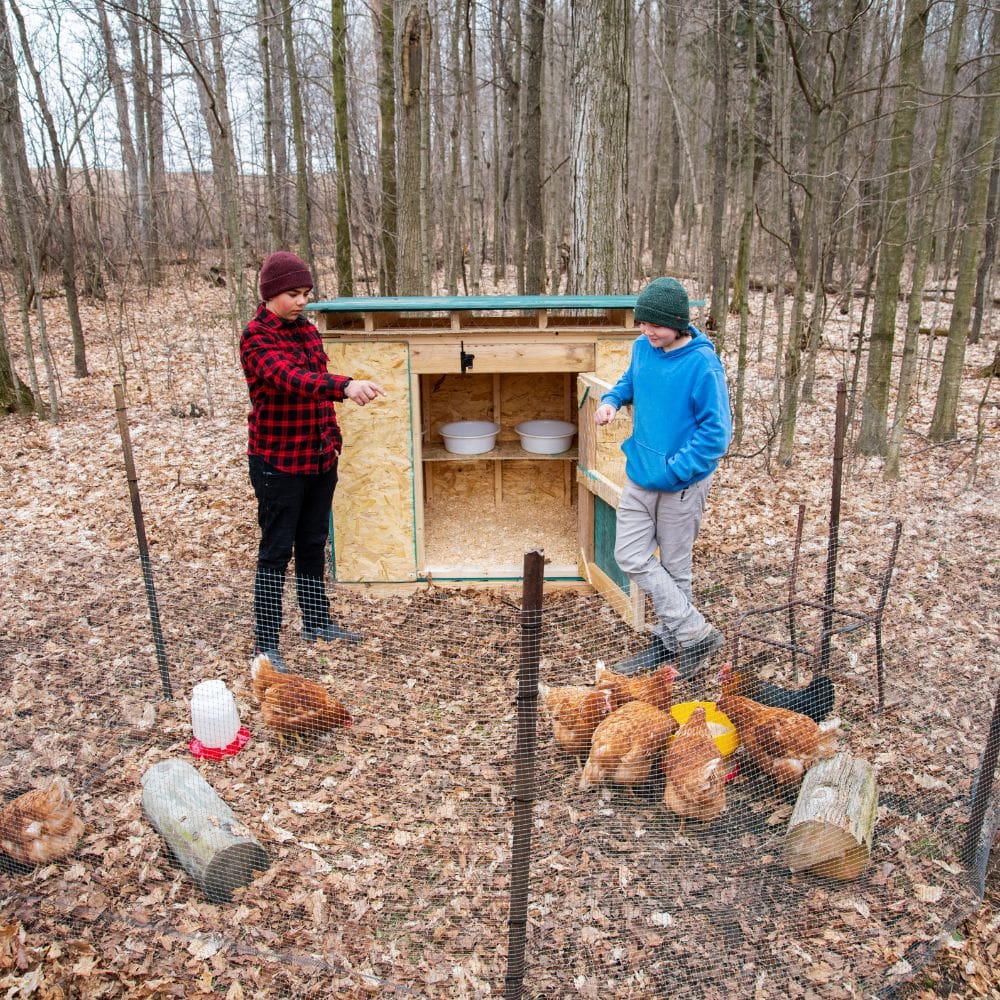
Two boys setting up a coop in the late fall

4. Add a light bulb to your coop

This time of year, I get LOTS of questions about why chickens stop laying eggs. Usually, a decrease in egg production is due to the fewer daylight hours.

If you want an egg supply during the winter, supplemental light will be your friend. Try adding a daylight-simulating bulb to your chicken coop to increase hours of light. Let it run 2 hours before dawn and 2 hours after sunset.

Of course, if you don’t want eggs, then skip this suggestion!

5. Take photos of your flock with all the autumn leaves

Don’t forget to enjoy this season – fall only happens once a year, and it’s a HUGE photo opp!

Spend a few afternoons taking photos of your chickens against the pretty fall leaves. You won’t regret it!

If you’re not a great photographer, you can always hire a pro! People hire photographers for their dogs, right?

6. Add “warming spices” on cold days

Certain spices will increase circulation, which can help your flock get an extra little kick of warmth.

Some options are:

  • Chili
  • Nutmeg
  • Sage
  • Prickly Ash

You can add the herbs to their feed to ensure your flock eats them. Just a pinch per chicken will do! If you don’t have time to figure it all out, you might try this Clucks of Joy chicken treat subscription box. You will get all kinds of high-protein treats, herbal blends, and all manner of chicken-loving-goodness. Your flock will benefit and it’s an “easy” button for you!

7. Provide herbs that are traditionally used to support healthy immune systems

You might worry your flock will feel the effects of winter, just like humans do. To support them and to raise healthy backyard chickens, you can add herbs to their feed.

These herbs are traditionally used to support healthy immune systems:

  • Oregano
  • Garlic
  • Calendula
  • Elderberries
  • Echinacea

You can feed them separately or together in an herbal blend such as PowerHen.

8. Do a sweep to check for mice or rats

Lastly, inspect to double-check check no mice or rats have taken up residence in your coop. Especially in older coops, there can be nooks and crannies that they love.

Mice and rats will make messes, leave diseases and fleas, and possibly cause your backyard chickens to get upset, or at least change their daily patterns. Not good!

Additonal Tips/Things To Think About

  • Even in cold weather, your chickens need proper ventilation (the ammonia from chicken droppings can be quite strong without it). Good ventilation and air flow are key.
  • If your chickens are cooped up you might consider providing some boredom busters (like the pumpkins, but also a cabbage can provide a lot of entertainment and keep them moving with excitement).
  • Cracked corn is a simple, yet very effective, supplement that will help keep your birds warm through the night. Scratch grain (which also has cracked corn) is also a great option
  • Certain chicken breeds fare much better than others in cold weather. Be sure you know the limitations of your breeds and act accordingly.
  • Heat lamps and heaters for poultry can always be dangerous. I knkow a lot of folks who use them but you definitely have to be extra careful with them. I would personally try everything else first. Besides, chickens can tolerate cold weather pretty darn well. Their feathers are made to withstand a lot more than we often give them credit for.
  • Wood shavings and straw can make some pretty effective insulation. Don’t underestimate it!

Summary

Every month has its own joys, and its own challenges when it comes to caring for a flock of chickens. But fear not, we are here to help with all areas of chicken keeping! Just by following a few of these helpful care tips, you’ll be way ahead. Be sure to enjoy the process!
Are you looking for the best hatcheries to buy Delaware chickens? If so, you’ve come to the right place.

American breeds of chicken have been around since the foundation of the USA, and right at the top of that list – in terms of quality dual-purposing, look, style, and bloodline – are the Delawares.

These heritage breed birds are a relatively recent addition to the American bloodlines, but their impact is without question. Technically, they are a gem of layer, producing large brown eggs, a good size for potential broilers out there; additionally, they are one of the brood hens in red sex-link hybrids. 

But really? One of the main attractions to barnyard breeding is the pet aspect of our birds! Delawares are a pure joy to keep in the backyard roosts. They are quiet. They are friendly. They are curious. And they are beautiful with their white feathering and dusting of dark brown at the tips of their neck and tail feathers. 

Sadly, these amazing birds have been on the decline of late, and have even fallen into the “threatened” species category. Fortunately, these Northern gems are still available all throughout the United States.

To prove it, we’ve compiled a list of TEN hatcheries whose duty is to provide you with the means to add these Delaware Chickens to your backyards!

10 Best Hatcheries to Buy Delaware Chickens

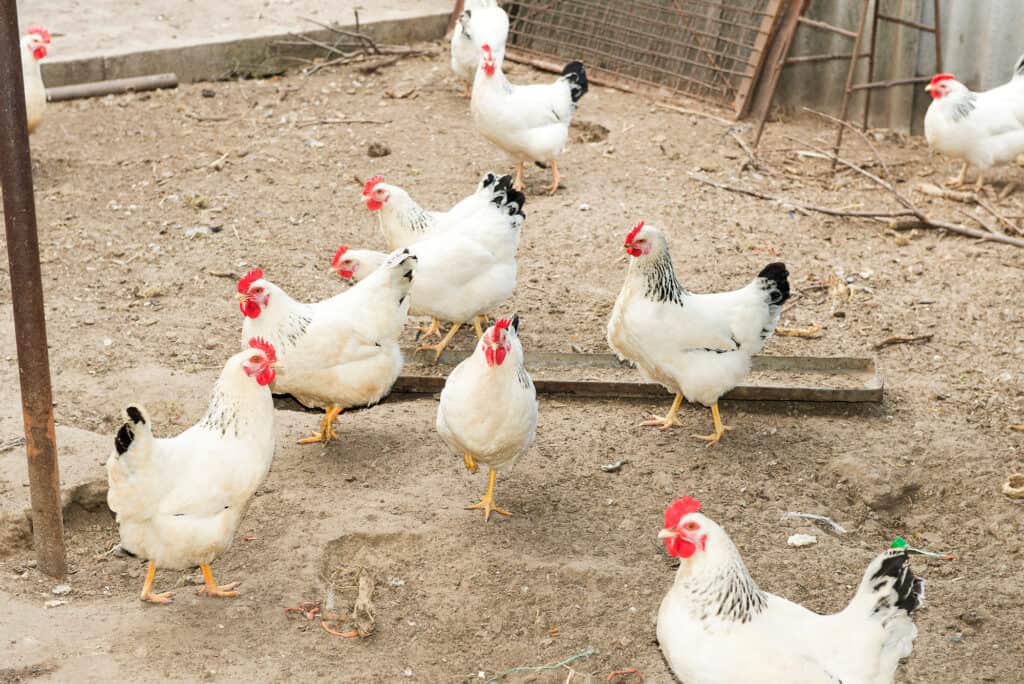
delaware chickens in yard

1. Meyer Hatchery

Average Straight-Run Delaware Chicken Price: $3.24

Meyer Hatchery is based in Polk, Ohio, and boasts itself as the “premier Poultry Source.” Priding itself on customer service and availability, Meyer Hatchery provides a variety of chicken breeds to meet customer demands for color and diversity. They welcome mixing and matching of breeds of the same poultry type to meet minimum order requirement for safe shipping. To help with orders, they have a calendar of hatchings. 

Meyer has a variety of means of communication, including multiple phone numbers, fax, and email. They also run a blog that covers everything from breeds to plant pairing with chickens, local feed, cooking recipes, fowl entertainment, and survival tips.

Looking for more great chicken feed? Check out our herbal egg layer feed here.

Advantages

  • Website is up-to-date in real time. 
  • Accepts checks and credit cards
  • Guarantees gender of chicks either through refund or store credit.
  • Optional vaccination.
  • Member of the National Poultry Improvement Plan (NPIP), and provide NPIP VS Form 9-3 free of charge. 
  • Offer orders of over 100 brown, white, and other egg-laying chicks. 

Disadvantages

  • Limited store hours that change with the season. 
  • Limited availability.

2. Purely Poultry

Average Straight-Run Delaware Chicken Price: $3.85

As a family-owned business, Purely Poultry has some of the best customer service in the poultry industry. They pride themselves on their knowledge of their products, selection, and how-to details related to everything they offer, including ducks, chickens, geese, and lots of other heritage breed birds! 

Located in Durand, WI, they guarantee live birds with every order, which is a good promise, indeed!

Advantages:

  • Each order backed by live arrival guarantee
  • Small order minimum on chicks and pullets
  • Other kinds of poultry offered, too

Disadvantages:

  • Not a huge advantage to buying multiple chicks – discounts are minimal

3. Cackle Hatchery

Average Straight-Run Delaware Chicken Price: $3.05

Cackle Hatchery proudly boasts that they have been hatching and shipping since 1936. A third-generation hatchery based in Missouri, their mission is to provide customers with quality poultry for showing, meat, enjoyment, and both white and brown eggs. They ship throughout the USA, including Alaska, Puerto Rico, and Hawaii, making it one of the most widespread commercial hatcheries around. They offer nearly 200 different types of chickens at all stages. 

Looking for chick starter to help your new additions get off to the right start? Here is a great option for you.

Cackle also offers many other kinds of poultry including ducks, water fowl, heritage breed birds, game birds (like Cornishes), turkeys, and other fowl. They are also a good source for supplies and books. 

Advantages 

  • Discounts if you buy male chicks
  • Vaccinations available
  • Only need 3 birds to ship (or just one for male birds)

Disadvantages 

  • Limited availability (February through September)

4. Murray McMurray Hatchery

Average Straight-Run Delaware Chicken Price: $3.90

Murray McMurray started his chicken business in 1917. As a banker, he sold his chicks to locals through the bank and by 1919, he had developed his own stock of chickens. During the Great Depression, he devoted himself to chickens full time.

Since then, Murray McMurray Hatchery has developed into one of the largest chick hatcheries in the country. They sell more than just chickens, with ducks, geese, guineas, turkeys, other fowl and game birds all in the catalogue. They even sell hatching eggs.

Without a doubt, Murray McMurray Hatchery is one of the best hatcheries to buy Delaware chickens. Sexed male chicks tend to be the cheapest, meaning you can get some serious savings if you’re planning on raising these birds primarily for meat. You can also buy pullets, egg layers, or mix and match your order with chicks of other breeds, too. 

Advantages:

  • Males are extremely inexpensive
  • Bulk discounts available
  • Excellent breed availability 

Disadvantages:

  • Minimum order of six birds at a time

5. The Chick Hatchery

Average Straight-Run Delaware Chicken Price: $2.70

The Chick Hatchery is Michigan’s “premier source for superior quality poultry.” With a creed that revolves around the sharing and joy of raising chickens, they operate in no-kill facilities. They raise their chickens humanely, with any unsold chicks going to Amish farms. Much of the experience of raising chickens is the awareness of the individual chicken and the relationship between food and our own health.

Their Delaware Chickens are available from February to September. 

Advantages

  • Ships a minimum of 3 of each sex.
  • All poultry guaranteed live delivery.
  • Offers discounts on orders of larger quantities of birds*. 

Disadvantages

  • Limited availability – February to September.
  • Does not ship to Hawaii or outside the USA.

6. Chickens for Backyards

Average Straight-Run Delaware Chicken Price: $4.15

Chickens for Backyards is an online poultry store that ships orders from Phillipsburg, MO. It sells over 100 breeds of day-old chicks, ducks, geese, turkeys, and guineas with orders as low as three fowl. They have a mix and match option for all breeds, including egg layers, which can be shipped all in the same order. 

Shipping schedules run from February through October. On their website, they offer a comprehensive FAQ page and Chick Care information. 

Advantages 

  • Orders can be cancelled up to 24 hours before shipping. 
  • Free shipping on supplies.
  • Comprehensive FAQ that covers a range of questions from care, feed, shipping, sexing, local laws relating to chicken farming, and terms.

Disadvantages 

  • Offer a 90% sexing guarantee, and will refund 90% of the purchase price once the 90% guarantee is surpassed. 

7. Mill Valley Chickens

Average Straight-Run Delaware Chicken Price: $19.99

Holistic and humane, Mill Valley takes pride in the love they raise their chickens with. Indeed, they ensure that all bedding is devoid of metal wiring, that their chickens receive only the highest quality organic and local feed, and ensure plenty of natural lighting.

With all this care and attention, they have a single goal: to get you the highest quality chicks in the best possible health. From their headquarters in Marin County, CA, they not only raise chickens, but they design coops, and offer courses on raising chickens. 

Advantages

  • All chicks are a flat rate (unless otherwise noted). 
  • Provides a number of hatching dates. 
  • All chicks come vaccinated for Marek’s Disease. 
  • Offer a 90% sexing guarantee for all chicks.

Disadvantages

  • Cluttered product web page. 
  • Pick up or limited shipping.
  • Comparatively expensive. 

8. Bob’s Biddies LLC

Average Straight-Run Delaware Chicken Price: $2.50

A Chicken Hatchery with that Southern flavor, Bob Berry retired from construction engineering in Ray City, GA with his memories of the Dominique and Delaware Chickens that he grew up with. With his wife Diane, he set out with these two breeds with the goal of personal care and sharing his joy with other chicken owners. When you buy from Bob’s Biddies, you can guaranteed that these National Poultry Improvement Program (NPIP)-certified chickens are “backyard-grown and backyard-hatched.” 

Since starting, they have expanded their available breeds to include Buff Orpingtons, Ameraucana, Silkies, and others, though can any of these breeds truly compare to the Delawares that Bob first fell for?

Delware Chickens are available from January through June. 

Advantages

  • Birds are professionally sexed.
  • Can be shipped with as short as a 3-week  lead time. 
  • Guarantee all chicks to arrive safely and alive. 

Disadvantages

  • Minimum to ship is 25 chicks. 

9. Freedom Ranger Hatchery

Average Straight-Run Delaware Chicken Price: $3.25

Freedom Ranger Hatchery is a family hatchery in the best possible concept of that. Getting its start in 2005 in Lancaster County, PA, duties are shared and split amongst several branches of the Detweiler and Fox families. Their cumulative passion is the creation of GMO free chickens that would make Jesus Christ proud. They offer about a dozen chicken breeds and a quarter as many kinds of ducks, as well as some other varieties of fowl.

Delaware Chickens are available in July through October.  

Advantages

  • Can ship orders in excess of 100!
  • Optional Marek’s Vaccinations for 5 cents. 
  • A shipping schedule conveniently placed on the web page. 
  • Ships to Hawaii.

Disadvantages

  • Limited variety of Chicken breeds.

10. Ideal Poultry

Average Straight-Run Delaware Chicken Price: $2.90

From Texas to your home, Ideal Poultry has been providing chicken owners with stock since 1937! At Ideal, their excellent customer service agents seek to provide their clients with everything they might want, from exceptional birds, to smooth and safe shipping, to even supplying answers to any and all question that might be raised about their fantastic fowls! They ship 5 million chicks annually! And that doesn’t even include the variety of non-chicken birds available. 

Advantages

  • Can ship orders exceeding 100 chicks!
  • Easy-access breed availability calendars on the web pages for each breed. 

Disadvantages

  • Expensive optional Marek’s Vaccinations. 
  • No direct access to shipping information on their website

Where to Buy Baby Chicks Online

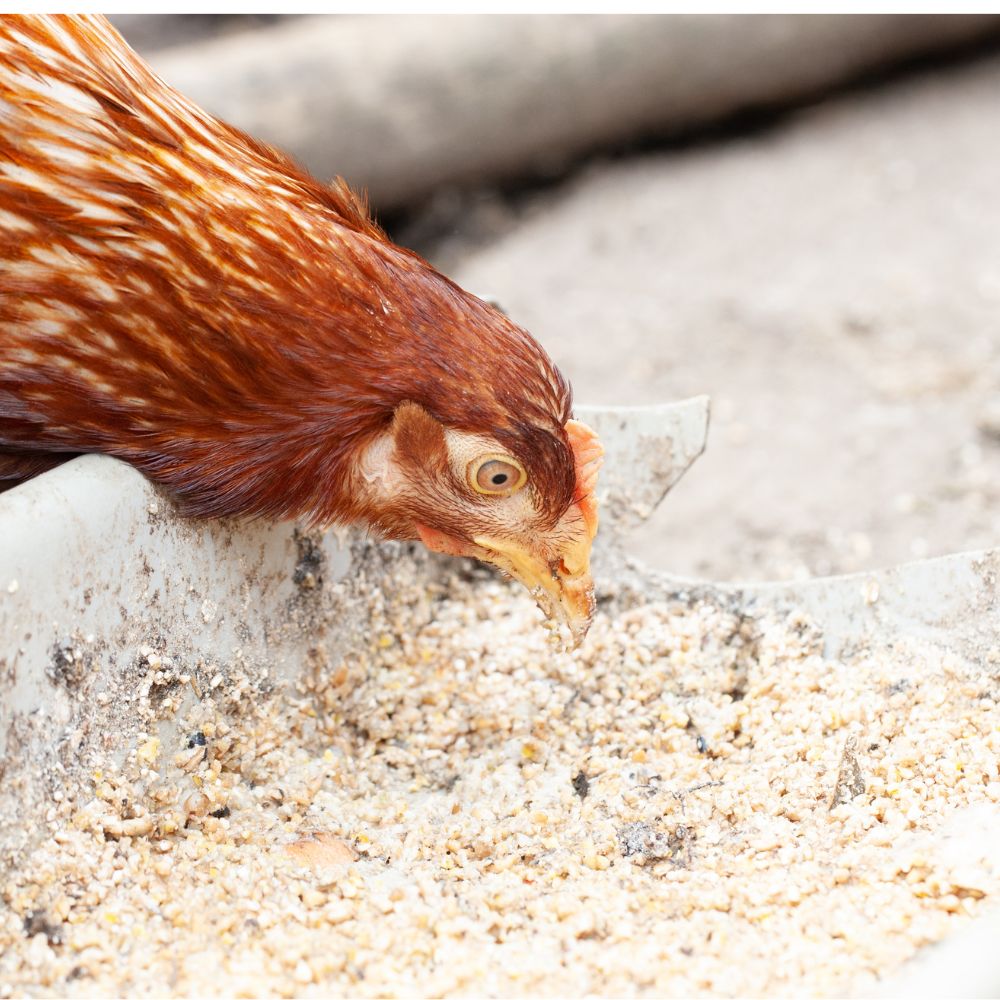
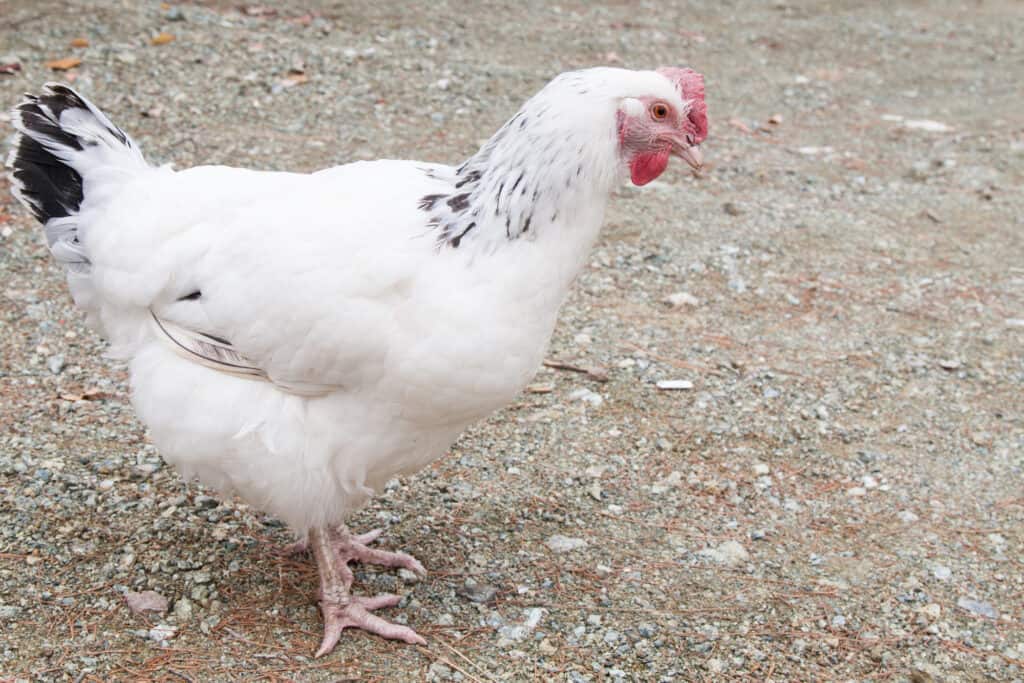
delaware chicken looking for food

Should you buy baby chicks or adult birds? The choice is yours, but when you’re in it for egg production, buying Delaware chicks or pullets is a smart choice. Most of these top online hatcheries sell both, so you shouldn’t have trouble finding any of your favorite poultry breeds at any age.

Delaware chickens are perfect as meat birds and prized for their egg production, too. A favorite of the American Poultry Association and the backyard hobbyist alike, these animals should be at the top of anyone’s list when you’re trying to find free range chicks for sale.

Consider some of these hatcheries, and you’ll get some of the best birds you can find.

Related Articles

Pendulous crop in backyard chickens can be a stressful event to manage.

You might even be wondering what pendulous crop even IS, especially if you’re a new chicken mama or papa. Well, I’m not going to pretend pendulous crop isn’t serious. It can definitely be an issue and it must be addressed. If you don’t take care of it, your chicken might not absorb the nutrients it needs and eventually, will waste away, lose weight, and die.

In this article, I’m going to tell you precisely what pendulous crop in your flock is, and how to deal with it. By the end, you’ll have a good idea of how to handle this situation, should you ever need to help one of your chickens!

pendulous crop backyard chickens
Photo courtesy of Heretha Bell

What is a pendulous crop?

You might have noticed the word “pendulous” in pendulous crop. That’ll give you a starting point to understand this health issue. Pedulous crop is when the crop gets muscle gets stretched out and doesn’t return to its normal size.

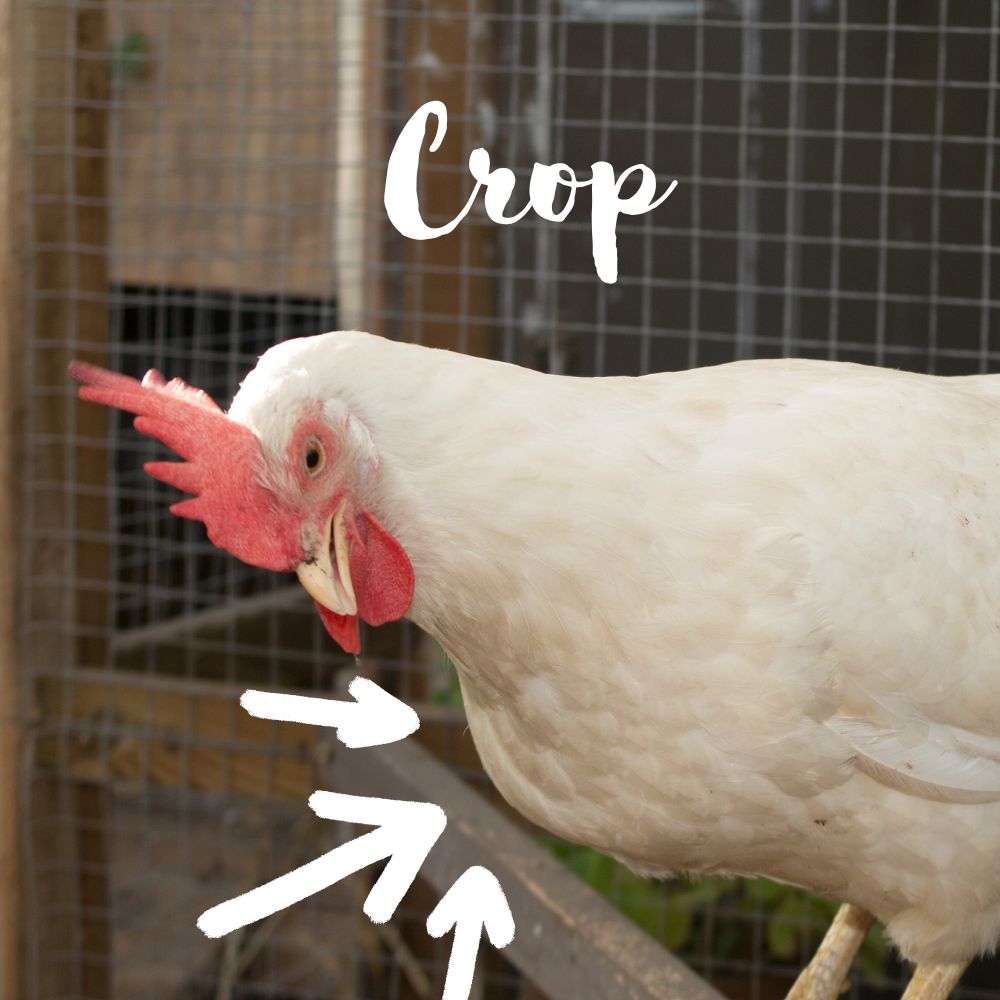
In case you don’t know, the crop is part of your chicken’s digestive system. It’s where food is stored and begins the breaking down process before it makes its way to the digestive tract. It’s located on the front right side of the chickens lower neck area.

It’s critical that the crop is healthy and in good shape to help your hen digest her food. When a hen gets pendulous crop, it can be due to a couple things:

  • The crop is impacted, and the weight of the food the hen consumes is getting heavier and stretching the crop.
  • The hen might also be anatomically predisposed to having pendulous crop. This means her crop is larger, or naturally sags more than it should.

Either way, the crop can become impacted and needs to be cleared out.

You might wonder what the difference between pendulous crop and an impacted crop is. Basically, pendulous crop is a type of impacted crop.

Crop of a chicken, chicken crop

Why does pendulous crop happen?

Simply put, the reason pendulous crop happens in backyard chickens is because the crop stretches due to too much food or possibly the anatomy of the chicken.  After your hen swallows food, her meal gets stuck, and can’t leave the crop. This can happen due to a piece of food that’s too big, too much food, or perhaps foreign objects, etc.

As your hen eats more and more, the pieces of food then sit there fermenting and not getting passed through the digestive system. While pendulous crop is an issue by itself, it also means the chicken isn’t getting nutrients. Eventually, the chicken can die of starvation.

The chance of an incidence of pendulous crop is not exactly high, but it does happen.

How do I know whether my hen has pendulous crop?

If you see her crop bulging and sagging and possibly moving around (meaning, it doesn’t feel like a nice, tight, round ball), she might have a pendulous crop.

If you notice her crop isn’t smaller in the morning (after digesting food) or if your backyard chicken looks physically poorly or sick, then she might have crop issues. It’s always best to double check with a vet!

What can I do about a pendulous crop?

Assess the situation

First, make sure the chicken actually has a crop issue. Keep her off food for 24 hours (still give water). When crops are full, they can be quite large – anywhere from the size of a golf ball (in a young chicken) to the size of a peach or tennis ball in an adult.

So, you should first determine whether the crop is actually functioning. Stop giving her food for 24 hours. The next day take notice. Does the crop become completely empty the next day? For example, it was very full and now you can’t see much of a lump at all? If so, the crop is working the food towards the rest of her digestive system and you’re not dealing with a blockage.

If it’s still full and you know she hasn’t eaten anything, her crop is likely impacted. You’ll want to double-check this with a vet. 

Take action

You can first try giving your chicken some grit to help it digest. After that you can give her a teaspoon of olive oil with a syringe. It can help loosen up the “stuff” in the crop. If that doesn’t work after a couple of hours, you need to empty the crop.

To empty the crop, you will have to “burp” your chicken (which is not as easy as it sounds).  Burping consists of helping your hen regurgitate the feed that’s in her crop, and (hopefully) removing whatever is causing the crop to be impacted.

Hold your chicken under your arm so her head is at an angle towards the ground (essentially hold the chicken upside down). Massage her crop gently until the food is regurgitated (this is bascially inducing vomiting). If you’re not sure how to do this or if you’re afraid, then consider taking your chicken to an avian vet who can do it for you. You can read full instructions about dealing with impacted crop and emptying it in this article.

After the crop is empty, keep the hen off food for another 24 hours. Be sure to give her water. Observe her closely for signs of additional problems. Double-check with a vet about any signs you should look for in your particular backyard chicken – they’re all different.

You can then slowly reintroduce food, making sure it’s in small pieces. If you’re still concerned, you can err on the side of caution and offer moistened food that’s easy for your backyard chicken’s digestive system to break down.

Additional things you can do

You can also mix raw organic apple cider vinegar WITH THE MOTHER (more on apple cider vinegar here) into her water. The beneficial bacteria will help her digestive system.

Offer dried oregano with her feed, and parsley (which are both full of amazing nutrients for chickens). Or try this non-GMO feed that has oregano, garlic, and oyster shells mixed into it.

As for food, dried river shrimp are a good option – they’re small and easy for beaks to break apart. They’re also very high in protein, and if your hen is still recovering and nervous, they’re very tempting for even the pickiest eater. Mealworms are equally tempting and affordable. Try these.

You can also mix their feed with brewer’s yeast, if you want to make sure your hen is getting plenty of vitamins after her bout with pendulous crop. Our brewer’s yeast is fortified with vitamin B 3, B6, and B12 and garlic, oregano, and echinacea (all herbs traditionally used to support healthy immune systems).

Some sources say to flush the crop with epsom salts, but I have never personally tried it.

What is a sour crop?

It can be easy to get pendulous crop, impacted crop, and sour crop confused. We’ve already talked about two of those. But what about sour crop?

Sour crop occurs when your hen’s crop becomes infected with the fungus Candida albicans, according to the University of California, Davis.

The fungus invades the lining of the crop and begins to breed, causing an upset in the natural environment in the organ.

Read more here: How To Treat Sour Crop In Chickens

Summary

It’s important to know that if your backyard chicken gets an impacted and pendulous crop once, it’s more likely she might get it again. The best thing to do is keep an eye on your backyard chicken and double check that the chicken’s crop is working correctly.

Mild cases can work themselves out, or be easy to deal with. More servere cases may even need surgery if you are willing and able to pay for such a service.

Taking time with your hens is the highlight of anyone’s day, and treats make it all the more special.

My hens come running when they see I have goodies (and sometimes jump ON me), and it’s definitely adorable watching how excited they get.

Suet cakes (treats made with a fat to bind the ingredients together) are definitely a favorite around here, and they’re a great treat to make sure your hens are getting enough fat in their diet as well as make sure they gobble down their herbs.

This week’s treat for hens is a brand new recipe that includes our old favorites, sunflower seeds and oregano, with an extra twist: lemon balm and wheat berries.

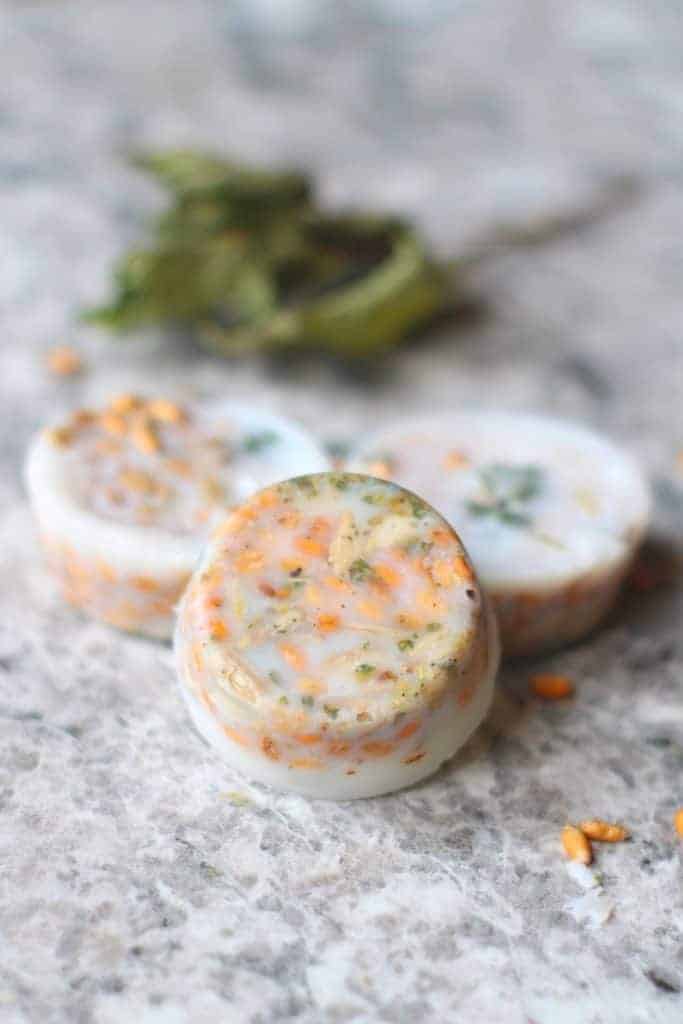
Wheat Berry & Lemon Balm backyard chicken Treats

Why these ingredients?

I made these suet cakes using coconut oil because of its health benefits for you AND your chickens.

If you don’t have any on hand, you can substitute tallow (rendered beef fat) or lard (rendered pork fat). You can also use leftover bacon grease (which chickens LOVE).

Coconut oil itself is great to help your chickens maintain their weight (has lots of healthy fats) AND it’s known for its antibacterial properties. So if you’re worried about your chickens as they free range and wander around in the dirt, the coconut oil is a great basis for any treats.

Oregano is also known for its antibacterial properties (it’s become the darling of the chicken industry because of it), and contributes to overall health for your flock.

Lemon balm (aka Melissa) is well known as a natural antibacterial and has anti-inflammatory properties – great for helping your chickens’ tummies.

It also has a bright, citrus scent, which will leave you feeling happy as you shred it for your chickens (if you have any left over, make it into a tea for yourself, which you can drink while spending time with your fluffy butts.)

So why wheat berries? Well, they’re pretty inexpensive, and chicken love them. Non-GMO and organic wheat berries are a favorite of my chickens, and I know it’ll be for yours as well.

Also, the great thing about wheat is you can either use it straight out of the bag in these treats OR you can sprout them for 2 or 3 days into fodder.

The act of sprouting makes the wheat berries more nutritious and hens LOVE them, and the sprouts are a great boredom buster.

If you’re not sure how to sprout wheat into fodder for chickens, it’s easy.

Sunflower seeds, if shelled, aren’t worth trying to sprout, but chickens love them, and they’re full of healthy fats that are great for your hens. I’ve yet to meet a chicken who DOESN’T go crazy for sunflower seeds!

In this recipe, I used shelled sunflower seeds, but if you prefer to leave the shells on, that’s fine as well. Be sure to use black oil sunflower seeds.

I like to use a mini-cupcake pan for suet cakes because it makes great single-sized servings and they’re not so huge your chickens take a few bites then ignore the rest.

The pans are also a great way to make sure each hen gets a treat. If you have a large flock or a bossy alpha hen, some of those down further on the totem pole might not get a chance at the larger treats.

Ready to make your hens some healthy treats?

Wheat Berry & Lemon Balm Happy Tummy Treats

Ingredients per chicken

¼ cup melted coconut oil

¼ tsp dried lemon balm

⅛ tsp dried oregano

2 tablespoons wheat berries

1 tablespoon sunflower seeds

Mini-cupcake pan

(If using a regular-sized cupcake pan, double or triple ingredients, and know that each treat is enough for 2 or 3 chickens. You can always cut them down to individual portions.)

Directions

Combine dry ingredients in a separate bowl. Melt the coconut oil so it’s completely liquid.

As the coconut oil is melting, fill each cup in the cupcake tin with the dry ingredients. You want each tin to be nearly full.

When the coconut oil is completely melted, pour over the dry ingredients until the coconut oil reaches the top. Refrigerate until solid.

To remove, turn the pan upside down and knock on the bottom a few times until the treats are loosened. Serve to your chickens immediately.

Make yourself a cup of tea with any remaining lemon balm and drink while you enjoy watching your chickens gobble up their goodies!

Ameraucana chickens have beautiful eyes, multicolored feathers, and lay lovely blue eggs. But that’s not all this breed offers. Read more!

With the Ameraucana chickens large, expressive eyes and cartoon look, they could just be the inspiration you need to become a “crazy chicken person.” And there’s a whole lot more to this rare chicken than their eyes, multicolored feathers, and the lovely blue eggs they lay!

You should know upfront that this breed of chicken is easily confused with the Araucana chicken – especially since both breeds lay blue eggs.  They also get confused with Easter Eggers because of some of their characteristics. You’ll see online that lots different types of chickens are sold as Ameraucana chickens, when they are NOT. We will cover that in this article so you can be an informed chicken shopper.

Now, let’s move in closer and inspect the Ameraucana chicken from head to toe.

Ameraucana Chicken

Ameruacana History

For a little bit of storytelling, Ameraucana chickens originated in the United States.

Agricultural scientists created this breed, hoping to preserve the genetics of the South American, blue-egg laying Araucana chicken – but also to eliminate its lethal gene that can kill the chick while inside the shell. Eventually, the Pratt Experimental Farm in Pennsylvania got the right genes together sometime in the early 70’s.

And yes, the majority of breeds of chickens are not considered “true chicken breeds” by most people until the American Poultry Association (APA) says so, and eight varieties later it was finally recognized by APA and American Bantam Association (ABA) in the 1980s.

They are still considered a rare breed here in the United States, so they can be a bit harder to find a place to buy them.

About Ameraucana Chickens – Breed Characteristics & Personalities

What Do Ameraucana Chickens Look Like?

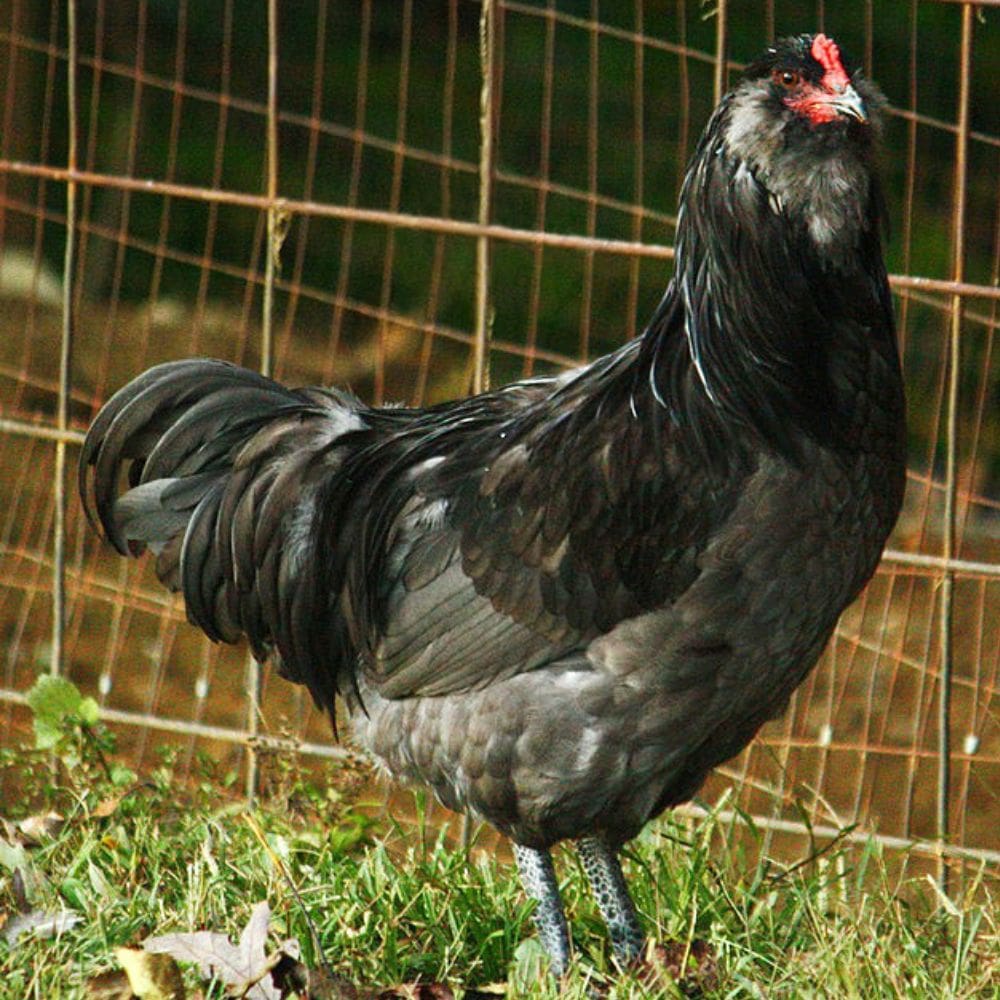
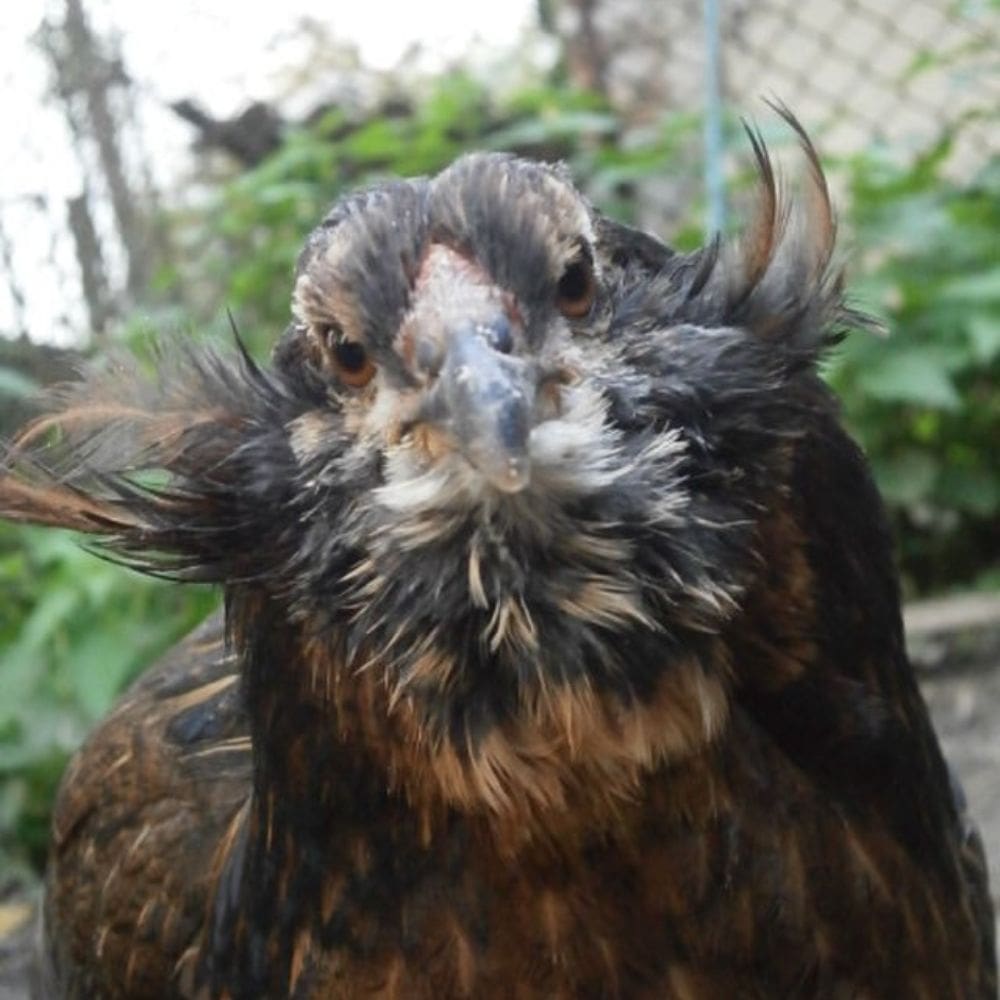
Ameraucana chickens have a beautiful curved beak, large eyes, and a red “pea” comb. This pea comb, together with the wattles and the round earlobes, should be red. This chicken breed also sports a few uncanny characteristics like having blue slate shanks and bottoms.

Ameraucana chickens also appear to have a “beard of feathers” and adorable muffs that sometimes almost cover their face. This makes them charming – giving you more reason to own and breed one, if the “chicken gods” would permit you to find Ameraucana chickens for sale.

Are Ameraucanas Cold Hardy?

Most chicken breeds are cold hardy, and Ameraucanas are no exception – ours have always done better in winter than summer. They also lay well during colder seasons.

Our Ameraucanas don’t really like going out in the snow, but because they have small pea combs and smaller wattles, they are resistant to frostbite on these areas.

Offering your flock extra treats during the colder months can lift their spirits and provide extra protein to help them endure the cold.

Can Ameraucana Chickens Fly?

Ameraucana chickens can fly short distances and enjoy the view from a tree branch. They’re smaller and lighter framed than other heavier chicken breeds (like buff orpingtons and brahmas, for example), so it’s easier for them to catch some air for lift off.

They won’t fly long distances or even leave your farm, though.

How Long Do Ameraucana Chickens Live?

While backyard Araucanas can live more than 10 years, the actual lifespan of your Ameraucana chick can vary greatly depending on its diet, genetics and exposure to predators.

Most pet chickens live between 5-6 years if they’re given a warm shelter and a high quality layer feed, clean chicken feeders and waterers, and are protected from fox, raccoons, and other predators.

Ameraucana Personalities

This breed can be misunderstood because there is a variety of Ameraucana chicken temperaments. Looks are deceiving for this breed.

A lot of breeders would testify that it is a friendly breed and easy to tame. They can be fun to watch when they start being curious and explore the backyard. Other folks love them, but do not consider then to be super friendly.

To give a piece of advice though, you might need to think twice about picking them up for a cuddle unless you take the time to handle them often. These mild chickens are also easily spooked when they are not used to having humans around and can be broody (and broody hens are usually not the friendliest).

In Ameraucana flocks, males are dominant. They protect hens when in they’re in trouble, but they can be aggressive too. It is a good practice to separate the males from females when they’re not breeding if the roosters are being difficult.

While they enjoy free-ranging and enjoying mother nature’s treat, this is a breed that doesn’t mind confinement. They can easily adjust and thrive cooped up, as long as their environment is set up to reduce stress. You can provide them treats and toys to keep them entertained so they don’t become angry birds.

What Is The Difference Between Easter Eggers and Araucana and Ameraucana Chickens?

Araucana vs Ameraucana vs Easter Egger are common subjects in forums and threads, but Ameraucana chickens have a few stand out characteristics that separate it from the other blue egg layers.

Easter eggers are hybrids, usually a mix between Ameraucana or Araucana chickens and a brown egg layer, such as a Rhode Island Red. They come from different breeds with one parent having the blue egg laying gene.

If closely compared the Easter Eggers, Ameraucanas will also have a well spread, full tail. Araucana chickens, on the other hand, are “rumpless.”

Unlike Ameraucana chickens, Easter Eggers don’t just lay blue eggs – they can lay brown, green, or even pink eggs – a veritable rainbow of egg colors.

Also, they do not breed true, so even if you breed 2 Easter Egger chickens together, there’s no telling what characteristics the offspring will have. No two Easter Eggers look exactly the same. Personally, I like this “grab bag” approach to breeding, it can have some surprising and offbeat results.

Help! This is Confusing!

This can be confusing, as you can see. But here’s a quick list in summary:

  • Ameraucanas are NOT rumpless (if it’s rumpless, it’s an Araucana).
  • Ameraucanas most usually have slate colored legs and feet (Araucana usually has yellow legs and feet, Easter Eggers can vary).
  • Ameraucanas only lay blue eggs (Easter Eggers can lay several different colors of eggs. The tricky part is that Araucanas also only lay blue eggs, but remember – they are rumpless).

If your head is still in a tail spin, try this side by side comparison.

Ameraucana

  • Has tail feathers
  • No ear tufts
  • Have beards
  • Have muffs
  • Breeds true
  • Blue Eggs
Ameraucana Chicken

Araucana

  • Rumpless (no tail feathers)
  • Has ear tufts
  • No beard
  • No muffs
  • Breeds true
  • Blue Eggs
Araucanan chicken

Easter Egger

  • Hybrid that has mixed characteristics
  • Many egg colors (but each hen will only lay one of those colors)
  • Does not breed true
  • Can have muffs and beards
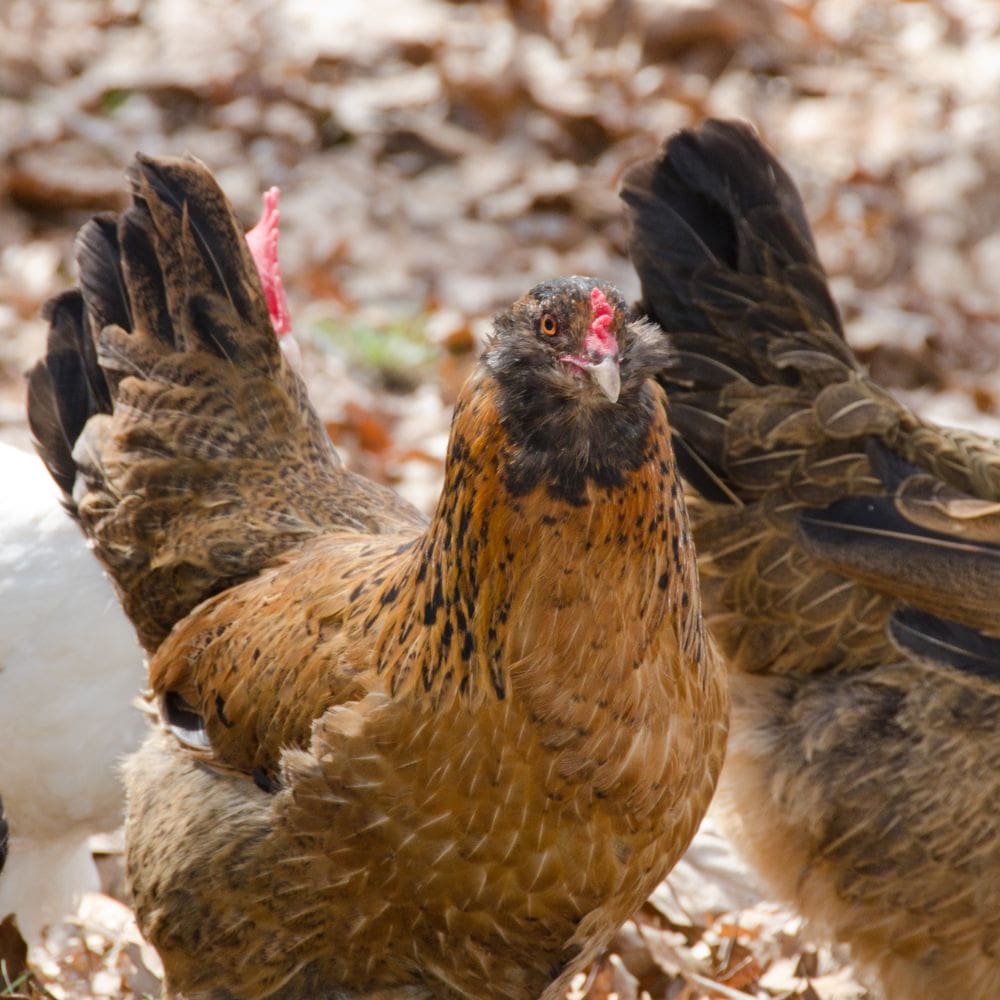
Easter Egger chicken

Ameraucana Chicken Colors?

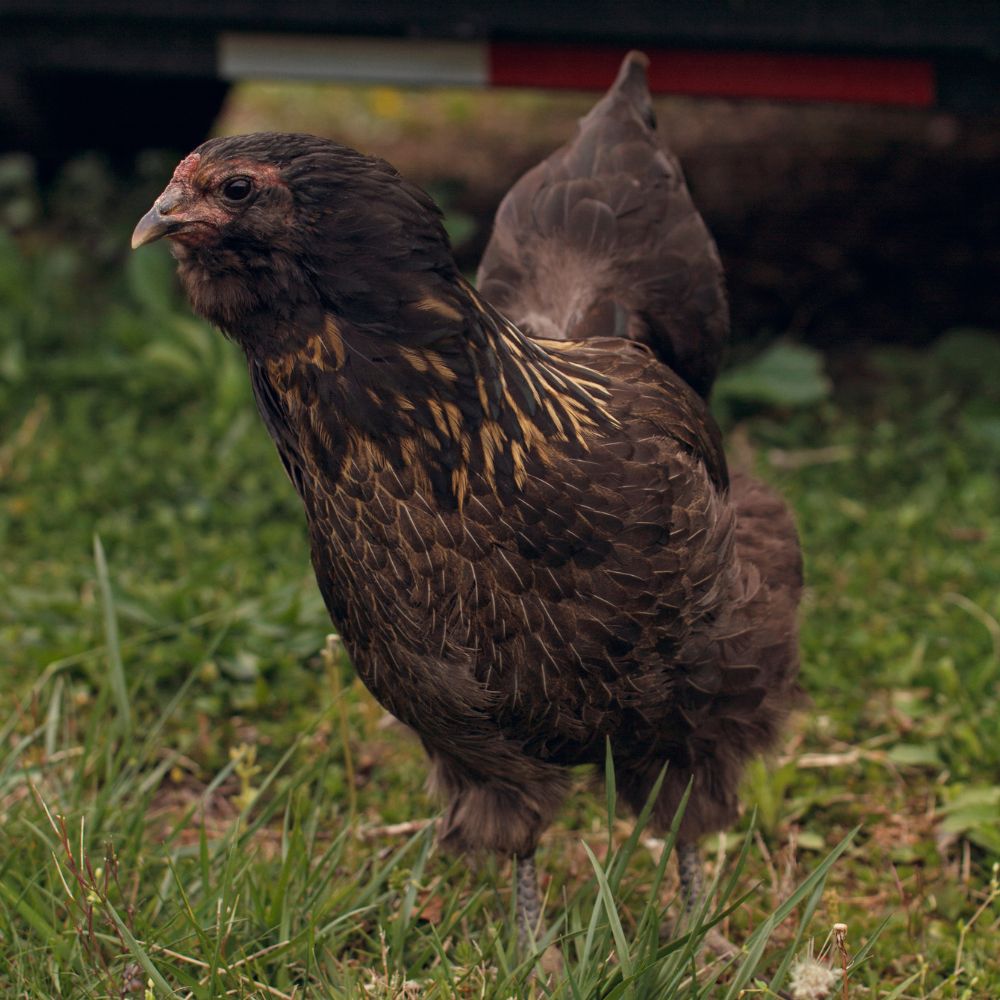
What colors do Ameraucana chickens come in? A lot! Be ready to have a colorful flock when you have these clucking in your coop or grazing in your backyard. Each variety come in different sets of color.

  • black
  • blue
  • brown red
  • buff silver
  • blue wheaten
  • wheaten
  • white

Interesting Color Facts

  • The blacks (and blues) are the most common Ameraucana colors. Some breeders are also working on new varieties like black gold and also lavender! How wonderful would those be?
  • The black Ameraucana chicken is purely black with shiny coal black feathers aside from the red wattles, ears, and comb. The same is true for the white Ameraucana chicken – except it’s snow white and not black.
  • Don’t expect sky-blue chickens to grow from a Blue Ameraucana chicken. The blues of this breed are more of an ashy blue or gray. This color is derived from the black Ameraucana chicken that has been diluted with the blue gene.
  • The Ameraucana recognized variety, buff, is also quite interesting to look at, with its contrasting golden buff color and blue legs.
  • Wheaten or blue wheaten color? It’s quite simple: blue feathers on blue wheatens will replace the black feathers on regular wheatens for both hens and roosters.
  • Expect in general that males would have more orange tint with blue and gray shanks.

Just be aware that when you raise Ameraucana chicks, you’ll only be able to distinguish what color they will be as adults when they start feathering out. This is especially true if you get them from a hatchery, rather than a local dealer where you can see the parent stock.

Until then, you can only fantasize and stare at an ameraucana chicken color chart hoping they would turn out to be the colors you want to have. No matter what color your chicks turn out to be they’re guaranteed to have blue eggs in different shades as long as they are genuine/pure breeds.

How Big Do Ameraucana Chickens Get?

A standard Ameraucana chicken can weigh up to 4.5 – 6.5 lbs and stand up to 18” tall. Ameraucana bantam chickens are the cuter versions that grow half the size of a standard – and bantam chickens in general tend to be more cuddly with their humans than regular-sized chickens.

Ameraucana Chickens Egg Production

Are Ameraucanas Good Egg Layers?

There is no questioning the capabilities of the Ameraucana for egg production. They are one of the most productive egg laying breeds known to give at least 250 to 300 eggs a year, weighing approximately 53 – 60 grams.

Those are some nice, big, blue eggs!

Do Ameraucana Chickens Lay Eggs Everyday?

On the average, they produce 3-6 eggs a week, more in their first laying year. The exact amount they’ll lay – and whether they lay consistently – will depend on their diet and environment. It’s always best to provide a high-quality layer feed with at least 16% protein and plenty of calcium.

Note that chickens who do not have a good diet, or who free range for most of their nutrients, or have experienced some sort of stress, might not lay as well. You can explore reasons chickens stop laying eggs here.

What Age Do Ameraucana Chickens Lay Eggs?

They start laying eggs at about 6-7 months old, although it can depend on certain factors, such as the individual chicken, her diet, the time of year, etc.

Pullets that reach the 7 month mark during the darkest days of winter might not lay until spring, since 12-14 hours of light is needed to spur egg production. Once your hens do start laying, offer them a high quality layer feed with plenty of calcium.

Some breeders would say that it’s quite a long time before they start laying, but pretty colored eggs are worth the wait. When your hens start producing eggs, make sure they don’t go through too much stress like change in environment or feeding. Stressed hens might just stop laying.

Are Ameraucana Chicken Eggs Good to Eat?

Their eggs aren’t only coveted for their unique and gorgeous blue color. Ameraucana chicken eggs are one of the healthiest, with low cholesterol and rich flavors. And they taste just like any other white egg.

Are Ameraucana Chickens For You?

This breed is honestly hard to resist, especially if you like the various looks and colors they come in AND you want blue eggs. If you have read this far, then it’s a sign! Go get yourself some of these spunky, fun fluffy butts. What are you waiting for?

Fermented chicken feed is gaining popularity, and it’s something I like to incorporate on our homestead.

It’s not for everyone, and I certainly have readers that are shy about fermenting anything. It’s understandable, but chicken feed is especially easy to ferment correctly.

Although you might be a little wary (I was once too!), if you ferment for only a brief period of time, you’re more likely to help your hens than harm them.

Obviously, when it comes to chickens, providing clean, fresh food – free of mold – is necessary.

But here’s a reality check:

Particularly if you allow your chickens to free range, they will go after some gnarly food we wouldn’t dream of touching.

Feed you’ve fermented for 48 hours is much more beneficial than that old piece of something unidentifiable that they’re now cooing and clucking over.

That being said, how can you get started fermenting chicken feed?

Chicken eating fermented chicken feed

You can ferment any feed

Organic, not organic, homemade or store bought, crumble or pellets, the method of fermenting your chicken feed is the same.

You can even ferment vegetable and fruit scraps for your chickens! (If you’re making apple cider vinegar, consider tossing the scraps to your flock!)

How to ferment chicken feed

Simply create a daily ration as normal, but instead of feeding it right away, submerge it under water (and give it a stir) in a clean bucket for 24 to 48 hours. Many people use 5-gallon buckets.

Cover the bucket with a cloth or a top in order to keep unwanted stuff out. Then let it soak. After 24-48 hours, you’ll notice the feed has changed in consistency (what it actually looks like will vary depending on what you’re fermenting).

You might notice a film on top or some cloudy looking material in the bucket on top of the liquid – as long as it smells and looks okay, that’s the good bacteria doing it’s job.

With anything fermenting, let your nose and eyes be your guide – if it looks or smells rotten, or if you see black mold, dump it. It’s not worth the risk. 

White or cloudy material should be okay during the fermentation process.

If you’re just starting out and not sure about fermented chicken feed, 24 hours might work for you, but feed fermented for 48 hours will yield better results, according to studies. The second day is worth it, trust me!

If you use my organic homemade chicken feed recipe, you can even ferment the seeds for 48 hours before feeding them – the fodder seeds will still sprout under water.

As you progress you can have a batch going all the time so you never run out. One batch in use, and one new batch.

So all this begs the question…

Why bother fermenting chicken feed?

Fermented feed has been proven to more beneficial than dry feed in several studies performed on laying hens.

As the water creates an anaerobic (without oxygen) environment, beneficial bacteria will start to break down the feed which aides in digestion. 

As this natural process occurs, it maximizes the nutritional content, making the nutrients more bioavailable, and increases the amount of good bacteria, such as Lactobacilli.

This is the same stuff you see in probiotics for pretty much any species, from humans to chickens to horses. It’s similar to sauerkraut, sourdough bread, kimchi, or kombucha.

A study performed by Ghent University in Belgium found that chicks fed a ration fermented for 48 hours were healthier than chickens that were fed a normal dry ration.

In addition, the chickens fed fermented feed were healthier, required less feed, and were more efficient with their feed.

In other words, they were healthier and larger, all while needing less to eat. Pretty nifty, huh?

But it gets better.

A second study performed in Denmark in 2009 showed that laying hens fed fermented chicken feed not only performed better and required less feed, but they showed signs of increased intestinal health.

The same study found that a natural barrier had been formed, protecting the chicken from common pathogens, such as E. coli, Salmonella, and Campylobacter (all of which can be spread to humans.)

Some things to think about

The study performed in Denmark also noticed that because the fermented feed was wet, it caused some behavioral issues.

They saw hens becoming more aggressive, losing interest in their food, and laying later (although it didn’t effect the total amount of eggs laid).

The first thing to remember is these were hens were not a backyard flock, and were in a different environment than homestead chickens.

There is much less competition between backyard hens when it comes to feed, especially if you provide multiple feed stations.

While I personally have noticed my hens occasionally will lose interested in their fermented feed, I’ve not noticed them acting any different.

In addition, the researchers concluded the aggressiveness was tied to the consistency of the wet food, rather than the probiotics.

Fermented feed can get mushy, especially if you use grain. In addition, chickens can be messy eaters, and might toss their feed everywhere – and mushy feed gets ground into dirt much easier.

One way to avoid this is incorporating other goodies into the feed, such as meal worms or table scraps, or even dry feed or oats or sunflower seeds to provide texture if you find your flock avoiding their fermented feed. It will also make for less waste.

References: 

Missotten JA1, Michiels J, Dierick N, Ovyn A, Akbarian A, De Smet S. “Effect of fermented moist feed on performance, gut bacteria and gut histo-morphology in broilers.British Poultry Science, 2013;54(5):627-34. doi: 10.1080/00071668.2013.811718. Epub 2013 Aug 8. PubMed.

Engberg RM1, Hammershøj M, Johansen NF, Abousekken MS, Steenfeldt S, Jensen BB. Fermented feed for laying hens: effects on egg production, egg quality, plumage condition and composition and activity of the intestinal microflora.British Poultry Science. 2009 Mar;50(2):228-39. doi: 10.1080/00071660902736722.

https://plus.google.com/+MaatvanUitert/posts/MZssHdWjoik