Raising ducklings from day old to maturity can be a tricky business. It’s a lot of work! A frequent question I’m asked is “what do baby ducks eat?”

Knowing what you can and can’t feed your ducklings is critical to getting them through the first few weeks of life. Raising ducklings isn’t hard but they do need a certain amount of vitamins – and often, they’re not present in chick starters.

In this article, you’ll discover what you can and CAN’T feed your ducklings, as well as what to add to their feed, so they grow into healthy layers.
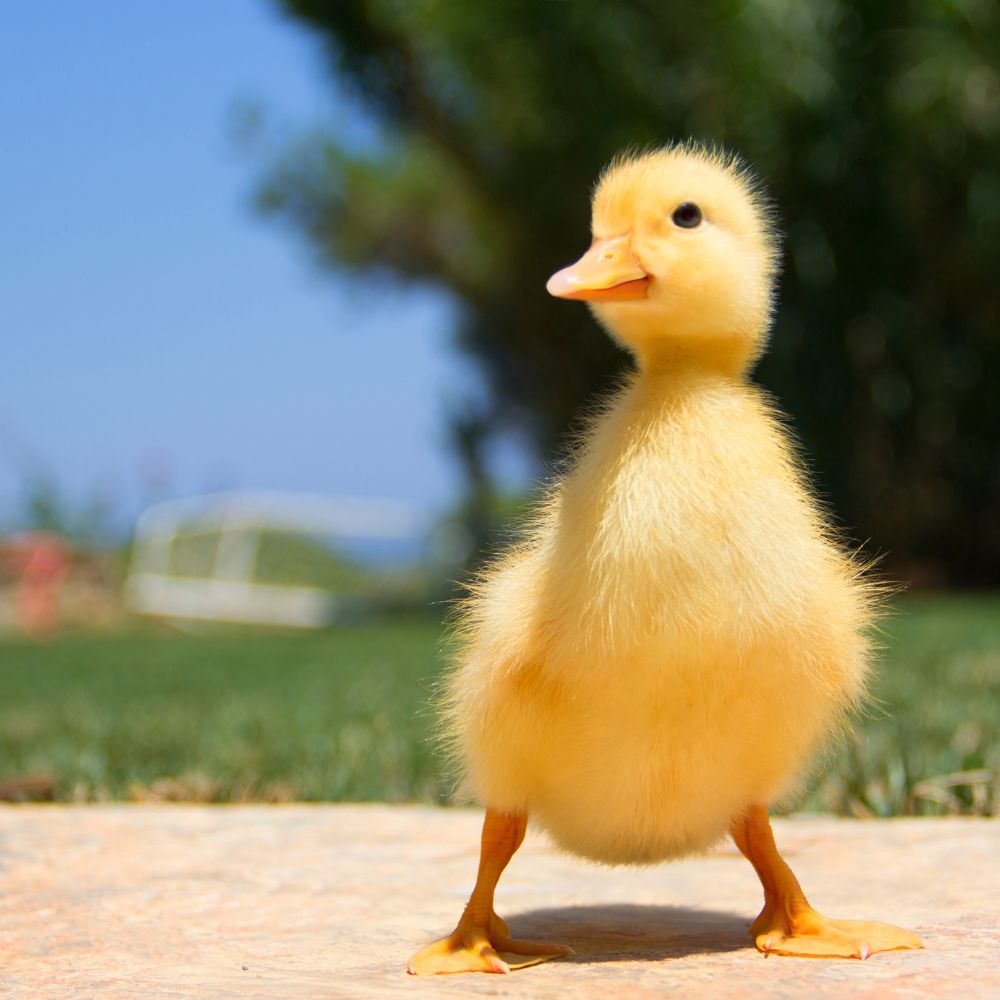
Adorable yellow duckling with blurred background

What Do Baby Ducks Eat – Ultimate List

Adult backyard ducks can eat a wide variety of food, but your baby ducks should have a very specific diet from the time they hatch until they’re fully feathered. Baby ducks eat duckling starter, vegetables, fruits, and protein like dried insects (mealworms, black soldier fly larvae, etc)!

Feed for Day Olds – 16 Weeks Old

Of course, you can feed the occasional treat or mealworm, but the basis of your baby ducklings’ diet should be a starter/grower feed that’s formulated specifically for ducks.

Unlike chicks, ducklings need an extra “dose” of Vitamin B (specifically niacin) for their bones and bills to grow correctly. Without it, your ducklings might end up with crooked legs and/or bills that curve up and do not close correctly.

Most duckling feed on the market contains that extra booster of Vitamin B.

If you don’t want to buy extra feed, you can purchase a chick starter and easily add extra niacin to their diet with brewer’s yeast. Just mix it with the starter feed – 1 pound of brewer’s yeast per 40-pound bag of chick starter is fine.

(The brewer’s yeast we sell in the store here is formulated for ducklings, and it contains oregano, echinacea, and garlic – herbs traditionally used to support healthy immune system functions. It’s packed with lots of good stuff!)

What Fruit Can Ducks Eat? 8 Fruits You Can Feed To Ducklings

As a treat when they’re fully feathered, or if it’s very hot and you’re worried about them staying hydrated, you can offer fruit. Yep, ducks LOVE fruit. For baby ducks, you’ll want to cut the treat very small and float it on the water so they can easily reach and eat it.

Fruits contain a lot of natural sugars, so you’ll want to feed them sparingly – but get ready to hear lots of happy quacks!

Some fruits baby ducks can eat are:

  • Tomatoes (only the flesh because the vines and leaves are toxic)
  • Pears (mash them up)
  • Apples (the flesh – not the seeds. You’ll also want to mash them a bit to make it easier for your ducklings to consume them.
  • Bananas (mashed is best – flesh only, not the skin. You can use the skins in your garden)
  • Peaches (just the flesh – remove the stone)
  • Cherries (remove the stones)
  • Strawberries
  • Berries (strawberries, raspberries, blueberries, etc)

A common question is can ducks eat pumpkin? Yes, they can! They love it!

Vegetables & Leafy Greens

Oh my, do ducks love their leafy greens! It’s always best to float them on water, and tear them into smaller pieces.

Ducks don’t chew their food, and you don’t want long strands of grass or other goodies getting caught in their digestive systems.  This is important whether your feeding young ducklings or mature ducks.

Some veggies and leafy greens that ducks love are:

  • Cut grass (that hasn’t been sprayed with chemicals)
  • Kale
  • Swiss chard
  • Radish & turnip greens
  • Lettuce & other salad greens
  • Cucumber
  • Peas

Consider creating a garden just for your ducks – the greens are pretty inexpensive to grow and will supply your flock with an extra amount of food, pretty much for free.

Mixed leafy greens with all white background

Dairy Treats

You can start feeding these treats when your baby ducks are at least 12 weeks of age. When they’re day olds, it’s better to not feed these treats. I’m not the biggest fan of feeding dairy to ducks, but the items on this list won’t hurt them.

Note that dairy might cause their poop to be more stinky. If that happens, stop offering dairy immediately.

  • Whole milk plain greek yogurt (great to add extra probiotics to their digestive systems).
  • Cheese, especially cottage cheese. If you feed regular cheese (cheddar for example), it’s best if it’s shredded. That way, your ducks can easily swallow it.

Protein

This is also a good go-to “what to feed baby ducks in an emergency” food list.

A common question from first-time duck owners is “Can I give my ducklings treats?” In short, yes!

It’s always a good idea to offer high protein treats. In fact, if you want to give your baby ducks something besides their feed to snack on, dried insects such as black soldier fly larvae or dried shrimp are the best option. Ducks LOVE dried shrimps – they float on water, are easily digested, and ducks LOVE to filter through their water to snap them up.

Some other high-protein treats you can feed baby ducks are:

  • Mealworms and Bloomgrubs
  • Crickets
  • Eggs (boil and dice – leave the shells off. Too much calcium can cause problems with young poultry)
  • Dried shrimps
  • Black soldier fly larvae
  • Superworms (extra large mealworms)
  • Darkling beetles

Remember ducks aren’t chickens – they have round bills that don’t pick as easily as hens’ beaks. So, it’s best to float treats on water so your ducklings can easily dig them up.

Before deciding what treats you’ll offer your ducklings, consider their age. The last thing you want is for your fluffy butts to choke!

Larger treats like black soldier fly larvae or chunks of pumpkin might be harder for hatchlings to swallow.

Treats (anything other than duckling starter) should be no more than 10% of a duck’s daily diet. Remember that treats can change the way a duck’s poop looks: either in color, consistency, or odor – so monitor what and how much you are giving them.

Can A Baby Duck Survive On Its Own? Can Ducklings Survive Without Their Mother?

Yes, a baby duck could survive on its own in the wild (and definitely with a human mama). Ducklings walk soon after birth, and automatically know to start looking for food – and know it’s food when they see it!

They’ll also try to “taste test” everything from your fingers to shavings, to actual food!

That being said, ducklings DO have some special needs. For example, ducklings are born with down, and need to be kept warm until fully feathered.

In the wild, they need their mother’s protection to keep them safe and they require warmth to regulate their bodies. Their mother helps them stay warm.

In captivity, we have to provide a heat source until they have feathers. Luckily, ducklings grow VERY fast.

Ducklings in general are easy prey for predators such as foxes, weasels, snakes, skunks, raccoons etc. They have no defenses against these scavengers – they can’t even run that fast. So, you need to make sure your ducklings are kept in a very safe brooder and coop.

Can Baby Ducks Eat Bananas?

Yes! If you’re wondering “what do baby ducks eat?” One answer is BANANAS! Like berries, melons, seeded fruits, and pit fruits will have your pet ducks bouncing with joy. Just make sure to mash them up so their tiny bills can dig in.

Close up of a variety of mixed fresh berries

Can Ducks Eat Chicken Feed?

Adult ducks can as layer feed has all the nutrients they need. Baby ducklings, however, should eat a starter that’s specially formulated for them. Ducklings require a lot of niacin for proper bone and bill growth, and most chick starters do not have enough.

If you have chick starter on hand, you can increase the niacin by adding brewer’s yeast. Add 1 pound of brewer’s yeast per 40 pounds of chick starter. You can buy brewer’s yeast for ducklings here.

Can Ducklings Eat Strawberries?

Yes! They can – just be sure to chop them into small bits and mash them. They’ll make your baby ducks happy all day long!

Can Ducks Eat Scrambled Eggs?

Yes, ducks can eat scrambled and boiled eggs. For adult ducks, you can include eggshells (which provide extra calcium). For ducklings, leave the eggshells out. They’ll be too hard for your tiny pets to eat, and too much calcium can inhibit organ growth.

Can Ducks Get Lonely?

Ducks are very social animals – they do feel loneliness, isolation, and grief just like us. They love being part of a flock! It’s important to never leave a duck alone or caged for too long as it can cause them to be emotionally unhealthy.

Can Ducklings Drink Milk?

Yes, but it’s not the best treat to give them. They mustn’t eat too many dairy products. Opt to give them leafy greens, dried river shrimp, or other treats instead.

How Long Can Ducklings Stay In Water?

They can stay in water for short periods as long as it’s a warm day (above 80 degrees). Do not put them in water if it’s below 70 and they aren’t fully feathered – you’re asking for trouble.

Also be sure to give them an easy way in and out of the water, such as having a ramp in the water. If they get cold, they need to easily leave the water.

Can Ducklings Eat Cucumber?

Yes, ducklings can eat cucumber. Just be sure to dice them into very small pieces or grind them up. Ducklings love vegetables!

Can Ducklings Eat Oatmeal?

Yes, they can eat oatmeal (uncooked; rolled, or quick). However, it’s best to feed them duck starter instead. Oatmeal is yummy, but it doesn’t have all the nutrients they need. If you’re stuck, and oatmeal is all you have on hand, then it’ll be fine for a day or two.

You can also offer cracked corn, wheat, and barley.

Can Ducklings Eat Grapes?

Yes, ducklings can eat grapes as long as they’re mashed. Be sure to remove seeds and skins before feeding them to your ducklings.

Can Ducklings Have Tomatoes?

Yes, they can eat tomatoes. Just make sure they’re mashed, and only feed the tomatoes – not the leaves or stems.

Can Ducklings Have Blueberries?

Yes – ducklings LOVE blueberries! Just be sure to mash them, and don’t feed too much – otherwise, your ducklings might get the runs!

Summary

As you can see, there are plenty of foods your baby ducks can eat! Although they can survive on just feed, they will be much happier if they get a variety of foods. Not only that, they will be healthier for it. So have fun treating your quackers!
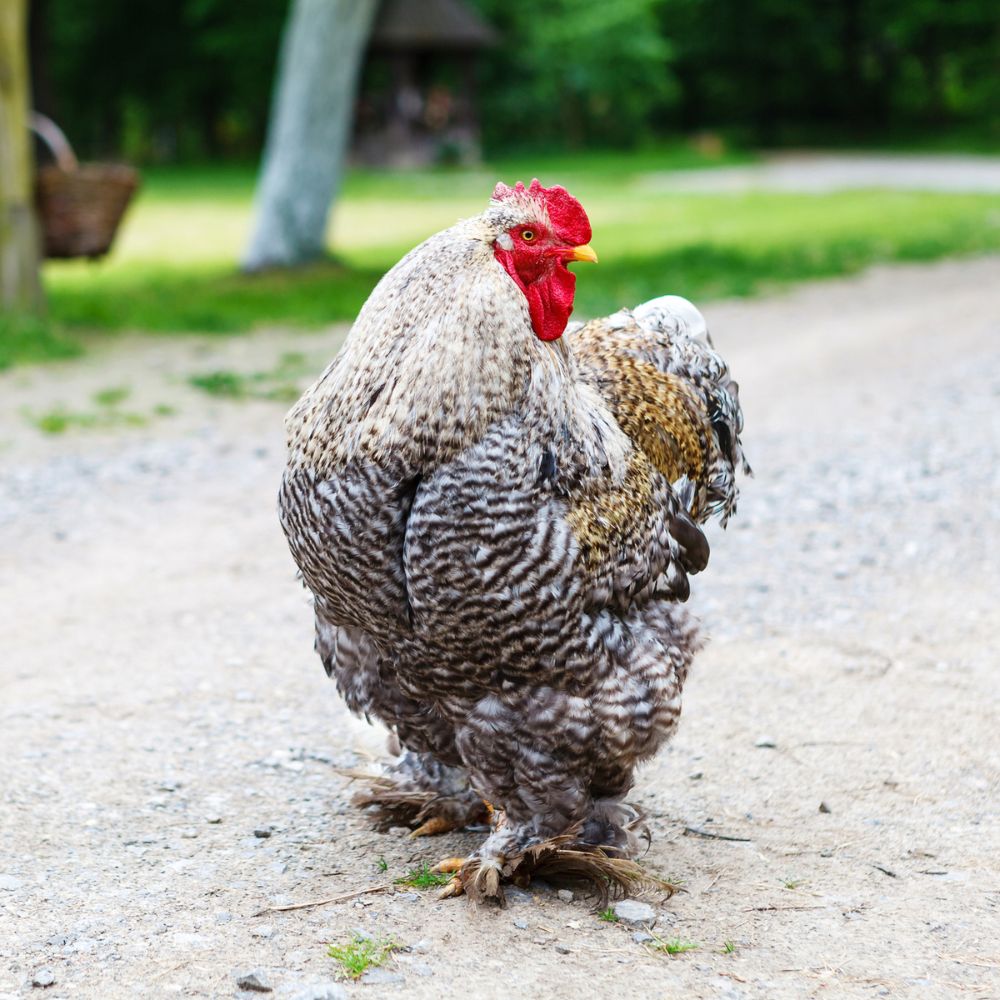
Hey y’all! Here’s this week’s sneaky peek photos of life on our farm!

These images also appear on my Instagram account where I share MANY more photos and stories from the farm!

If you aren’t yet following me there, you can right here.

Enjoy the photos & be sure to share some of yours with me!

https://www.instagram.com/p/BuhaBBolqdq/

https://www.instagram.com/p/BukUwe6lunl/

https://www.instagram.com/p/Bum5XtrFJEB/

https://www.instagram.com/p/BupjnYOlqwM/

https://www.instagram.com/p/Burn2ybFbt6/

https://www.instagram.com/p/Buu0AMbFjb4/

Be ready to fall in love with a big fluffy, friendly mass feathers when you start raising Cochin chickens! Whether you raise the full-size version or a bantam cochin chicken, you’re sure to have a new best friend!

We own several cochin chickens, including 2 bantams, and they’re the friendliest, cuddliest chickens in our flock.

In this article, you’ll discover everything you need to know about these wonderful types of chickens, including what colors they come in and how to raise them so they’re happy!

Cochin chicken posing with blurred background

What are Cochin Chickens?

You’ll know it’s a Cochin chicken you’re looking at when you find most of its body covered in feathers and fluff – even hiding its legs. Yep – Cochins have little “bell bottoms” of feathers that swoosh as they wander around your yard! Not only that – they also have feathered feet! Adorable.

It’s technically a love/hate relationship with the Cochin’s abundance of feathers –  I love that it makes them look fluffier, but you’ll soon find that after it rains, their feathered feet have a tendency to get clumped with mud (I kind of hate that part). It makes them look so dirty! (Although not as soaked and pathetic as my silkie chickens – who just look miserable with their thin, downlike feathers!)

The feathers on their tails are short and quite uniform with the rest of their body feathers that give them a rounded heart silhouette – perfect!

Cochin Appearance Details

Aside from their fluffy feathers that cover their legs and feet as well as their bodies, here are some more details.

Traditional-size cochin chickens are very heavy birds that can weigh up to 8-11 lbs when mature. If you raise them, you just might find a giant cochin chicken in your flock!

Cochin chickens have 5-point single combs, red wattles, and red earlobes (that become very red when they’re mature) – they’re beautiful. Their friendliness comes across physically with their warm, golden yellow eyes.

A fun fact about Cochin chickens is that the color of their beak varies from yellow to black. The rule is, the darker the bird, the darker the beak.

Other Types of Cochin Chickens

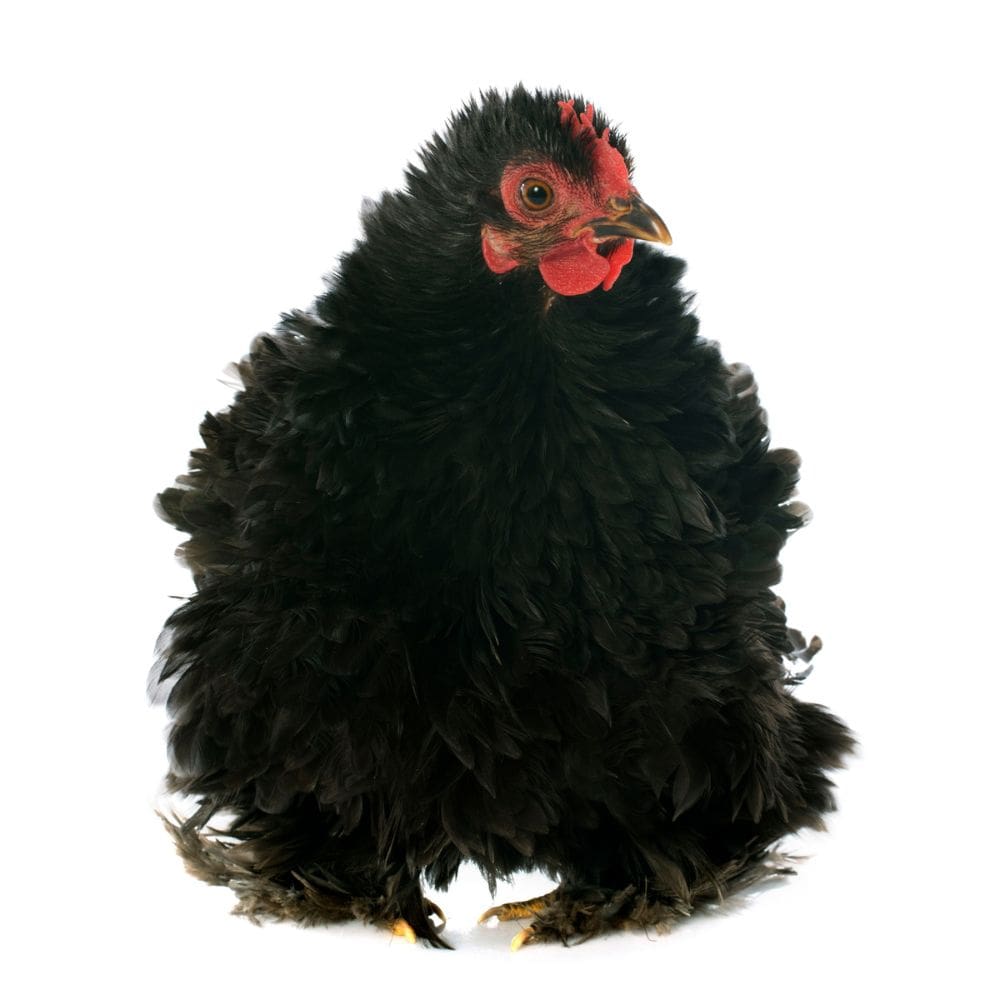
As you search breed catalogs, you might find Frizzle Cochin chickens. These are an extra lovely variety of the breed. The frizzled feathers are a result of genetics, but no one really knows where the gene comes from (probably an abnormality several generations back).

Frizzled feathers make beautiful chickens and there are actually several breeds that come in the Frizzle variety (not just Cochins). While they are lovely and irresistable, the Frizzle feathers are delicate, and if not taken care of, it can result in baldness.

There’s also a bantam variety of cochin chickens – and the bantams are tiny (about 2 pounds), and very friendly and cuddly!

One last word in this section, you might confuse Cochin chickens with Brahma chickens. They both have fluff covered legs and feet. Brahmas are a pretty cool breed too. Check them out in this article called Brahma Chickens: What To Know Before You Buy!

Black Cochin Frizzle chicken on all white background

Breed History

This chicken breed is undeniably good-looking. It was fitting to be a gift to a queen after all!

Coming all the way from China, it reached English soil in the 1800s when Captain Edward Belcher thought it would make a great gift to Queen Victoria – and he was not wrong.

The queen was instantly in love with the exotic bird and called it “Cochin China Fowl,” according to National Geographic. Soon after, all the rest of the British Isles got Hen Fever (so to speak). The hype soon reached the Americas during the Boston Poultry Show of 1849.

Eventually, every backyard had to have an exotic Cochin! Okay, maybe not EVERY backyard, but you get the drift.

Personalities and Temperament

Cochins have wonderful personalities! They can be human-friendly, kind, and calm (basically lap chickens). That is unless they’re broody!

They are easy to handle most of the time, but their motherly instincts can get the best of them. They become protective when they take care of chicks, even when it’s not theirs! So…are Cochins broody? They can be! In fact they can rate pretty high on the broodiness scale.

Cochins are also very lazy chickens. You’d find it entertaining sometimes when you watch them eat all day – because that’s what they prefer to do mostly. They do not mind being confined if they are fed and have environmental entertainment (like suet cakes or other toys). When they’re free-ranged, don’t be surprised if they’re hanging by the chicken feeders!

Our bantam hens are pretty lazy too – although they LOVE their chicken swing! They could hang out there all day if the roosters would leave them alone long enough! It’s also where they sleep.

They do love being around people and are great as pets for children.

Cochin Chicken Colors

The American Poultry Association (APA) varieties/colors of the Cochin chicken. You will be able to find this breed with feathers in the following colors:

  • Red
  • Blue
  • Brown Red
  • Silver Laced
  • Partridge
  • Buff
  • Brown
  • Birchen
  • Columbian
  • White Cochin Chickens
  • Black
  • Mottled
  • Lavender
  • Barred
  • Golden Laced Feathers

And that’s just the “standard” Cochin chicken. There is also a Bantam Cochin chicken breed with 16 color varieties. The original of these varieties is the buff Cochin chicken – which is the variety we have on our farm.

Fun Cochin Color Facts

Lavender Cochin chickens have an ashy color that must have been derived from genes of the white, blue, or black Cochin chicken.

Of the Cochin chicken recognized variety, it’s far easier to get the correct color of white Cochin chickens compared to buff and partridge ones.

You can’t be careless when it comes to keeping the whiteness of the white Cochin too. You have to stop feeding them maize and grass when the chickens molt. The pigment affects the color of their white feathers, and you can end up with cream-colored ones.

To produce correct color and markings, partridge Cochin chickens require double mating.

Cochin Chickens Egg Production

Do Cochin chickens lay eggs?

Like a lot of larger breeds, Cochin chicken egg production is not that robust. Historically, Cochins are mostly bred for their meat and ornamental uses – not for their egg-laying ability.

Similar to other large chicken breeds, Cochins only lay about 150 – 180 eggs a year. Cochin chicken eggs are brown and on average, they’ll give you 2 small to medium eggs per week. But hey, it’s a pretty bird who does lay some eggs!

You also might find in the hottest days of summer, your hens stop laying. Lastly, they generally do not lay eggs for as many years as some breeds – probably only about 2 to 3 years.

At What Age Do Cochins Start Laying?

Cochins are slow to mature and start laying at 8-9 months, not the standard 6 months like most egg-laying breeds (4 for Leghorns and production hens). Even our bantams took a while to start laying! Again, this breed is mostly kept for ornamental reasons these days.

How Long Does It Take for Cochin Eggs to Hatch?

Like any other chicken egg, it takes approximately 21 days for the eggs to hatch. You can use an incubator to hatch chicken eggs or a Cochin hen herself (if she’s gone broody).

You don’t need to worry about the chicks, they are stronger than you may think! Plus, with a broody mama around, they’ll survive.

How Long Do Cochin Chickens Live?

When given good quality feed; a warm, safe chicken coop; and proper veterinary care, Cochins can live quite a while. They make remarkably good pets and a pet Cochin should live between 5-8 years.

Cochin rooster and hen standing on earthy ground

How Many Toes Do Cochin Chickens Have?

Hidden under their fluffy feathers are 4 toes. Sometimes the middle toe and the inner toe play peek-a-boo with you!

Are Cochins Cold Hardy?

The traditional version of this chicken breed is protected from the cold by its feathers and its large, sturdy body is made for winter. However, if the chickens have frizzle feathers, you might find they won’t be capable of holding heat or blocking the wind – so extra precautions will be necessary.

The bantam variety does well in winter – however, because they’re so small, extra precautions should be made to ensure they don’t get wet and cold.

Can Cochin Chickens Fly?

Because of their size, regular-sized Cochin chickens do not fly, which makes them a favorite for hobbyists. They can be contained in a low-fenced chicken run, (made from chicken wire or hardware cloth) and don’t do much roaming or free ranging.

The bantam variety loves being around people, and you might find them flying up to sit on your shoulder (mine love sitting on my head). The bantams can fly quite well, but they’re homebodies and are less likely to fly over to the neighbors. However, their flying ability serves them well – they can get up high and stay safe from predators!

How to Care for Cochin Chickens

  • Provide plenty of fresh, clean water
  • Ensure they have high-quality, high-protein feed like this
  • Reduce the possibility of lice, mites, and parasites with herbal dust baths (which they are very susceptible to because of their extra fluffy feathers)
  • Ramp up their protein and vitamin intake to give them overall good health

Where to Buy Cochin Chickens

Today, Cochin chickens aren’t that common in every household. BUT, they also are not considered rare.

You can find them easily at your local farm store (like Tractor Supply, which is where I found my Cochin bantams) or a Cochin chicken hatchery. You can also find Cochin chickens for sale online (check Facebook Groups for local breeders) and even be shipped to your doorstep.

I often purchase my chickens from Cackle Hatchery because it’s near our farm and has high-quality chicks. They ship chicks and only have a 3 chick minimum. You can read my review of Cackle here.

There are lots of hatcheries out there, however!

Summary

So, are Cochins the right chickens for you? If you are like me and many other seasoned chicken keepers, then the answer is yes and you can do the chicken math.

If you are new to chickens and haven’t taken Chicken Math 101 – let me fill you in on the Cliffnotes. Yes. You always want more chickens. Yes. You always want to add a new breed to your flock.

All joking aside, if the details of this breed fit what you are looking for, then give it a try! This is a truly fun breed.

Building a chicken coop – or at least providing a safe home – is a task we take on the moment we bring home chickens for the first time.

With a such a huge task like this, it’s easy to get overwhelmed – especially after you realize that your new feathered friends are a meal for hungry predators.

In this article, I’ll take you step by step and answer all your “how to build a chicken coop” questions.

Whether you’re using small or large chicken coop plans, or if you’re adventurous enough to tackle a walk in chicken coop, we’ll give you enough details so crafting your chicken house is easy peasy.

Build A Chicken Coop & Keep Out Predators In 11 Easy Steps

  1. Choose chicken coop plans that allow at least 10 square feet of space per chicken. It’s okay to alter them for your needs.
  2. Your ideal coop should also be at least 8 feet tall so you can easily clean the coop
  3. Add roosts at least 6 feet off the ground so your chickens are protected at night
  4. Before building, decide on a location – it should be partly shaded if you live in a warm climate.
  5. You can use recycled materials or new.
  6. Screws make it easier to correct mistakes, and are stronger than nails. Use an electric screwdriver or nail gun to speed up building a coop.
  7. Add an automatic coop door so your chickens are safe at night
  8. To keep them safe from predators, the run should be at least 8 feet high, and made of hardware cloth or chicken wire.
  9. Secure chicken wire with industrial staples or screws and washers.
  10. Add chicken wire underground to prevent predators that dig.
  11. Add 1 nesting box for every 3 chickens (more on this below)

How Much Does It Cost To Build A Chicken Coop?

Chickens are incredibly low maintenance. You can build a coop for free using reclaimed materials, or spend $5000 and up (especially if you’re using chicken coop plans for 12 chickens), depending on the size, features, materials, and furnishing.

It goes without saying that building a DIY coop would likely be more cost-effective, especially when using recycled materials.

You’ll need to buy:

  • Wood
  • Nails or screws
  • A hammer (or nailing gun, which is what we use)
  • Roofing materials (using corrugated tin makes it easy and creates a nice finished product, but you can also use wood and shingles)
  • Flooring, depending on whether you’ll have a floor in your coop or not.
  • Circular saw for cutting wood
  • Chicken wire or hardware cloth for windows and the run

Of course, you have to assess your strengths and capabilities in handling power tools too. You wouldn’t want to lose a finger, right?

Pallets are also a free way to build a chicken coop (just make sure they’re safe to use). You can get these from local businesses (just be sure to ask whether you can take them).

You can find a lot of inspiration about how to build a chicken coop out of pallets with my free plan ideas here.

Do Chickens Need a Coop?

While the idea of having chickens roam around your backyard day in, day out is what dreams are made of, you’re not the only one watching your hens.

Chicken predators are a big issue when it comes to taking care of our flocks.

Quite at the bottom of the food chain, our fluffy butts are hunted by animals morning to night, both from the air and land, and from the water if there’s an alligator swamp nearby.

Aside from that, chickens also need a place to stay in during the cold winter months and during inclement weather. Nothing is more dangerous to your flock’s health than the cold and damp!

You can find different free chicken coop blueprints and plans with hen houses for flocks as small as 2 and even specific chicken coop plans for 6 chickens online – so there’s really no excuse to not build a chicken coop for your feathered friends.

You can find 55 free small and large chicken coop plans here.

How Much Room Do Chickens Need In A Coop?

The rule of thumb is 10 square feet of space per chicken, although more is better. This is true whether you’re wondering “how big should a coop be for 20 chickens?” Particularly since chickens will poop everywhere, and soon you’ll have a mucky mess in your run. The more space they have, the less they’ll scratch their area to dirt.

Exercise is important for chickens and it’s not really in their DNA to stay indoors and knit. It’s part of their personal care to spend time and figure out how to peck a worm from the ground!

Do Chickens Need To Free Range?

This is a common question, and can help you decide how big to build a chicken coop for your backyard. While chickens would love to free range and get supplements to their diet from mother nature herself, there are a few issues with safety (i.e. foxes and coyotes). Also, your hens might decide to hide their eggs if they’re allowed to free range for long periods.

Plenty of chickens are happy living in their coop and run full time, and so you should build a coop and run that’s large enough to safely house your flock full time.

Do Free Range Chickens Need A Coop?

Free range chickens need a run for training, management, and bad weather (and even shade in hot weather). Even when free-ranged, you still want your chicken to roost and lay in one place. Ideally, that would be a chicken coop with a run – and learning how to build a chicken run is no different than building a coop.

How To Build A Chicken Coop Out Of Pallets?

You’ll find that tackling chicken coop plans for 50 chickens can be scary to the pockets.

But not if you find the right materials! Pallet wood can be recycled into a cute coop, especially since they’re made from lumber that’s designed to be a sturdy transport structure.

Thinking of using these materials to build your chicken coop is not a crazy idea.

You can break the pallets down and start building the chicken coop based on the design that you chose. You can resize the pallet, or keep them the way they are for a rustic, shabby-chic look.

How Many Chickens Can I Fit In My Coop?

A frequent questions I get is “How many chickens can you put in a 4×8 coop?”

There are a lot of websites advertising that 4ft x 8ft coops can house 15-20 chickens. This isn’t really true. Your chickens should have about 10 square feet of space per hen. So, a 4×8 coop with be comfortable enough for 3 normal size birds (araucanas or speckled sussex chickens) and 4-5 bantam silkie hens. It wouldn’t be large enough for larger breeds like brahma chickens, though.

Just remember that these are general guidelines – what YOUR coop needs depends on the individual personalities of your fluffy butts. However, as a general rule, chickens like space, and the more, the better. Like every other animal, they have different personalities so personal space is important.

Bantams require less space compared to heavy breeds. Try to take the size of the breed into consideration when wondering “How big should a coop be for 20 chickens?” or more.

Here’s some other common questions:

What size of coop do I need for 10 chickens? – Ideally 100 square feet.

How much room do you need for 12 chickens? – 120 square feet is best.

What size coop do you need for 6 chickens? – 60 square feet so they have enough space.

What size coop do I need for 8 chickens? – 80 square feet is ideal.

How Tall Should My Chicken Coop Be?

Realistically, you’ll need to clean your chicken house– right? So, it’s best if you can easily get in and out of a walk in chicken coop. In other words, your coop should be tall enough that you can walk inside. Additionally, you’ll want your chickens safe from predators, right? The taller the better – your chickens will roost at dusk, and they’re less likely to become a meal for a predator if they’re 5-6 feet in the air.

What Should Be Inside A Chicken Coop?

At a minimum, you’ll want chicken feeders and waters, nesting boxes, and roosting bars. Adding bedding such as shavings, hay, or straw on the floor helps provide a clean living area. You can also include toys, a droppings board (to make manure clean up easier), and even a roll away nest for easier egg collection.

You can get a full list here.

How Many Nesting Boxes Does A Hen Need?

When building your coop, a good general rule is 1 nesting box per 3 hens. However, you’ll find that your hens will all likely lay in the same box, and they might even fight over them!

How Many Nesting Boxes Do I Need For 20 Chickens?

Based on experiences in the farm, 6 boxes would be enough for 20 chickens. They might only use two of those and making one nesting box for each hen is overkill.

You can find out more about nesting boxes in our article here.

How Do You Clean A Chicken Coop?

Want to do it right? I have a full article here (and all-natural coop spray recipes here and a coop refresher recipe here). Here’s some additional tips!

  • Use a garden hoe for roosting bars – chicken poop all the time when sleeping. Run the hoe over the bars and you’ve got a clean slate!
  • The hoe magic also works for nesting boxes. Pull out whatever material you used as a bedding with the hoe. Replace with bedding and don’t forget your nesting herbs!
  • A rake, stall pick, and a shovel will come in handy for the floor. Dried poop can be as tough as concrete so be prepared with your muscles. You can use a hose to soften it up too!
  • Vinegar can be a friendly cleaning agent. After scraping everything, slosh pure or diluted vinegar and brush. Rinse and air dry!
  • DO NOT use chlorine or bleach – it will mix with the ammonia in your flock’s urine. You’ll then create a very dangerous gas! It’s best to stick with all natural solutions for cleaning your coop.

As stated before, you should build a chicken coop tall enough so you can easily clean it.

How Long Can You Leave Chickens In Coop?

It’s safest to leave them in a coop with enough food and water for no more than 24-48 hours in temperatures less than 70 degrees F. Over 80 degrees F, it’s not safe to leave them locked in a coop at all because they might get heat stroke or suffocate.

Chickens have a mind of their own and are quite self sufficient. However, we’ve taught them to rely on us for food and water. And the longer they’re locked up, the more likely they’ll develop bad habits and respiratory issues from urine and dust.

If you’re planning a vacation, it’s best to call a chicken sitter to look after your feathered babies!

How Do I Keep My Chickens Warm In The Winter?

If you plan to build a chicken coop, you’ll want to make sure it’s warm enough during freezing temperatures. There are some effortless steps with big-time effects that you can do to keep your chickens warm during winter months.

  • Close the gaps – make sure that there are not drafts to minimize wind chill. Check gaps every year especially when the coop has been their shelter for more than 5 years.
  • Petroleum jelly against frostbitewattles and combs are susceptible to frostbite. A great way to prevent this from happening is using grandma’s answer to all your problems – PETROLEUM JELLY. Cover these areas and they’ll be safe.
  • Let them cuddle – Chickens roost together. They share and generate heat this way. Giving them enough space to roost together would keep them warm. Also make sure that it is at least a feet above the ground to prevent contact with the cold ground.
  • Deep litter works! – This isn’t just about not cleaning the litter. Deep litter bedding is a well managed process that if done right would add to the heat the chickens need. What you have to do is to sprinkle tree shavings like pine or other organic matter over the floor. Use a rake to stir it. Regularly top up with shavings. Once the litter forms a compost layer, it will help insulate the coop. Also, the compost has good microbes that eat the bad bacteria from the litter.

Hopefully this article has given you lots of ideas to build a chicken coop and keep out predators (without getting completely overwhelmed by the process). Have a question? Leave a comment below!


Web Analytics

Hey y’all! Here’s this week’s sneaky peek photos of life on our farm!

These images also appear on my Instagram account where I share MANY more photos and stories from the farm!

If you aren’t yet following me there, you can right here.

Enjoy the photos & be sure to share some of yours with me!

https://www.instagram.com/p/BuAUg8IF8bm/

https://www.instagram.com/p/BuDDO8mFW2Z/

https://www.instagram.com/p/BuFbty4FePx/

https://www.instagram.com/p/BuIQjn5luQy/

https://www.instagram.com/p/BuKTjSNlrYO/

https://www.instagram.com/p/BuM4Kcbl4fI/

Anyone who handles pet chickens knows how important chicken wire (also known as poultry wire), mesh, and netting are to keeping your flock well managed and cared for.

While we love our hens and think of them as part of the family, the truth is the rest of the animal kingdom views our fluffy butts as an easy meal or a toy to be played with.

It’s important to protect your chickens from predators – and that’s where a solid run built out of chicken wire comes in.

If you’re just starting out with backyard chickens or are building a new coop, this article is your guide to choosing the best poultry wire possible for your flock.

If you’re building a coop, chicken tractor, or run, then this is the best ¼ inch chicken wire we recommend:

What is chicken wire used for?

Chicken wire is a mesh made of of wire strands, and it’s used to keep hens inside their run. Without it, you might find chicken poop on your porch constantly, or a constant influx of predators trying to make a meal out of your pets. Chicken wire is made of thin, flexible, galvanized steel wire with hexagonal gaps. It’s relatively cheap and easy to work with, which makes it so attractive for coops. Sometimes it’s coated in plastic.

How much does a chicken wire fence cost?

The price for different types varies depending on the brand and the desired wire sizes. Cheap chicken wire is relatively easy to find, and you’ll pay roughly $.50 to $3.50 per foot, depending on how small the hexagonal holes are. Big box stores like Home Depot or Tractor Supply have 50 feet of ½ inch chicken wire on sale for less than $30. This is a small price to pay to ensure your fluffy butts are tucked in safely at night!

Basically, when it comes to chicken wire, you’ll pay for how tight the weave is (whether there’s ¼-inch holes or 2 inch holes) and the length. The longer the roll, the more it’ll cost.

You might be looking at all your choices and wondering “How much is chicken wire that’ll do the job right” – there are lots of options after all.

Most flock owners will want to go with chicken wire that has ½ inch holes – this is small enough that it’ll be tough for most predators to get through. It’ll also be stronger, and less likely to be bent out of shape.

Where can I buy chicken wire?

There are many places where you can buy chicken wire for sale, like your local hardware or poultry store, and most especially online. With simple searches like “chicken wire Tractor Supply” or “chicken wire Lowes,” you’ll find an array to choose from for your coop.

And don’t leave out the chicken wire Ace Hardware has that has a multitude of uses for all types of poultry!

Now with chicken wire, Amazon has lots of high-quality options, and these are some of the best we found on that marketplace:

What size is chicken wire?

Chicken wire comes in several sizes. Small chicken wire is ½ inch (that’s the size of the holes) while larger options come in sizes of 1 inch or 2 inch varieties. It’s also available in various gauges –  19 gauge to 22 gauge. The larger the gauge of galvanized wire, the stronger it is. It also comes in various lengths, from 10 feet to hundreds of feet.

How do you set up chicken wire?

Setting up chicken wire is fairly simple and all you need is a little bit of help and these tools to get the job done:

  • Wire cutters
  • Stapler
  • Tape measure

If you search online you’ll find many informative videos showing you how to set-up and install chicken wire. Most videos show you the entire roll of wire being straightened out; if you have a large area that’s a great idea, but what if you don’t need that much?

Simply unroll the wire to just beyond the desired length, hold the loose end down with something heavy so it doesn’t curl back up. At your chosen length, use your wire cutters to cut a piece about 2 inches longer than needed.

Once cut, fold in the cut edge about 1 inch at either end careful to avoid sharp edges. Then apply to the top of your frame and staple all along the top ensuring the wire is straight and firmly in place. Now do the same for the bottom edge pulling the wire taut. Once you have top and bottom done do the same for both sides while remembering to always pull the wire taut.

You will want to use an industrial stapler – not the same type of staples you use for paper. The stronger and thicker the staple, the less likely a predator can rip it down.

At the corners, you’ll want to trim the wire instead of turning the corner – this ensures the chicken wire won’t buckle and lay weirdly.

How do you nail down chicken wire?

If you don’t want to use staples, you can use nails to secure your chicken wire. Simply nail a 1×2 piece of lumber over the top of the chicken wire panel. Then fasten it to the post with galvanized nails or wood screws of the appropriate size.

Note that this is more difficult and less secure than stapling the wire.

You can also simply bend nails over the chicken wire to secure it. Hammer the nails into the wood part way, then hammer them so they’re bent and securely keeping the wire in place. Just know that this looks ugly and is more labor intensive than simply stapling the poultry mesh into place.

How do you keep chicken wire in the ground?

To keep your chicken wire firmly in the ground, simply place a few heavy rocks on the wire at the bottom of the trench and toss soil back into the hole. While not strictly necessary when building a coop, it’s a good idea to bury chicken wire in the ground to keep out predators. You can either bury it perpendicular to the ground or horizontally.

How far apart should fence posts be for chicken wire?

It’s best to space poles for fencing no more than 8 feet apart.

Does galvanized chicken wire rust?

Not typically. Galvanized chicken wire is usually rust and corrode resistant, especially if it’s been coated in plastic. You’ll find that your coop run will stay shiny and fresh looking for years!

What staples for chicken wire are best?

Poultry staples (not the kind made for staple guns) are best to secure your galvanized hardware cloth.

Is chicken wire predator proof? Can predators get through chicken wire?

It depends on the predator and the size of the holes. It also depends how securely the wire was attached to the wood run. If installed correctly, chicken wire should keep out most predators, even very aggressive ones like coyotes. It’s important to remember to always bury chicken wire to keep out predators that dig (like dogs and foxes). However, if it’s not been properly installed and a hungry bear wants to get to your flock, you’re likely out of luck. Predator attacks are one of the top reasons chickens stop laying eggs, or lay abnormal eggs.

Can raccoons get through chicken wire?

If it’s not securely attached, raccoons will try to pry it off or bend it enough so that they can squeeze through. They’re also great at sticking their fingers through chicken wire. In some cases, you might find raccoons can rip it apart. If this happens, then it’s better to go with hardware cloth, which is tougher and comes with ¼ in holes.

Can a fox chew and climb through chicken wire?

A nimble predator like the fox can scramble over a 6ft fence, jump up to 3ft, and dig under it. If foxes are an issue in your area, consider using hardware cloth instead.

Can skunks chew through chicken wire?

Just like foxes and raccoons, skunks can chew through chicken wire. Be sure to bury the fences at least 6 inches in the ground to avoid this. If you find skunks keep getting into your coop, then switch to hardware cloth fencing. Another thing to consider is choosing a chicken feeder and waterer that’s inaccessible to raccoons and skunks. 

When was chicken wire invented?

The chicken wire was invented in 1844 British ironmonger Charles Barnard, son of a farmer, Barnard wanted to help his father by finding a way to keep wayward chickens from fleeing the coop. He based his design on cloth weaving machines and soon established his firm Bishop & Barnard.

What is stronger than chicken wire?

The hardware cloth is considerably stronger than chicken wire because it is a wire mesh that consists of either woven or welded wires in a square or rectangular grid. It’s available in galvanized, stainless steel and bare steel. It is manufactured from a stronger gauge metal than chicken wire.


Web Analytics Made Easy - StatCounter