Alright, so sometimes it’s hard to remember everything you need to do for your chickens throughout the year. I get it.
There are so many things to remember and sometimes you just space important chicken care items.
So I’ve decided to create a monthly “To Do” list for all of my chicken owning friends out there!
Each month I’ll post an article about what you should be doing in your coop.
This is a great reminder of the things you need to do to help you ensure that your chickens are healthy and happy throughout the year (And it reminds me of all of the things I need to do in my coop too!)
So let’s get started with May!
My to do list for your chicken coop in May is:
- Double check temperatures to keep your chicks warm
- Double check your ventilation for cooler chickens
- Keep your coop moisture free for easier breathing
- Add herbs and treats to your chickens diet
- Lift waterers off the ground
- Add peppermint, garlic, lemongrass, and wormwood to nesting boxes
- Deter flies with dried lemongrass and/or citronella essential oil
Double check temperatures to keep your chicks warm
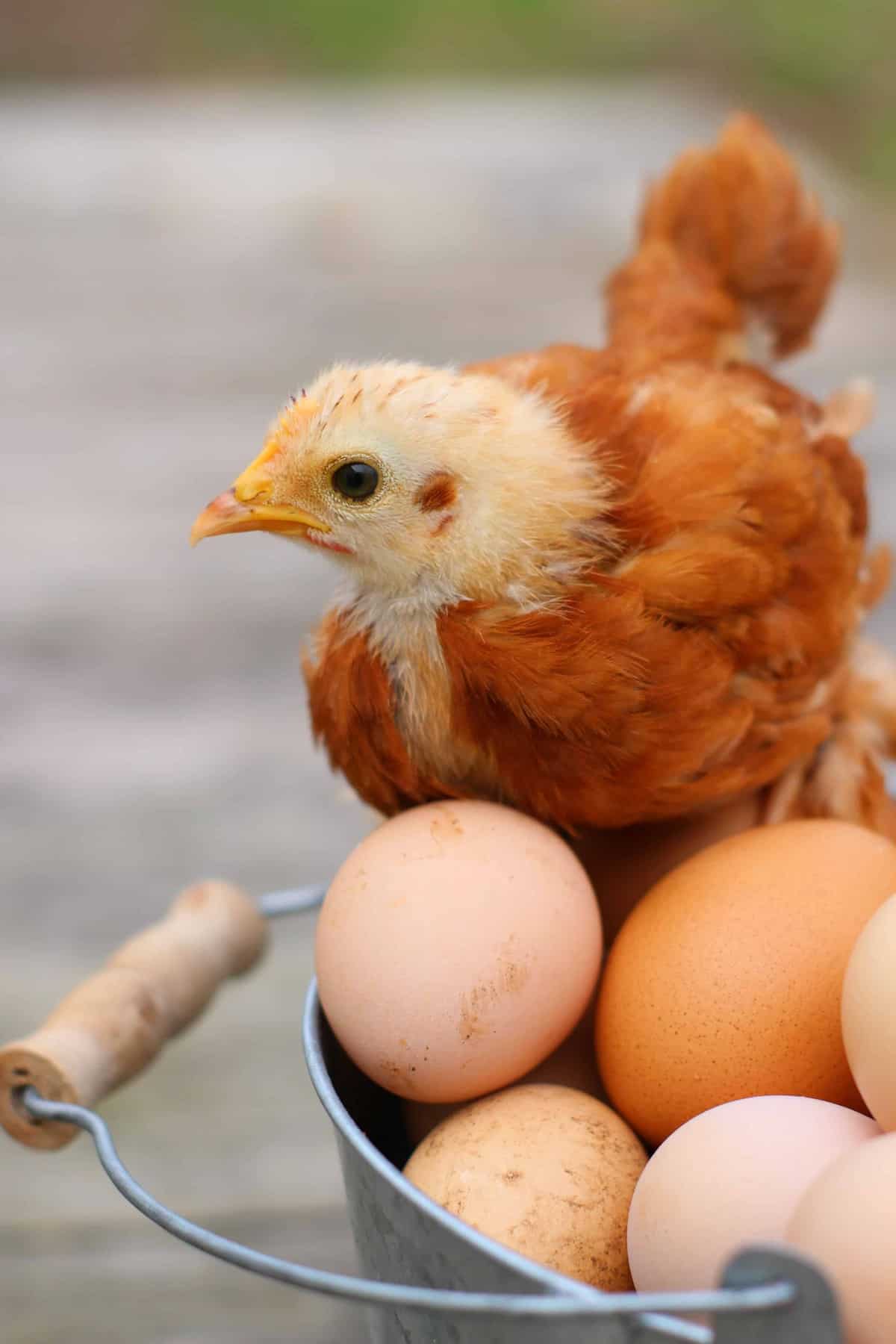
I love baby chicks. One of my favorite things to is bring home some new baby chicks in the spring!
However, you need to make sure that you keep your chicks warm during the spring. Chicks are fragile.
Since chicks are so little and aren’t fully feathered they’re much more susceptible to cold temperatures than your regular chickens are and they can’t regulate their temperature as well as full grown chickens can.
And although it might feel really warm outside to you, it’s a much different story for your chicks.
One thing I’ve noticed in the spring is that even though there are warm temperatures during the day, at night the temperatures can dip down pretty low (spring=crazy weather where I live, so I always expect the worst)
If you have chicks, make sure that your coop is still warm at night! If temperatures in your area dip below 70 degrees at night you need to take steps to warm up your coop for your chicks.
One thing you can do to increase the temperature in your coop is to add extra straw. The extra straw will help your chicks stay warm and toasty.
You can also bring your chicks indoors at night until they’re fully feathered. This is what I do. I don’t want to take any chances, so I just make sure my chicks are inside at night until it they are fully feathered.
You can tell how warm or cold your chicks are by watching their behavior, if they’re cold they will be huddled together, and if they’re not cold they’ll be roaming around doing normal chick things.
I recommend that you get a digital thermometer so that you know exactly how warm your coop is, so that you can keep your coop at the correct temperature for chicks.
If you want to know more about what you should do to keep your chicks healthy check out my raising chicks podcast.
Double check ventilation for cooler chickens
One of the things I highly recommend that you do in May is to double check the ventilation in your coop.
Proper ventilation is one of the most important things for your coop to include. It is critical for keeping your chickens cool during the hot summer months and it helps to prevent respiratory diseases and infections over the summer.
Chickens have a delicate upper respiratory system. And they poop ALOT.
All of the ammonia from the poop can build up in your coop over time and cause major issues for your chickens if you don’t have the proper ventilation in your coop.
If your chicken coop doesn’t have windows, consider making some by using a sawzall or reciprocating saw. If you add windows to your coops be sure to keep your flock safe from predators by adding ¼ or ½ inch hardware cloth to the window.
I love barn-door type shutters over the windows because it lets you close the window easily at night or during bad weather.
Keep your coop moisture free for easier breathing
So I love spring. It’s definitely my favorite season, but one thing you need to keep in mind for your coop is the extra moisture that comes along with the season.
All of the rain that you get in the spring is awesome for your flowers (April showers, bring May flowers right?), but it’s not too great for your coop.
When it’s wet, things can get nasty in your coop really fast. I recommend that you keep your coop moisture free by cleaning it every week using a non-toxic coop cleaner.
Add herbs and treats to your chickens diet
So making sure that your chickens are really healthy should be the top of your to do list every single month.
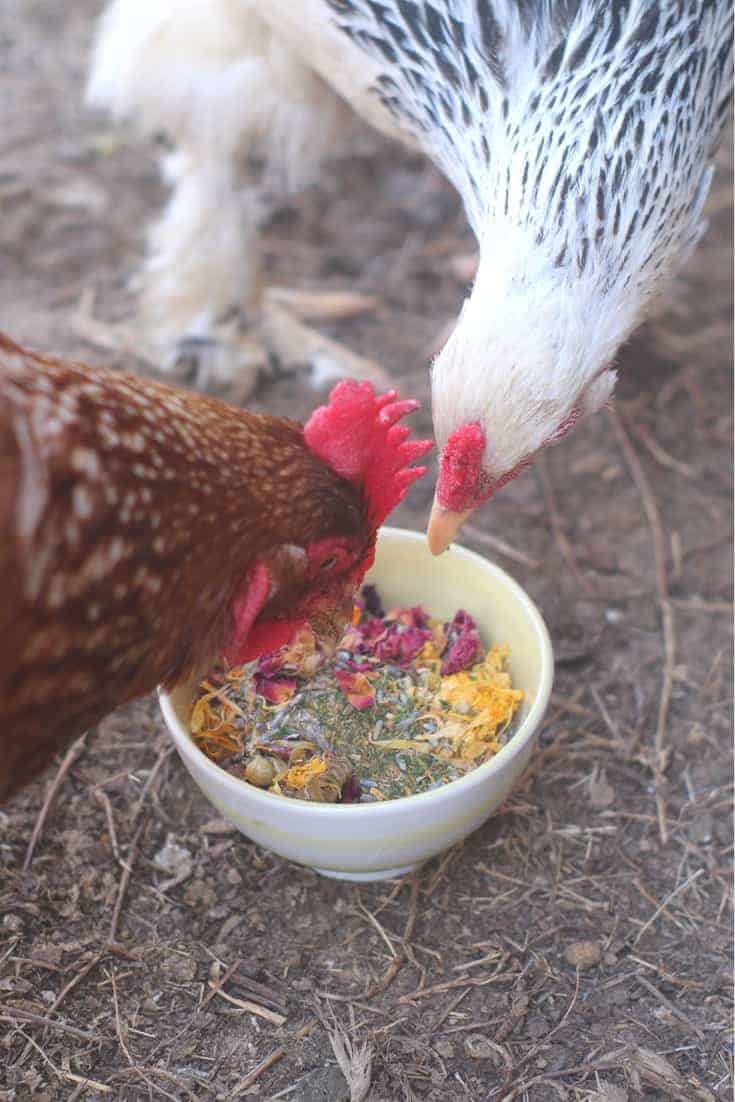
I recommend that you add herbs such as calendula to your chicken’s diet to keep them healthy (We carry calendula in the store right here).
You can also try out treats and herb blends, such as Best Eggs Ever! to help your hens lay healthy eggs. It keeps your chickens healthy, and you get delicious eggs! That’s a huge win-win!
Lift waterers off the ground
My next tip is that you lift your waterers off of the ground (you can do this with chicken feeders, too). During the summer, in my coop, there tends to be a lot more shavings flying around.
Lifting your waterers off the ground keeps dirt, dust, etc from splashing in to it. This way your flock has access to clean water as the weather gets warmer.
You can hang your waterer, or you can put it up on something, like bricks, so that you you reduce the amount of dirt that can get in to your chickens water source.
Having a clean water source is very important for keeping your chickens healthy, so make sure you lift your waterers off the ground! Check out our DIY automatic chicken waterer that we made for less than $12!
Add peppermint, garlic, lemongrass and wormwood to nesting boxes
As the weather gets warmer, the bugs start coming out in full force. And some of the worst bugs for you chickens are mites and lice.
Mites and lice are the worst! They can cause all kinds of issues for your chickens!
I recommend that you add peppermint, garlic, lemongrass, and wormwood to your flock’s nesting boxes and feed. These AMAZING herbs help to deter mites and lice, so your flock can stay healthy and happy!
Deter flies with dried lemongrass and/or citronella essential oil
One thing I recommend that you start doing before it gets into the summer months is to deter and keep flies, gnats, no see ums off your chickens.
These critters are not just annoying, they can impact your flock’s health (gnats have a way of harassing until your flock doesn’t know which end is up and can even kill baby chicks – yes, its true).
Add lemongrass to your flock’s coop (lemongrass has citronella in it, which helps deter flies) by spreading the herb itself around, or mixing it with cinnamon and peppermint, as we do in PestsBGone.
You can buy lemongrass in the store here and PestsBGone here. My brahmas, silkies, and ameraucanas especially love these!
If you like using essential oils, you can use citronella essential oil to your coop to deter flies – simply mix 1 drop with water and spray as needed. Citronella is the BEST for getting rid of flies in your coop!
If you start using citronella oil, lemongrass, and/or PestsBGone now, you can to prevent flies earlier on. It will make you life (and your chickens) so much better once the hot summer months (and the associated flies) come along!
There’s a lot of poop in a chicken coop and this attracts flies like CRAZY. You can read more about how to get rid of flies in your coop before the flies gets too bad.
What is your to do list for your coop in May? I’d love to hear about it! Let me know your tips in the comments below.