It’s that time of the month – time to show you my December ButcherBox! There’s so much greatness in this box, that to see it all, you should watch the video below!
My box was a little late this month, and when I reached out to them (they have great customer service), they said because of the holiday, they wanted to make sure my box was as fresh as possible, so it took a little while longer to get to FedEx – fair enough!
If you don’t know what ButcherBox is, it’s an organic & humanely-raised meat subscription box. You can get beef, pork, and/or chicken sent right to your door.
It’s sourced from family farms and ButcherBox makes sure that the animals are grass fed/pasture raised and they’re humanely raised and slaughtered.
I’ve been a customer for a while now, and every month, I show you what I got in my box.
If it’s a struggle to find healthy, organic, non-GMO meat in your area (it’s impossible here), then use this link to save $20 and get free bacon in your own ButcherBox!
They ship overnight or 2 days, packed in dry ice for maximum freshness. I get the all-beef box with a few add-ons, such as sugar-free bacon.
(I can make my own bacon, but I love the convenience of having it shipped to my door and not having to fight with my husband to start the smoker. We fight over the last piece of sugar-free bacon instead).
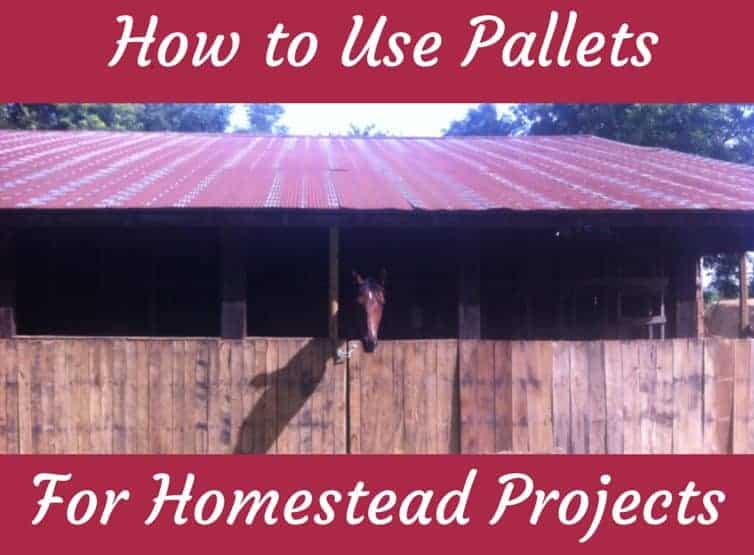
When we first started our farm, funds were tight, so I would scour free pallet barn plans for ideas about how to build the various coops, pig, and goat houses we eventually built on the farm.
While we didn’t always use pallets (see my free duck house plans here. I re-use a brand new aluminum shed we purchased for grain, but was toppled by a tornado), free pallet barn plans gave me a ton of ideas for reusing what we DID have.
Pallets have been so useful on our farm, we once went to a factory where they throw them out just to load up on 30 or so of them.
That was an interesting experience – we had permission because my husband had talked to some supervisor.
But we made the grand decision to go on New Year’s Day so we wouldn’t interfere with daily operations, and some employees were, well, let’s just go with a little confused about our presence. It all ended well, though.
We built barns and cold frames with the pallets – the same cold frames I show you how to make in my bestselling bookOrganic By Choice: The (Secret) Rebel’s Guide To Backyard Gardening.
If you’ve heard pallets might have harmful toxins in them, well, some do.
What to know before building with these free pallet barn plans
Before we get started with these free pallet barn plans, just know that you don’t need a huge area to build a barn. These are pallet barn plans for areas as small as a few feet up to farms that have many acres.
With these free pallet barn plans in hand, you’ll also want to make sure you have nails, a hammer, a crowbar, screws, and an electric screwdriver and drill on hand before you attempt any of these.
We’ve found that nails pop out easily, so I recommend using screws instead of nails. The crowbar will help to pry loose any panels that don’t want to come loose.
Raising goats? Here’s a great idea that’ll work for any livestock, goats included (might be a bit small for horses, though.) And this one only needs a few tools – clamps, drills and circular saw.
And how could I forget raising pigs in a pallet barn? Pigs don’t need fancy surroundings – a free pallet barn is good enough. If you have a bigger space at your farm, then this one is the one for you. I bet the pigs ripped up all that nice grass pretty quickly, though!
Hay Feeders
Hay feeders are great to make out of pallets also, and once you have the pallet disassembled, you can make it in under an hour. Be sure to read this article about how to tell if pallets are safe to use in DIY projects before attempting to make a pallet hay feeder.
Chicken Coops
But you may not need horse stalls – perhaps you want to make achicken coop with my free plans. Having this would be great if you’re raising many egg-laying chickens, and it’s easy to make.
Here’s another set of free pallet barn plans for a chicken coop. And you probably already have everything you need for this coop! Take a close look at these free pallet barn plans for additional coop ideas.
Free Pallet Barn Plans: Gates
We have quite a few pallet gates on our farm, and they’re sturdy, reliable, and have made it through several seasons. Highly recommend! Check out these free pallet barn plans so you can make a free gate.
Here’s another idea for wooden pallet gates and one that has 12 different ideas! And yes, we’ve even made pallet gates inside our house, especially when my son was young and wanted to get into everything.
Compost Bins & Trellises
Need a new compost bin? We’ve made those out of pallets also! It’s really easy to knock them together. Here’s free pallet barn plans for a DIY compost bin! Just add worms!
You might have thought about making trellises with pallets, and it’s easy and a good way to reuse something you’d otherwise toss. However, please make sure your pallets aren’t full of nasty chemicals. You could easily adapt any of these trellis ideas for pallets also!
Longing for the days when people used to grow their own vegetables through traditional sweat and dirt…..but don’t have the time? Well, it’s time to get off your butt. Consider this your call to action: a beginner’s guide to square foot gardening layouts.
(This article is an excerpt from my best selling gardening book, Organic By Choice: The (Secret) Rebel’s Guide to Backyard Gardening. You can get the entire book including more layouts on Amazon or directly from me, which will save you 10% and includes shipping.
Say hello to a newer and easier type of gardening.
In case you’ve never heard about or aren’t sure what square foot gardening is, this technique (some say it’s a way of life) lets you harvest more veggies in a smaller space while decreasing your workload.
If you’ve never tried it, then you’ll want to print out this article and grab my book above, which is a step-by-step guide to implementing these layouts.
The square foot gardening layouts I’ll show you make adopting this style of growing really easy.
So easy, you’ll write me love letters (well….maybe a like letter. I’m married….and don’t want the drama from receiving random love letters. Although an argument might spice up a Friday night here in the country where nothing ever happens.)
The bottom line is that cultivating plants in square foot boxes optimizes the use of your garden space and minimizes your effort while maximizing production – pretty nifty stuff.
Planning your square foot gardening layouts
Like any other growing technique out there, success with square foot gardening layouts requires a bit of planning so you can get a great harvest.
You can grow what you like – but you’ll do better making sure all your plants “play” well together. Layouts like the ones in this article will make it super easy for you.
A square foot gardening planting guide (like my companion planting guide you can download right here) also will help you be successful with any layouts you design yourself, especially since not all vegetable plants play well together.
Three square foot gardening layout guides you can use this spring
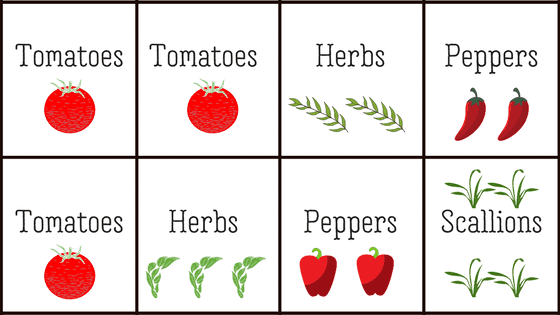
Three square foot gardening layouts I personally love are a salsa garden, a greens garden, and an all-tomato garden. Because who doesn’t love tomatoes?
(Well, I know a few people….but they’re not friends. Friends don’t let friends be friends with people who don’t like tomatoes. ← Gardening haiku)
These are three square foot gardening layouts I use every year (and I start them indoors in my warm greenhouse), and some of my tried-and-true hacks you can use to have a great harvest!
Salsa Garden
This one is probably my favorite square foot gardening layouts because….well….salsa.
Salsa garden layouts can be fancy or simple. This one includes just a few veggies and herbs: tomatoes, scallions, peppers, and herbs such as parsley, oregano, basil, and cilantro.
(Salsa generally includes onions, but they take up a LOT of room and have a long growing season – your better layouts include more tomatoes or herbs. You can buy your onions or plant them elsewhere on your yard.)
How you arrange the plants in your raised bed will depend on certain factors such as growing size.
For example. tomato plants need an entire square, and it’s best to plant them one or two feet away from each other.
You CAN plant herbs near tomatoes, however, and they’re supposed to improve the flavor of the our red fruity friends.
A pepper plant needs as much nutrients and sunlight as a tomato plant, but consumes less space. You can place pepper plants 12 inches away from another.
For the most part, these vegetables and herbs mature at the same time, particularly if you grow indeterminate tomatoes. If your herbs start flowering, pinch them off to extend their life.
Greens Garden
If you are a fan of fresh salads (or have a lot of rabbits), a square foot gardening planting guide for a greens garden is gonna be your jam.
Like the other square foot gardening layouts in this article, you need to be conscious of the space between each plant, but you’re totally free to grow any type of greens your healthy heart desires.
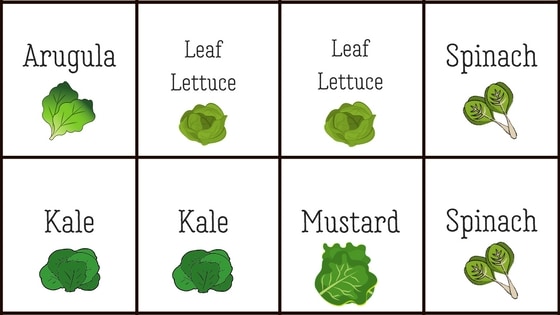
Some of my favorite layouts include spicy mustard greens, kale, spinach, romaine lettuce, and arugula (I grow the arugula for my rabbits though – personally, I can’t stand the stuff).
Mustard greens and kale must be planted three inches away from each other. Spinach, on the other hand, should have at least 14-inch spacing. Green lettuce and arugula need 4 inches.
All Tomato Garden
Now, I know when you think about vegetable gardens, you’re dreaming of tomatoes. Since tomatoes are my specialty, I love using all tomato square foot gardening layouts.
This plan will show you how to grow an near-unlimited supply of tender tomatoes in the summer (as long as you grow indeterminate varieties).
An all-tomato layout can have as many varieties of tomatoes as you would like to plant – try some heirloom varieties for fuller flavor.
You can get husky red cherry tomatoes or golden jubilees to name a few. Although different, they still have the same needs, like an adequate amount of sunlight and enough space between each other.
The bottom line, regardless of the types of vegetables you grow, is that planning your square foot garden is the key to a healthy harvest.
Factors such as distance, amount of sunlight, moisture, nutrient amount, and maturity length must also be considered when planning your layout.
Do have favorite square foot gardening layouts? Send them to me, and I might feature them in an upcoming article!
A very common question I get about backyard chickens is “Can chickens lay eggs without a rooster?”
Now, if you’ve asked yourself this question (or a similar question about chickens laying eggs), and you are still confused, or if you’ve asked someone else, and they’ve laughed at you mercilessly, don’t worry.
So, can chickens lay eggs without a rooster? This is a common question, and it tends to confuse new owners.
Particularly since, it seems, everyone hears wonky backyard chickens advice everywhere you turn once you bring a few hens into your backyard.
In fact, I think every old-time farmer who lives around our farm has stopped by and told us a few tall tales or two about chickens they raised in their childhood.
We’ve even gotten a few sprinkles of advice that have made me scratch my head and wonder where the hell they picked up that nugget of “knowledge” from (like these Chicken feeding myths…).
One such bit of advice (and you’d think they would know better since they claimed to have raised “over 1,000 chickens in their day”) is that a hen won’t lay eggs unless a rooster is present.
And that’s probably why I have so many folks emailing me asking “can chickens lay eggs without a rooster?”
Can chickens lay eggs without a rooster?
Never fear – in short, yes, chickens can lay eggs without a roosterbeing present.
So, if you’ve been putting off getting a backyard flock because your town doesn’t allow cockerels and you think you need one to get eggs, you can breathe a bit easier.
And feel free to make a cute chicken coop (try one of these free chicken coop plans) for those chickens you want.
You only need a rooster if you want to HATCH chicken eggs. In that case, the rooster is needed to fertilize the hen’s egg, which is equivalent to a human woman’s ovum. If you’re wondering about a chickens reproductive system then here’s an article about how chickens mate.
Now if you’re wondering “can male chickens lay eggs,” the answer is an emphatic NO. They don’t have the right…erm….equipment.
Why a rooster can make egg laying more difficult
So now that you know that chickens are laying eggs without a rooster, let’s look at why it might even be to your benefit to NOT keep a rooster.
Now, don’t get me wrong. We have more than one rooster on our farm, and they’re fabulous.
BUT I’m the first to say that there are times when it’s better to not keep the masculine gender in your flock (or, in the case of husbands, in your home. Just kidding. Not really.)
Roos can be cool guys, but they can also be huge….well, since this is a G rated backyard chickens blog, we’ll just go with “pains in the butt.” More often than not, roosters are the biggest pain when they are establishing their pecking order or when they are mating, which are normal things.
A rooster’s main job is to protect his ladies. And sometimes, he can get a bit too possessive. One thing to consider is the breed of rooster as well. Some breeds are more docile than others.
Potential Rooster Issues
Flogging
Well, you’ve probably read stories on Facebook of a rooster flogging his owner. And it’s not fun.
I’ve even read stories of chicken mamas who have to walk into their yards carrying sticks so they have something to distract the rooster with. This doesn’t happen with backyard hens though. Read more here about how to stop rooster attacks.
Now if you want to live your life with a flogging rooster, that’s completely up to you and your personal circumstance. However, if you just don’t want to live that way, know that it’s completely fine to give that rooster a new home.
No one should ever be abused by a rooster in their own backyard.
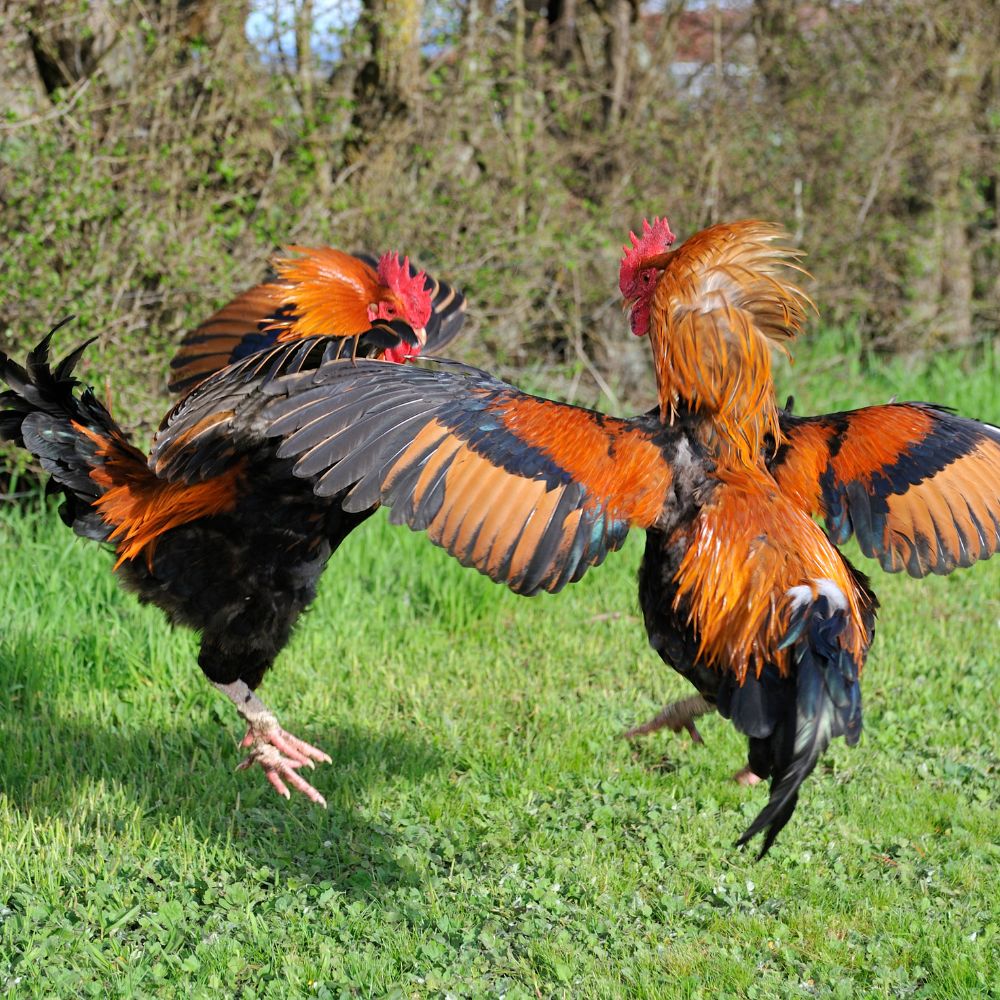
So why can a rooster start flogging? It’s usually triggered because the roo doesn’t want ANYONE (anyone meaning YOU or another rooster) messing with his harem.
Overmating
A second reason they can be difficult to keep around is that they not only get possessive of their hens, but some roos can excessively mate with their hens, to the point that the ladies are suffering bodily damage. Read more about how chickens mate.
Yes. this is a thing, and it can definitely happen. Time for a story.
A few years ago, we decided to produce pasture-raised meat roosters. We figured they would be a better bet than females because they grow larger.
All went well, until the roos were about 6 months. And the hormones started kicking in.
Then all hell broke loose.
At the time, our hens were also free ranging, and let’s just say it was a bit like a prison riot in the yard for a quick minute. (Wondering how does a chicken mate?)
In other words, too many roosters per hen can lead to a very bad situation. If you’re wondering about the ideal hen-to-rooster ratio, ONE rooster per TEN hens is a good minimum.
Now, we were able to quickly resolve the issue and the ladies came out perfectly fine, but it took another quick minute for their back feathers to regrow.
While this was a situation of too many males per female, any cockerel that has a harem of hens to oversee can feel he has to mate excessively to establish dominance. And that can lead to lost feathers and eventually lower egg production (here are some more reasons why chickens stop laying eggs).
So, in some ways, your hens might produce eggs BETTER than if there wasn’t a male present.
Now the next time you see someone ask on Facebook “Can chickens lay eggs without a rooster?” you can point them to this article for the definitive answer!
Learn More about Raising Chickens with the Backyard Chicken Bundle!
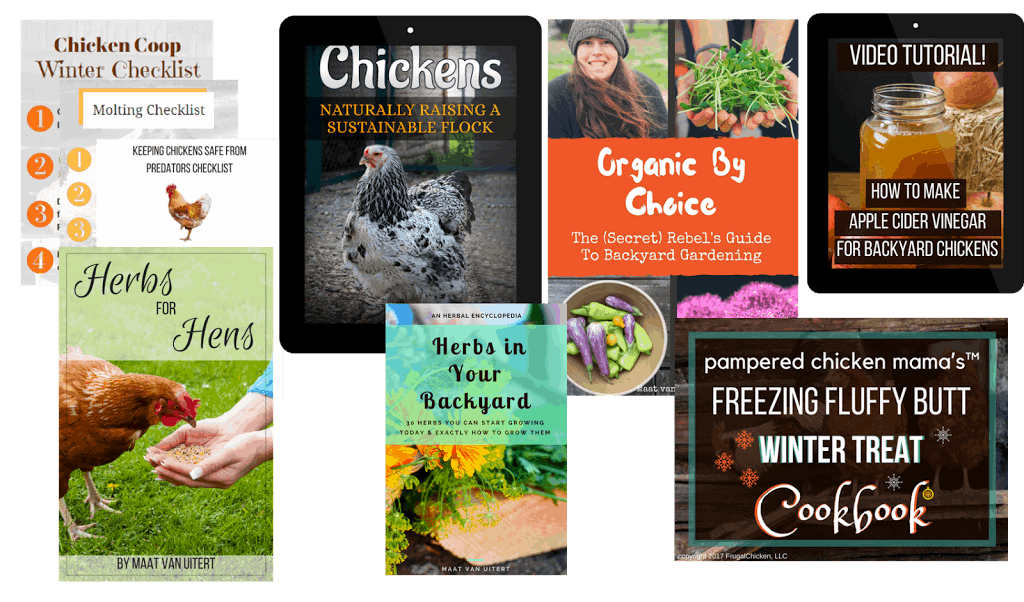
The Backyard Chicken Bundle is a unique ebook bundle with every resource you need to start raising a flock of healthy hens! (Total value $250 for just$24.99) And START spending every possible minute playing with & enjoying your pets (without the worry)!
Included in the bundle are:
5 individual ebooks with over 40 gorgeous full-color photographs, charts, and recipes for all-natural coop cleaners, layer feeds, herbal first aid salves, and more. E-books naturally complement each other so you have information at your fingertips.
34-page Herbal Encyclopedia to growing 30 different herbs for your hens right in your own backyard
3 downloadable checklists to save your flock from bad weather & predators, and to keep them healthy while molting.
1 Apple Cider Vinegar for Backyard Chickens video that shows you step-by-step how to make organic apple cider vinegar in your own kitchen.
Information you can TRUST by a recognized backyard chicken expert featured in Reader’s Digest, Glamour, and on major news networks like ABC, CBS, & NBC.
As temperatures continue to drop on the farm, I’ve gotten more worried about our cat, Boss, who is an indoor/outdoor kitty. So, I’ve been researching how to keep outside cats warm in the winter so I can make sure he’s around for years.
Boss is one of our mousers, and in addition to being a pet, he has an important job around the farm – keeping the winter grain safe and mice out of our home.
It would be a huge loss to lose him (if I had my way, Mr. Outside Cat would stay indoors all the time, but he insists on being an indoor/outdoor cat, and prefers to pee outside.)
If you don’t know, we got Boss when he showed up in one of our back rooms during a tornado. We heard this little mewing, and realized there was a kitten where there shouldn’t have been one.
He trotted out, sat on our couch, and has lived here ever since. (And that’s why he’s named Boss).
Although cats are resilient animals and adapt well to different types of weather, they’re still living beings. So, if you’re looking to help your feline stay warm when it’s snowing, you’ll love these “best practices” about how to keep outside cats warm in the winter.
Build a shelter to keep outside cats warm in the winter
The first thing to do is to build a winter cat shelter for outdoor cats since we want to decrease the risk of them catching hypothermia in the winter.
An outdoor kitty shelter gives them a warm place out of the wind to rest, protects them from drafts, and helps keep them safe and dry. You can either purchase a cat house in pet stores, use wood you have sitting around (making sure the final structure isn’t drafty), or use Rubbermaid bins (this is an option for a winter home but it’s not the best).
Keep in mind that large shelters are not always the best idea since heat disperses quickly if there is extra space left. A cat house large enough for two to three cats to huddle would be great (you probably won’t find more than one kitty in an outside cat house, but that’s the appropriate size).
Add bedding
One of the most important “how to keep outside cats warm in the winter” tips is to add bedding to the shelter. If you are already building your cats a home to keep them warm, you might as well provide their house with some bedding, too, and it will help them retain heat.
Just be sure the bedding is easy to remove and clean (and maybe have extras on hand). Some ideas for bedding for outdoor cats are old blankets or clothes, or a washable self-warming fleece cat bed.
Straw is also an excellent insulator (we use it to create structures and as a windbreak for our hogs and rabbits, since it’s easily stacked.) I would personally use straw over hay since hay absorbs more moisture and will mold faster.
Lining the interior of the outdoor cat house with old clothing or newspapers will also act as an extra wind break.
Increase food rations
Something else we do with every creature on our farm is increase their feed during the winter. They’ll have more energy to burn so they can stay warm. Raw meat is one option, and you can’t go wrong with a high-quality commercial cat food.
Use a feed produced in the USA to ensure it’s actually food and not just filler. Because cats have different dietary needs than dogs and other pets, I personally rely on commercial feed for our indoor/outdoor kitties.
We found dry food is better than moist food or raw food since liquids and raw meat freeze easily during winter.
While we don’t do this, as I researched how to keep outside cats warm in the winter, I noticed that some pet owners use thermo feed bowls to make sure their cat’s moist food is warm when served.
You can also use heating pads to keep the food warm as long as possible. However, if you want to save energy, then you’ll have to replace their bowls with food or water a few times throughout the day in winter.
Also be sure to provide water; we keep our cat shelters close to the house, so we’re able to use a heated waterer. If your outside cat house will be off-grid, you can use these ideas to keep water from freezing.
Other winter hazards
Hypothermia and lack of food aren’t the only hazards your outside cats will face. While we don’t get a lot of snow here, in more Northern climates, your outdoor cats might get trapped in the snow, mistake something toxic for food, get hit by a car, snagged by a predator.
While this hasn’t yet happened on our farm (touch wood), there’s always a chance that your cat will ingest antifreeze. It sounds kind of out there, but antifreeze smells sweet to cats, and some try to taste test it. Keep that stuff bottled up and out of their reach.
Speaking of cars, everybody knows (and hears horror stories about) cats love staying inside engines to warm them through the night. They’ll also crawl inside tractors and combines. So, for the love of all things holy, check your cars, tractors, combines, etc before starting them.
While I would prefer Boss stay inside and safe and warm, he prefers to be an outside cat. If you’re in the same situation, and wondering how to keep outside cats warm in the winter, hopefully some of these ideas well help you out.
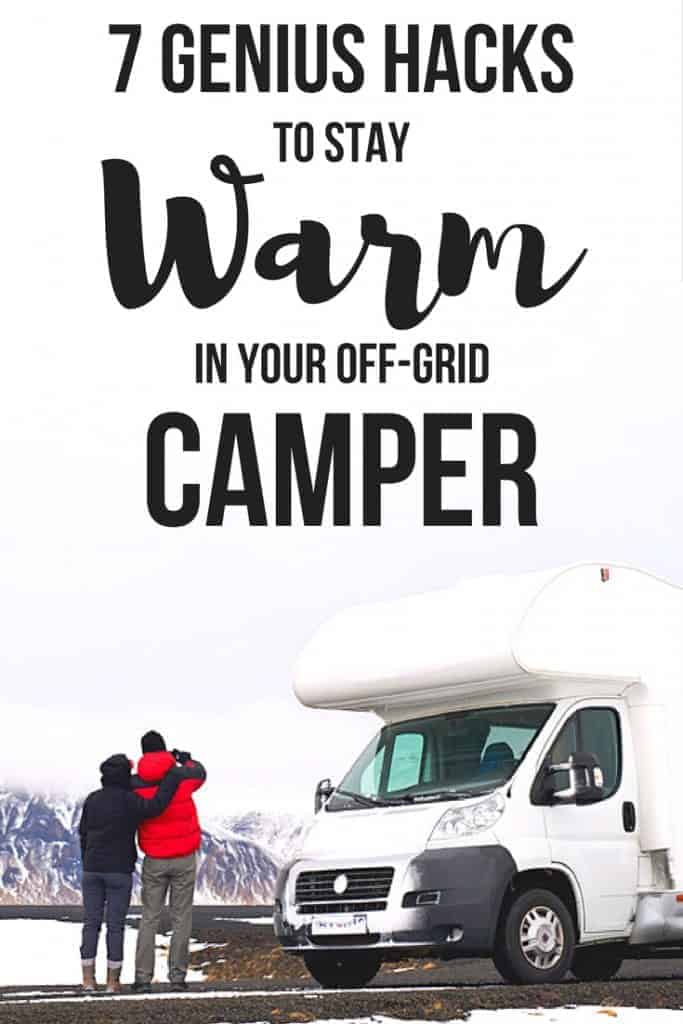
Thinking of living full time in an RV in winter? Learning how to keep a camper warm in the winter is easy!
I know many of you are pioneering winter travelers or committed to living full time in an RV in winter.
While I’m not a huge camper, ever since we got our cabin, I’ve been discovering all sorts of “off the beaten path” ways to stay warm without using conventional ideas like gas, oil, or electricity.
If you own an older camper (or live in a cabin) and plan to be outdoors a lot in the colder months, then you’re going to want to know how to keep a camper warm in the winter.
Here are some tips to keep your mobile home warm and cozy.
Insulate your camper
Although most campers have some sort of insulation, this can be effected by several factors such as make, model, and maintenance. (Yes, maintenance. If you don’t do upkeep on your mobile home, you’re pretty much SOL.)
As we all know, an ounce of prevention is worth a pound of cure, so do periodic checks for leaks around windows, doors, and anywhere with rubber seals.
Any ideas about how to keep a camper warm in the winter that we talk about in this article are useless if your RV is drafty and not well insulated.
Of course, extra insulation is essential in subzero temperatures. Nobody likes to be frozen when the North wind blows.
In addition to fixing any drafts, you can insulate the windows and doors of your camper with insulation panels like these. You can also use spray foam to fill in any gaps.
Insulate the roof, walls, and especially the floor with heavy blankets (see this article about how to stay warm in winter for additional ideas).
While this idea is very simple, it’s also very effective, and will help keep any warmth inside the camper.
Also be sure to insulate your hot water pipes since, if you’re cold, a warm bath can help you heat up. Use foam covers, (these have saved our butt many winters), spray foam, or even old clothes (this is one we use a lot, and a good use of ripped and old clothing you’d otherwise throw away).
How to keep a camper warm in the winter off grid
So, on to how to keep a camper warm in the winter if your heating system sucks.
Gas heaters are one option for a camper that’s off grid and doesn’t use electricity. Here’s one option for propane heaters you can use indoors (just remember: you’ll have to pay high prices for that propane AND you’ll blow through it quickly.)
Electric heaters are another option. Your best bet, as far as electricity goes, is to get a solar generator, and plug an electric heater into it.
They’re not cheap, but they’re still affordable and because they use a renewable energy source, your camper can stay warm in the winter longer. You can buy a regular electric heater at any dollar store.
Pro Tip: Choose an energy-efficient electrical heater to avoid surges.
If a solar generator just isn’t an option, you can buy adaptors to turn a cigarette lighter into an electrical socket and run the engine of your car. Check out one option here.
Bring the right items so you stay warm in the winter
Getting the right items to keep you warm throughout the winter nights is essential. After all, you can insulate your camper but still feel cold, especially if temperatures reach extremely low numbers in your area.
Here’s my best tips for staying warm in winter without heat, and if you’re cold, then one of the easiest ways to warm up is to walk around, weather permitting.
There’s been many a morning where I’ve groused about the freezing weather only to quickly warm up when I started feeding our chickens.)
Learning how to keep a camper warm in the winter is easy as long as you make the right preparations.