Known as one of the most popular chicken breeds, Silkie chicken’s odd features – specific to their breed – are what makes them such great pets. 

Before you add these lovely fluffy butts to your flock, there might be some questions you have. In this article, I share 8 Silkie chicken facts that’ll help you decide if this breed is for you.

Let’s take a look at this several unique characteristics that makes them different among other breeds of chickens.

Fact #1: Silkie chickens have extra toes

Silkies are known for their unique genetic twist which gives them an additional 1 or 2 toes per foot. While most types of chickens have 4 toes, silkie chickens have 5 or even 6! 

(Though the breed standard is 5 toes, some have an additional toe for a total of 6. Technically, these silkie chickens are not adhering to the Standard of Perfection and therefore cannot be entered into competitions.)

While not “normal,” the extra toe certainly is cute! It also makes it easy to spot silkies at your local farm store during Chick Days.

The extra toes don’t serve any evolution or survival function, and no one is really sure how the breed ended up with some extra digits.
Silkie chicken pet facts for new owners

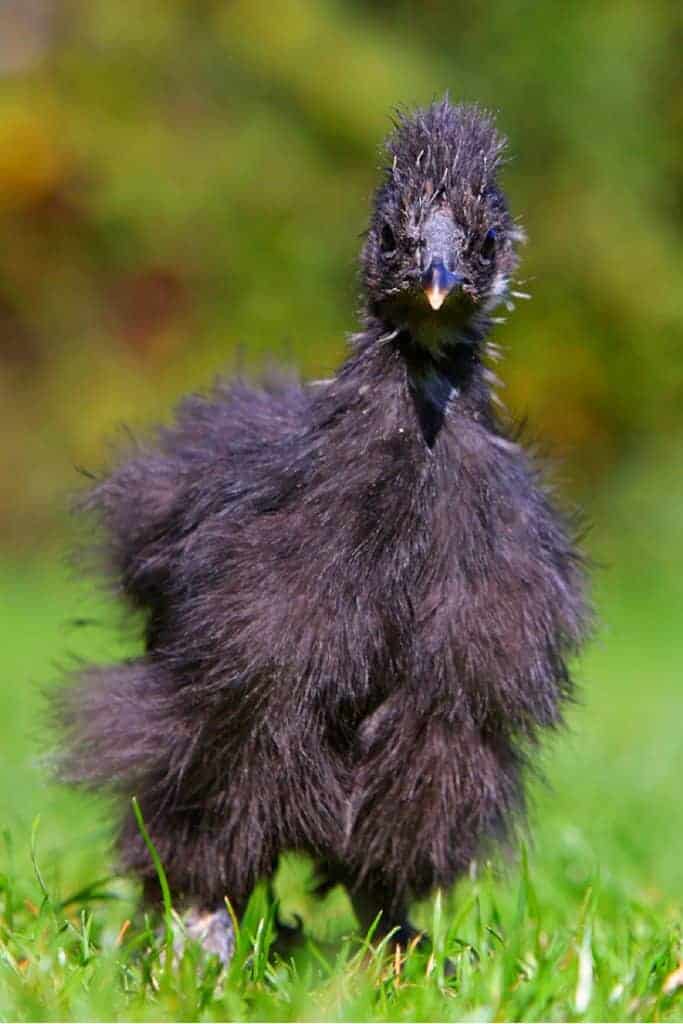
Fact #2: Silkies naturally have black and blue colored skin that makes them even more adorable

They also have black bones and muscles and dark reddish black wattles (the exact color, according to the Standard of Perfection is “mulberry.” Whatever you call it, it’s a beautiful color.)

This unusual feature is referred to as melanism (development of the dark-colored pigment melanin in the skin, an opposite of albinism) which goes beyond the skin, penetrating the bird’s connective tissue.

The only other breed that has black skin is the Ayam Cemani, which is completely black, both inside and out, while Silkies have a combination of black and turquoise blue skin (the blue skin tends to be around their oval-shaped earlobes.)

Although they aren’t entirely black like Ayam Cemanis, the blue skin still is super cool!

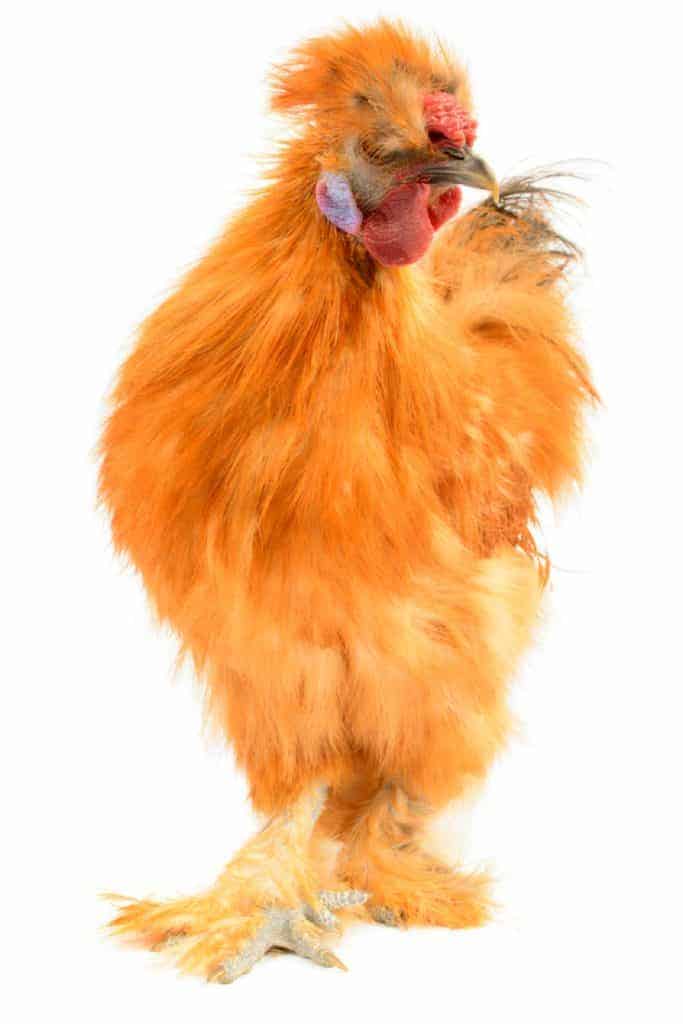
Fact #3: Silkie chickens have feather that’s a little like fur

While their fur-like feathers are different from other chickens, it’s super soft and very fluffy to touch.

In fact, while the feathers don’t provide much protection from the cold, they DO make the silkie a great choice for a pet chicken since children adore the fine feathers that resemble the down on chicks.

So, why are silkie feathers so different? Well, the feathers lack barbicels (minute cartilage hooks that holds each strand down), so the feathers fly freely.

And yes, it makes these chickens very soft and fluffy and adorable!

Fact #4: Silkie roosters hardly crow

This isn’t to say they NEVER crow….but they’re pretty quiet. This makes Silkie roosters ideal for urban farms, where your neighbors might object to the noise.

As for their temperament, the roosters tend to be naturally more calm and don’t make loud noises when they’re startled (unlike other roosters, which will crow loudly at the slightest leaf shaking), making them a less disturbance in your neighborhood.

The roosters also tend not to attack humans, unlike other breeds, which can flog you when provoked. In fact, silkie chickens are more likely to run away!

Fact #5: Silkie hens tend to naturally “go broody” than other chicken breeds.

Silkie hens are more likely to want to sit on eggs than other breeds, which makes them perfect for your farm….if you want to naturally hatch chicken eggs, that is.

Most of the time silkie hens are friendly and loveable, but when they sit on eggs, the chickens can turn into fierce mothers who guard their nests closely.

This is a good thing! While other types of chickens tend to abandon nests, a silkie hen is more likely to stay on her eggs until they hatch, and guard her chicks so they grow up healthy.

Though they aren’t the champion egg layers of the backyard chicken world – most silkies only lay eggs about 3 times a week –  broody hens will hatch their own eggs, other chicken eggs, duck eggs, and even turkey eggs! 

Imagine how nice it would be to see a Silkie hen raising baby ducks, geese, and even turkeys!

Fact# 6: Silkies have a “puff ball” on their heads that’s also a genetic anomaly.

Some Silkies have a crest or “topknot” that gives them an adorable “puff ball” of feathers on top of their heads. It’s more prominent on Silkies that have a vaulted skull.

Silkies that have these poofy feathers sometimes find it hard to see because of their crest. However, this is easily solved by gently trimming the feathers away from the Silkie’s eyes.
silkie chicken facts

Fact #7: Silkies are smaller in size and weight as compare to other traditional types of chickens.

They are lightweight and only weigh about 2-3 pounds, which makes these chickens great for children.

Fact #8: Silkies can’t really roost because they can’t fly up like other chickens.

Silkies don’t really have flight feathers, so it’s hard for them to fly up into roosts. The best they can do is kind of hop upwards until they get to their destination.

They still like to sleep off the ground, so you can stack hay bales or blocks of wood so they have a safe place to rest at night.

Have we missed any Silkie chicken facts? Although Silkie chickens may be different in one way or another from other breeds, one thing is for sure, they make an excellent pets!

Overall, these peculiar little Silkie chicken creatures gives so much joy and pleasure to their owners!

Hey y’all! Here’s this week’s sneaky peek photos of life on our farm!

These images also appear on my Instagram account where I share MANY more photos and stories from the farm!

If you aren’t yet following me there, you can right here.

Enjoy the photos & be sure to share some of yours with me!


https://www.instagram.com/p/BsReuINFzaV/

https://www.instagram.com/p/BsUI7xKlbuG/

https://www.instagram.com/p/BsWrMayl8r1/

https://www.instagram.com/p/BsZTfWMFQ_h/

https://www.instagram.com/p/Bsb3bWdFJAb/

https://www.instagram.com/p/Bsecx9NlZYM/

One of the questions I get asked the most is: “Can I keep urban chickens even though I live in the city?” And my answer is always a huge YES!

Raising chickens is a rewarding and meaningful experience and I highly recommend it to everyone! There are, however, some things that you need to keep in mind when you are raising urban chickens in the big city.

It’s totally possible, but you will need to make some adjustments for an urban coop in order to keep your chickens happy and healthy.

Here are some of my favorite tips and tricks for raising urban chickens in small spaces.

My top tips for raising urban chickens are:

  1. Make sure you can have chickens in your area
  2. Feed organic herbs for healthier hens
  3. Feed your chickens a balanced diet with calcium and protein
  4. Use calendula
  5. Practice good coop hygiene
  6. Provide environmental enrichment
  7. Predator-proof your coop

Details about these tips AND even more tips are below, so keep reading!

Urban neighborhood from arial perspective

Make Sure You Can Keep Chickens In Your Area

Before we get started with the urban chicken-keeping tips in this article, first and foremost you need to make sure you can keep chickens in your area. Not every town allows them – PLEASE do your homework first!

Your town might allow chickens, but have limits on the number of chickens, how many feet they need to be kept away from other homes, or whether you can keep roosters or not. Certain neighborhoods have their own covenants and restrictions as well. So even if your city allows chickens, your neighborhood association may prohibit it.

It’s no good trying to keep chickens if your area doesn’t allow them – you’re doing your chickens a disservice because you might have to re-home them. Not fun for anyone!

Now, if you CAN keep chickens and you know all the city ordinances and local regulations, then read the rest of the tips in this article to help your flock be healthier and happier!

Use Organic Herbs in Feed & Nesting Boxes

For people keeping chickens in smaller spaces, such as urban backyards, my favorite piece of advice is to keep them happy and healthy with organic herbs.

Because an urban chicken coop tends to be smaller and owners need to protect their flock from predators, such as dogs and cats, urban chickens run the risk of developing negative behaviors such as feather picking because they don’t have as much space to roam in tight confinement.

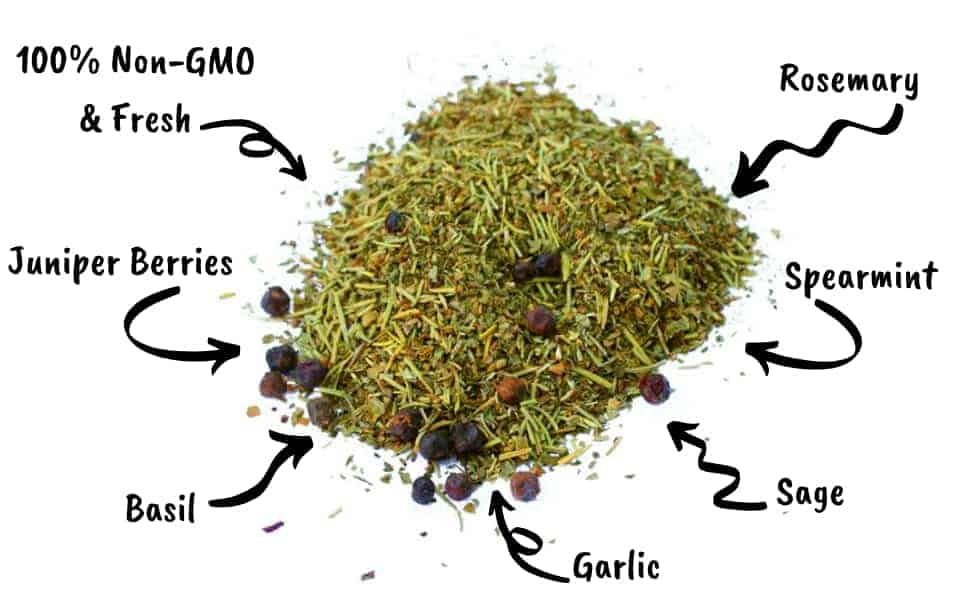
So my recommendation is to provide them with herbs such as spearmint, rosemary, basil, sage, garlic, wormwood, and calendula.

That may sound overwhelming at first, but don’t worry – we offer special blends such as these that provide both a natural health boost and environmental interest because hens can pick at the herbs and explore their treat.

Mitesbgone nesting herbs

Feed Urban Chickens a High Quality Diet

Especially for urban chickens, it’s important that you make sure they have a well-balanced diet. They can’t free-range and forage for nutrients, and they lead slightly more stressful lives because urban chickens are typically cooped up all the time, or face environmental stress such as polluted air, lots of noise, etc.

One important nutrient to ensure the health of your chickens is calcium. Making sure your hens have access to high-quality calcium supplements is important to ensure they lay eggs with strong eggshells.

You can offer a calcium supplement in the form of oyster shells or dried, crushed eggshells. To dry your egg shells, simply wash them so the albumen is cleaned off, then allow them to air dry a bit.

Next, toast them by placing them in your oven at 200 degrees for about 10 minutes. Then crush, and offer separately or mix with your flock’s feed.

It’s also important to make sure that your urban chickens are getting enough protein. If you want an out-of-the-box treat, black soldier fly larvae are full of protein, fat, AND 50 times more calcium than treats such as mealworms.

And hens LOVE them! I have an in-depth article about the benefits of black soldier fly larvae here if you want more information!  

Mix Calendula With Your Urban Chickens Feed

For golden yolks in your fresh eggs (which is why most people keep chickens – for healthier eggs), adding the herb calendula to your chickens’ diet is a must. We carry Best Eggs Ever! which has a healthy amount of calendula in it! Just put this blend in your hen’s nest box, and watch out!

Calendula contains beta carotenes, which lend their orange color to your hen’s yolks.

Practice Good Coop Hygiene

All-natural hygiene is a must for urban chickens. They are more susceptible to internal parasites such as worms and external parasites such as mites because they’re not able to move around as much as their country cousins.

Using essential oils such as melaleuca and lemon when cleaning their coop will help keep their home clean and hygienic. You can also use our Cleanest Coop Ever! Coop Refresher, find it here.

It’s important to not use household cleaners such as bleach – the fumes can harm your chickens, and when bleach mixes with the ammonia from your flock’s droppings, it can produce mustard gas! Yikes!

So, all-natural cleaners are a must to keep your flock healthy.

Provide Environmental Enrichment

Urban chickens can have more stressful lives due to different environmental circumstances than their pasture-raised counterparts.

So in order to avoid negative habits such as feather picking, you need to provide your chickens with some environmental enrichment activities.

This could be things like providing herbs for them to pick at or ensuring that there are places for your chickens to perch in your coop.

Providing environmental activities for your chickens helps to keep them happy and helps keep them from developing bad habits.

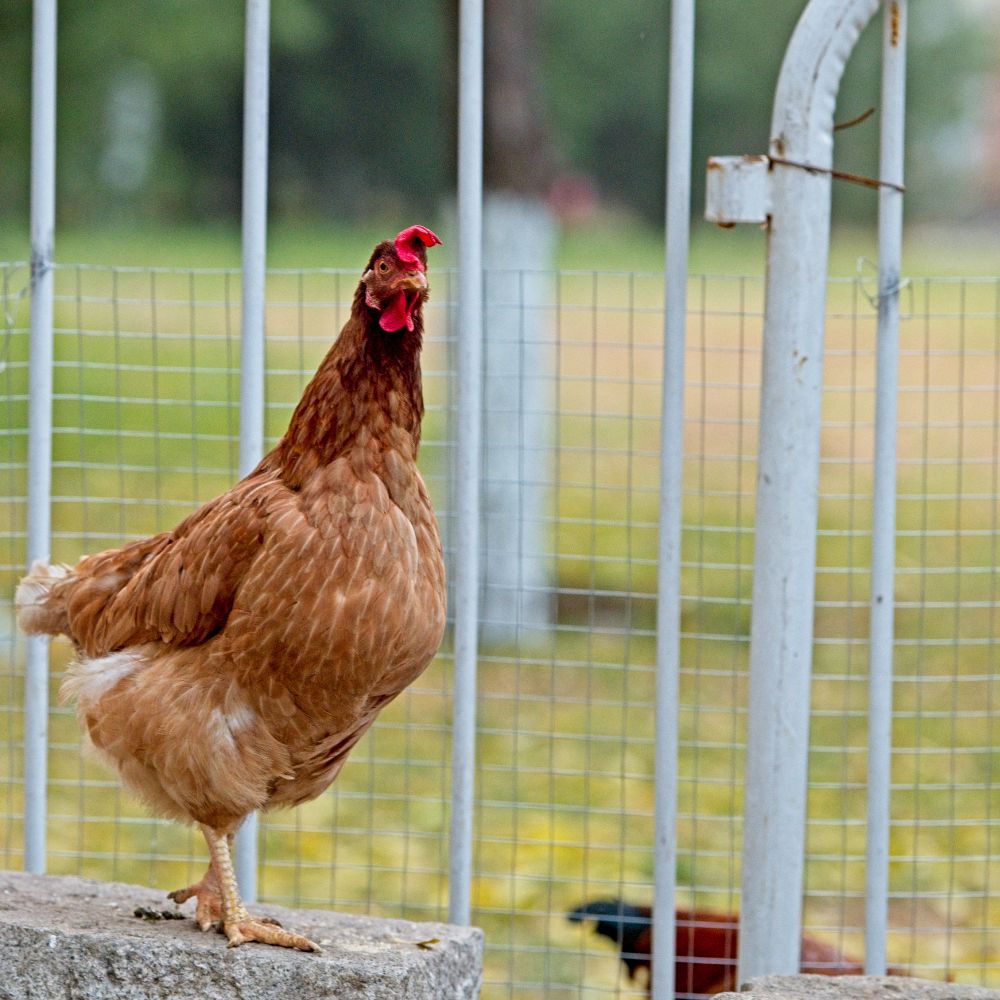
Urban chicken standing next to fence

Predator Proof Your Coop

I’ve seen way too many urban chicken owners get burned because they didn’t predator-proof their coop. They thought there weren’t chicken predators in the city.

While you might not have to worry about chicken predators like raccoons or possums in the city, you do need to worry about cats, dogs, and any other animals that might be “interested” in your chickens. Always make sure that your coop is predator-proof so you can keep your chickens safe.

Dogs can be big problem for those raising chickens in the city. If you have a pet dog they can be just a little bit too interested in your chickens and that can cause huge problems.

My number one tip is to keep your chickens and dogs separate. Even the best-behaved dogs might get curious and ANY dog has the potential to seriously injure your chickens (even little dogs), so I recommend that you just keep them apart if you think there’s a chance your dog might play too rough with your chickens.

Make Sure Neighbors Are On Board

Many of the readers I get messages from are concerned about their neighbors getting upset because they have chickens. Honestly, as long as you don’t have a rooster, it is very unlikely that anyone will know you have chickens at all!

In fact, I know someone who was raising chickens in the middle of a neighborhood for years and his neighbors didn’t even realize they were there! Hens can be very quiet!

I keep my coop super clean so it doesn’t smell as bad, and hens aren’t typically noisy. In fact, I think dogs are 10 times more annoying for neighbors than chickens could ever be!

Most chickens are docile, quiet, and pretty well-behaved from my experience. And trust me – the second your neighbors try some of your chickens’ delicious eggs they won’t complain. In fact, they’ll probably want to get chickens of their own!

Other Urban Chicken Tips

  • Stick to a small flock of chickens (for chicken lovers, this is one of the hardest things to do).
  • Check out details on different breeds to find the best breed for city living.
  • Take advantage of the chicken manure and use it for a small compost pile for your garden.
  • Remember backyard birds love kitchen scraps.
  • Provide protein-rich treats since your feathered friends can’t forage all day like country chickens.

Summary

If you live in the city and want to keep chickens, don’t worry and don’t fret. It can (most likely) be done. If your city and your neighborhood allow it, and if you have a place to keep them where they can be happy – then you are set to go! Enjoy the process and make it fun! Chickens are quite entertaining and make great companions.

Hey y’all! Here’s this week’s sneaky peek photos of life on our farm!

These images also appear on my Instagram account where I share MANY more photos and stories from the farm!

If you aren’t yet following me there, you can right here.

Enjoy the photos & be sure to share some of yours with me!


https://www.instagram.com/p/Br8-g7Ll5Pq/

https://www.instagram.com/p/BsHUiGala_g/

https://www.instagram.com/p/BsMX61rFTuQ/

https://www.instagram.com/p/BsO8z4Hlh4k/

Happy New Year! Here are 10 adorable coops to start out your New Year right!

https://www.instagram.com/p/BrkmdbeHes8/

https://www.instagram.com/p/BmPVzKdlyFq/

https://www.instagram.com/p/Bq5ixRoljOg/

https://www.instagram.com/p/BqaOx3ClS8u/

https://www.instagram.com/p/BqTNdOHHkmT/

https://www.instagram.com/p/BqP8QNWFuM3/

https://www.instagram.com/p/BqGBI2UFyNA/

https://www.instagram.com/p/BqA3KpplBeY/

https://www.instagram.com/p/Bp4LNuTFo0b/

https://www.instagram.com/p/BpxCMKRFy0p/

Hey y’all! Here’s this week’s sneaky peek photos of life on our farm!

These images also appear on my Instagram account where I share MANY more photos and stories from the farm!

If you aren’t yet following me there, you can right here.

Enjoy the photos & be sure to share some of yours with me!

https://www.instagram.com/p/BrtiOtbFTB_/

https://www.instagram.com/p/BrwGYwGln-m/

https://www.instagram.com/p/BrysyjxBCP7/

https://www.instagram.com/p/Br3y4XyhBvF/

https://www.instagram.com/p/Br6fXcPFLA0/