It’s July, and the middle of summer comes with its own special chores. Here’s what to do in your coop in July so you raise a healthy flock of hens, ducks, geese, and more!

The hot days of summer are fun but definitely have their challenges for the critters we love. Keep reading to learn some tricks and tips for beating illness, heat stroke, pest invasion, and more. You can apply many of these tips and guidelines not only to chickens but to many other loveables you care for.❤️
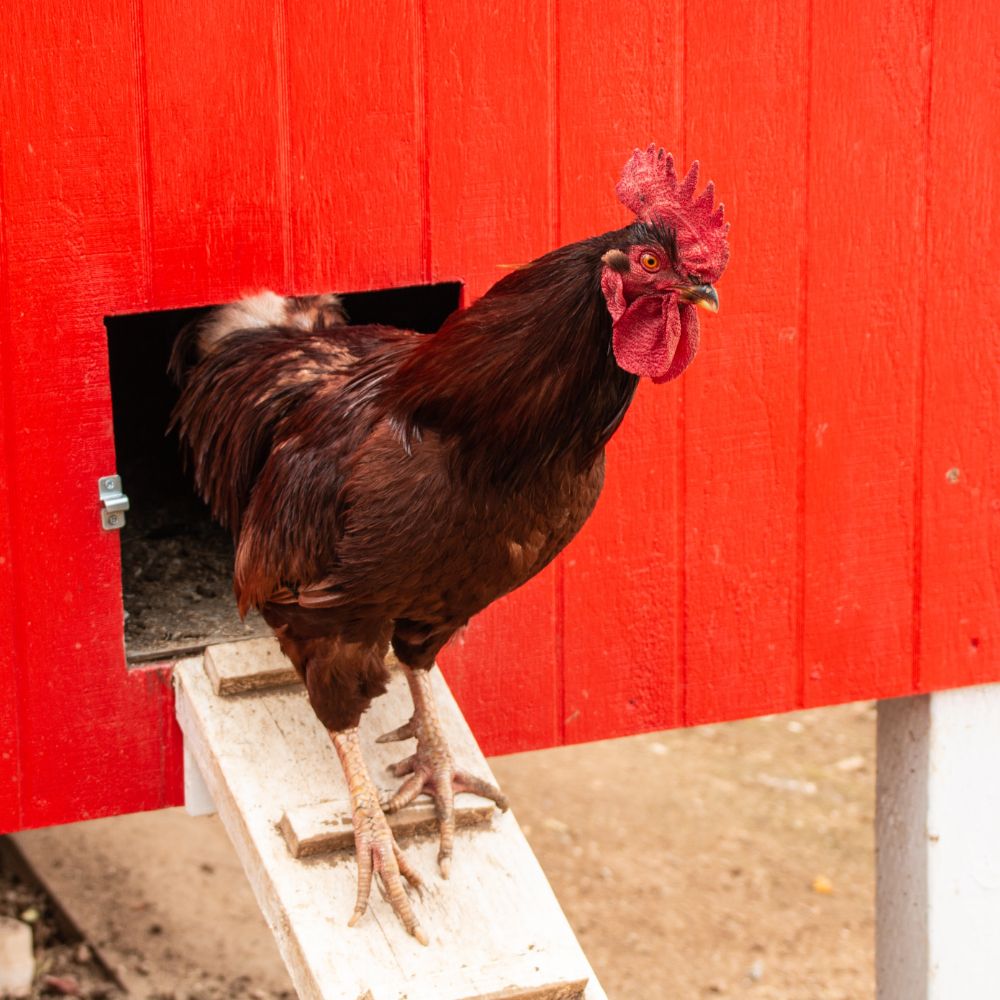
Rooster exiting coop on coop ladder

Keep out pests with herbs and spices

Herbs like cinnamon, mint, and wormwood can keep pests out of your chickens’ nesting boxes. Placing small bundles or sprigs of these herbs in the boxes repels pests like mites, lice, and rodents. You can also use a special blend such as PestsBGone especially if you don’t have time to grow, harvest, and manage herbs. These blends make this process easy peasy.

The aromatic oils released by the herbs create an unfavorable environment for pests, ensuring a clean and comfortable nesting space for your chickens. These herbs also offer health benefits and promote good hygiene. By using herbs, you create a pleasant and pest-free environment for your flock.

Check for signs of fly strike

What is fly strike? According to Poultry DVM Flystrike, also known as myiasis, is a condition where flies lay their eggs in the chicken’s skin or body cavities, resulting in the hatching larvae (maggots) eating the surrounding tissue. Read all the details here.

Fly strike can be (and often is) deadly, but you might be able to prevent it if you’re vigilant. If your hens have any cuts or abrasions, be sure to clean the wound thoroughly DAILY and cover it if possible.

If it looks like your chicken or duck is excessively bothered by flies, bring him or her inside, clean the wound (get a vet’s advice if you see maggots at all) and keep her inside until the wound is healed.

If you have roosters and/or drakes, be sure to check the bellies and backs of your hens for cuts. If your hens have bare skin on their bellies, consider isolating them from the roosters. Also, consider getting them a chicken saddle to help protect them.

Clean coop thoroughly

Maintaining a clean chicken coop is crucial for the well-being of your flock, and establishing a regular cleaning routine is key. By dedicating time on a daily or weekly basis, you can prevent the accumulation of waste, bacteria, and unpleasant odors. Sweep or shovel out old bedding that is heavily soiled and sprinkle with an all-natural coop refresher to reduce ammonia.

Once a month I suggest a major cleanout. Start by removing soiled bedding and replacing it with fresh, clean material. Utilize a rake or shovel to clear away droppings and debris from the coop floor. Thoroughly scrub all surfaces, including walls, perches, and nesting boxes, using a mild detergent and water solution. Allow the coop to dry completely before adding fresh bedding.

Consistently prioritizing the cleanliness of your chicken coop not only provides a comfortable living environment, but it also greatly reduces the risks of disease and pests, ensuring your flock remains healthy and content.

Clean out nesting boxes

Nesting boxes can get pretty gross and dirty. And guess who loves gross and dirty living arrangements? You guessed it – FLIES. Clean your nesting boxes to greatly reduce the fly population. Once they are clean put nesting herbs designed to repel pests in the boxes.

If broody hens are sitting on eggs, don’t clean the nesting boxes, but do use the herbs to freshen them up. You don’t want to disturb the hen and accidentally cause her to abandon her nest.
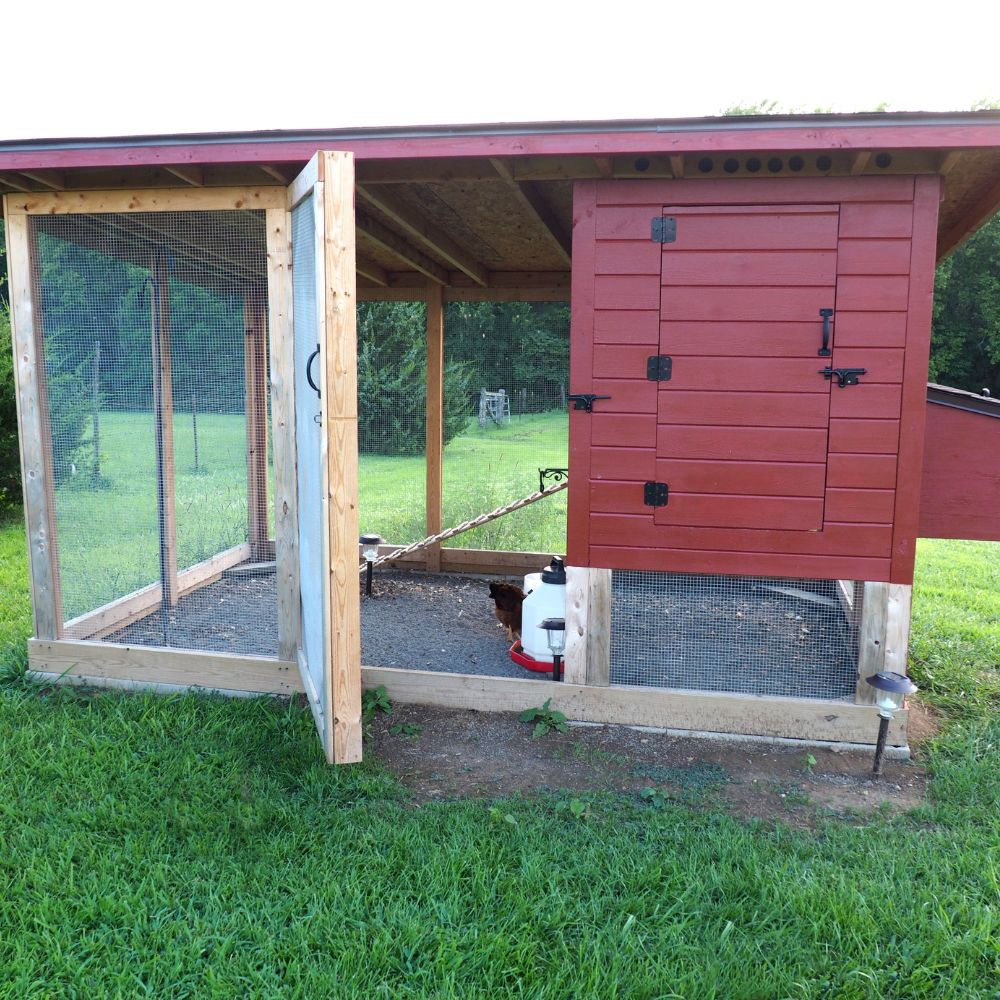
Chicken coop after having been cleaned

Increase circulation in the coop

During the scorching month of July, incorporating a fan into your chicken coop can provide much-needed relief for your flock (if you have electricity in or near your coop).

The gentle breeze generated by the fan helps to circulate air, preventing heat stress and maintaining a comfortable environment for your chickens. By strategically placing the fan to optimize air circulation and temperature regulation, you can ensure that your feathered friends stay cool, happy, and healthy during the hot summer days.

Be sure it can’t be knocked over, and that it has a safety cover.

If you don’t have a way to incorporate a fan in your coop, at the very least you need to be sure all windows (and maybe doors) are open to allow a breeze to go through it.

Reduce the chance of heat stroke

Heat stroke can creep up suddenly. The idea to use a fan, if possible, is definitely one of the best ways to help with keeping your flock cooler.

You can also try to prevent heat stress by providing ice water and lots of shade. You can make healthy frozen treats for your hens as well. Try putting herbs in water and freezing it, then serve them to your birds. They will love it and they will have a healthy treat. You can also give them watermelon and canteloupe which they enjoy and it provides extra hydration.

You should check on your chickens regularly on very hot days. If your hens seem disoriented, are laying down and won’t get up, or suddenly can’t walk, they might be heat stressed. You may have to move any chickens that won’t get up into a cool area in your house or garage until they recover.

Beef tallow to the rescue

Not only can you use frozen peas, corn, or other treats to entice your hens to stay hydrated – you can also use beef tallow treats. They don’t melt easily, and chickens love the taste.

Freezing beef tallow, or other solid fat that has a high smoke point, is a great way to treat your hens and help them through the heat.

Create extra shade

If you don’t have good shady places for your flock to retreat to, then create extra shade with tarps, wood, or anything else you can think of. It looks ugly, but it might save a life.

Birds forced to sit in the direct heat will not fair well. They must have shade to take refuge in. Shaded areas are MUCH cooler than unshaded areas.

Egg laying help

Your chickens might need extra support in the summer heat in order to lay eggs regularly.

Fill nesting boxes with extra herbs, such as Best Eggs Ever, to promote healthy laying. They will love them and you’ll love the results. Heck, I’m tempted to eat these herbs because they smell so good and inviting! Nesting herbs also provide a healthy living environment.

You may also need to provide an extra calcium supplement such as oyster shells or dried eggshells to ensure good, healthy egg production.

Add electrolytes to water

When summer brings sweltering temperatures, adding electrolytes to your chickens’ water can be a lifesaver. Electrolytes help replenish vital minerals and nutrients lost through heat stress, ensuring proper hydration and overall health.

By providing electrolyte-infused water, you help your feathered friends stay hydrated, maintain electrolyte balance, and combat the challenges of summer heat, keeping them thriving throughout the hottest season.

You can find electrolytes in your local farm store.

Clean waterers

To prevent sickness and maintain your flock’s health, regularly clean your chicken waterers.

Start by emptying and rinsing them thoroughly with clean water. Scrub the interior and exterior, removing any algae or debris. Sanitize if desired and allow to dry completely before refilling with fresh water.

Keeping your waterers clean reduces the risk of bacterial contamination and promotes the well-being of your chickens.

Flood the run

You’ll notice your ducks laying down to keep cool. But you can take it a step further and you’d be surprised what a difference it can make.

For ducks, and even chickens, you can flood an area so they have a cool place to lay down. If you can flood an area under a tree or other shade, that’s even better.

You can also provide a kiddie pool for ducks, but you’ll need to keep it fresh and clean every day to prevent bacterial growth. They make water messy in a hurry.

Summary

Well, there you have it. July is a great month but it sure can be hot. And with extreme heat comes extra challenges for the critters we love. These tips will take you a long way in ensuring that your beloved backyard flock not only survives July but also enjoys July!
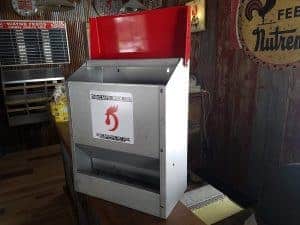
For this review, Duncan’s Poultry sent us their 30 LB Space Saver Wall Feeder to test. It arrived quickly via UPS, and fully assembled inside the box.

Below are our first impressions and overall recommendation regarding this feeder!

(Want to see all the feeders we recommend?) 

Product Description

Duncan’s Poultry 30 LB Space Saver Wall Feeder is a galvanized steel automatic feeder meant to be hung up on a wall of your coop. 

duncan's poultry 30 lb feeder for chickens
Official image from seller

The website claims the feeder will hold 30 pounds of a layer mash, crumbles, and (possibly) pellets. The main body is stainless steel colored, and the lid is galvanized steel painted red.

The feeder is 15 inches by 8 inches, with an 18 inch depth (so, you can fill 18 inches up with feed).

The feeder is $59 on Amazon, which makes it an affordable option for all budgets.

Where to buy the Duncan’s Poultry 30 LB Space Saver Wall Feeder

You can purchase this feeder on Amazon right here. The feeder has gotten great reviews!

What the company claims

  • Holds 30 lbs of feed
  • 15 Inches wide
  • Will fit between the wall studs
  • Hinged lid that stays open while you refill it.
  • Integrated lip helps cut down on wasted feed.
  • Works great with crumbles, mash or pellets 
  • Made of heavy gauge galvanized steel.
  • 14″ Wide X 8″ Deep x 18″ Tall.
  • Comes Fully Assembled

Our experience

We were pleased with the look of the Duncan’s Poultry 30 LB Space Saver Wall Feeder right out of the box – it certainly is made of galvanized steel (which makes the coop look nice!). The top is painted red, and there’s a “Duncan’s Poultry” logo on the front.

On the back were two cut outs for the screws. It made it REALLY easy to figure out how to hang the feeder. 

Sometimes, the construction of an object can make it harder to hang – they can prevent the object from sitting flush against the wall, and cause the object to wiggle or be unstable. In this case, the Duncan’s Poultry 30 LB Space Saver Wall Feeder hangs very sturdily, and doesn’t wiggle.

We tested the feeder with 30 pounds of our layer feed. Duncan’s feeders DO hold that amount, which saves us a lot of time (since we don’t need to fill it every day), and I can sleep at night knowing that if I can’t get to the coop ASAP in the mornings, the chickens still have access to feed.

Hanging it took just a couple minutes, and we were up and running within 5 minutes. Filling it with layer feed was very simple, and easy for one person to handle.

The chickens took another 5 minutes to figure out how to find the feed, and it’s been smooth sailing since. We’ve refilled the Duncan’s Poultry 30 LB Space Saver Wall Feeder every other day, or every 2 days, depending on how hungry the flock is.

The top stays open during the entire refilling process, and it’s easy to close once we’re done. It’s not easy for a non-human to get it open, and we’ve noticed that the goat hasn’t been able to knock it off the wall, which is a HUGE accomplishment.

Does the Duncan’s Poultry 30 LB Space Saver Wall Feeder live up to its claims?

YES! This sleek and modern automatic chicken feeder saves space, came fully assembled, holds 30 pounds of feed, and the chickens love it! They immediately knew how to use it (even the 10 week old chicks!), and it stood up to the ultimate test of whether the goat could knock it over or disassemble it 

(Other products we’ve reviewed were trashed in 24 hours by the goat, so this is saying something about the quality of the Duncan’s Poultry 30 LB Space Saver Wall Feeder!) 

What don’t we like

Clean up might be a bit tricky. Unless your coop floor is dirt, it’s not really the best idea to spray the Duncan’s Poultry 30 LB Space Saver Wall Feeder inside the coop, so you will have to remove the feeder to spray it with a hose, or use cleaning wipes if you don’t want to remove it. 

There’s lots of little crevices, so be sure to pay attention to corners and lips where feed can get embedded and mold if not removed during cleaning.

Is it useful for chicken owners? 

We recommend this feeder for flock owners with less than 10 chickens in their flock. We’re impressed with how easy this feeder was to refill so our hens have consistent access to their mash. It’s a safe and time saving chicken feeder your flock will enjoy. 

If you have more than 10 chickens, purchase a second unit.

What to watch out for

If you have more than 10 chickens, it’s best to buy a second feeder. Because the width is only 15 inches, it’ll be difficult for every flock member to eat at the same time.

Note that if you want to use this with baby chicks (under 8 weeks), you will have to hang the feeder so it’s flush with the ground (which can attract bugs), and make sure the chicks know there’s feed in it. Because of this, we don’t recommend using it with chickens until they’re at least 10 weeks old.

There’s no cover for the lower lip where chickens eat from, so if vermin are an issue in your coop, they’ll get a free meal.

Summary

Duncan’s Poultry 30 pound hanging feeder lives up to its promises, and is a great addition to every coop. We give it 5 stars for design, usefulness, safety, durability, and ease of use! Our chickens use it daily and love it!

Hey y’all! Here’s this week’s sneaky peek photos of life on our farm!

These images also appear on my Instagram account where I share MANY more photos and stories from the farm!

If you aren’t yet following me there, you can right here.

Enjoy the photos & be sure to share some of yours with me!

https://www.instagram.com/p/ByTx_44gQmk/

https://www.instagram.com/p/Bydnx-qAWu_/

https://www.instagram.com/p/ByjUo6BAdK2/

https://www.instagram.com/p/ByojYRRA7zA/

https://www.instagram.com/p/BytIB99AUUw/

Plymouth Rock chickens are a true American breed – learn all about this favorite breed.

Chickens come in all shapes and sizes, and the numerous breeds around the world have long found key roles in our backyards, our farms, and sometimes, even in our houses (especially silkies)!

Yet there has long been a misconception among chicken lovers: The Plymouth Rock and the Barred Rock are two different types of chickens.

In reality, the Barred Rock is just one Plymouth Rock chicken recognized variety; in other words, it is a variation of the standard breed.

Plymouth Rock Chicken

While it is unlikely that these chickens have purposefully been pulling the wool – or the proverbial feathers – over our eyes, we are nonetheless presenting you with a great opportunity to learn about this wonderful chicken – before you decide to make a better backyard flock with its inclusion.

In this article, we will bring you characteristics, origin, weight, and we will even show off the wonderful plumage that help us distinguish true Plymouth Rock chicken varieties from one another.

5 Amazing Plymouth Rock Chicken Facts

  • With popularity stretching back to before the Wild West was tamed, these fluffy butts are one of America’s oldest breeds.
  • One of their greatest appeals is their long-lived hardiness. Not only are they rugged and can weather some of the worst storms that Mother Nature throws at them, but their large size makes for more satisfying hugs.
  • Gossip in the hen house is spread in relative contentment, as mothers bear confinement well, and can make a home even in limited space.
  • Forget the Apple Pie! Until World War II, it could have been said that nothing was as American as the Plymouth Rock Chicken, as no other breed was kept and bred as extensively as the Plymouth Rock Chicken.
  • Considering that it took a little while for the name “Plymouth Rock” to stick, it makes sense that the original Plymouth Rock Chicken was actually of the Barred Rock variety.

Raising Plymouth Rocks As Pets

Do Plymouth Rocks Make Good Pets?

Absolutely! Plymouth Rocks are one of the best chicken breeds for mixed flock because they’re easy-going and friendly. The rooster temperament is calm, and they take great care of their hens. The Plymouth Rock Chicken recognized variety, the Columbian, is especially good, with their striking white coloring and their heavy (up to 6 pounds for females) weight.

Are Plymouth Rock Chickens Friendly?

Yes, especially if hand raised, and given lots of treats. The roosters have temperaments that are generally peaceable with other animal species. They are usually calm and docile and often enjoy happy lives with people and other animals. Barred Rock chicks handle confinement well, and mother hens, like their male counterparts, have spread untold contentment to their human handlers.

What Is The History Of The Breed?

It is fitting that the Barred Rock chicken has taken the more popular name of “Plymouth Rock Chicken.” Like the United States, itself, the Plymouth Rock chicken origin is in Massachusetts. Unlike the USA, which became official in the 1700’s, this breed got its official start in the nineteenth century. For much of the early twentieth century, it was the most popular breed in the United States.

Plymouth Rock Breed Characteristics

What Do Plymouth Rocks Look Like?

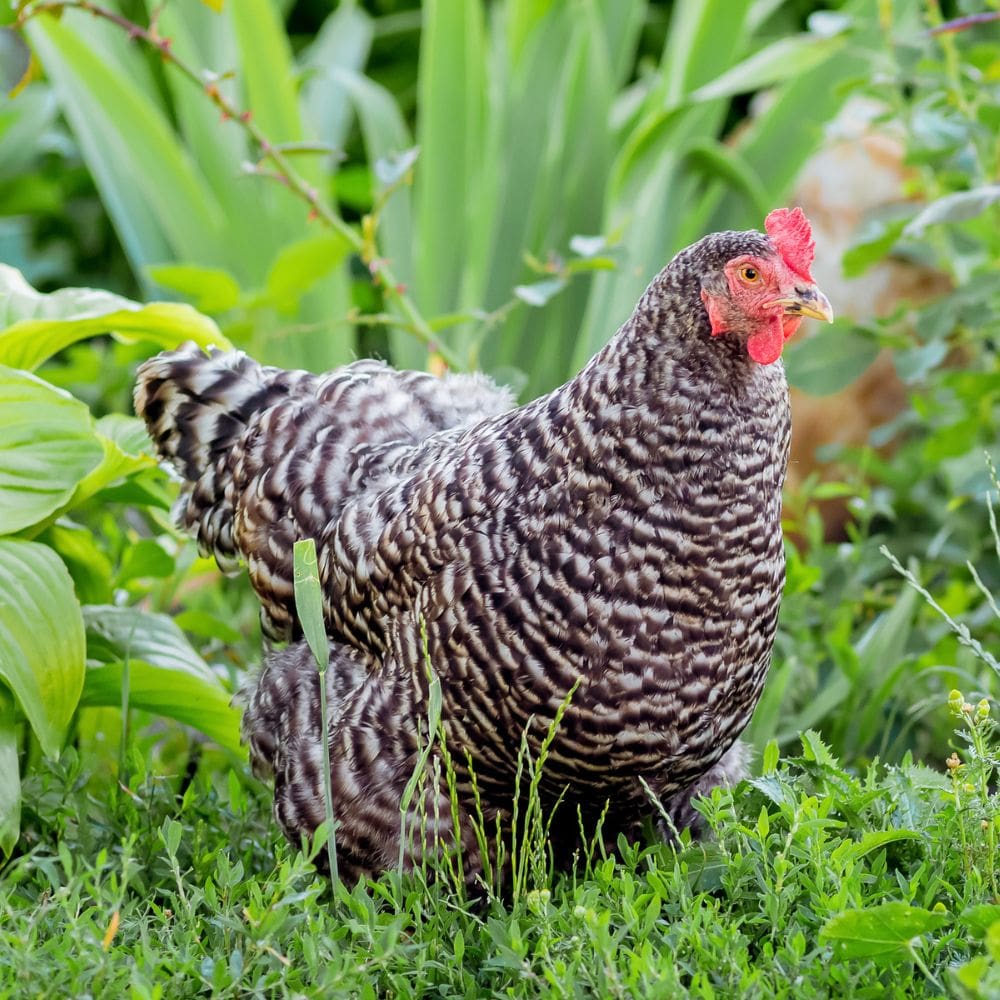
It’s a sturdy looking bird, with white skin and yellow legs. Two of the most striking features is the yellow beak and the bright red single comb. The roosters have long, beautiful tail feathers, while the hens have a squarish body. Plymouth rock chicken weight varies between the hens and roosters: The roosters tend to be larger, weighing in at around 8 pounds, while the hens are around 5 pounds.

What Colors Do Plymouth Rocks Come In?

Plymouth Rock chickens don’t just come with barred feathers (although in my opinion, they’re the most beautiful!) Another popular option is the White Plymouth Rock Chicken, although it’s lesser known than the barred variety.

Plymouth Rock chicken colors include:

  • Barred
  • Blue
  • Buff
  • Colombian
  • Partridge
  • Silver Penciled
  • White
Columbian Plymouth Rock

What Is The Plymouth Rock Chicken Used For?

It’s an excellent dual-purpose bird. Their large size Is ideal for meat production. It also boasts fine egg laying capabilities, and a single hen can produce 200 eggs per year. These days, they’re also kept as pets, and in breeding programs that want to raise sex-linked chickens.

Are Plymouth Rock Chickens Noisy?

Not compared to other breeds. The Plymouth Rock Chicken is usually a quiet bird, and you might notice the roosters don’t crow as much as other breeds (Buff Orpington or Brahmas, for example). They make for quite good neighbors. Those rare times when they DO make a commotion is a good sign that something sinister is afoot, like a raccoon, or a potentially bad weather (usually it’s a predator though).

How Long Do Plymouth Rock Chickens Live?

The standard life expectancy of these fluffy butts is usually 6 to 8 years but some have been known to live until 10 to 12 years. Like any other breed, your chickens’ lifespan depends on factors such as genetics, feed, and housing (a well built predator-proof coop with good quality chicken wire is one place to start). You can read more about how long chickens live here.

Are Plymouth Rock Chickens Cold Hardy?

Yes! Considering the heavy snowfall and occasional negative temperatures of their home state of Massachusetts, yes, Plymouth Rock Chickens are quite cold-hardy. Because of this, large numbers are not required for survival; they are ideal for small individual farms with low chicken populations and cold weather.

Can Plymouth Rock Chickens Fly?

Although the Plymouth Rock Chicken is not considered a strong flier compared to other birds, they are capable of limited flight. They can fly up into roosts, but not really much more than that. You can read more about whether chickens can fly here.

Plymouth Rock Rooster

Are Barred Rock And Plymouth Rock Chickens The Same?

Yes, the Barred Rock is just a color variation of Plymouth Rock Chickens. You can read more about Barred Rocks here. They are technically the Barred Plymouth Rock.

Coops For Plymouth Rock Chickens

What Kind Of Coop Does This Breed Need?

Plymouth Rocks do best with plenty of room inside the coop (about 10 square feet of space per chicken) so that they can move around. It should also be predator proof, include roosts, and space for a feeder and waterer. In this article, I show you 55 different coops you can build yourself.

What Kind Of Predators Attack These Chickens?

Considering how valuable they are as food to humans, it is not surprising that predators like raccoons, wolves, and other fierce animals also prey on these birds. You can learn more about how to spot chicken predators here (based on their footprints).

Plymouth Rock Chicken Eggs

Are Plymouth Rock Chickens Good Layers?

Yes! They’re one of the champion egg layers of the coop! You’ll find your Plymouth Rock heb lays 280 eggs per year, which amounts to about 5 eggs a week.

What Color Eggs Do Plymouth Rock Chickens Lay?

The Plymouth rock chicken egg color is a light brown (some say it’s the color of a latte). The actual shade will vary from bird to bird. Stresses like extreme heat can also effect egg shell color. You can learn more about abnormal eggs you might find here.

Brown Eggs in Hands

At What Age Do Plymouth Rocks Lay Eggs?

Plymouth Rock hens begin laying their eggs at around 6 months. However, several factors can effect when your chickens lay eggs (and how often), such as diet, time of year, environmental stresses, etc. You can learn more about how often chickens lay eggs here and reasons why chickens stop laying here.

To prompt your hens to lay (assuming they’re the correct age), you should offer clean nesting boxes in a quiet place. You can learn more about nesting boxes here.

How Long Do Plymouth Rock Chickens Lay Eggs?

Like other chickens, Plymouth Rock hens will lay eggs consistently for the first 2-3 years. After that, you’ll likely see a decrease in the amount of egg laid each week, until she stops laying altogether (there will be some champion layers who lay until they’re a ripe old age, so these numbers are just generalizations).

Common Health Issues

As with any other chicken, Plymouth Rock chickens are susceptible to lice, mites, worms, and other parasites. To help boost their immune systems and beat the bugs, feed apple cider vinegar and crushed garlic daily. You can learn more about my favorite herbs for deterring mites here. Find some of my favorite resources to help you with chicken health here.

5 Best Hatcheries to Start a Flock of Plymouth Rocks

plymouth rock chickens

1. Meyer Hatchery

Location: Polk, OH

Find more information and prices here: Meyer Hatchery

Located in Ohio, Meyer Hatchery is one of the many chick hatcheries nestled in the country’s heartland. It sells all kinds of chicken-raising supplies, including books, coops, and even hatching eggs and incubators. 

Meyer Hatchery has a minimum chick order of just three birds. You can order at most times throughout the year and you’ll still be able to raise a small backyard flock. Meyer’s also offers on-site pick-up if you live nearby. 

Advantages

  • Can be vaccinated for Marek’s 
  • Shipped with gel vitamin pack 
  • Small minimum chick order

Disadvantages

  • Minimal discounts for buying in bulk 

2. Cackle Hatchery

Location: Lebanon, MO

Find more information and prices here: Cackle Hatchery

Cackle Hatchery is a massive online hatchery that sells more than 185 different kinds of chickens. Not only can you buy regular chicken breeds, like Plymouth Rocks, but you can also find several rare breeds along with numerous bantam options. 

Cackle also sells other species of poultry, such as ducks, geese, turkeys, game fowl, and more. The company also sells fertile hatching eggs if you want to try raising your own birds. They have a 3 bird requirement, which is great.

You can buy Plymouth Rocks seasonally from February through September. 

Advantages

  • Significant discounts for male chicks 
  • Extra birds included with order in most cases 
  • Sent with straw pads and heat packs 

Disadvantages

  • Limited availability at certain times of the year

3. Chickens for Backyards 

Location: Phillipsburg, MO

Find more information and prices here: Chickens for Backyards

Another Midwest chick hatchery to consider is Chickens for Backyards. This hatchery sells day-old pullets, cockerels, and straight run birds. 

Chickens for Backyards offers exceptional customer service. You’ll get a hatch date emailed to you within just 30 minutes of placing your order. Your poultry will arrive just one to three days after that date. 

This hatchery doesn’t only sell chicks, either. You can stock up on all of the gear you need to raise backyard chickens here, including feeders, waterers, thermometers, and more. 

Advantages

  • Hatchery sells all kinds of chicken raising supplies
  • Website has plenty of chick care info
  • Ship date emailed upon checkout

Disadvantages

  • Shipping can be expensive

4. My Pet Chicken

Location: Monroe, CT

Find more information and prices here: My Pet Chicken

My Pet Chicken specializes in small orders – you can purchase as few as three chicks. You Don’t have to stick to just one breed, either. You can always mix and match so that you have a colorful flock of backyard layers. 

Located in Connecticut, My Pet Chicken offers a great resource for new, first-time chicken owners. You’ll find all kinds of helpful information on the company website, including plenty of resources that will guide you on how to start raising chickens

My Pet Chicken offers all kinds of Plymouth Rock chickens, including the incredibly popular Barred Rock.

My Pet Chicken sells other kinds of equipment, too. This website and hatchery are definitely geared more toward “pet” chicken owners, specializing in gear like chicken diapers and saddles, among other things you might need. 

Advantages

  • One of the best places to find advice on raising chickens
  • Mix and match breeds to fill your order
  • Small minimum order requirements

Disadvantages

  • Limited availability 

5. Stromberg’s Chickens

Location: Hackensack, MN

Find more information and prices here: Stromberg’s Chickens

Stromberg’s is a hatchery located in Minnesota – and it’s one of the best places to find Plymouth Rock chicks. This hatchery is one of the largest in the country, specializing in baby chicks of all breeds but also adult birds, hatching eggs, and equipment, too. You can buy everything from wild birdhouses to baby doves here!

When you buy Plymouth Rock chicks from Stromberg’s, you’ll pay zero shipping costs if you are buying hatching eggs. Although there is limited availability of chicks at certain points throughout the year, you can buy hatching eggs at any time. 

Advantages

  • Sold as hatching eggs and live chicks 
  • Discounts for orders of 25, 50, and 100 chicks
  • Shipping costs are included on hatching eggs

Disadvantages

  • You do not automatically get your shipping date at checkout 

Summary

In summary, the Plymouth Rock chicken has been one of the leading chicken breeds for well over a century, and not by coincidence. These rugged fowls put little stress on their handlers, while putting lots of yummy eggs in their bellies. With enough color varieties to satisfy owner whimsy, these are good-looking birds that certainly are among the best chickens for a backyard flock!

Hey y’all! Here’s this week’s sneaky peek photos of life on our farm!

These images also appear on my Instagram account where I share MANY more photos and stories from the farm!

If you aren’t yet following me there, you can right here.

Enjoy the photos & be sure to share some of yours with me!

https://www.instagram.com/p/Bx-zlcNgvZh/

https://www.instagram.com/p/ByHKSIPAXjr/

https://www.instagram.com/p/ByJmocNALJr/

https://www.instagram.com/p/ByLhlI9AEmM/

https://www.instagram.com/p/ByRX8KYgfTf/

https://www.instagram.com/p/ByTx_44gQmk/