If you are a backyard chicken keeper then you have an amazing life. However, even the most fantastic life can have challenges and when it comes to poultry parenting chicken predators are your enemies.

From foxes and raccoons to hawks and snakes, there are numerous animals that see chickens as a tasty meal. Keeping your feathered friends safe from these predators is a top priority. So, let’s dive into the world of chicken predators and learn how to protect your flock from harm.
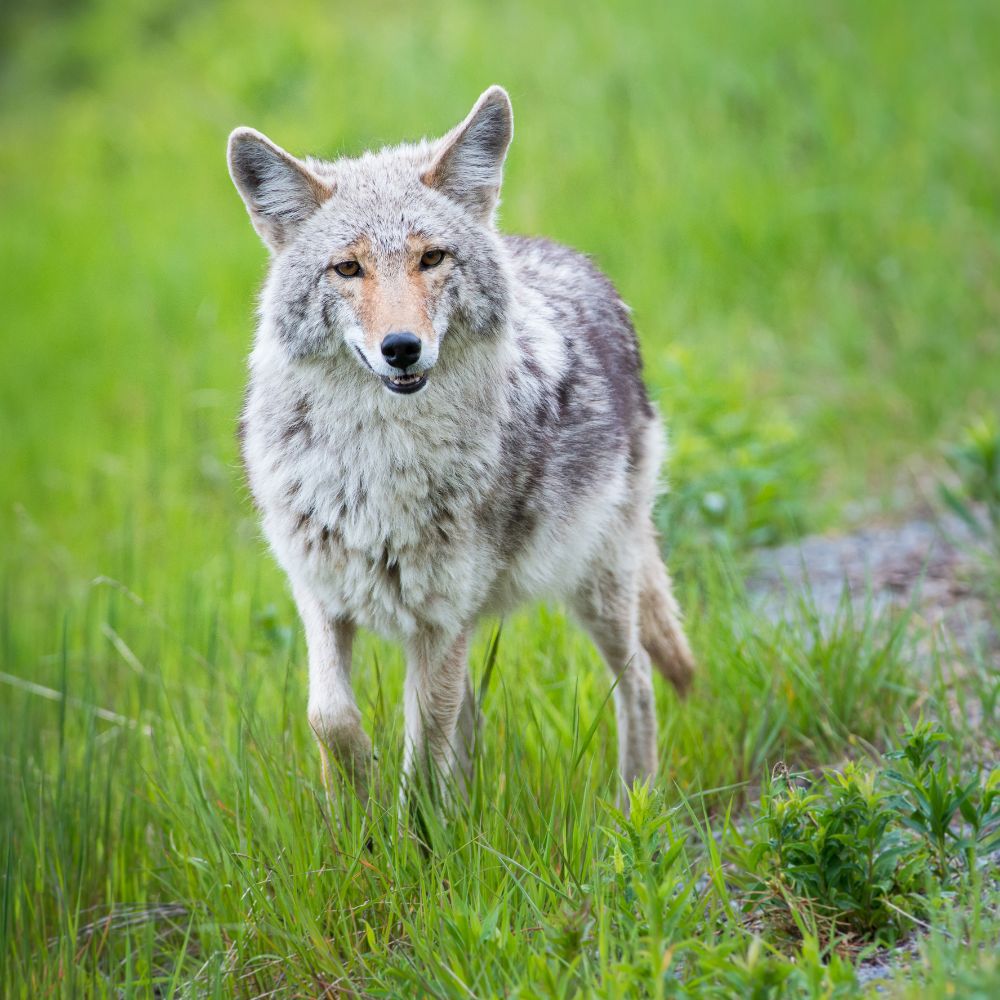
Coyote standing in green grass

Top 5 Chicken Predators

#1 Domestic Dogs

Dogs may be man’s best friends, but they aren’t always good friends for chickens. Sure, you may have trained your own dog to understand that your pecking pals aren’t dinner – but neighbor dogs, or stray dogs, might be a different story.

If you know just a few families that own chickens then you have likely heard stories of a dog killing half their flock at some point in time.

I have personally been the owner of a dog that got out of our yard due to a failed underground pet fence – who then killed several of my neighbor’s chickens. It was tragic. We had to find another home for the dog (thankfully our little Peanut is thriving there) and replace our neighbor’s chickens.

The truth is that dogs have a natural hunting instinct, it’s just the way it is. If they are not properly trained they can put the hurt on your flock in a hurry. Even well-behaved dogs may see suddenly see chickens as a toy to play with especially if they are bored. We even have a wiener dog that has to be kept separate from our flock because his natural drive to hunt is undeterrable.

Dog Training

To prevent your dog from harming your chickens you will have to work diligently. It’s easiest if you train your dog from a puppy to be around the flock. I trained my current farm dogs by walking them through the coop as little pups every day as I did chores. The chickens pecked at them and it was scary. That was all it took. There are ways to train adult dogs as well, but that’s for another day.

When it comes to neighbor dogs or stray dogs, your only plan of action is to have your flock in a safe coop or run. I have personally started free ranging my chickens and just take the risk during the day. But I lock them up safely at night in a predator-proof coop.

#2 Hawks as Chicken Predators

Hawks have razor-sharp talons, incredible vision, and can swoop down on their prey like a stealth bomber. But when it comes to backyard chicken owners, these stealthy birds can quickly become the enemy. They are certainly one of the more common predators out there.

If you’re not careful, your flock could become the main course. So, if you’re raising chickens in an area where birds of prey are prevalent, you’ll need to take measures to protect your chickens from these feathered foes.

It’s sad, but also intriguing to see a hawk do what it was made to do. Nature has a balance that can’t be denied, but you can at least protect your pets.

Bantams and young birds are especially easy for hawks to pick up and fly away with because of their small size.

#3 Owls

Owls are fascinating creatures, known for their silent flight, keen eyesight, and eerie calls. However, for chicken parents, these nocturnal predators can be like a bad dream.

They have a keen eye for spotting prey from high up in the trees, and they are more than happy to swoop down and snatch up an unsuspecting chicken.

If you see or hear owls in the distance you’ll need to be ready to protect your precious birdies (especially at night when owls are active). After all, you don’t want your chickens to end up as a midnight snack.

#4 Coyotes as Chicken Predators

Coyotes have adapted to living in a wide range of environments, from rural areas to suburban neighborhoods. While they are typically thought of as hunters of small mammals like rodents and rabbits, they are more than capable of trying their skills on chickens as well.

These wild dog-like creatures are very sly, cunning, and patient. They’ll wait for the right moment to attack, whether it’s at night in the dark or even in daylight when you least expect it.

Don’t let these wily predators outsmart you – be proactive and take steps to protect your chickens from becoming a coyote’s next meal.

#5 Raccoons

Raccoons are notorious for their mischievous and curious nature, not to mention they can be adorable little creatures with their fuzzy bodies and masked faces.

However, these masked bandits are like the burglars of the animal world, always on the lookout for an easy meal. They’re capable of climbing fences and raiding chicken coops, and once they get a taste for chicken, they’ll keep coming back for more. It’s hard to believe something so cute and fun to watch can be such an evil chicken enemy.

Just remember that your chickens are more adorable and more productive, plus they lay breakfast. So don’t let these sneaky raccoon bandits make off with your prized chickens – be vigilant and don’t get bamboozled by this cute predator.

What Predator Is Attacking My Chickens?

So what do you do if you find a dead chicken, or a missing chicken, or a pile of feathers…or worse. It’s not uncommon to find a chicken without a head or evidence of entrails after an attack. It’s heartbreaking and life-changing. If this does indeed happen, you need to find out who is committing this heinous crime so you can stop them in their tracks.

There are several signs that can help you identify the culprit. The first step is to closely examine any chickens that have been injured or killed. Look for specific clues, such as puncture wounds, scratches, or missing feathers, as these can be key indicators of which type of predator is responsible.

For example, if you notice that your chickens have been bitten on the neck or back, it’s possible that a coyote is to blame. They tend to attack at night and may leave scattered feathers or tracks around the coop. On the other hand, if your chickens are missing entirely and there are no signs of a struggle, it’s possible that a bird of prey, such as a hawk or owl, is responsible.

And then there’s the raccoon. This bandit is known for its intelligence and ability to break into coops. Signs of a raccoon attack may include damage to doors or latches, as well as missing or injured chickens. Keep in mind that raccoons are nocturnal, so they are most likely to attack at night.

If you’re having trouble identifying the predator, consider setting up cameras to video the attacker in action. Or put on camouflage and paint your face black and set up a sting operation😆).

Other Potential Chicken Predators

  • Weasels
  • Bobcats
  • Opossums
  • Eagles
  • Cougars
  • Skunks
  • Mink
  • Crows
  • Wolf
  • House cat

Backyard Chicken Egg Snatchers

  • Snakes
  • Rats
  • Skunks
  • Opposum
  • Raccoon
  • Blue Jays

Ways To Scare Off Chicken Predators

If you are losing hens to predators, you need a plan of action… and fast. Here are some ways to help you win the war!

  1. Install Motion-Activated Lights: Many predators, such as raccoons and coyotes, are scared off by bright lights. You can install motion-activated lights around your chicken coop to scare off predators that approach at night.
  2. Use Noise-Making Devices: If you, and your neighbors, can tolerate it – loud noises can also be effective in scaring off predators. You can use a motion-activated alarm or even set up a radio near your coop to play music or talk shows.
  3. Install Fencing or Netting: If you are trying to free-range your chickens, you might have to give in to physical barriers or a pen of some kind. At the very least you could put barriers around the perimeter of your coop at night. This will help keep pesky predators from trying to break into your coop while your flock sleeps. You can also make sure you have the best chicken wire for your situation. Here is an article to help you with that: Chicken Wire For Coops: Buyer’s Guide
  4. Use Repellent Sprays: I’ve never tried it, but I’ve heard about it. Some commercial predator-repellent sprays are available that contain scents that deter predators. You can spray these around your coop to create an unpleasant non-welcome for predators.
  5. Hire a Dog: Not just any dog, but a livestock guardian. If you have a properly trained livestock guardian you will not have much trouble with predators of any kind. And they work for food. 😉
  6. Set Up Traps: You may have to get serious about your predators by setting up a trapping operation. The key is finding a good solution once you’ve trapped the culprit. You may need to call your area conservation department or wildlife services to find out what is acceptable.
  7. Simply Be Aware: One of the best ways to protect your flock is to keep a watchful eye out for potential predators. Check on your coop regularly and look for signs of predators, such as tracks or damage to the coop. And be diligent about closing the coop door each night.

Remember that preventing chicken predators requires a little bit of work and a lot of observation. By taking a couple of extra steps, you can keep your chickens safe and ensure their continued health and well-being.

Summary

Chicken predators are serious business. If you lose several backyard buddies it can be devastating both emotionally and financially. It’s important to stay on top of things to ensure the safety of your feathered friends. Backyard chickens can be very special pets and they deserve to be protected as much as possible. 💕
Other Helpful Articles

Magpie ducks are dapper and delightful birds with tuxedos to match. They’re the James Bond of the duck world, charming and sophisticated with a flair for intrigue.

These birds have a friendly personalities and make great companions, but don’t let their good looks fool you – they’re also top-notch egg layers. So whether you’re looking for a new addition to your flock or just a suave and stylish feathered friend, the magpie duck is sure to fit the bill.

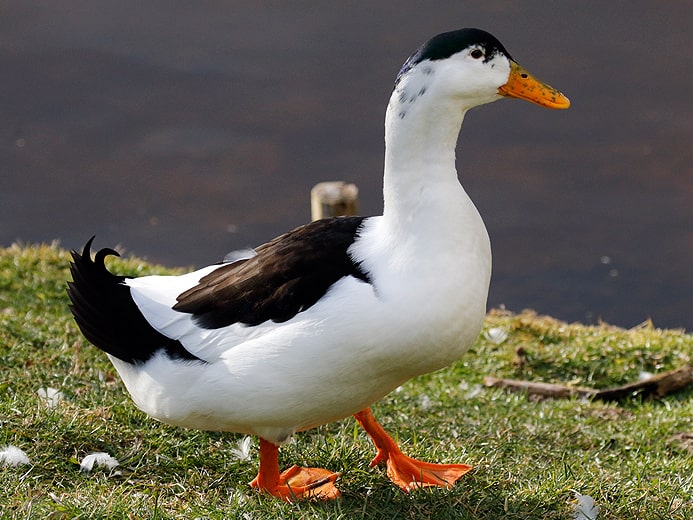
Magpie duck standing on shore of larke

History of Magpie Ducks

Magpie ducks are a breed of domesticated duck with distinctive black and white plumage, docile temperaments, and excellent egg-laying abilities. The breed was developed by Oliver Drake and M. C. Gower-Williams of Wales who crossed breeds such as the Ancona and the White Runner in the early 1800s. There are some varying opinions on the breeds used to develop the Magpie, but wherever the chips fall – it’s a winning combination.

Magpie ducks gained popularity for their unique appearance, gentle nature, and good egg-laying abilities. They were exported to the United States in the 1930s and continued to be bred despite a decline in popularity during World War II. They were fully recognized by the American Poultry Association in 1977.

Today, magpie ducks are experiencing a resurgence in popularity due to the rise of the backyard poultry movement. They are a favored breed among backyard duck keepers and hobby farmers worldwide.

Magpie Duck Appearance

The Magpie duck is a dapper bird, looking as if it’s dressed in a tuxedo ready for a night on the town. Its black and white plumage pattern is much like a penguin suit, with a stylish white bib and collar that make the sharp black tailcoat stand out.

It has a mixture of white and black feather colors, usually with wings and tail feathers predominately black. It has orange feet that stick out as it waddles around.

Its long neck and upright carriage provides for a proud stance that gives it a confident look. The crown of the head is black much like a cap or a top hat. Its beak is yellow or orange and its eyes are dark.

Overall, it’s an adorable duck with a striking appearance. They are certainly fun to watch at a pond or on a farm (or, of course, at a high-profile dinner 😉).

The Personality of Magpie Ducks

The Magpie duck may look like it’s dressed for a fancy dinner party, but don’t let its formal attire lead you to think it’s a stuffy snob bird – this duck knows how to have a good time! With a friendly and outgoing personality, the Magpie duck is always up for frolicking around with friends (human or feathered).

In fact, it’s been known to follow its favorite human around like a loyal puppy, quacking affectionately and seeking attention.

In addition to its other traits, this duck has curiosity, often exploring new places with its comical waddle and its head held high. It’s not afraid to get its feet wet, either – the Magpie duck is an enthusiastic swimmer, splashing and diving with reckless abandon. Ducks do love water after all.

The Magpie duck is a feathered friend you’ll be glad to have around. However, as with all ducks, this breed can be skittish and get spooked. If you raise them from birth and spend a lot of time with them, they will be less skittish than otherwise.

Magpie Duck Egg Production

Magpie hens are good layers and duck eggs are something you simply must try (if you haven’t already). Duck eggs are of gourmet quality (just ask a French chef if you don’t believe me).

They are reliable and consistent layers, producing an average of 220-290 eggs per year. The egg size is medium to large with a white or cream-colored shell.

Ducks of this breed begin laying eggs at around 5-6 months of age and continue to lay throughout the spring and summer months. They may slow down or stop laying during the winter months, especially if they are not provided with enough light or warmth.

Another factor that greatly affects egg laying is the quality of feed and treats. Nutrition matters so be sure to check the ingredients.

What Kinds of Pests Do Magpie Ducks Eat?

The Magpie duck breed is known for active foraging and will eat a variety of insects and bugs that they come across while waddling around a farm or backyard. Some of the most common insects and bugs that Magpie ducks eat include:

  1. Snails and Slugs- Magpie ducks are known for their love of snails and slugs. These are great sources of protein and are also high in calcium.
  2. Grasshoppers and Crickets – They enjoy chasing after and eating grasshoppers and crickets, which are high in protein and other essential nutrients.
  3. Beetles and Caterpillars – Ducks will also eat beetles and caterpillars, which are often found on plants and trees.
  4. Ants and Termites – This breed is also known to eat ants and termites, which are high in protein and minerals.
  5. Mosquitoes and Other Flying Insects – Magpie ducks will eat mosquitoes and other flying insects.
  6. Aquatic life – Perhaps these are not insects, but they are worth mentioning. Magpie’s enjoy things like small fish, tadpoles, and other creepy crawlie water dwellers.

It’s important to note that while Magpie ducks enjoy eating insects, they still require a balanced diet. Be sure they have high-quality feed, plus other sources of nutrition.

What Kind of Plants Do Magpie Ducks Eat?

The Magpie breed, like other ducks, are omnivores, which means that they eat a wide variety of foods, including grasses, weeds, and wild greens. Here are some examples of these greens that Magpie ducks may enjoy eating:

  • Dandelions
  • Clover
  • Chickweed
  • Plantain
  • Timothy grass
  • Orchard grass

How to Care for Magpie Ducks

  • Shelter- Provide your Magpie with a clean and dry duck house. It can be a chicken coop, a shed, or even a dog house. It just needs to get out of the elements and nest. The shelter should be well-ventilated and protected from predators.
  • Food – Feed your Magpie duck a balanced diet of high-quality feed or a mix of grains, greens, and insects. You might need to add brewers yeast to the feed if you can’t find duck feed (ducks have different dietary needs). Friendly warning: waterfowl feed cannot be found at every feed store, so plan ahead.
  • Water – Provide fresh and clean water at all times (they need constant access). Believe it or not they go through gallons of water each day.
  • Checkup – Magpie ducks are relatively low-maintenance birds, but they should be checked for any signs of injury or illness on a regular basis.
  • Grooming – If you want your duck to be extra friendly and used to handling you can groom them by cleaning their feathers and beak with a damp cloth. You can also trim their wings if necessary to prevent them from flying away.
  • Exercise – Magpie ducks are active and social birds that enjoy swimming and waddling around. Allow them to free range in a safe outdoor space, or provide them with a small pool or a pond for swimming.
  • Mess – It’s important to note that ducks are excellent at making messes. They do their business everywhere and they will spread water further than you think possible (from their water source). Ducks are amazing pets, but you have to know the good and the bad. So now you know.

By following these basic care guidelines, you can ensure that your Magpie duck stays healthy and happy.

Summary

Raising ducks can be super fun and satisfying, just like raising chickens. Trying new breeds, like the fancy schmancy Magpie is even more fun, especially for beginners.

Duck keepers around the world will tell you that ducks can be addictive. Just be sure you have the proper space and resources to care for them.

Other Duck Resources

An egg-bound chicken sounds horrific, and it can be. It is a common issue that can affect chickens of all breeds and ages. It may be embarrassing to your feathered friend, but this condition occurs when a hen is unable to pass an egg properly (yep, the egg gets stuck). If left untreated, egg-bound chickens can have life-threatening issues. Here’s a quick guide to help manage your egg-bound buddies.

A close up of a concerned chicken

What Does it Mean if Your Chicken is Egg Bound?

Egg binding occurs when an egg gets stuck in the hen’s reproductive system and cannot pass through. It is a serious condition that can lead to dehydration, weakness, and even death if not treated promptly. Just think about it…an egg that is stuck in a chicken can’t be good under any circumstances.

It can happen due to various reasons, such as the egg being too large, muscle weakness in the hen’s reproductive tract, or an obstruction in the oviduct. The condition can affect hens of all ages, but it is more common in older hens or those with underlying health issues.

It’s not an everyday event for most chicken keepers, but it can (and does) happen from time to time.

Symptoms of an Egg Bound Hen

When a chicken is egg-bound, it means that it is unable to lay an egg. As mentioned at the very beginning of this article – this condition can be life-threatening if not treated promptly. It’s important for chicken owners to be able to recognize the symptoms of an egg-bound chicken. Below are some common symptoms to watch for.

  • Lethargy – If your chicken is egg-bound, she may seem unusually tired or lethargic. She may be less active than usual and may spend more time sitting or lying down, oftentimes off by herself.
  • Loss of appetite -An egg-bound chicken may also lose her appetite and show little interest in food or treats.
  • Straining – When a chicken is trying to lay an egg but is unable to, she may strain or push, as if she is trying to pass something through her vent. You may notice her tail raised, and she may appear to be in pain. Abdominal straining is not something any bird will handle well.
  • Distress – Egg-bound chickens may exhibit signs of distress such as panting, rapid breathing, or unusual noises.
  • Swollen vent -The vent is the opening where the egg comes out of the chicken (a bit personal, right?). If your chicken is egg-bound, you may notice that her vent area appears swollen or enlarged. In some cases, you may also see a buildup of fecal matter on the feathers around the vent.

It’s important to note that not all egg-bound chickens will exhibit all of these symptoms. Some chickens may only show a few of these signs, while others may have more severe symptoms. Either way, if you suspect that your chicken may be egg-bound, it’s important to act quickly and not mess around.

By monitoring your chickens’ behavior and health regularly, you can identify any potential issues early on and take steps to prevent more serious problems from occurring.

Causes

Causes of egg binding in chickens can vary but are generally (not always) related to one or more of the following factors.

  1. Age – Older hens are more likely to experience egg binding as their muscles weaken and the egg-laying process becomes less efficient (we can all wear out).
  2. Poor nutrition – Chickens with a calcium deficiency or lack of vitamin D may have difficulty forming strong eggshells, which can lead to egg binding.
  3. Stress – Chickens that are stressed, either from factors such as temperature, loud noises, bullies in the barnyard, or scary predators, may have difficulty laying eggs.
  4. Lack of exercise – Chickens that are confined to a small space without the opportunity to move around may have weakened muscles that make it challenging to lay eggs. Obesity can also play a role.
  5. Nest box issues – A nesting box that is cramped or poop-filled can be a contributing factor. Also, a lack of enough laying boxes might inspire your hens to participate in an egg retention revolt (holding the eggs in because they can’t find a good place to lay them).
  6. Vent prolapse – If a hen lays an egg that’s too large it may cause swelling or a prolapsed vent. This can, in turn, cause problems that lead to a bound egg.
  7. Internal parasites – Parasites are troublemakers in many ways, and this is no exception. The stress of these tiny tyrants is enough to contribute to a bound egg.
  8. Genetic factors – Much like humans, some chickens get the short end of the stick with problematic genetics. This can cause some to be more prone to egg binding than others.

By understanding the causes of egg binding, you can take steps to prevent this condition from occurring in your flock. Providing your chickens with a healthy diet, plenty of space to move around and exercise, and a stress-free environment can help reduce the likelihood of egg binding. Regular monitoring of your flock’s health and behavior can also help you catch and address any potential issues before they become more serious.

Treatment Options

If you suspect that your chicken is egg-bound, it’s important to act quickly to provide her with appropriate care. There are several treatment options that can help your chicken to pass the egg. Here are the top go-to methods for helping an egg-bound bird.

Warm Baths

One common treatment for egg-bound chickens is to give them warm baths. Fill a tub or large bucket with warm water, deep enough to cover your chicken’s vent area. Soak your chicken in the water for about 15-20 minutes. This can help to relax the muscles and encourage the egg to pass. You may even consider using Epsom salts in the bath.

Of course, this might sound easier than it is…but it’s worth a try for sure.

Lubrication

Another treatment option is to use a lubricant to help the egg pass through the vent. Apply a small amount of vegetable oil or petroleum jelly to the vent area. Be careful not to push the egg further up into the oviduct. This will help to lubricate the area and possibly ease the passage of the egg.

Be sure to use a latex glove to prevent infection in your bird and protect yourself (it is not a glamour job).

Massage

While you may not buy a spa package for your backyard buddy, you can try gently massaging your chicken’s abdomen to help to stimulate the muscles. By doing so you will encourage the egg to pass. Be gentle and avoid putting too much pressure on the abdomen, as this can cause further injury.

Veterinary Care

In more severe cases, veterinary care may be necessary…if you have a vet that takes chickens as patients. A veterinarian can provide medications to help relax the muscles and reduce inflammation. They can also perform a physical exam to determine the best course of treatment.

Try, Try Again

It’s important to note that not all of these treatment options will work for every chicken. If you try one treatment and it does not seem to be helping, it may be necessary to try a different approach. Additionally, it’s important to take steps to prevent egg binding from occurring in the first place.

Prevention

I’m sure you’ve heard the old saying “Prevention is the best medicine.” And it truly is. Preventing egg binding in chickens is crucial to maintaining the health and well-being of your flock. Here are some prevention ideas to consider:

  1. Balanced diet – Provide a balanced and nutritious diet by feeding a high-quality feed packed full of good ingredients and minerals. A great diet is essential for egg production and overall health. Make sure that your chickens are getting enough calcium, as a deficiency can lead to weak or soft-shelled eggs that are more difficult to pass. You can provide calcium supplements, such as crushed eggshells or oyster shells, to ensure that your chickens are getting enough of this important mineral.
  2. Adequate hydration – Dehydration can contribute to egg binding, so make sure that your chickens always have access to clean water. In addition to providing fresh water, you can also add electrolytes to their water to help keep them hydrated if needed.
  3. Exercise and space – Chickens need adequate space and exercise to maintain their health and prevent egg binding. Make sure that your chickens have enough room to move around and do the things they love, like scratching and pecking. You can also provide perches, ramps, and toys to encourage movement and activity.
  4. Regular checkups – Regularly monitoring your chickens’ behavior and health is key to identifying potential issues before they become serious. Observe your chickens’ behavior and look for signs of stress, such as decreased appetite, lethargy, or abnormal posture. If you keep a close eye on your flock, you will know when one is acting strange.
  5. Reduce stress – Stress can also contribute to egg binding, so taking steps to reduce stress in your flock is important. Avoid overcrowding or introducing new birds too quickly. You can also provide fun activities, such as dust baths, hanging treats, and regular human interaction.

By taking these preventative measures, you can help to reduce the risk of egg binding in your flock.

Summary

It’s not a topic any of us like to talk about, but stuff happens and we have to deal with it.

Just remember by providing your chickens with a healthy, stress-free environment and giving them the proper care they need, you can help prevent egg binding and keep your feathered friends healthy and happy.

When it comes to owning chickens, there’s a lot to love – the clucking of happy hens, the excitement of collecting freshly laid eggs, and the satisfaction of watching your flock work hard around your yard. However, amidst the joys of poultry keeping, there’s one aspect that can be quite unwelcome – chicken parasites.

These tiny critters can hitch a ride on your feathered friends and wreak havoc in your flock. But don’t worry, we’ve got you covered! In this article, we’ll take a closer look at these uninvited guests, from their sneaky ways to their pesky effects, and we’ll share some effective strategies to keep them from crashing your poultry party!

Up close of white chicken, looks concerned

Types of Chicken Parasites

Just like uninvited guests at a party, chicken parasites come in different forms, and each has its own nuances. Here are some of the most common types of poultry parasites:

  1. Mite Mayhem – These tiny arthropods are like party crashers that sneak in and make themselves at home in your flock’s feathers. They can cause intense itching, feather loss, and skin lesions, leaving your birds feeling uncomfortable and stressed.
  2. Lice Lurkers – These little insects are the freeloaders of the poultry world, feeding on your birds’ blood and causing feather damage, skin irritation, and reduced egg production. They can spread easily from bird to bird, making them unwelcome guests that can quickly overstay their welcome.
  3. Worm Woes – Internal parasites, such as worms, can be party poopers, causing all kinds of trouble in your birds’ digestive tracts. They can cause poor growth, weight loss, and even death in severe cases. These creepy crawlies can really put a damper on your flock’s health and productivity. Some common chicken worms are roundworms, tapeworms, cecal worms, and threadworms.
  4. Crafty Coccidia – These microscopic parasites are like the sneaky spies of the poultry world, invading your birds’ intestines and causing coccidiosis. This disease can lead to diarrhea and poor growth, leaving your flock feeling under the weather. It can even cause mortality (especially in young birds).

Excellent In Depth Resources for Chicken Parasites

If you want to dig in deeper and learn all the scientific details about chicken parasites, we have a plan for you. Click on the links below to find trusted resources on the subject at hand.

Symptoms of Parasite Infestations

Chicken parasite infestations, be they internal or external parasites, can have noticeable effects on your flock. Here are some symptoms to watch out for:

  1. Feather Fiasco – If you notice feather loss, scabs, or skin lesions on your birds, it could be a sign of mite or lice infestation. Your birds may be seen scratching or pecking at themselves in discomfort, which can be a real problem for their well-being.
  2. Egg Laying Blues – Reduced egg production can be a red flag for lice or mite infestations (or any parasites overload). These parasites can stress out your birds, affecting their reproductive health and putting a damper on your egg production goals.
  3. Growth Stalling – If your birds are not growing as expected or showing signs of weight loss, it could be a sign of internal parasites, such as worms. These unwelcome guests can steal the nutrients from your birds’ digestive tracts, leaving them feeling weak and unproductive.
  4. Diarrhea Drama – Diarrhea in your birds can be a sign of coccidiosis, caused by the coccidia parasites. This can lead to dehydration, nutrient loss, and weakness in your birds, making them feel under the weather, among other things. You can often tell that they are suffering because they might have pale combs (from anemia) and be standing in a corner all alone.

Strategies to Keep Chicken Parasites Away

Keeping your feathered friends free from pesky parasites is a top priority for any chicken lover. After all, who wants uninvited guests crashing their chicken coop? But fear not, with a little elbow grease and some specific strategies, you can prevent parasites from getting out of control.

Be a Clean Machine

Let’s face it, chickens bring a lot of joy, but they aren’t saints – they also love to make a mess. That’s why regular cleaning and disinfection are essential to keep parasites at bay. Roll up your sleeves, grab a broom, and make cleaning your coop a regular routine.

Clear out any litter, old straw, or spilled feed that could attract pests. Scrub your coop, roosts, and nesting boxes to make sure they’re squeaky clean. Be sure to clean all the cracks and crevices where creepy crawlies like to find refuge. Add some fun to your cleaning routine with a funky dance party or a catchy cleaning jingle!

To put a cherry on top, use some Cleanest Coop Ever! Coop Refresher – you’ll thank me later. 

Feather Inspections

Your chickens’ feathers are not just for looks, they can also reveal a lot about their health. Make feather inspections a regular part of your chicken care routine. Part their feathers and take a close look for any creepy crawlies or irritated skin. Be sure to check their legs, especially breeds with feathered legs and feet, for scaly leg mites.

If you spot any unwelcome guests, it’s time to show them the door with appropriate treatments like dust baths or nesting herbs. In severe cases you will need to decide whether or not to go to the next level and buy some medication to treat your friends.

Vent Health

It sounds gross and it is, but you need to regularly check the vents on your backyard buddies. Poo stuck to the vent area is a huge sign that you may have a parasite problem. Sometimes you can see actual parasites invading the vent area as well.

I won’t belabor this topic, but I will say – the vent is a telltale area that you don’t want to ignore.

Win the Worm War

Internal parasites can be a real problem for your birds’ health. But fear not, you can wage a worm war and keep those nasty parasites slithering away. Consult with your veterinarian, or a fellow chicken owner, or do ample research to develop a deworming strategy suitable for your flock.

Some folks prefer to use all-natural methods, and others like to use medical dewormers. It’s something you have to decide for your flock.

Meal Planning

A healthy diet is the foundation of good health, and it’s no different for your feathered friends. Provide a balanced and nutritious diet for your birds to keep their immune system in tip-top shape. First things first, they need a high-quality, high-protein chicken feed (and I don’t recommend skimping on this one as it is their main source of health).

Offer a variety of treats like herbs, fruits, and vegetables that are known for their anti-parasitic properties. Feed your flock special treats that boost their immune system and overall health. Your birds will gobble them up and love you all the more. You can find some amazing treats for you ladies and gents right here!

Prevention is Key

Prevention is the key to avoiding parasite party crashers. If you can keep them away, or at the very least – invade their life cycle – then you can be one step ahead of their family plan.

Consider using preventive measures like insect-repelling bedding, nesting herbs, or probiotics in your birds’ diet. It might be worth putting any new birds you add to your coop into quarantine to ensure they are pest free before integrating them.

These methods can help create a parasite-free zone in your coop and keep your birds healthy and happy.

Summary

In conclusion, keeping your chickens parasite-free doesn’t have to be overwhelming. With a little work and focused strategies, you can succeed …99.9% guaranteed! So, put on your work boots and party dress and do what you have to do!

One of the most interesting facts about Mallard ducks is that almost ALL domesticated ducks are descended from them. They are, essentially, the foundational duck breed. If you’ve been on this planet for very long, you have likely seen Mallard ducks more than once (even if you live in the city).

Let’s jump into the must-know facts about this intriguing duck breed! There is one very special fact you don’t want to miss (hint: you may be inspired to visit a certain hotel).

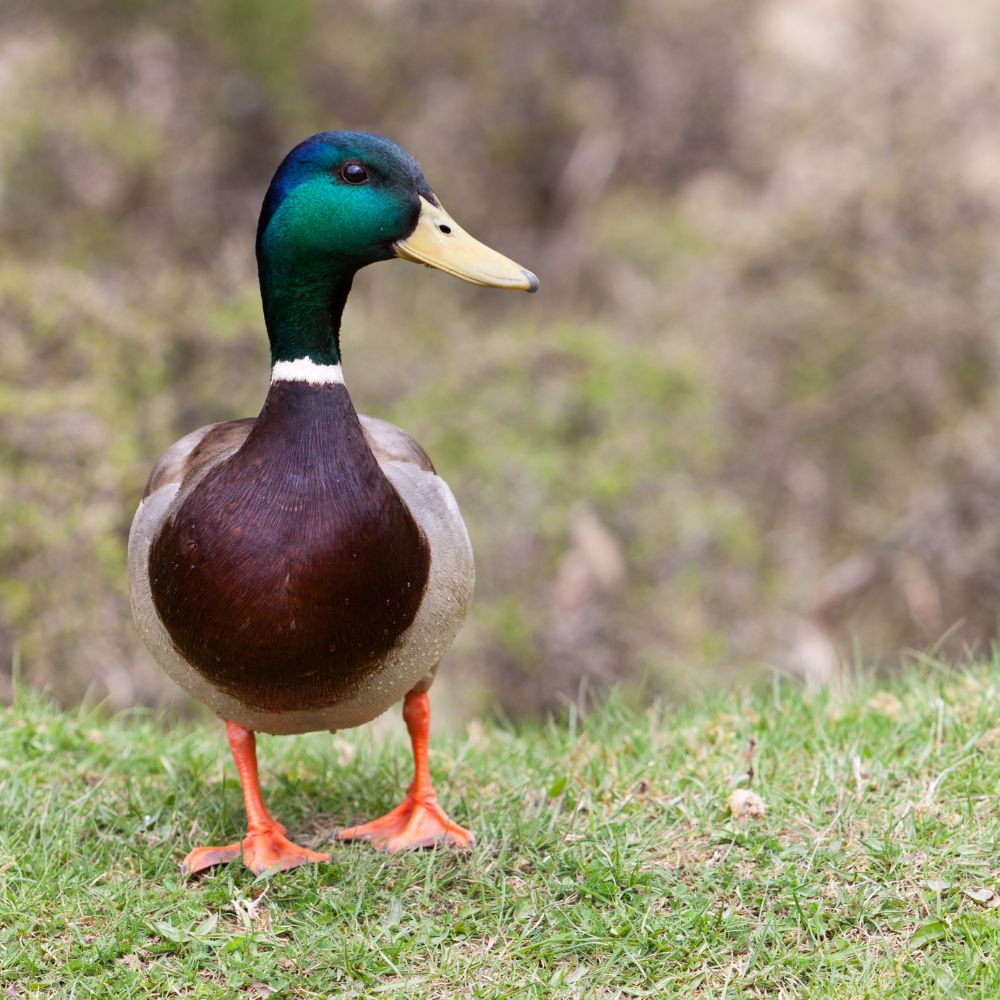
Mallard ducks standing on grass

Must Know Facts About Mallard Ducks

Where Did The Name Mallard Come From?

You can search high and low and find several different answers for why a Mallard duck is called a Mallard. One theory is that it is just a common name that comes from an Old French word that means “male”. It’s pretty simple and common but it fits the bill (so to speak) since most domesticated ducks are derived from the Mallard.

Another theory is more involved, involves a drunkard, and is quite entertaining. You can read about that here. There are more theories out there too.

Regardless of which theory you lean toward, they all seem to ignore the female Mallards. Poor girls. I suppose we can just call them all by their scientific name, which is Anus platyrhynchos. Whew, that’s a mouthful.

What Areas of the World Do Mallards Live?

Mallard ducks can be found in many places around the world – from Asia to Europe, and of course, North America. The majority do, however, migrate to the central and southern United States due to a lack of ice on the water (which they prefer).

The Mallard is distributed throughout North America, Europe, and Asia and has been introduced to many other parts of the globe. It is found across Canada but is most numerous in the prairie provinces. Mallards have recently been spreading eastwards and are firmly established in New Brunswick along the St. John River. Mallards are rare in Prince Edward Island and Newfoundland and Labrador, being replaced there by the closely related American Black Duck. Mallards have also spread north into boreal, or northernmost, forest zones in eastern Canada and along the James Bay and Hudson Bay lowlands.

Hinterland Who’s Who

Are Mallards Dabblers or Divers?

Ducks can be divided into two main groups. Dabbling ducks and diving ducks. Mallards fall into the dabbling duck group which means they eat mainly on the surface of the water. They do dunk their heads into the water but they don’t dive down into the water.

Do Mallard Ducks Migrate?

Yes, they do. They can fly over 800 miles in a single migration trip. That’s impressive. Check this out:

The average distance traveled by individual birds during fall migration was almost 875 miles. One of the first mallards (a drake) ever marked with a GPS satellite transmitter in Arkansas flew more than 500 miles during spring migration, from Minnesota to Saskatchewan, in only four days. This same bird made a remarkable one-day flight in early fall from Saskatchewan to south-central Iowaa distance of more than 900 miles!

Ducks.org

You have probably seen flocks of these migratory birds forming V formations across the sky from time to time. It’s always inspiring to see how well they fly together without a traffic controller. Amazing, really.

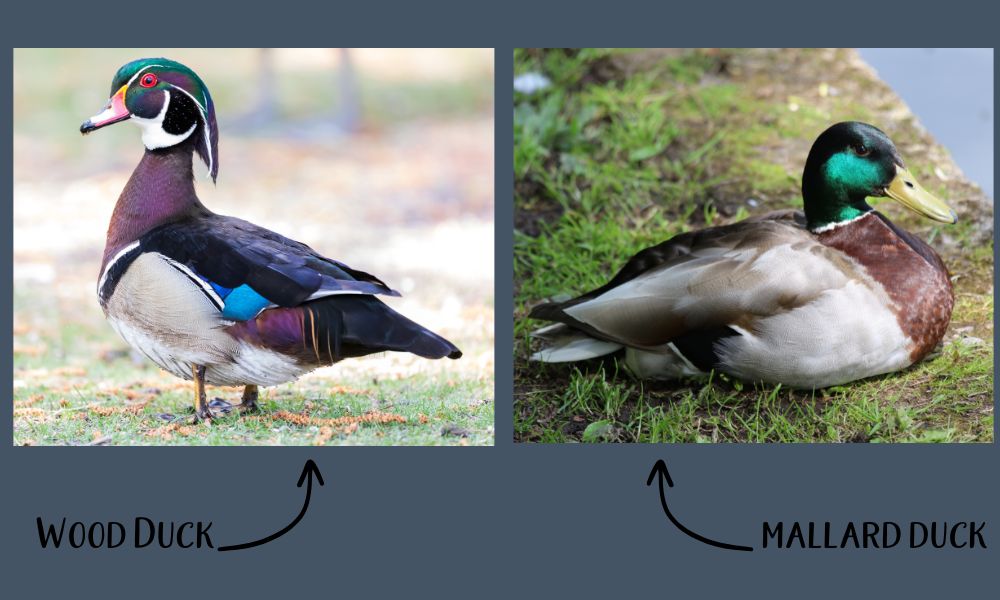
Are Mallard Ducks the Same As Wood Ducks?

Nope. If you aren’t a duck expert and aren’t specifically looking for details, then one could understand the confusion. However, if you take a moment to really compare them you can clearly see a difference.

Wood Ducks are a bit smaller, have distinct crests on their heads, and have different coloring and markings that set them apart. Plus Wood Ducks whistle and squeal while Mallard quack.

Both breeds are gorgeous and include iridescent green within their other color variations. They at least have those things in common.

Wood duck vs mallard duck

Do Mallard Males Look Different Than Mallard Females?

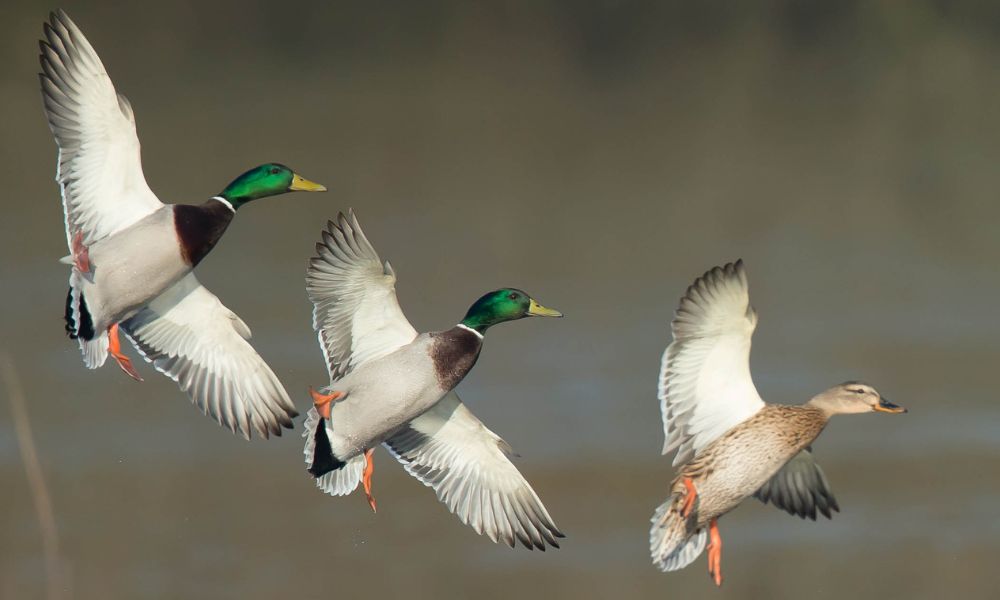
Yes. As is the case with many bird species, the male Mallard ducks sport a more colorful array of plumage (feathers). In the case of Mallards, the males (or drakes) have an iridescent green head, a yellow bill, a brown chest (aka breast), and a lovely white ring around their necks.

The female Mallard, or hens, are brown and have orange and brown bills. Although they are not as fancy as their counterparts, they are still beautiful ducks.

Are Mallards Rare?

No, they aren’t. There are a lot of Mallard ducks in North America and other places too (as they are found in most of the Northern Hemisphere). In fact, it is estimated that there are over 11 million Mallard ducks in North America alone. That’s a lot of ducks.

Whether you know it or not, you have probably seen many Mallard ducks yourself. They are everywhere, including urban and suburban city parks, ponds, and lakes. Mallards can also be found in less common places like marshes and wetlands in remote locations.

What’s So Special About How Mallards Fly?

Mallard ducks can spring up right out of the water without much ado. It’s quite interesting to see them go from swimming casually to instant flight, but they can do it. They can also fly vertically which is equally as impressive. This technique is especially handy for escaping predators.

Two drakes and one hen Mallard ducks flying
Drakes on the left, Hen on the right.

Do Mallard Ducks Pair For Life?

No, they do not. However, they do have a pairing ritual during each breeding season. This is called seasonal monogamy. Because of this, you will often see pairs of Mallard ducks, just not the same pair for life.

Are Mallard Duck Eggs Edible?

Mallard hens lay around 140 eggs a year. They are just like any other duck eggs and you can eat them. If you are raising the ducks yourself, the eggs will taste pretty much just like any other duck you would raise (provided they are eating the same food).

If you are wanting to try a wild Mallard duck egg, the flavor may be different because their habitats and diet are different than that of domesticated ducks.

Do Mallard Ducks Make Good Pets?

Mallard ducks can make good pets. They aren’t snuggle bugs by any means, but they can be distant companions. They are pretty self-sufficient and low maintenance. You can read this article to learn more about raising ducklings: How to Raise Ducklings.

Are Mallard Ducks Famous?

Yes! Mallard ducks are indeed famous. Have you ever heard of The Peabody Hotel in Memphis, Tennessee? If you have, then you have likely heard of The Peabody Ducks. Guess what? They are Mallards!

How did the tradition of the ducks in The Peabody fountain begin? Back in the 1930s Frank Shutt, General Manager of The Peabody, and a friend, Chip Barwick, returned from a weekend hunting trip to Arkansas. The men had a little too much Tennessee sippin’ whiskey, and thought it would be funny to place some of their live duck decoys (it was legal then for hunters to use live decoys) in the beautiful Peabody fountain. Three small English call ducks were selected as “guinea pigs,” and the reaction was nothing short of enthusiastic. Thus began a Peabody tradition which was to become internationally famous.®

The Peabody Hotel Website

The Peabody Ducks became ultra-popular. Several years later, a former circus animal trainer started training them to do a special walk, called the Duck March, to the hotel fountain every day and now this is a daily event that attracts thousands of tourists every year.

Read all about this adorable and intriguing show here.

What Do Mallard Ducks Eat?

They love insects of all kinds, snails, small fish, pond weeds, grass, and other water and land vegetation. They will also eat frogs, earthworms, acorns, grains, and aquatic invertebrates.

Backyard ducks will eat all of the above, but will also need duck feed. You can read more about this in the following articles: Pet Ducks – Good or Bad Idea? and What Do Baby Ducks Eat? Ultimate List Of Treats, Feed, Fruits, & Vegetables.

Is Caring for Mallard Ducklings the Same as Chicks?

Not quite. Caring for Mallard ducklings is similar, but a little more complex. First of all, ducklings need more niacin than chicks. You can, however, feed them a high-quality chick starter and add a niacin supplement. Also, according to Cackle Hatchery, you have to be very careful when introducing ducklings to water.

Delivery Instructions: Limit to 4 drinks of warm water, take away water and repeat every 15 minutes for first 1 hour. This prevents them from going into water shock.

Cackle Hatchery

Is a Permit Required to Own Mallard Ducks?

No. HoweCayuga Duck – Ultra Cool Duck Breedver, domestic Mallards have to be marked in some way to set them apart from wild Mallards. You can put earrings on the hens and ties on the drakes…just kidding. The hatcheries will take care of this for you.

Hatcheries will mark them by removing a back toe at hatching, or something similar, so the US Fish and Wildlife Department can tell that they were not removed from the wild if they were to check. It would be a rare occasion where such an occurrence would happen, but now you know.

Other Duck Articles

If you’re looking for a charming and docile duck breed, the Cayuga may be the perfect fit for you. Originally from North America, this black duck is known for its glossy feathers and calm demeanor. However, the coolest part about Caygua Ducks is that they can lay black eggs!

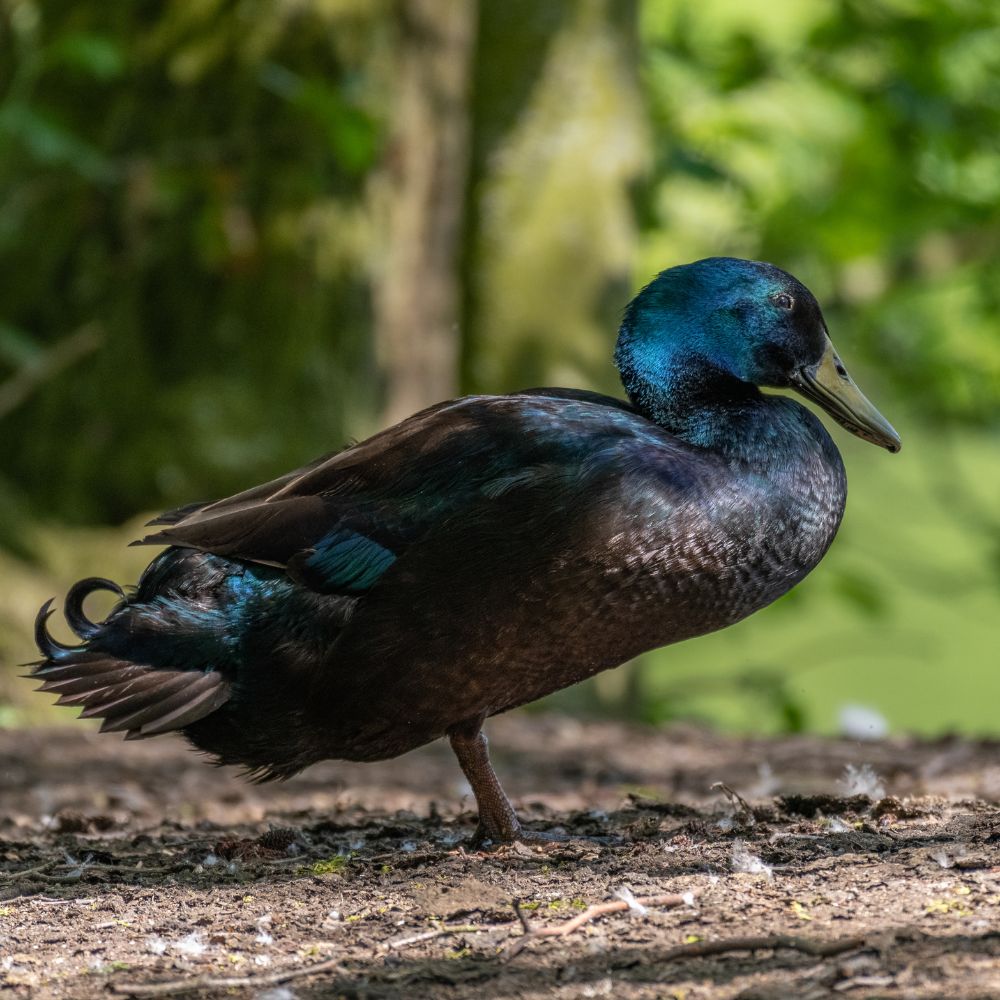
Cayuga Duck with blurred forest background

Cayuga Duck History Snipet

The Cayuga duck is a breed of domesticated duck that is native to Cayuga Lake located in New York, United States. So, you might just call it American-made! It surfaced right around 1840.

This breed is thought to be a cross between the Black East Indian and the Rouen duck. This cross was then refined over many generations by selecting the ducks with the blackest plumage.

Cayuga Duck Appearance

The Cayuga duck is known for its beautiful, lustrous, iridescent green-black feathers that shimmer under the sunlight. The greenish-black feathers on their back and wings are mostly black, but they fade into a blue-green hue towards the head and breast. Their bill and feet are glossy black, adding to their overall striking appearance. They are truly beautiful ducks.

Their body is plump with a broad, rounded chest and a long, slim neck that curves elegantly. They have small, oval-shaped heads with dark eyes that complement their glossy black feathers. The drakes (males) often have a curl at the end – this is called the drake feather.

The Cayuga is a decent-sized duck, with females weighing in at around 4.5-5.5 pounds and males around 6.5-8 pounds.

Cayuga ducklings have black feet, black legs, and black bills and are as adorable as can be (and as you might imagine baby ducks).

Cayuga Duck Temperament and Personality

The Cayuga duck breed is known for being friendly and calm. These ducks are sociable and enjoy being around people and can be integrated with other animals. They are also pretty smart and can learn quickly.

Cayuga’s are generally quiet ducks, and aren’t obnoxious noise machines, making them an excellent choice for urban areas where noise levels may be a concern. They are also a hardy breed, as well as active foragers. They really enjoy finding insects that you don’t want around!

In terms of temperament, the Cayuga breed is very docile and easy to get along with. They do not tend to be aggressive and are easy to handle, so they are good for beginners or families with young children.

However, they can become anxious or nervous if they don’t have enough space or are overcrowded in a small area for long periods. This is quite typical for most all ducks.

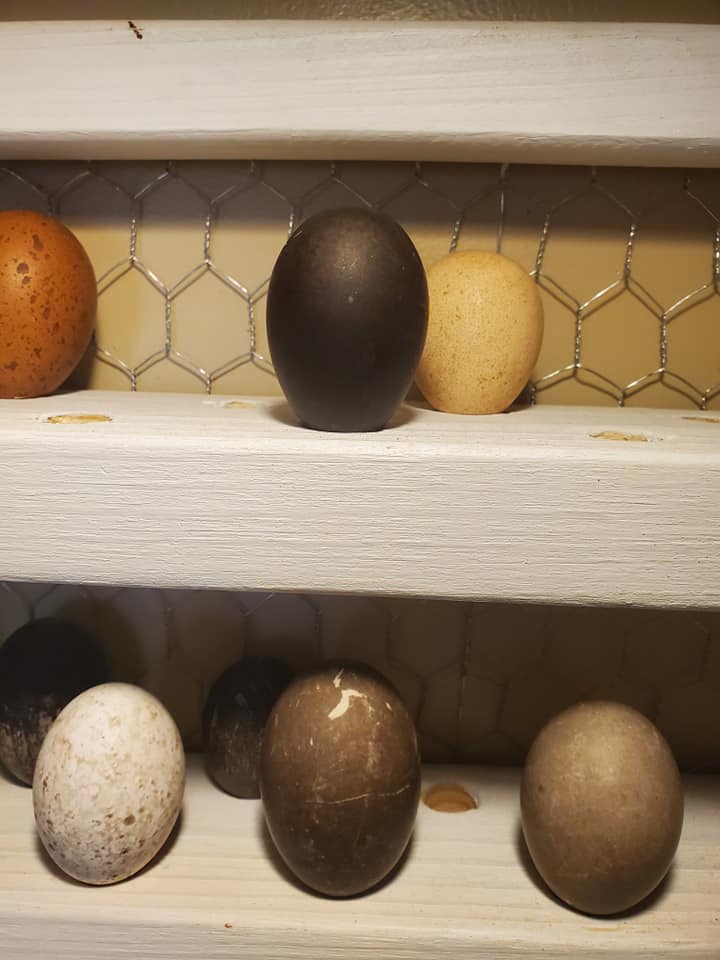
Cayuga Ultra Cool Eggs

The coolest part is that Cayuga hen’s eggs start out as a charcoal black color. As time goes on they do fade but black eggs are very rare and so much fun for egg collecting. Here is a very interesting article about black eggs: Black Chicken Eggs AND the Fountain of Youth.

Cayuga duck eggs are considered a delicacy by many because they tend to be richer than chicken eggs. Often preferred by chefs specifically for baking, they are high in protein, vitamins, and minerals.

You might be wondering how we common folk can use them for cooking. Well, they can be used in the same way as chicken eggs. Duck eggs are often used in quiches, omelets, custards, and frittatas. They make lovely, large deviled, or pickled eggs as well. Super-sized fun!

They aren’t overachievers when they lay eggs, but they do produce about 100 to 150 eggs a year.

How To Care For Cayuga Ducks

  • Feed them a high-quality feed like this
  • Provide lots of clean, fresh water for drinking and for playing in
  • Be sure they have a predator-safe coop
  • Give them treats like this to keep them friendly and approachable

Where to Buy These Beautiful Ducks

If you’re looking for a beautiful and easy to care for duck breed to have as pets, the Cayuga is a great choice to add to your flock. They are truly beautiful birds with excellent temperaments.

You can find these lovely ducks here: