It seems as if there are as many colors of chickens as there are unique and diverse groups of people. It’s a beautiful thing in both cases. Blue Orpington chickens are one of many, many breeds, but still an amazing breed and has a lot to offer.

You might be wondering not only about the attributes of this breed, but also what the difference is between a Blue Orpington and a Lavender Orpington. I did. Let’s find out now!
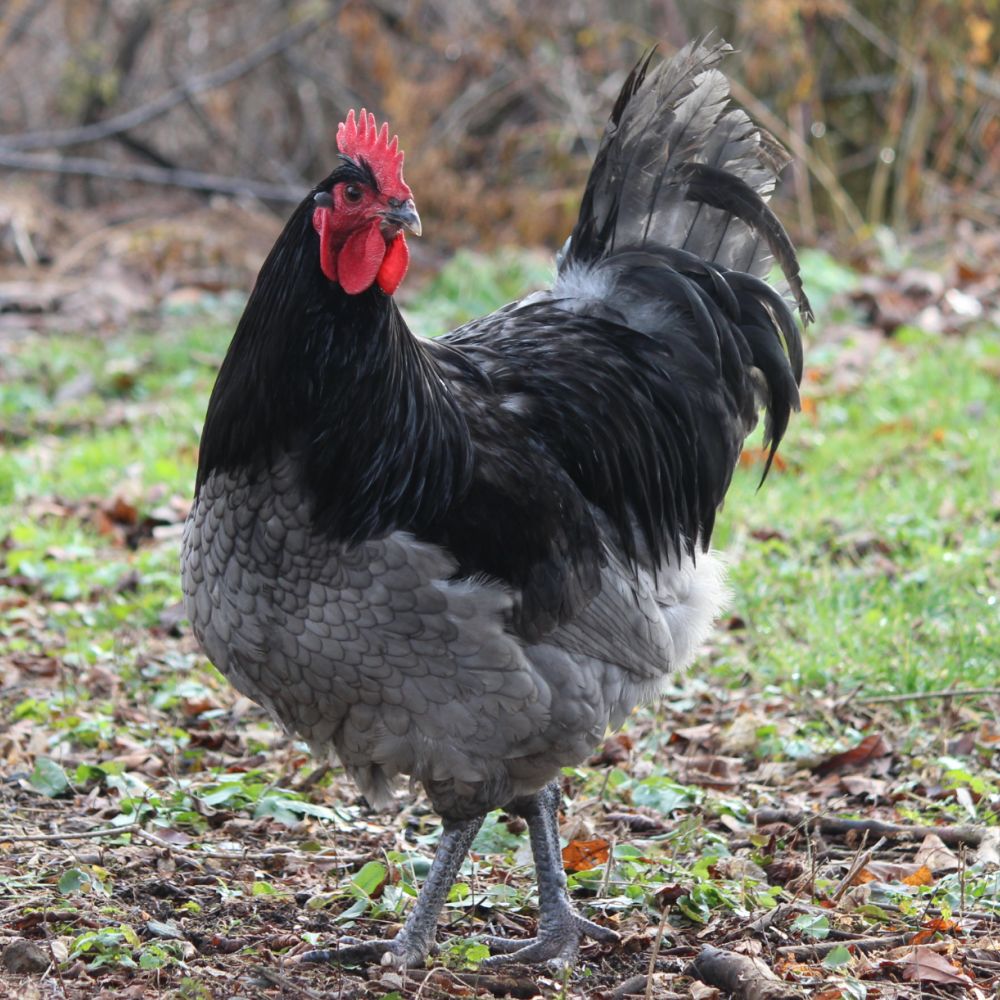
Blue Orpington from Meyer Hatchery Website
Meyer Hatchery Photo

Blue Orpington History Snapshot

The Orpington originates from Great Britain in the late 1800’s during the end of the “Hen Fever” that ignited an interest in peculiar breeds of chickens. This breed was developed by William Cook, a coachman who lived in Orpington, Kent. The Orpington was developed by crossbreeding a Minorca and a Black Plymouth Rock.

Oklahoma State University

You can trace chicken breeding WAY back in time. And during certain eras, there were many attempts to develop the perfect dual-purpose breed. The Blue Orpington is one such breed, and I think William Cook was successful. The Blue variety was a result of further development beyond the basic Orpington.

How Many Colors of Orpington Chickens Are There?

Opingtons used to be on the Livestock Conservancy’s endangered list, but it is no longer on this list. The breed is recognized by the American Poultry Association in four varieties: Buff, White, Black, and (of course) Blue. There are several other colors, however, such as Chocolate, Gold Laced, Lavender, and more.

Blue Orpington Appearance

If you are imagining a bright Smurf-colored chicken…think again. If you want to learn more about blue chickens read this article. Blue, in the chicken world, isn’t really blue – but it is pretty. It’s more of a slate gray.

They are similar to Lavender Orpingtons in color, only their feathers usually have dark edges. Lavender Orpingtons have a more even color and tend to be a lighter gray. Perhaps the biggest difference is that Blue Orpingtons do not breed true so you can get various coloring in offspring such as Splash and Black. Lavenders breed true but both parents have to have the lavender gene.

The females plumage is an even slate with dark lacing. The males plumage can have a dark slate hackle and saddle which is quite stunning. I must admit, I think the roosters steal the show (but that’s pretty typical in the bird world isn’t it?).

This breed appears larger than they are due to their fluffy feathers but they are still good-sized chickens. These fluffers are great in cold weather because of their fluffiness.

The beak, eyes, and legs usually coordinate with the body color in the slate color palette.
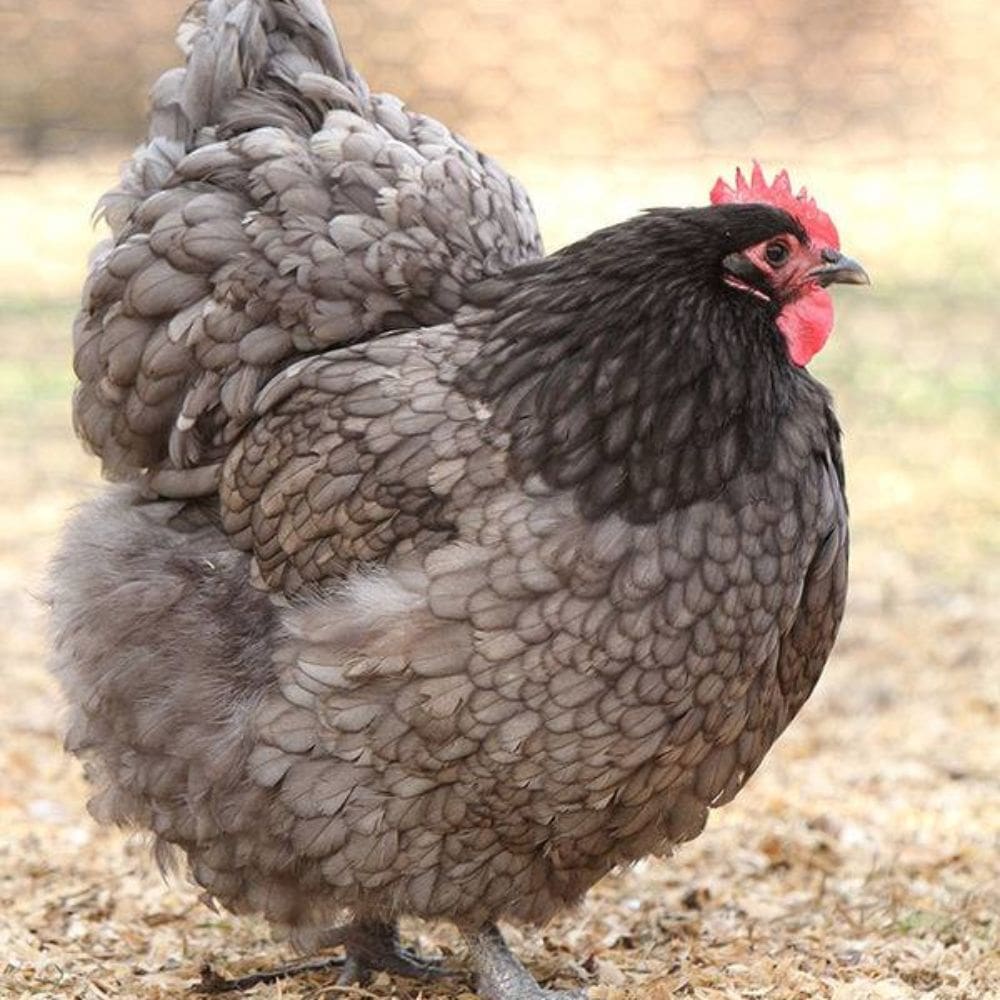
Blue Orpington from Chickens Are Fun FB Page
Chickens Are Fun Facebook Page

Blue Chicken Genetics

It’s complicated for most of us common folk. But it’s also interesting. The American Poultry Association has a great description. Below is a snippet of that.

Many individuals are curious about the difference between birds with self-blue plumage color and blue plumage color. Crossing blue birds with self-blue birds is typically discouraged as the offspring produced do not adhere to the standard for those breeds that have the two color varieties approved. Let’s explore the differences in the blue gene (Bl) and the lavender gene (lav).

American Poultry Association

Read all the fun details about breeding blue genetics and how it works here.

Blue Orpington Chicken Temperament

This is one of the best parts of this breed – their temperament! They are super friendly and wonderfully docile. These birdies are truly lap birds, especially if you spend time with them and give them nutritious treats! Here chicky chicky!

This breed can be quite broody, which is great if you want to hatch some chicks the natural way. Beyond that, they are excellent mothers. Here’s a great article about this topic called Broody Hen – To Help of Hinder, You decide.

Blue Orpington Egg Production

Blue Orpington hens lay around 200 to 280 eggs per year! I’d say they are excellent layers. Nice breakfast-producing buddy for sure. They lay light-colored eggs ranging from off-white to light brown.

Are Blue Orpingtons Good for the Table?

Yes, they aren’t just for egg laying, they are a great dual-purpose chicken. They way an average of 7 to 9 pounds which is a decent weight for a dual-purpose bird. Dual purpose was the goal of William Cook who developed this breed.

Caring For a Blue Orpington

  • Provide fresh, clean water at all times (treat them with warm water during super cold weather)
  • Feed a high protein feed with quality ingredients like this
  • Ensure they have adequate shelter and protection from predators
  • Boost their immune system with vitamins and minerals

Summary

Blue Orpington chickens are great at laying eggs, make a decent table bird, and are docile and beautiful. In other words, they are great all-around chickens. They can be broody which may be a con if you do not want a broody hen.

If you have trouble finding a Blue Orpington, or simply want to explore other similar breeds, you might research other varieties of Orpingtons. All of them have similar attributes. Read this article to learn more.

Where to Buy Blue Orpington Chickens

Blue Orpington chickens can be a bit challenging to find. Other more common varieties like Buff or Lavender are a little easier to find. Below are 3 Hatcheries to get you started but you can also check with local breeder groups on Facebook as well.

1. Meyer Hatchery

Find more information and prices here: Meyer Hatchery

Meyer Hatchery is based in Polk, Ohio, and boasts itself as the “premier Poultry Source.” Priding itself on customer service and availability, Meyer Hatchery provides a variety of chicken breeds to meet customer demands for color and diversity. They welcome the mixing and matching of breeds of the same poultry type to meet minimum order requirements for safe shipping. To help with orders, they have a calendar of hatchings. 

Meyer has a variety of means of communication, including multiple phone numbers, fax, and email. They also run a blog that covers everything from breeds to plant pairing with chickens, feed, cooking recipes, fowl entertainment, and survival tips. They have an abundance of breeds available for sale, including the much-coveted Blue Orpingtons.

And if you’re looking for another great resource when it comes to feeding your new Blue Orpingtons, be sure to pick up some of this chick starter. It’s loaded with all the nutrients your birds need to get off on the right foot!

Advantages

  • Website is up-to-date in real time. 
  • Accepts checks and credit cards
  • Guarantees gender of chicks either through refund or store credit.
  • Optional vaccination.
  • Member of the National Poultry Improvement Plan (NPIP), and provide NPIP VS Form 9-3 free of charge. 
  • Offer orders of over 100 chicks. 

Disadvantages

  • Limited store hours that change with the season. 

2. Hoover’s Hatchery

Find more information and prices here: Hoover’s Hatchery

Hoover’s Hatchery is a massive poultry production hatchery located in Rudd, IA. Hoover’s supplies many farm and garden supply stores in the United States with their chicks, making them a smart choice if you want to skip the middleman and order from the hatchery directly.

Plus, Hoover’s offers free shipping on practically everything you order. You’ll have to buy at least 15 chicks; so Hoover’s might not be the best option if you live in a city with chicken restrictions. However, as long as you’re willing to buy in bulk, it’s a smart choice. You can even mix and match your order by adding other birds of other chicken breeds along with poultry species like pheasants, turkeys, guineas, ducks, and more. 

They offer an Orpington assortment of Silver, Blue Chocolate, Jubilee, and Mottled. They do not guarantee the exact colors in the assortment.

Advantages

  • Excellent guarantee and refund policy in case of shipping problems
  • Hatches chicks during the winter, one of the few hatcheries to do so
  • Discounts on increased orders up to 25+.

Disadvantages

  • Large minimum order (15 to 20 depending on size)
  • They usually only have an Orpington assortment available

3. My Pet Chicken

Find more information and prices here: My Pet Chicken

 My Pet Chicken got started in 2005 by Traci Torres and her husband, Derek Sasaki, two novices to the chicken world who had a dream to help other novices in their farmers’ goals. To do this, they put free how-to information on the web and offered some unique products and services. 

The website launched in 2005 and in 2006, their flock had grown to the point to where they started offering chicks for sale from their headquarters in Monroe, CT. The site has been mentioned in other publications and serves tens of millions of page views per year. They offer a mix of Blue, Black, and Splash Orpingtons but have limited availability and the website should be consulted for the next available batch. 

Advantages 

  • Offers Marek’s vaccinations on all standard chicks at the click of a button.
  • Consistent hours of operation. 
  • A good source for questions about ordering chickens, chicken care, and about raising chickens.
  • Full refund for any bird that has been incorrectly sexed. 

Disadvantages 

  • Limited availability.
  • Does not have a storefront

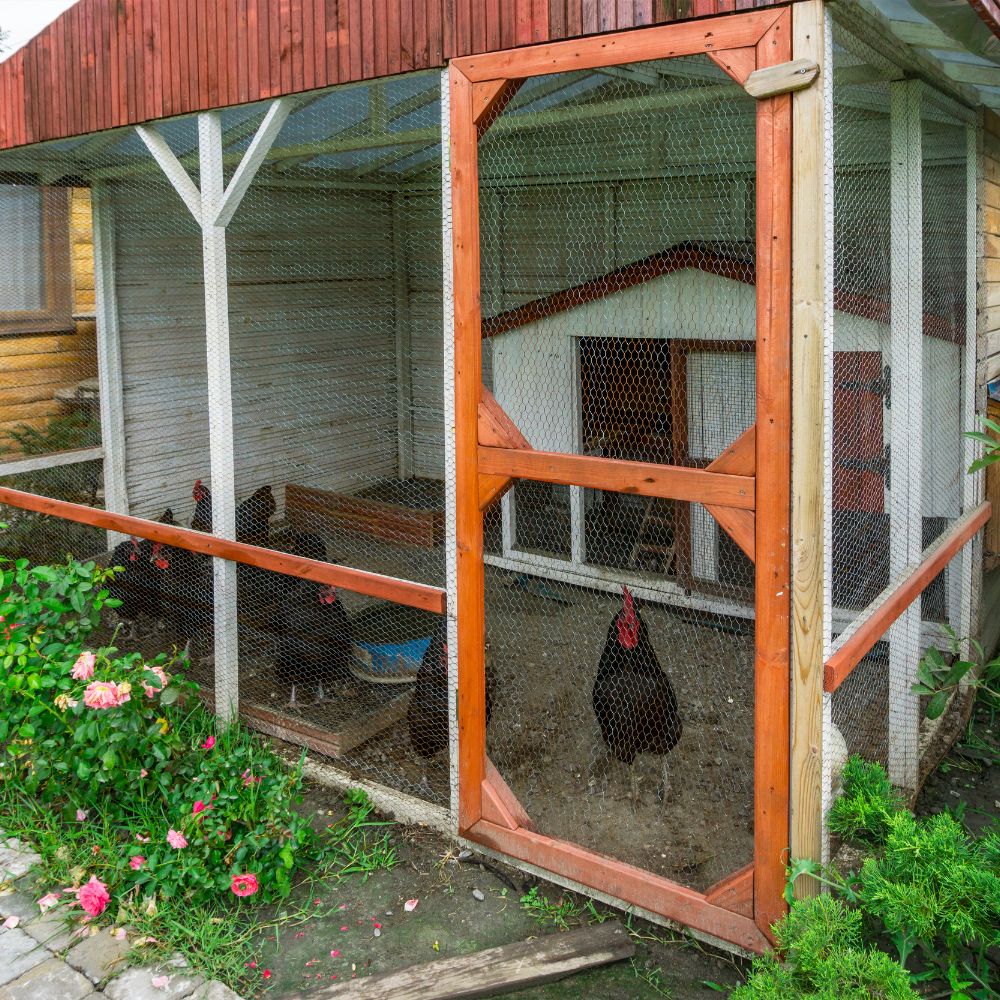
There are all kinds of walk-in chicken coops, both complete and ready-to-buy, as well as DIY plans, but there are a lot of things you need to think about before getting (or building) a coop. Trust me when I say, you don’t want to be stuck and irritated with the end result. This should be your flock’s favorite place, and you should enjoy it too.

If you are new to chicken lovers paradise, you might be thinking something like “a coop is a coop, what’s the big deal?” Well, as a long-time chicken owner – I will tell you that you need to put some thought into it. You can learn from my advice, or you can learn the hard way. Read on to take the easy road. 😉

Walk in chicken coop

Essentials for a Walk-In Chicken Coop

First up, we are going to get the essentials out of the way. Anything beyond this is just extra or preference, but the things I will point out here are necessary (in my experienced opinion).

Practical Coops

My father-in-law has a saying. I’m sure he didn’t coin the phrase, but he sure says it a lot. What is this saying? Here we go…”it was made to sell, not to use.” There are SO many products out there today that were made just that – to sell but not made to actually use.

Chicken coops, and chicken coop DIY plans, can definitely fit this clever little saying. There are many walk-in chicken coops out there that are just as cute as can be, or super fancy, or super cheap…that weren’t made with the users in mind (chickens and chicken owners alike).

Trust me when I say, you want a coop that is practical for daily use. As we go through the other essentials, keep this in mind the entire time. Never choose a coop just based on how cute or fancy or cheap it is.

Walk In or Duck In? That is the question!

We are talking about walk-in coops here. Walk-in chicken coops are amazing to use. There are a lot of walk-in coops out on the market that aren’t exactly walk-in coops. They are more like duck down-hunch over-squeeze in-coops. 😆 It’s all fun and games until you actually want to walk into your coop.

Since, I assume, you aren’t a hobbit – be sure you can walk in and stand up straight. You’ll thank me for this later.

Clean Dream

Let’s face it. Cleaning your chicken coop isn’t exactly the favorite thing in the world for chicken lovers to do. We want to watch our chickens peck about, we want to gather eggs daily, and we want to see our chickens running to us for treats (my chickens love these treats).

However, we have to clean the coop because our feathered friends are not going to do it themselves. This point goes hand-in-hand with the previous point about being able to actually walk into your coop without hunching, stooping, or crawling.

Your coop needs to be such that you can actually walk inside comfortably and use a little elbow grease…or shovel…or whatever you need to use to clean the coop out.

Any enclosures within that coop, such as the nesting box area or place the chickens get out of the weather to stay dry and warm, need to be reachable. Every corner needs to be accessible so you can clean it without sending your 3-year-old in to do the job. You want to be able to reach all the nooks and crannies.

Wire

Any wire on your coop needs to be such that small chicks can’t get out through the holes and that predators can’t get in. The kind of wire you need will depend on the kind of predators you contend with.

There are SO many kinds of wire out there. Everything from plastic “wire” (called netting) to galvanized wire to wire mesh. There are many sizes and weights, light-duty and heavy-duty, and the list goes on.

Whether you buying or building a coop you need to educate yourself before buying wire or choosing a coop. Everything you need to know is in these two articles we wrote: Chicken Wire For Coops: Buyers Guide and What Chicken Wire Is Best For a Coop?

Predator Proof

You won’t care how cute your coop is if predators can easily find their way in. Practical predator proofing is worth its weight in gold.

It’s important that the coop you build or buy, is strong and sturdy and doesn’t have areas that can be compromised easily. See the section on chicken wire because that is one of the biggest elements to keeping predators out. Everything from the size of the hole to the weight of the wire to how it’s installed and secured…all of these things make a big difference.

Some other things can make a difference in how predator safe your coop is. The weight of the coop’s frame itself might be a factor. Is it super lightweight? Some predators can wiggle their way under a light aluminum framed coop, for example.

You’ll need windows (or at least one window) in your coop for ventilation. Does the window have suitable chicken wire over it? Or can predators climb right in?

Learn all about how to build a predator-proof coop here. It’s also a good read even if you are planning on purchasing a coop – know before you go.

Ventilation

Chickens poop a lot. And chicken poop stinks and quickly becomes an ammonia-scented complex of moisture. This is pretty much unavoidable (unless you plan on thoroughly cleaning your coop a couple of times a week). Therefore, you need to have good ventilation.

Good ventilation helps keep your flock healthy, it also helps reduce mold and bacteria growth. Ammonia can be especially bad for respiratory systems (for both humans and chickens).

Another thing you can do to help keep your coop fresh and inviting is by using nesting herbs. They not only smell delightful, but they also serve a greater purpose as well. Check these nesting herbs out and read about the benefits here.

Space

How many chickens do you need to house or how many do you plan on housing in the future? This is important because your coop needs to be large enough to provide ample space for your chickens to thrive. Each chicken needs plenty of room to move about.

Whether or not you will be free-ranging your birds will alter how much space you need. Obviously, if you don’t free range, your chickens will be cooped up most of the day and would need more space in the coop and the run.

How much space does each bird need? Each bird needs about 10 square feet of space to live happily and healthy, especially if they are not free ranging. Read more about the number of chickens you should have in your space here.

Roosting

Chickens were made to roost. They need to roost. They want to roost. Chickens need roosting bars. It’s where they go to spend the night. If your coop doesn’t have roosting bars your chickens will try to roost elsewhere if they are free ranging.

If they aren’t free-ranging, they will be miserable and likely get sick. It’s also very hard for chickens to stay warm when huddling on the wet, poopy coop floor (especially if the floor of the coop is not insulated or doesn’t have much of a barrier).

Nesting Boxes

Hens need nesting boxes, or laying boxes, in order to lay their eggs with ease. Otherwise, they will lay their eggs all over the place if they are free ranging. If they aren’t free-ranging, they will lay their eggs on the floor or ground in the coop. The eggs will be soiled, broken, and your hens will be stressed.

Also, if you ever want your hens to brood their own chicks, they will need a place to lay and set on the eggs. It’s best to put nesting herbs in their boxes to encourage them to visit often!

Moveable or Stationary Walk-in Chicken Coops

There are all kinds of chicken coops, even when narrowing it down to walk-in chicken coops. There are coops that stay where you put them (made to be stationary) and there are coops that are meant to be moved regularly (often called chicken tractors).

As a side note, you might be a curious soul like myself and wonder why a moveable coop would be called a chicken tractor. At first, I thought it might be because you need a tractor (or something like it) to move the coop because it’s so heavy. That theory is weak because many of these are moveable by hand. The real reason they are called chicken tractors is that the chickens peck and scratch at the ground a bit like a plow…or tractor.

You need to decide if you want to move your coop around or not. If you don’t want to free range your flock, or can’t free range your flock, then a chicken tractor might be very beneficial. They allow your backyard buddies to clean up bugs and grass and get minerals and grit as well. Overall they will be healthier for it.

Chicken coops that are made to move are constructed differently. They usually have skids or wheels and they can’t be too heavy or you won’t be able to move them easily. You need to pay close attention to how these kinds of coops are built. Often times they are elevated a bit off the ground for easy movement, but that can open the way for certain predators to more easily dig their way into the coop.

Larger coops are usually such that you won’t be moving them. However, there are larger coops that are set up to literally be pulled by a tractor when they need to be moved.

Door Details

This probably goes without saying at this point, but the walk-in design needs to have a coop door that is an adequate size. Again, you don’t want to hunch and bend down to get into your coop. You need easy access.

You might have a moment where you think that’s not a huge deal as long as you can stand up once you are inside. However, for optimal cleaning, you don’t want to have to bend over every time you go in and out of the door with a shovel or tool or choice.

You will also want to be sure the door has a good sturdy latch to keep it shut and predator-proof. Some coops have a double latch entry system, some have sliding locks, and so on. Just be sure it’s safe and also easy to use. You don’t want to fight with the door lock every time you go in and out.

I often have something in my hands, like food scraps or treats, and need the door latch to be easy to open with just one of my hands.

In addition to that, the coop also needs a dedicated chicken door. This is much like a doggie door so your chickens can go in and out freely. If you free range they can go work all day but come back and forth to get a drink or lay an egg. If you keep them cooped up, then they will need constant access to their outdoor run as well.

Chicken Run or Chicken Enclosure

If you are not able or don’t want to, free-range your chickens then they will need a run of some kind. If you are using a stationary coop, then you need to attach an enclosed run for them to get sunshine, peck at bugs, and run around for exercise.

Now if you have a chicken tractor, the chickens will have access to fresh ground, grass, and bugs as long as you move the coop often enough. There is no magic number as to when to move the coop, it will depend on the size of your coop, the number of chickens you have in the coop, the time of year, and the condition of your land.

Weather Proof Walk-in Chicken Coops

You need to take into consideration what region you live in. Some regions have cold climates or even frigid climates, others have very hot climates, and yet others are in between.

If you live in a cold climate, for example, then you are going to need a coop that has a really warm place for your chickens to get out of the weather when needed. You likely wouldn’t want to choose a coop with an aluminum frame and a tarp as the cover. You might consider a coop that has an inner hutch they can get into.

If you live in a hot climate, you will need more ventilation and airflow. Some coops might need vents. In hot climates, you would not have to be as concerned about freezing temps even in the winter.

Most of us live where we have a little of both, cold and hot. Regardless of the weather you have to contend with you simply need to keep this in mind when you are deciding what coop to use. It’s better to think of this beforehand instead of after the fact.

Both coops that are already made and coop plans have all kinds of configuration options to choose from.

Summary

Considering a walk-in chicken coop for your backyard flock is exciting. Make it fun and don’t stress. Keep all these tips in mind so you can love your coop, not hate it.

Do your research and don’t compromise, you’ll be happier long term if you get something that works well and is easy to take care of.

Walk-in Chicken Coop Examples

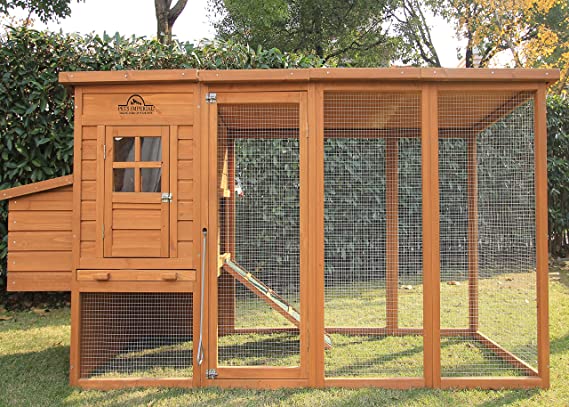
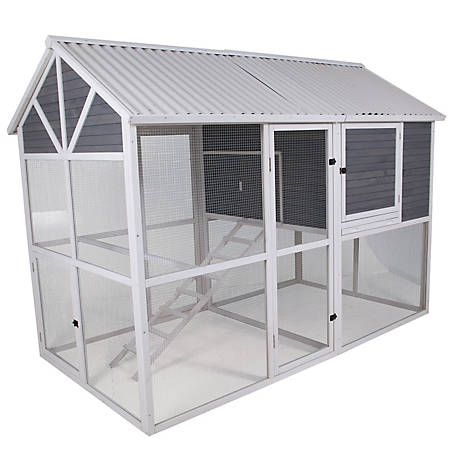
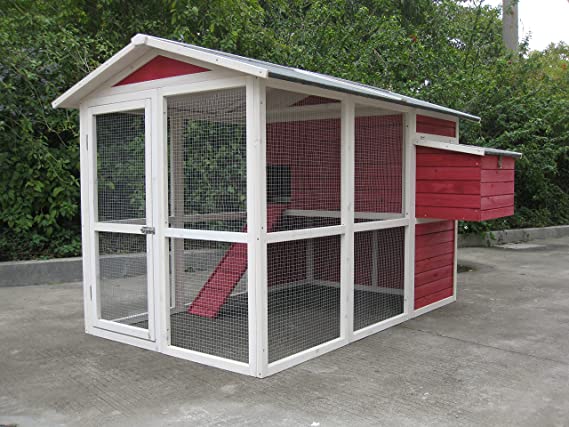
Below are a few walk-in chicken coops as examples that will give you an idea of some of the designs that are available. You can also find ideas and plans with a quick internet search.

Pets Imperial Arlington Chicken Coop

Pets Imperial® Arlington Chicken Coop

Tractor Supply Coop

Garden Walk-In Chicken Coop

Coops & Feathers Large Chicken Coop

Coops & Feathers Large Chicken Coop

Roost and Root Coop

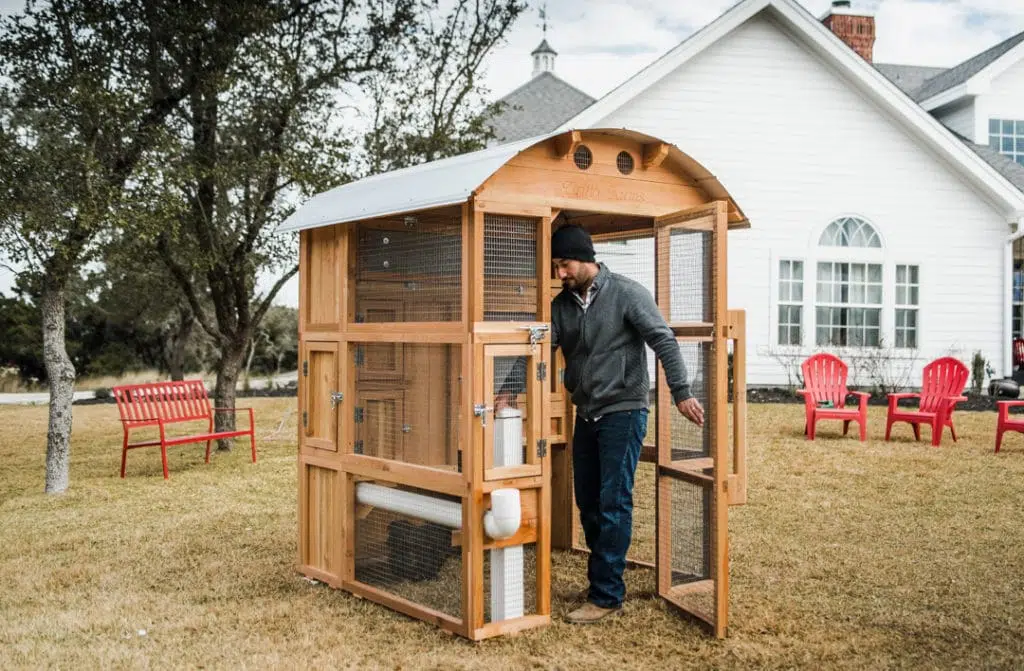
Roost&Root Round-Top Stand-Up Chicken Coop

Candling chicken eggs is an incredible experience that every chicken owner should experience. It’s truly a miracle in a shell! Beyond the experience, you may NEED to candle eggs if you are incubating them.

Egg candling is done to determine the quality of an egg, be it regarding the white, yolk, air cell, fertility, and more. Most importantly, egg candling can help you see whether or not a chick is developing inside an egg!

Ready to learn why it’s called candling, how to candle your own eggs, and why you should? Plus tips for incubating. Grab a bright light and read on!

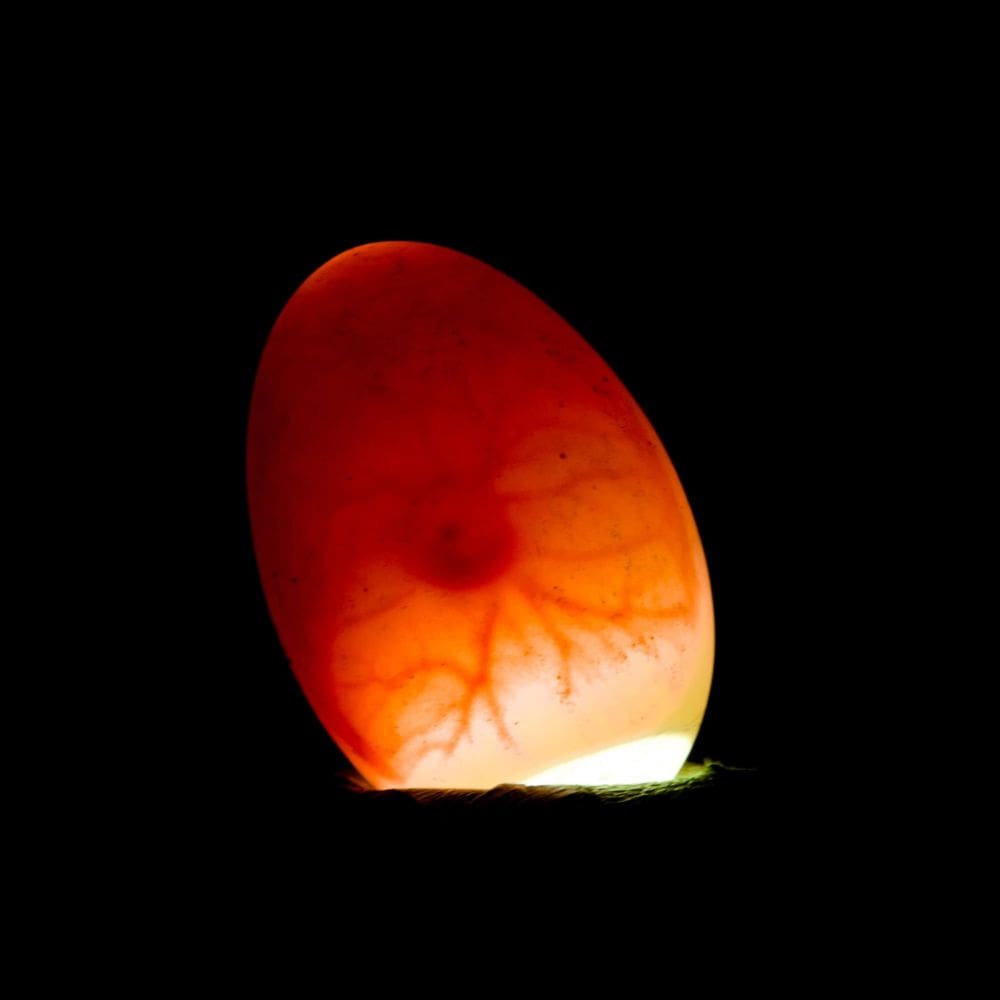
Egg being candled to check for fertility

What is Egg Candling?

If you’re new to incubating eggs, you might be wondering what an egg candler is and whether egg candling is something you should do.

Egg candling is a method that can be used to observe the development of embryos inside fertile eggs. It uses a bright light, shining through the egg, to show details of what is going on inside. This process can be done with all kinds of poultry, not just chickens.

It is named as such because early egg candling efforts were done using – you guessed it! – candles. Of course, that’s no longer the case. After candling my own eggs, I can’t even begin to imagine how challenging this way for those that only had the light of a candle! Yikes.

There are several reasons why people might choose to candle eggs. More often than not, this is something that someone might do if they are incubating eggs. 

Candling eggs that are to be incubated is a good way of determining whether they are fertile. Plus you check on the development and growth of an embryo. 

When Should You Candle Eggs?

When it comes to the timeline for candling eggs, there are several situations in which this might be appropriate.

To Ensure Fertility

For instance, you might candle to determine whether an embryo is developing inside an egg. If so, you should do this on the third day of incubating for a white egg. For a brown egg (or any egg that isn’t white), the best time to candle will be on the fifth or sixth day. This is due to the darker color of the shell as it will make it harder to get a good view inside.

To Watch the Development of the Chick

You can candle later on in the incubation timeline, of course, too. However, it’s most important that you candle early on, as this will help you determine whether an egg is fertile. Wait to candle until later, and the embryos that die early on (before that three to five day window) will be hard to distinguish from live ones. Dead, decomposing embryos are surprisingly hard to identify and no fun to find on hatching day.

In addition to early candling, you should also try to candle once every few days. This will help you observe the development and growth of your embryos. It’s an incredible experience to watch the development process.

It will also help you know if any die during the process so you can remove the rotting egg. It does happen, and sometimes there is no obvious rhyme or reason.

During the early and mid process, you can see the chick move around. It’s absolutely amazing!

In the late stages of egg development, you won’t see much – in fact, the lack of movement or visible features may lead you to believe that your chick has died. Fortunately, that’s rarely the case – it instead just means that the chick has grown so large that it is taking up all of the available space inside the egg. Hatching time is near! 

How to Candle an Egg

Light Source

There are several ways you can candle an egg. One of the easiest ways is to make a DIY candler by placing a light bulb (a low energy bulb is best, since it will be extremely bright without generating quite as much heat as a typical bulb) and a desk lamp inside a cardboard box. 

Cut a tiny, round hole in the top of the box, just large enough to place your egg into – the light should shine on the larger end of the egg where the air sac is located. Put your egg into the hole, then turn the light on. You should be able to see what’s inside of the egg with ease.

You can also purchase special devices and high-tech store-bought egg candlers or just use a flashlight. While an egg candler that is made specifically for this job will give you the best view, a bright flashlight (even a small flashlight) can often work just as well in a pinch. Either way you need a light source in order to see the development of the embryo.

There are even modern, high-power LED torches that you can use to candle an egg. Use one that doesn’t give off a lot of heat. Beyond that, some incubators have a built in light for this purpose. My personal incubator is wonderful and has a built in light. Although I love the incubator, I don’t care for the light. I prefer to use a high powered flashlight.

Dark Eggs

If you plan on candling the egg from a bird that lays extremely dark-colored eggs, like Marans or Welsummers, you may need to use the brightest source of light you can find. Candle your eggs in a dark room so you can see the development – this is a good rule of thumb to follow at all times, but especially when you are candling dark-shelled eggs. 

Plan

Consider your goals for candling early on in the process. By going in with a “plan,” you’ll be able to identify which eggs are “yolkers” and which are “quitters” – the former of which are good to go and can be kept, and the latter of which need to be discarded. 

Write on the calendar the days you plan on candling so you don’t overdo it. The best time to candle will be when you put the eggs into the incubator, and then again about a week after you have done so.

You can then candle as often as you feel you need to, but do not candle during the last three days before hatching (these are the days you should not be turning the eggs as well). Remember, the less you handle the eggs inside the incubator, the better, too. 

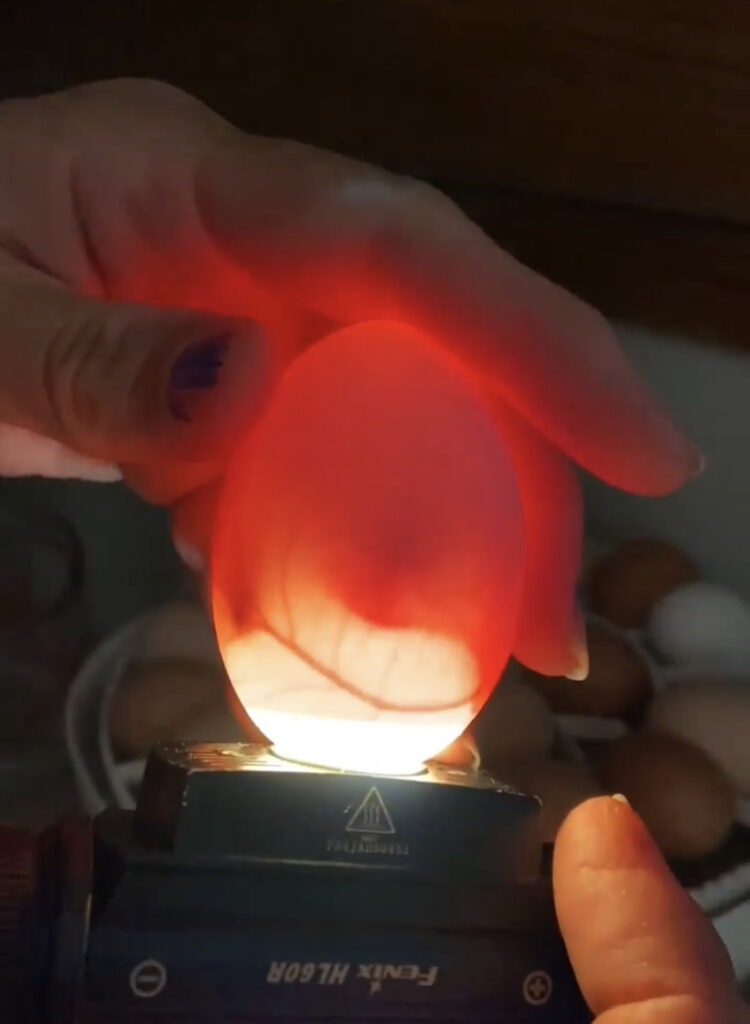
Egg being candled to check for fertility

How Can You Tell if a Candling Egg is Fertile?

If an egg is fertile, you’ll notice that it has a small red area with blood vessels that extend out and away from this red area. This is the embryo floating inside the egg. Some people report that this looks a lot like a large red spider. Veins like that, or a network of blood vessels, are signs of development.

Unfortunately, an embryo’s development can be interrupted and do sometimes die – when this happens, the blood will draw back away from the embryo and create what is known as a blood ring (can also look like streaks of blood) inside of the shell. Blood rings make sense once you see one, it’s clearly a ring.

Both clear eggs (those without the initial signs of fertility) and eggs without any blood rings should be moved from the incubator.

The most critical period when it comes to candling eggs is early. However, beyond determining the fertility of an egg, you might not see much prior to one week. After seven or eight days, you should be able to see more inside the egg and get a more positive confirmation that the egg is fertile. 

When you see the chick actually moving inside the egg, it’s almost like seeing an ultrasound of a baby’s heartbeat. A sweet little miracle. It usually shows in the form of a dark outline, but moving around. Sometimes you can even make out the head and body!

What Should You See When Candling an Egg?

Candle before the first full week of incubation, and you should at least be able to get an idea of an egg’s fertility. After that, you should still be able to get an idea of what’s going on – and as time goes by you’ll be privy to an even better view of what’s happening inside your egg.

After day eight of incubation, you’ll notice that the embryo is much larger. You can usually see the eye of the chick, which appears as a dark blob or dark spot inside the egg. Although you won’t be able to see it, there are also digits on the feet and a completely enclosed heart. ❤️Even feathers start to appear on day eight, though of course, you probably won’t be able to see these!

Around this time, an allantois, or the sack attached to the embryo to hold the waste, will also develop. 

Eventually, the chick will grow to accommodate just about all of the space inside the egg. The air sac will enlarge, and once it hatches, will push through the inner membrane to take its first breath of air. 

One thing to keep an eye out for when candling your eggs is the air sack size. This should increase as moisture leaves the egg – an egg will lose about 13% of its original weight during the incubation process. Humidity can be adjusted to help this, but I personally follow the recommended humidity levels and don’t mess with it beyond that. I find the more I try to figure things out on my own, the more trouble I run into.

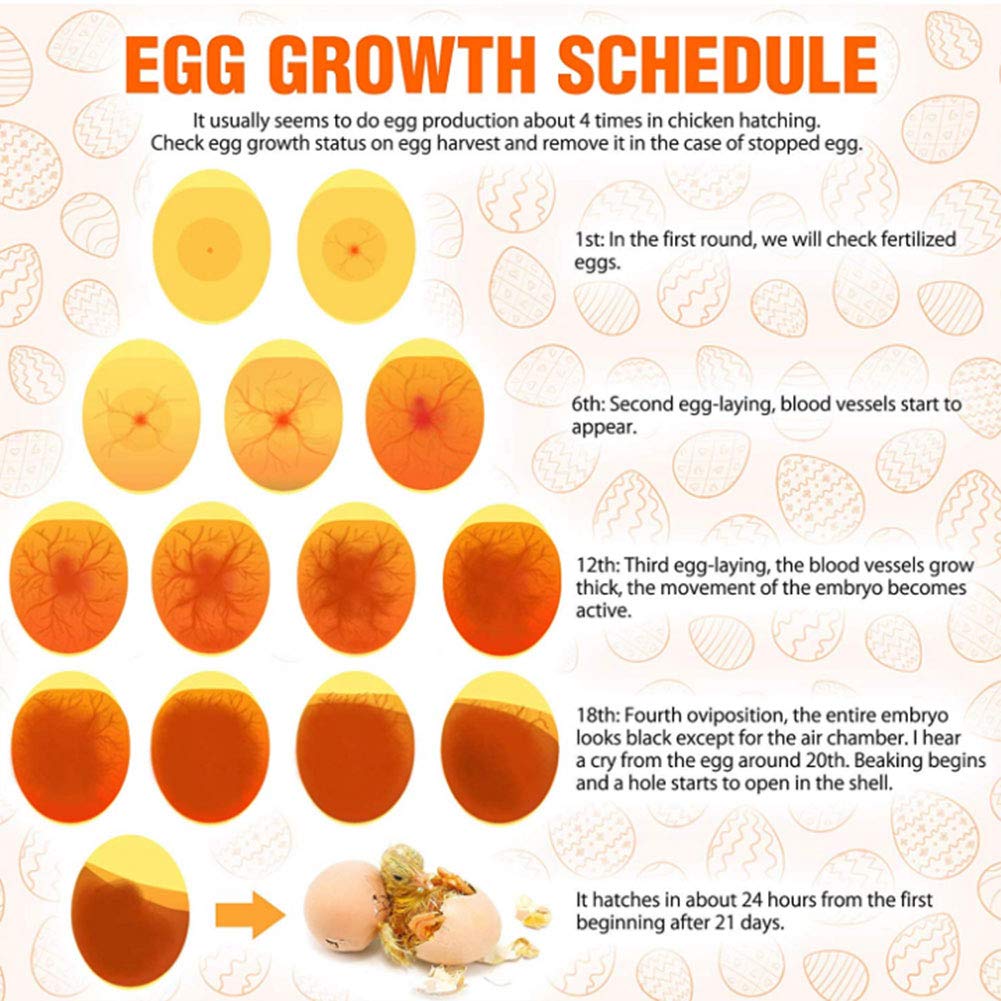
Check out the nifty chart below to see how a healthy embryo progresses throughout the growth process.

Egg Growth Chart
Egg Candler Chart with light from Amazon

What Do Bad Eggs Look Like When Candling? 

You can sometimes identify bad eggs early on in the candling process. 

While a fertile, well-developed egg will have healthy blood vessels, an air sack, spreading vein growth, and a visible dark mass, an infertile egg will not possess any of these features.  It’s pretty neat to be able to see the contents of the egg from the outside.

Later on in incubation, eggs that have died will have a dark mass with poorly defined details and no blood vessels radiating. You may also notice a dark ring or eggs that are totally clear. 

It can be hard to tell whether an egg is fertile, especially if you are new to candling. Therefore, you should avoid discarding any eggs if you aren’t sure about their fertility. Take another look and have someone else who might be a bit more experienced evaluate the fertility of your eggs for you to help you decide. 

After experiencing the process a few times yourself, you will learn when to discard and when not to.

Tips For Incubating Eggs

  • Do not use eggs with cracks
  • Remove any eggs that are mishaped or extra large (possible double yolk)
  • Use clean eggs, if you don’t have any then clean the eggs with a damp (but nearly dry) soft cloth to avoid bacteria
  • Number your eggs with a pen or pencil (you can be sure they are getting turned this way, you can also keep track of eggs you are concerned about as you go through the process of candling every few days)
  • Buy an incubator that auto turns and has a humidity gauge (you’ll be glad you did as it will likely increase your hatch rate)
  • Feed your hens a high quality, high protein layer feed to better ensure healthy eggs for hatching

Summary

There are plenty of excellent reasons to candle your eggs. It will help you see whether an egg is fertile and how (or if) the embryo is developing. By being able to identify eggs that are infertile, inviable, or that died early on in the process, you can avoid the unpleasantries (and inherent risks!) of having a rotten egg exploding all over your incubator, disseminating germs with it.

Candling doesn’t harm your eggs in any way. Just as a mother might leave her eggs in the nest for a few moments to eat and drink, you can safely take your eggs from the incubator to candle them – just don’t keep them out for too long.

Consider the tips above for candling eggs and you’ll find that this is the thing you most look forward to while incubating and hatching your own eggs! 

It’s very possible that you’ve never even heard of an Amberlink chicken before this. The name sounds more like an internet satellite company owned by Elon Musk. Obviously, it’s not – but in the egg-laying world, it may be just as valuable!

Learn about this unheard-of chicken breed and find out where to buy these egg-laying pros.

Amberlink chicken on all white background
Photo from Townline Hatchery

What Is An Amberlink Chicken?

The Amberlink breed is a hybrid sex link breed derived from the ISA genetic line. If you know anything about ISA Brown chickens, then you’ll have an idea about this breed too. However, many folks have never heard of ISA Brown’s either (too bad, both of these breeds are A-M-A-Z-I-N-G).

This hybrid is a unique mix that can’t really be done at home. As far as I can tell CAN include Rhode Island Reds and White Plymouth Rocks or White Island Reds. One bit of fact you can count on is that a Rhode Island Red is involved.

Amberlinks have white feathers with amber-colored accents. They are extremely cold hardy and lay eggs like an egg-laying pro even in the cold dark winters. If you want eggs, you want an Amberlink.

What Are Amberlink Chickens Good For?

Glad you asked. This breed is an excellent egg layer, super hardy in both cold and heat, docile in nature, and just an all-round good backyard chicken.

Amberlink Chicken Breed Temperament

This breed has a great temperament. Many times people think that hybrid chickens are for utility only, not for pets. But that’s not true. And Amberlink chickens are a fine example of just that. They aren’t lap chickens usually, but they will follow you to the ends of the earth for treats like these.

Amberlinks make a great pet breed for chicken keepers, and a pet that earns its keep to boot.

Are Amberlink Roosters Aggressive?

Amberlink roosters are not any more aggressive than other standard breeds you are familiar with. Treat them with kindness, and respect their space, and you will all get along just fine in most cases.

You need to follow the same guidelines that you should follow for all roosters: have the right ratio of roosters to hens, separate bullies, and handle them a lot when they are young. If you find yourself with an aggressive roo, find tips here to help.

You should also be aware that roosters have spurs, and are not afraid to use them. So if your rooster is getting testy make sure you watch him carefully and wear pants and boots instead of a skirt and flip-flops! 😉 Roosters use their spurs for the protection of themselves and their ladies from predators, but they can also misuse them at times.

Here is an excellent article about rooster spurs, it’s a fun read too.

Brown eggs in a basket

Egg Production of Amberlinks

The males are great, but the females are the bomb! These girls will bring home the bacon (so to speak) once they reach maturity. They lay over 300 brown eggs each year, and that’s through the heat of the summer and the dark winter months too. As a side note, the number of eggs and the appearance of the eggs are pretty much identical to the ISA Brown egg.

Eggs here, eggs there, eggs – eggs – everywhere! You want eggs? You need eggs? You sell eggs? You collect eggs? Amberlink it! High egg production and fun to look at, a match made in chicken addiction!

I will mention that hybrid birds have very few negatives to them, but one negative thing is that they usually have a shorter life span than purebred chickens. They are bred to be egg-making machines so their reproductive systems don’t get a break. They also use up the calcium stores in their bones faster. All of this can wear them out and cause them to have a shorter lifespan.

Be sure to provide plenty of calcium for these girls. They deserve the extra help.

Free Range or Confine Amberlinks?

If you can, free-range these wonderful backyard buddies. They are truly great foragers and love every minute of it. They are better foragers than many chicken breeds. Plus it will increase their egg production and make the yolk extra orangeish yellow and super nutritious!

If you can’t free range due to poor free range environments, then set up a fence attached to the coop or shelter with a lot of square feet for them to forage. They will be happier for it! You can also supplement them with things like mealworms (full of protein) and vitamins (yes, there are chicken vitamins)!

How To Support Your Amberlinks Health

  • Provide fresh clean water (give them warm water in the coldest part of winter because that’s what chicken lovers do)
  • Feed high-quality, high-protein feed like this (don’t skimp on feed quality, they are what they eat)
  • Be aware of their health and be proactive against parasites with herbal dust baths and nesting herbs
  • Protect them from stress by not overpopulating the coop and keeping predators away

Where To Buy Amberlink Chickens

Now that you want all the eggs you could dream of you need to know where to get this great, but kind of rare, breed. Have no fear, there are several good options. Here are a few to get you started.

Summary

Chicken owners who want high egg production can’t go wrong with Amberlink chickens. And now that you know, you know. Give this rare breed a chance to show you her egg pro skills!

Whether you are thinking of getting quail, made an impulse purchase of your first quail, or are simply planning – I have all you need to know to get started, especially regarding quail feed!

Read on to learn 5 quick tips for success when feeding quail!

Quail being held up close

Introduction

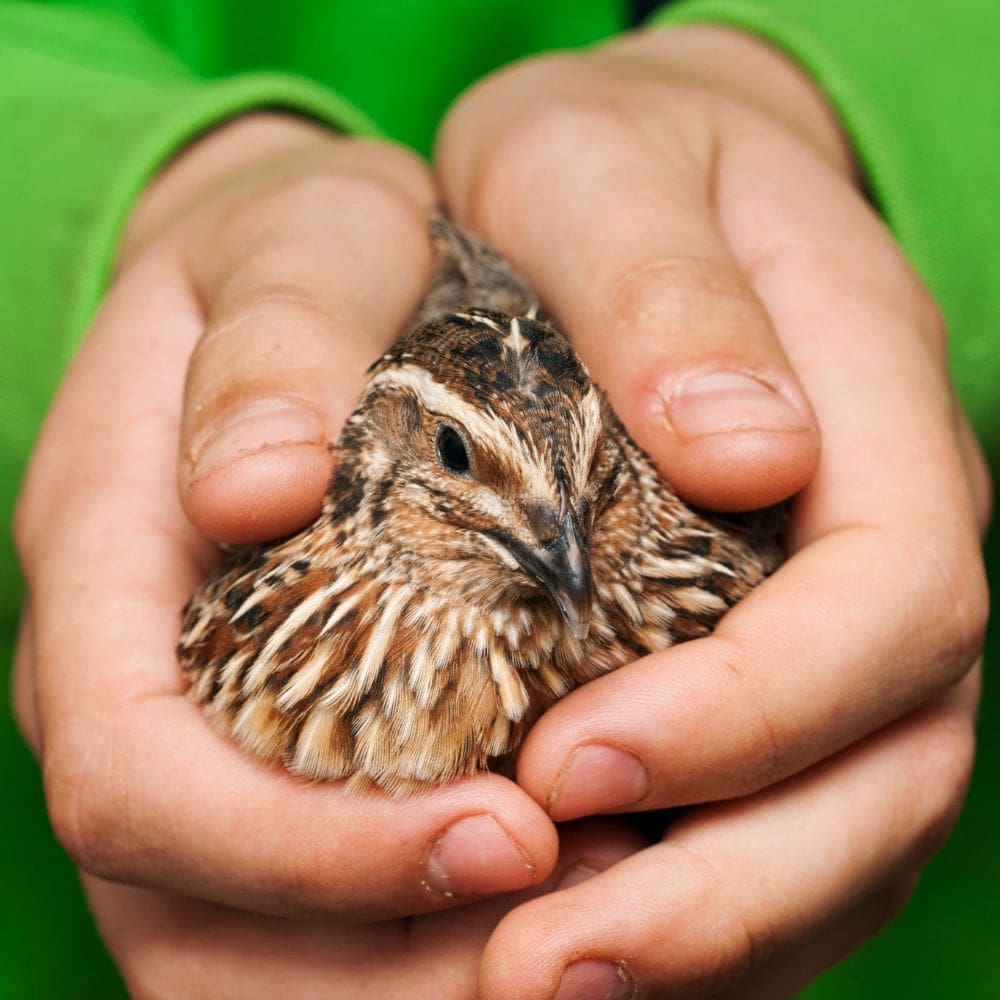
Quail are lovely birds that remind me of sweet miniature chickens. They often have quirky personalities and are, in my experience, easy keepers. Quail are great fun to raise and they are also great for folks who can’t have chickens because they are small and quiet.

These unique little birds come in a wide variety — some breeds suited for meat, others for egg-producing pets, and the less fortunate for the sport of hunting. They all have something in common: dietary needs that are different from that of poultry.

When I got my first quail (as an impulse purchase at a local swapmeet), I made the mistake of feeding them my chicken feed. Oops. I learned really fast that was a mistake (more on that in a bit).

Chickens are omnivores, which means they eat meat (including bugs) and plants. Quail are granivores. Gran-i-what did you say? It means they eat mostly grass and seeds. Mostly.

Quail feed is actually quite different than chicken feed. Remember that.

5 TIPS FOR SUCCESS

1. PROTEIN

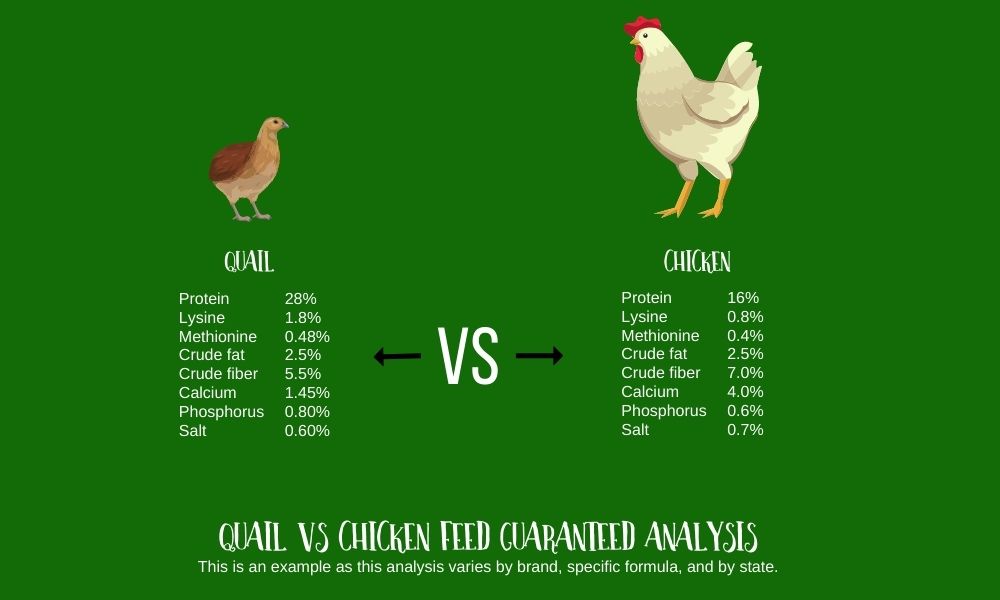
Quail require a high amount of protein in their feed. In addition to more protein, compared to chickens, they also need slightly different percentages of others feed ingredients.

The quail feed formulation and ingredients are not only different, but so is the size of the feed itself. Quail require smaller granules in order to easily consume and digest the feed (they are smaller birds after all).

Quail Feed Ingredients VS Chicken Feed Ingredients

This is one example of many. Different companies have slightly different ingredients and ratios of things like phosphorus and methionine, but you will always find quail feed to be higher in protein.

Quail feed vs Chicken feed graphic

When I made my swapmeet impulse buy of full grown quail, I was happy as a lark! 😉 I was not prepared because it was a spur of the moment decision. Therefore, I fed my new quail chicken layer feed. The first two days I happily got two eggs, one per day from the hen. And then…no eggs. And the…no eggs again.

Several days went by and this sweet little hen did not lay more eggs. Then it dawned on me! I’m not feeding her enough protein. I hopped in my car, drove to the nearest farm store, bought some quail feed and guess what happened? ONE day later, an egg. And then another egg. And then another egg. 🥚

All because of lack of protein. Protein matters.

2. WATER

Quail love water, they drink A LOT of it. It seems as if they drink 4 times their body weight in water each day – although I know that’s not the case.

The point is to be sure they have clean water and a good amount of it.

You also need to consider the waterer. Quail are messy little birds and they will make a complete mess out of on open water dish. I personally use a rabbit ball waterer for my quail. It works great. The quail themselves may not give a 5 star review, if quail could review, because they can only get one little drop at a time. But it sure makes my life easier.

3. KEEP IT CLEAN

I mentioned that quail are messy little birds with water. Believe it or not, they can trump that mess with their feed. An open feed dish simply will not work for quail. They’ll hop right in the dish and scratch it all over the cage. You’ll find most of it on the floor of the cage or under the cage if they are on a wire bottomed enclosure.

This can frustrate the most patient of souls, so why not just plan accordingling and skip the anger? There are special quail feeders that only allow their heads to enter the dish. They are a little pricey in my opinion. I made my own out of….wait for it….a sour cream container. A girls gotta do what a girls gotta do.

If you want healthy quail, you need to keep their water, feed, and living space clean.

4. SUPPLEMENT FEED

You CAN just feed your quail farm store feed. But they like variety and they’ll be healthier for it. They love things like black oil sunflower seeds, millet, parakeet food, wild bird seed, and they will just about attack you for meal worms! Meal worms are an amazing source of protein, you won’t be sorry to get them some. Trust me.

5. GRIT

Newsflash: chickens and quail do not have teeth! They were designed to NEED to hunt and peck at the earth in order to digest food properly. Introducing our friend – grit.

Grit is basically crushed stone. These little bits of stone kind of stand in place of teeth. Both chickens and quail need this to be healthy. If your quail are not free ranging, which they likely aren’t, do them a favor and get them some grit. It’s sold in most farm stores and definitely online.

Other Helpful Information

  • There are different types of quail feed, just like there is for chickens. You many find starter feed, grower feed, game bird feed, etc. Switching from a starter to something else is usually done around 6 weeks of age. Some farm stores only carry one type. The most important thing is the protein level.
  • Some feed has added vitamins, minerals, and nutrients. It may cost more, but you can check the label to be sure of what you are getting.
  • You may pay a little more for high-quality ingredients, but your quail will be healthier for it. The highest quality, in the case of food, is well worth it.
  • Medicated feed for quail is hard to find, but there are medicated versions. It is to help fight parasites.
  • If your store of choice has a good selection, you may be able to choose a feed that is specifically formulated for meat production or egg-laying, etc. You can definitely find formulations for all the variations online.
  • If you ever substitute chicken feed, do not use pellets. Chicken feed pellets are too large for quail to handle.

Additional Things Quail Can Eat

This is not an exhaustive list, but it will get you started.

  • Insects
  • Berries
  • Rice
  • Carrots
  • Lettuce
  • Peas
  • Oats
  • Barley
  • Rye
  • Cabbage
  • Parsley
  • Tomatoes (but not the leaves or stems
  • Clover

Summary

There you have it. 5 easy tips to follow to get you started on a successful run with quail. Click to learn more about raising quail, or about the nutritional value of quail eggs!

Remember that protein matters (a lot).

Want to learn more about raising other small birds (not as small as quail, but wonderful little chickens)? Click here to learn about Serama chickens. Or click here to learn about Silkie chickens.

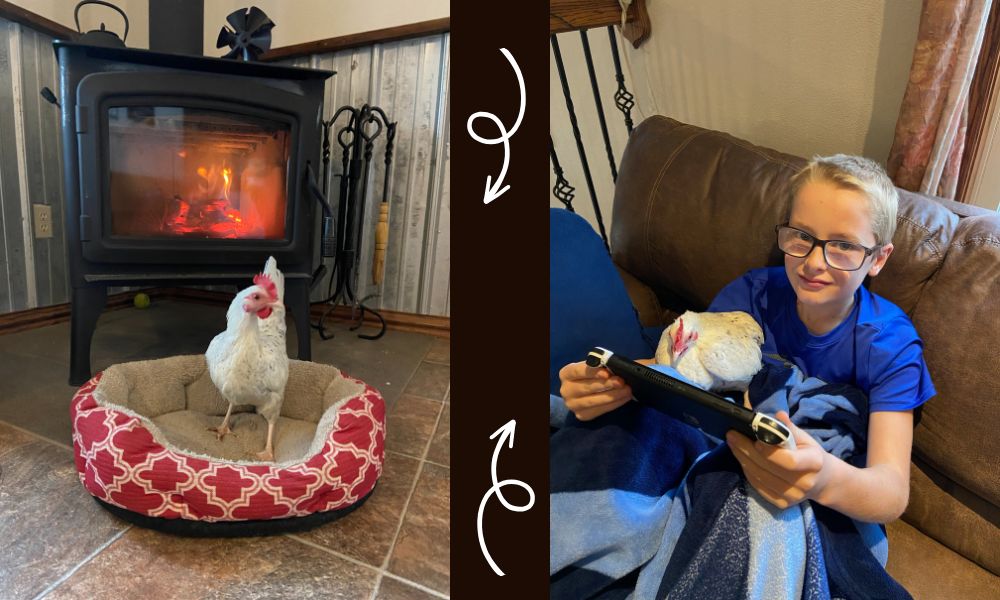
Our culture has come so far. In some ways it’s concerning, in the wonderful world of pets – it’s fantastic. Chicken diapers are one of the coolest inventions for modern-day pet chickens.

It’s true, there are many crazy chicken people out there who have house chickens in addition to their backyard chickens. To be honest, not that many years ago I wouldn’t have imagined chicken diapers even in my wildest dreams! But here we are.

I think I have your attention, now let’s get the diaper wipes out and delve into this weird but potentially useful topic!

Graphic of chicken pooping and dreaming of a diaper

What Are Chicken Diapers?

It is what it says it is. A diaper for chickens. Say what??? It’s true, it really is. Our culture has gone completely rogue in the pet world over the last decade, including transitioning once outdoor pets, chickens, to the indoors! The use of chicken diapers is all part of this crazy ride.

In fact, we chicken people spend an insane amount of money on our chickens these days. Most of us don’t regret one minute of it. From amazing smelling nesting herbs, to vitamins, to high quality feed, to entertaining chicken toys and clothing – you name it, it’s out pretty much out there. The extras that help protect your chicken’s health are especially easy to spring for.

If you are not one of those people (yet) then listen up! Chickens are extremely personable and fun, they make great pets…in or out of the barn. Plus they’re worth every penny you spend on them.

I love chickens. I really, really love chickens. And although I don’t personally have a full time resident chicken sharing my bedroom (some people do) – I do bring chickens into my house on occasion. And believe me, a chicken diaper is a chicken lovers gadget you’d rather not go without.

Chicken Diapers – Pros

  • You can take your pet chicken places with you with less mess (she’d be a hit at a pet store)
  • Allows you to bring your chicken into your house or apartment
  • Lack of chicken poop in your house or car (if you decide to take your chicken somewhere)
  • The interaction of putting diapers on your hens and letting them in your house will help keep them friendly
  • Happiness that comes from having your pampered poultry nearby is priceless
  • Spoil your chickens with special indoor time and protein rich treats

Chicken Diapers – Cons

  • Just like a baby diaper or nappy, they can easily get full of chicken feces and leak
  • You have to change them often because chickens are pro poopers
  • Diapers are cloth and have to be cleaned (no one has invented disposable chicken diapers…yet)
  • Your beloved chicken bottom feathers can get all dirty and need cleaning, diapers can cause irritation by creating too much moisture
  • Bathing your chicken might be necessary (which, if you have an indoor chicken, you are probably already doing)
  • It all sounds dreamy, but getting these on your chicken and then keeping them on your chicken isn’t necessarily an easy task
Chickens can make great indoor pets

Need To Know Facts About Buying Chicken Diapers

There are actually quite a few choices out there on the market for chicken diapers. Some of them are very cheap and poorly made. Others are expensive…and poorly made. Then there are quality diapers available.

You can get them from WalMart online, Etsy stores, and there are many varieties on Amazon. Some of the diapers need liners, some come with liners. There are some that are simply a little poop catching pocket, while others are more of a full body outfit. Most of them are held on by elastic straps that fit over the bird’s tail or cloth straps.

You also need to consider the size of your chicken when shopping for diapers. Do you have a bantam or a full size chicken? Is your full size chicken a medium or a large bird? Do you have a rumpless birds, like an Araucana? If so, only certain kinds of diapers will work because most of them only work with stiffer tail feathers. You need to make sure you are getting the right size.

Be sure to consider all these things while shopping. You’ll have to do a fair share of research, reading of reviews, and be sure to pay close attention to all the details so you don’t waste your money.

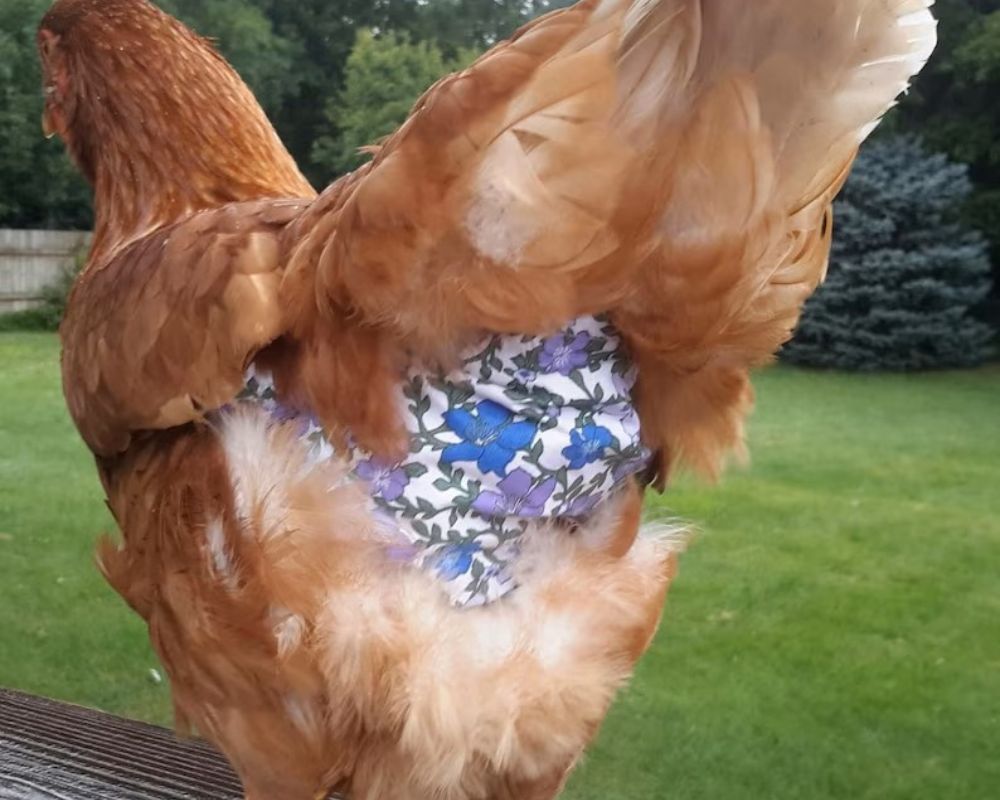
As mentioned in the “cons” section above, putting any kind of clothing or accessories on a chicken isn’t automatically an easy task. And then keeping the clothing (or diaper in this case) on your chicken can be challenging as well. But if you have a chicken that you really want indoors, chicken diapers are certainly worth a try.

Chihcken in a diaper
Etsy Listing

Chicken Saddles

There is another chicken accessory that is worth mentioning. They are called chicken saddles. When a rooster is a little over active during mating, your hen can lose feathers on her back. Not only that, they can get tender and irritated. Chicken saddles to the rescue! Check out these adorable chicken saddles. Plus here are some benefits of this chicken gadget.

  • Make it easy to protect new feather growth
  • Prevent feather loss from over-mating
  • Protect exposed skin from sun damage/sunburns

Summary

Barnyard animals aren’t just for the barn anymore. And chickens aren’t the only farm animals that end up in houses either, but that’s another story altogether.

As for chickens, if folks want to have them indoors then considering chicken diapers is recommended. They may have more cons than pros, but it’s definitely worth a try. It just depends on what’s more convenient and tolerable for you. You may prefer cleaning diapers over cleaning poo off the floor or furniture. It’s up to you! That’s the beauty of this wonderful world we live in!