
On our farm we’ve hatched a lot of eggs, and now know the best incubator will track both the temperature and humidity. But that’s not all there is to discovering the perfect incubator to hatch chicks. There are various types of chicken egg incubators for sale out there that range from basic to fully automatic.

Choosing the best incubator for your particular situation and budget is an important step to ensure a successful hatch.

In this article, you’ll learn about the available products on the market, and possibly discover the best incubator for your flock. You’ll also find basic tips to successfully hatch tiny quail eggs to chicken eggs to large goose and duck eggs.

What’s the best incubator to buy?

These are our choices for the best incubators for small, medium and large hatch sizes:

Best incubator for chicken eggs rated by size

Small – as a beginner, it’s worth starting with smaller units. They’re budget friendly and hatch just a few eggs. Nothing is worse than an unsuccessful hatch where you need to throw out 50+ half-developed chicken eggs. When starting, most people only need a single small incubator which holds 7 eggs. This is our pick: Brinsea Mini Advance Hatching Egg Incubator (this is a Brinsea manual egg incubator)

You can also check the customer comments for an honest 7 egg incubator review of this Brinsea product sold on Amazon.

Medium – as you scale up and improve you can move onto more complicated bigger units like ones that can hold 50+ eggs. You’ll also want a dedicated digital thermometer and humidity reader, along with an automatic egg turner.

This is our pick:

You can read our Brinsea Ovation 56 ex review here.

Large – if you’re ready to scale up and start hatching backyard chicken eggs to sell chicks professionally (or just want a really, really big flock), then large systems that can hold 400 or more eggs are ideal.

This is our pick for the best cabinet incubator

Best fully automatic egg incubator

For your egg incubator 2019 options, we’ve listed the best options below.

Runners up (You can buy these incubators on Amazon, Tractor Supply, or sometimes at Walmart):

Best Incubator For Goose Eggs

Goose eggs can be large, so the cups must hold the eggs securely and safely. Similarly, it also must have enough room for the goslings (which can be quite large) so they won’t be burnt by the heating element. If you’re using a forced air incubator, you need to make sure there’s enough clearance around the fan, as well.

Best Incubator For Quail Eggs

Since these eggs are so tiny, the best incubator for quail eggs must include turners that safely turn the eggs, as well as safety features so the chicks don’t get caught in the heating element or a forced-air fan if you’re using one.

Best Duck Egg Incubator

Ducks can be fairly large, and so to accommodate this, the best duck egg incubator should have cups that hold the eggs securely and safely.

Where can I buy an incubator?

If you’re looking for a chicken incubator for sale, you have quite a few options. Our favorite places to buy them are Tractor Supply, Amazon, and Walmart (although Amazon gives the best and most reliable selection).

How much does egg incubator cost?

You can pay anything from $50 to several thousand dollars – it just depends on the make, model, and how many bells and whistles the incubator has. A fully automatic incubator that’ll hatch 50 eggs costs approximately $500. If you want to professionally hatch eggs, you’ll probably pay $2,000 – $3,000.

A starter egg incubator price can range from $50 to a couple hundred, but that’s for a very basic styrofoam model that doesn’t include any automatic turners or forced air elements. If you don’t mind manually turning the chicken eggs yourself 3 to 5 times a day, then these budget incubators might be for you.

While pretty inexpensive, the downside to these incubators is that the temperature can fluctuate quickly. You’ll need a digital thermometer and humidity reader, and you’ll have to keep an eye on it.

That being said, we’ve had successes in hatching chicken using this type of incubator and we recommend using a Little Giant incubator.

We’ve also used a $500 incubator that’s fully automatic with a forced air fan.

It was much easier to use since it’s basically a “set and forget it” incubator with a digital thermometer that automatically tracked the temperature.

If the temp inside the incubator got too hot or cold, it corrected itself. For us, this is the best incubator because we don’t need to worry about whether the conditions are optimal for our hatch.

If you want to be a professional and hatch chickens for a living, then investing in a large scale incubator – which could set you back $2,000 or more – would work best. Take note that you would need an NPIP certification if you want to ship chicks in the mail commercially.

How does an incubator work?

An egg incubator allows humans to artificially hatch fertilized eggs, usually chicken eggs, by eliminating the external factors that might damage the eggs and prevent it from hatching. It mimics the conditions under a broody hen including ideal temperature, humidity,  and ventilation levels. For chicken eggs, this means the ambient temperature inside the incubator will be between 99.5 and 101 degrees Fahrenheit.

Also, the incubator, kind of like the bloom, protects eggs from spoilage and damage, which is not very easy to control in nature.

How do you incubate eggs?

We’ve created a step by step guide on how you can successfully hatch chicken eggs here. If you’re incubating chicken eggs, they’ll take approximately 21 days to hatch. Duck eggs (except Muscovy ducks) need approximately 28 days to hatch. Muscovy duck eggs require 35 days of incubation. For Quail eggs it also varies by breed, the Coturnix quail eggs need 17 days to hatch, while the Bobwhite quail need about 24 days.

It’s best to choose eggs that are fresh – and be sure to NOT choose abnormal eggs because they’re less likely to hatch. Once the chicks are born, you’ll need a waterer, chicken feeder (no waste is best), and brooder to keep them warm.

How warm should an egg incubator be?

The temperature will largely depend on what kinds of eggs you will be incubating. For most domestic poultry, including chicken, duck, goose, or quail eggs, the best egg incubator temperature is between 99.5 degrees F and 101 degrees F. Any warmer or colder, and your eggs might not hatch.

Is it necessary to have an automatic turner?

Having an automatic turner is not necessary, but it is preferred by the best incubator experts and makes life easier. Without it, you’ll need to manually turn the eggs. Be sure that the automatic turner can be removed since it’s not needed for the last few days of egg incubation. You’ll also want to clean and sterilize the turners when your hatch is complete.

When choosing an incubator, the best incubators have turning cups that can accommodate all egg sizes, from tiny quail eggs to goose eggs (which can be quite large).


Is a forced air incubator necessary?

Forced air is not necessary, but it makes maintaining a consistent and ideal temperature much easier which is crucial for successful hatching. The best incubators on the market all used forced air.

We think this is the best incubator in the market that doesn’t used forced air, and it’s one of the best startup incubators if you’re brand new to hatching eggs.

One of my favorite Little Giant Incubator tips is to put a digital thermometer that also tracks humidity inside, right next to your eggs. You’ll easily be able to track the temperature and humidity!

Whether you choose a budget incubator or a professional one that costs thousands, remember that the best incubator is the one that fits your life and lets you hatch chicken eggs successfully!


Web Analytics Made Easy -
StatCounter

Hey y’all! Here’s this week’s sneaky peek photos of life on our farm!

These images also appear on my Instagram account where I share MANY more photos and stories from the farm!

If you aren’t yet following me there, you can right here.

Enjoy the photos & be sure to share some of yours with me!

https://www.instagram.com/p/Btrhn-ulmba/

https://www.instagram.com/p/Btt422RFQcK/

https://www.instagram.com/p/Btwv3OJlsjC/

https://www.instagram.com/p/BtzTZR3lMHe/

https://www.instagram.com/p/Bt15rPqFYnU/

https://www.instagram.com/p/Bt4ltBRluqK/

https://www.instagram.com/p/Bt7BaNOFkuy/

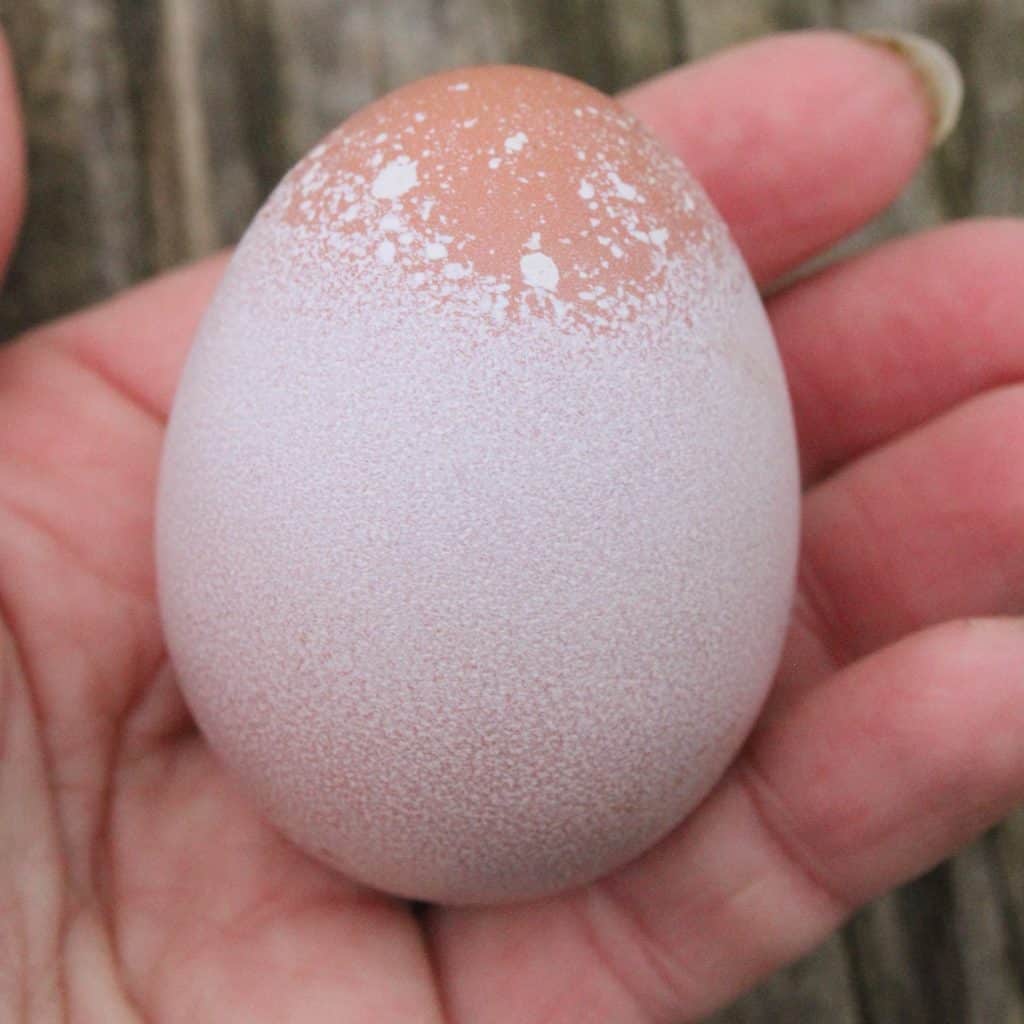
We own several Brahma chickens, and they make wonderful pets who lay lovely brown eggs (we also have one that lays lavender eggs!).

In this article, I’m going to tell you everything there is to know about this breed!

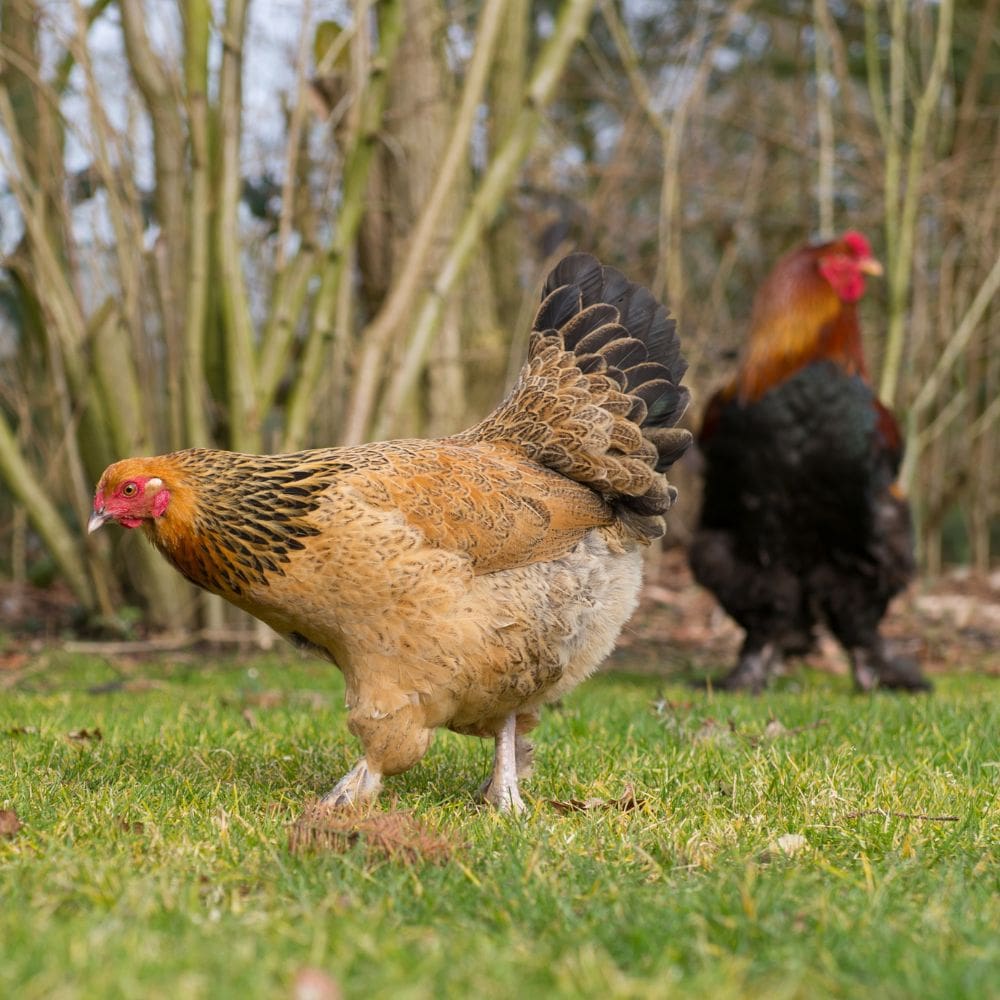
While Brahma chickens are known for growing into beasts the size of large turkeys, giving it the nickname “The Majestic One” by the American Brahma Club, and the equal honor of the name “king of all poultry” (due to its size and vigor). However, the average Brahma isn’t quite that large.

Brahma hen with rooster blurred in background all on grassy field

Brahma Chicken History Facts

  • Like most heritage breeds, the exact lineage is hard to find
  • Developed in America with use of breeds from China and the port of Shanghai
  • The name comes from the Brahmaputra River in India
  • Queen Victoria in England had some Brahmas

How Big Is The Brahma Chicken?

While this breed can be as tall as 30 inches, the average Brahma chicken size isn’t much larger than other chickens – although they have the nickname “gentle giant” and are often compared to a Jersey Giant.

Even in our own flock, they vary in size, with one about 8 inches tall and another about 18 inches tall. Bantam Brahma breeds are even smaller – about 6 inches tall.

The Lifespan of Brahma Chickens

Like other chicken breeds, such as Silkie chickens, Araucanas, or Speckled Sussex chickens, Brahmas can live 5-8 years, depending on the quality of care you provide.

Providing a daily meal of 16% protein chicken feed, fresh water, a warm home, and veterinary care can extend their lives.

What Kind of Coop Does a Brahma Chicken Need?

Brahmas are not too much of a target for predators like hawks, for example. This is because of their large size. But coyotes and neighbor dogs may still be interested. Therefore, they need a good, solid coop to protect them – especially at night.

All chickens like roosting bars and won’t be happy without them. They also need nesting boxes in the chicken coop to lay eggs in.

If they are going to be kept in confinement, they need 6 square feet per bird so they don’t get too bored. They thrive on free ranging however.

Are Brahma Hens Broody?

Generally speaking, no. However, this will depend largely on the individual hen. Brahmas are more likely to exhibit broody behavior if another hen has decided she wants to hatch eggs, too.

Bea, one of our Brahma hens, decided to go broody in her second year and hatched a single chick. My other Brahma chicken is a great daily layer but isn’t broody at all.

If your Brahma goes broody, it’s best to let her hatch her eggs (as long as the embryos are developing – candle them to find out). If the eggs aren’t developing, then remove them from the nest before they explode. Yes, they can explode…or at the very least, rot and stink.

Brahma Chicken Egg Production

Are Brahma Chickens Good Egg Layers?

Yes! Brahma chicken eggs are a lovely brown color, and the hens lay consistently – up to about 300 eggs per year. The number of “butt nuggets” laid will depend on the individual, her diet, and the quality of her environment.

You can improve the chances your chicken will lay if you provide her a secure home, a quality layer feed with 16% protein and plenty of calcium, fresh water, and a clean nest with nesting herbs.

Do Brahma Chickens Lay Large Eggs?

Brahma chickens lay medium to large eggs. The yolks are also large and delicious. You can improve the color of the yolks by adding herbs such as calendula to their diet.

What Color Eggs Do Brahma Hens Lay?

This chicken breed lays brown eggs, although the shade can vary from layer to layer. The chicken’s diet, stress level, and the weather can affect the shade of her eggs as well.

When a hen is stressed, she might lay a lighter shade of brown, or the color might be dotted with white. If the hen’s diet is poor or the weather is very hot, you also might see different shades on the same egg.

brahma chicken egg

How Many Eggs Does a Brahma Chicken Lay?

Approximately 300 per year, or 5-6 eggs each week. This number will vary based on her feed, her age, and the time of year. While Brahmas do very well in the cold, hens don’t typically lay during the shorter days of the year (unless supplementary light is provided), or when they’re very young or very old.

If the hen’s diet is poor, she won’t lay regularly, which will affect how many eggs she lays.

How Old Are Brahma Chickens When They Start Laying Eggs?

Typically Brahmas start laying eggs when they’re 6 or 7 months old. However, it can take up to 12 months for the hen to start laying, particularly if she’s a larger hen, or if she matures during the winter months.

Brahma Chicken Temperament?

Yes, Brahmas are very friendly, as long as you’ve raised them to enjoy the company of people (feed them lots of treats and they’ll be yours forever). They are pretty good around small children too, although the kids might be intimidated by a large bird!

They are quiet, docile, and calm birds who love to take treats from your hand and get cuddles. They get along great with other chickens, as well.

The roosters aren’t prone to attacking humans, although this will depend on the individual rooster and the time of year. Generally speaking you can even keep Brahma roosters together in the same flock without much ado.

What Do Brahma Chickens Look Like?

There are three color varieties of Brahmas recognized by the Standard of Perfection: Light, Dark, and Buff. Each type is unique and very beautiful.

According to the Livestock Conservancy:

Brahmas are large chickens with feathers on shanks and toes, pea comb, smooth fitting plumage with dense down in all sections, and broad, wide head with skull projecting over the eyes – termed “beetle brow.”

Livestock Conservancy Website

The earliest Brahma chicken colors – the light and the dark variants – were first included in the first Standard of Perfection of the American Poultry Association in 1874, while the Buff Brahma variant was added in the 1920s.

Beyond color, they have a wide body plus a little something special – feathered legs and feet! The feathers on the feet are pretty adorable, but you do have to watch them closely, and clean them off, if they have to walk through thick mud or snow and ice.

Their hackles and saddle feathers will depend on which color variety you choose.

How to Care For Brahma Chickens

As baby chicks, you should provide your Brahmas a chick starter that’s 18% protein, as well as clean water as often as needed. You can mix organic apple cider vinegar or apple cider vinegar granules with the water to promote good gut flora. You can read more about how to raise day-old baby chicks here.

For hens, you should provide a quality layer feed with at least 16% protein and an extra calcium supplement to ensure strong eggshells. Adding herbs to her nesting box will promote laying.

If your females are broody, be sure to keep a high protein feed and water close to them for easy access.

Brahma hens tend to be the favorite of roosters – keep a close watch on your hens to be sure they’re not hurt by roosters. If your hen has lost feathers due to roosters or if she’s molting, you can offer a high protein supplement to promote growth.

Brahma Health Issues

Brahmas aren’t more prone to health issues than any other hardy chickens. But there are always things you should watch for with any of your flock.

Lice, mites, and other pesky parasites are always looking for chickens. You can help keep these critters away with special herbs for their nesting boxes as well as bathing dust specifically formulated for this purpose. These types of coop helpers will provide peace of mind.

Another little creeper that can get them is the Scaly Leg Mite. This can be scary as their legs can actually bleed if the mites have time to create damage. The good news is that you can treat this with Save A Leg cream.

There are other illnesses chickens can get such as sour crop, bumblefoot, or vent gleet. If your chickens ever get any of these illnesses, you can read more about how to care for them here.

Summary

Overall, the Brahma chicken breed is an ideal breed for you if are considering raising larger-sized chickens. They’re very friendly and lay nice, large eggs.

Where To Buy Brahma Chickens

1. Cackle Hatchery

Find more information and prices here: Cackle Hatchery

Located in Missouri, Cackle Hatchery is one of the largest online chick retailers. Not only can you find more than 185 different kinds of chickens here, including broiler, egg-laying, and bantam species of all kinds, but Cackle also specializes in several rare breeds.

At Cackle, you can also find other species of poultry like geese, turkeys, ducks, game fowl, and more. You can also buy Brahma fertile hatching eggs if you want to raise your own birds from start to finish. There are also exhibition-line birds available for purchase, too. 

Cackle just has a 3 bird minimum, which is nice.

Advantages

  • Bantam and exhibition birds available
  • Pullets can be purchased instead of chicks
  • Low average chick price
  • 3 chick minimum

Disadvantages

  • Limited inventory of Brahma birds

2. Meyer Hatchery

Find more information and prices here: Meyer Hatchery

Meyer Hatchery is another large hatchery, this one located in Ohio. Along with a variety of chick breeds, you can also buy things like hatching eggs, books, coops, and pullets. 

One of the benefits of ordering from Meyer Hatchery is that you are only required to order three birds (as long as you order at opportune times of the year). This is a good option for folks who are interested in raising a small flock of Brahma chickens and don’t want to deal with the hassle of minimum orders of ten or more birds.

If you live close to the hatchery, you can even pick up on-site!

Advantages

  • Only a 3-chick minimum 
  • Sells light, buff, and dark Brahma chicks
  • Sells other kinds of Brahma-raising equipment too

Disadvantages

  • No substantial discounts for orders of more than 25 birds

3. Purely Poultry 

Find more information and prices here: Purely Poultry

Purely Poultry is a family-owned business that specializes in Brahma chickens along with chickens of other breeds. You can also buy things like waterfowl, turkeys, peafowl, quail, and more, here, too. 

If you’re buying baby Brahma chicks, you’ll be required to order at least three birds. However, if you’re willing to wait for adult birds, there are no shipping restrictions on how many you need to order. Located in Wisconsin, this company specializes in Brahma Bantams, Buff Brahmas, Dark Brahams, and Light Brahmas. 

Advantages

  • All kinds of Brahmas available 
  • Minimum order of 3 birds
  • Has a live arrival guarantee 

Disadvantages

  • No apparent discount for purchasing in bulk

4. Townline Hatchery

Find more information and prices here: Townline Hatchery

Townline Hatchery is one of the oldest hatcheries on this list, having been in business for more than a century. One of the greatest benefits of ordering with Townline Hatchery is that the company maintains its own breeder flocks. Everything is raised on-site so you can rest assured that your chicks are raised in the ideal conditions. 

The employees here are some of the best, attending to each and every chick each day as they gather eggs, set up incubators, and care for the fresh hatches. Townline also has excellent customer service –  you can tell that this hatchery has really worked out the kinks in its more than 100 years of operation. Located in Michigan, this hatchery is actually the oldest mail-order hatchery in the country!

You’ll have to buy chicks in minimum batches of fifteen, making it a less-than-ideal situation for people who want to raise Brahams in small urban settings. However, if you’re buying in bulk, Townline is the way to go, since this hatchery offers a discount when you order 100 chicks or more.

Advantages

  • Has a solid reputation
  • Excellent customer service
  • Significant discounts for ordering multiple chicks

Disadvantages

  • Has limited hatching availability around the  year 

5. Murray McMurray Hatchery

Find more information and prices here: Murray McMurray Hatchery

Despite the funny, somewhat repetitive-sounding name, Murray McMurray is one of the best places to buy Brahma chicks in the United States. You’ll find all kinds of poultry – of all ages – here, but it’s best known for its baby chicks. 

As one of the largest hatcheries in the country, it’s headquartered in Iowa. you can buy light, buff, or dark Brahma chicks along with pullets here. Unlike many other hatcheries, you’ll get a significant discount for purchasing sexed male chicks.

Advantages

  • Male chicks are cheaper here
  • Pullets available 
  • Can mix and match breeds

Disadvantages

  • Minimum order of six chicks

Private breeders nationwide

You can find a complete list of breeders (that are affiliated with the American Brahma Club) here.

Hey y’all! Here’s this week’s sneaky peek photos of life on our farm!

These images also appear on my Instagram account where I share MANY more photos and stories from the farm!

If you aren’t yet following me there, you can right here.

Enjoy the photos & be sure to share some of yours with me!

https://www.instagram.com/p/BtHkJK9loYu/

https://www.instagram.com/p/BtKNATjFha-/

https://www.instagram.com/p/BtM5k01F47Z/

https://www.instagram.com/p/BtPfhLiFlHH/

https://www.instagram.com/p/BtSAERWlB7b/

https://www.instagram.com/p/BtUpRtZF2FS/

Hey y’all! Here’s this week’s sneaky peek photos of life on our farm!

These images also appear on my Instagram account where I share MANY more photos and stories from the farm!

If you aren’t yet following me there, you can right here.

Enjoy the photos & be sure to share some of yours with me!


https://www.instagram.com/p/Bs1bka8FwJc/

https://www.instagram.com/p/Bs4Gud8lCw5/

https://www.instagram.com/p/Bs6p7PslhiH/

https://www.instagram.com/p/Bs9Qx5hFYvM/

https://www.instagram.com/p/Bs_5-7iFGmA/

https://www.instagram.com/p/BtCcto8lpRS/

https://www.instagram.com/p/BtFCtfqFVCT/

Hey y’all! Here’s this week’s sneaky peek photos of life on our farm!

These images also appear on my Instagram account where I share MANY more photos and stories from the farm!

If you aren’t yet following me there, you can right here.

Enjoy the photos & be sure to share some of yours with me!


https://www.instagram.com/p/Bsg_Eg1l5Yk/

https://www.instagram.com/p/BsjlwwclFf3/

https://www.instagram.com/p/Bsot-ddFN1k/

https://www.instagram.com/p/BsrTyfjFb6G/