Adorable Chocolate Cookie Mice are as much fun to make as they are to eat!

These cute little critters start out as rich chocolate cookies. The addition of just a few sprinkles magically transforms the cookies into mice.
Hi, I’m Wendy from The Monday Box, bringing you another Read-and-Bake recipe. This series links children’s picture books and baking. Whether you have children in the kitchen baking with you or you are baking goodies for a Read-and-Bake care package, the featured books and the companion baked goods are sure to generate smiles!

This month’s featured book is “Frederick” by Leo Lionni. A beloved children’s classic, “Frederick” won a Caldecott Honor in 1967!

The magical story and the enchanting torn paper illustrations have made “Frederick” a favorite for more than 50 years!

“Frederick” tells the story of a family of mice gathering supplies for the winter. While most of the mice scurry to stockpile food supplies, Frederick sits quietly observing the world around him. He isn’t being lazy. Frederick is gathering colors and words.

Toward the end of the long winter, when the food supplies have been used up, Frederick tells his mouse family stories of the colors in the world and the warmth of the sun. His words warm their hearts and feed their spirits.

“Frederick” teaches the power of words and imagination to transport us and bring us joy.
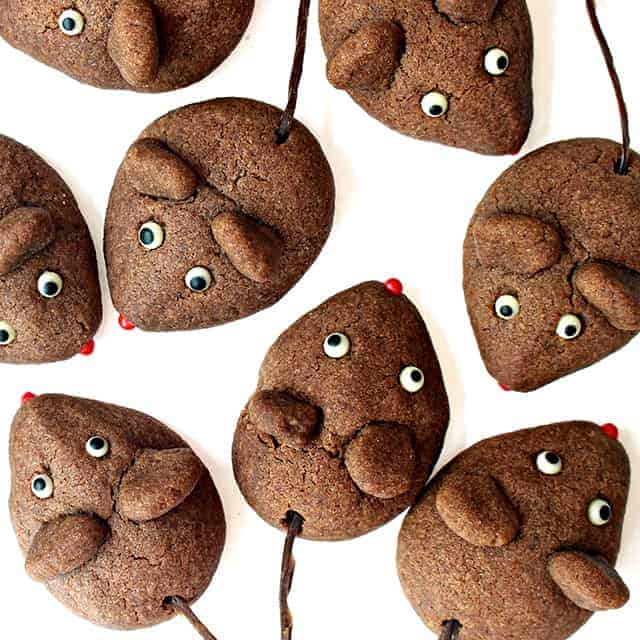
What better way to celebrate Frederick’s imagination, than with a batch of Chocolate Cookie Mice! Perhaps your little ones will want to be like Frederick and will tell the cookie mice a story before gobbling them up!

Chocolate Cookie Mice are easy to make, but do require planning. The dough needs to chill in the refrigerator for at least 3 hours before using so that it will hold its shape in the oven. I suggest you make the dough one day (it takes only about 10 minutes) and create your batch of mice cookies the next day.
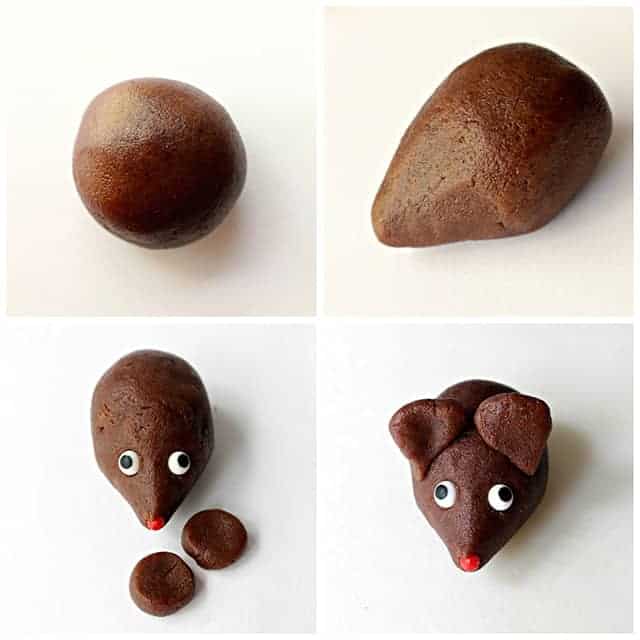
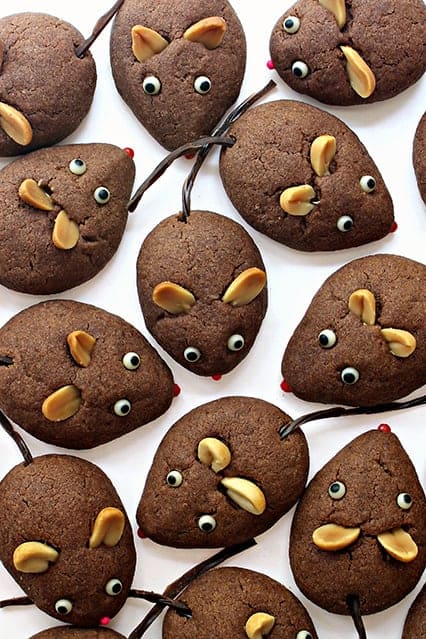
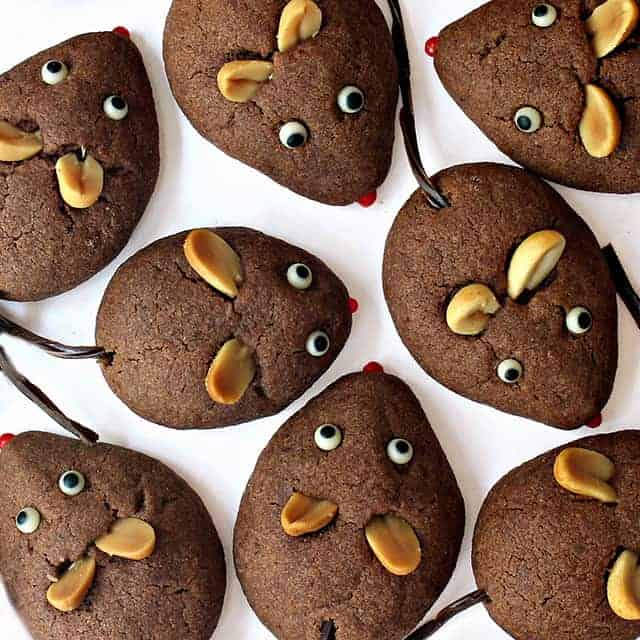
There are lots of possibilities for decorating the mice. I used nonpareil sprinkles in pink or red for the noses, candy eyes, ears made out of peanuts or cookie dough, and tails made out of chocolate licorice cut into thin strips.

Licorice whips that come in black or red are the easiest candy for making mouse tails. I used thin slices of chocolate licorice as an alternative for kids who don’t like the other flavors.

All of the decorating items can be found at most supermarkets or at a cake/cookie decorating store. If you can’t find any of these items, there are lots of other options.

Decorating ideas to consider for the noses:

  •        Mini M&M’s
  •         Red cinnamon candies
  •         A dot of melted pink or red candy melts added after the cookies are baked
  •         A dot of packaged tube decorating icing
  •         Pink or red heart sprinkles

Decorating ideas to consider for the eyes:

  •         Mini chocolate chips (white or chocolate) with the bottom facing out
  •         White or black nonpareil sprinkles (with or without a dot in the center made with edible marker)
  •        Dots of melted white/brown candy melts or chocolate added after the cookies are baked
  •         Dots added with packaged tube decorating icing
  •         Mini M&M’s

Decorating ideas to consider for the ears:

  •         Brown M&M’s
  •         Chocolate chips with the flat bottom facing forward
  •         Sliced almonds

Chocolate Cookies Mice are thick and chewy and have a deep chocolate flavor. They will most likely continue to be a family favorite even when the kids grow out of picture books!

It’s hard not to smile just looking at those cute little mouse faces and it’s impossible not to smile once you take a bite.
Chocolate Cookie Mice

Adapted from ImperialSugar.com

Makes about 36 cookies

Ingredients:

  • 2 1/2 cups all-purpose flour
  • 1/4 cup cocoa
  • 1/2 teaspoon baking powder
  • Pinch of salt
  • 1/2 cup butter, room temperature
  • 1/2 cup vegetable shortening
  • 1 cup granulated sugar
  • 1 large egg
  • 2 teaspoons vanilla extract
  • Black or chocolate licorice laces for tails
  • Pink or red nonpareil sprinkles for noses
  • Candy eyes (or white/black nonpareil sprinkles)
  • Optional: peanuts or almonds for ears

**NOTE: This dough requires chilling for at least 3 hours. May be chilled overnight.

Directions:

  • In a large mixing bowl, whisk together the flour, cocoa, baking powder, and salt. Set aside.
  • In the bowl of an electric mixer, cream the butter, shortening, and sugar until light and fluffy.
  • Gradually mix in the flour mixture, just until combined.
  • Form the dough into a disc. Wrap with plastic wrap and refrigerate 3 hours to overnight.
  • When ready to bake: Preheat the oven to 350° F. Line a baking sheet with parchment paper.
  • Remove the dough from the refrigerator.
  • Use a small (1 tablespoon) scoop to portion the dough. Roll the dough into a ball, then pinch one end of the ball into an elongated point for a nose.
  • Gently press in the candy eyes and nonpareil nose.
  • Ears: If using dough for ears, form two 1/8 teaspoon portions of dough into discs and press the discs onto the mouse head. If using peanuts or almonds, insert the nuts onto the mouse head.
  • Place each mouse cookie 2 inches apart on the prepared baking sheet.
  • Bake for 10 minutes.
  • Remove from oven and immediately push a licorice lace tail into the back of each mouse cookie.
  • Allow the cookies to cool on the baking sheet for 5-10 minutes before moving them to a wire cooling rack to cool completely.
  • Store in an airtight container at room temperature for up to 10 days.
Chocolate Cookie Mice

Adapted from ImperialSugar.com

  • 2 1/2 cups all-purpose flour
  • 1/4 cup cocoa
  • 1/2 teaspoon baking powder
  • Pinch of salt
  • 1/2 cup butter, room temperature
  • 1/2 cup vegetable shortening
  • 1 cup granulated sugar
  • 1 large egg
  • 2 teaspoons vanilla extract
  • Black or chocolate licorice laces for tails
  • Pink or red nonpareil sprinkles for noses
  • Candy eyes (or white/black nonpareil sprinkles)
  • Optional: peanuts or almonds for ears
  • **NOTE: This dough requires chilling for at least 3 hours. May be chilled overnight.
  1. In a large mixing bowl, whisk together the flour, cocoa, baking powder, and salt. Set aside.
  2. In the bowl of an electric mixer, cream the butter, shortening, and sugar until light and fluffy.
  3. Gradually mix in the flour mixture, just until combined.
  4. Form the dough into a disc. Wrap with plastic wrap and refrigerate 3 hours to overnight.
  5. When ready to bake: Preheat the oven to 350° F. Line a baking sheet with parchment paper.
  6. Remove the dough from the refrigerator.
  7. Use a small (1 tablespoon) scoop to portion the dough. Roll the dough into a ball, then pinch one end of the ball into an elongated point for a nose.
  8. Gently press in the candy eyes and nonpareil nose.
  9. Ears: If using dough for ears, form two 1/8 teaspoon portions of dough into discs and press the discs onto the mouse head. If using peanuts or almonds, insert the nuts onto the mouse head.
  10. Place each mouse cookie 2 inches apart on the prepared baking sheet.
  11. Bake for 10 minutes.
  12. Remove from oven and immediately push a licorice lace tail into the back of each mouse cookie.
  13. Allow the cookies to cool on the baking sheet for 5-10 minutes before moving them to a wire cooling rack to cool completely.
  14. Store in an airtight container at room temperature for up to 10 days.
Duckling Update!

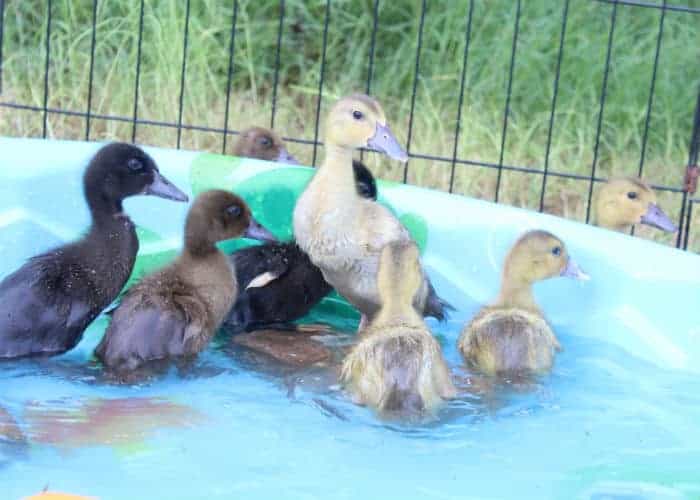
This weekend, the ducklings took their first official swim (that was outside of their water bowl, at least). They took to it like….well….a duck in water, LOL!

They had a ball, and also loved the shrimp I offered them. (That was a first for them, too!) It’s amazing that even though they’d never seen the tiny shrimp before, the ducklings still knew that they were food.

ducklings try swimming for the first time

Although I didn’t see the adult ducks (their parents) really interact with the ducklings, I know they were curious because I did see them sneak a few peeks at the little ones, and hovered about once I left.

I don’t think it registered that the ducklings are their children, but I do think they’re excited to soon have even more company!

Very soon, we’ll start work on a new area for them that’ll include a duck house, a pool, and lots of space.

During the day, the ducklings get to sunbathe – it’s very warm here still (it’ll be hot through October), so why not let them enjoy the weather?

And they’re growing so big – I swear, they’ve grown 10x the size they were just a week ago. Definitely not tiny little ducklings that’ll fit in a shell anymore!

Because ducklings have different dietary needs than chickens (they need more vitamin B), we’ve been feeding crumbles specifically for ducklings and adding brewer’s yeast (which we’ll carry in the store very soon) to make sure their bones grow strong.

You’ll hear stories online about how you can feed ducklings chick starter – don’t listen to it.

In my experience, all might be okay and…..it also might lead to ducks with poor bone development in their legs, which isn’t pretty and ruins their lives.

Just feed them the right stuff and sleep better at night.

The Lion Flock Grows Up!

Well, the clutch of chicks we call The Lion Flock are growing up – they’ve left their grower tractor and now are in the main coop with the Silkies and my bantam Cochins.

They’re so beautifully feathered, and now that they’re no longer in the tractor, I can get better photos to share with you.

One pullet (I’m pretty sure it’s female) has beautiful grey feathers and a young roo has a nice dappling of brown, white, and black feathers.

I can’t wait to see what they look like fully grown – they’ll be beautiful.

If your chickens have worms, it can seriously derail their egg-laying. Why not make them a deworming treat?

Roundworms, cecal worms, hookworms…oh my! Worms (aka freeloaders) rob your hens of vital nutrients while making it more difficult to pass manure, and generally just trash the insides of your chickens. So you gotta get rid of them (and it doesn’t hurt to be proactive).

Unfortunately, because chickens walk around without shoes and socks on, they’re likely to be exposed to parasites more than we like.

There’s not really a good wormer on the market for poultry, although Ivermectin is considered safe and it’s definitely effective against worms in dogs, horses, pigs, etc.

But the problem with wormers, aside from the fact that we don’t really have great dosages for chickens, is that they have withdrawal periods. This means you can’t eat their eggs for about 30 days unless you want to get a mouthful of Ivermectin. If that’s your thing, then by all means, go for it.

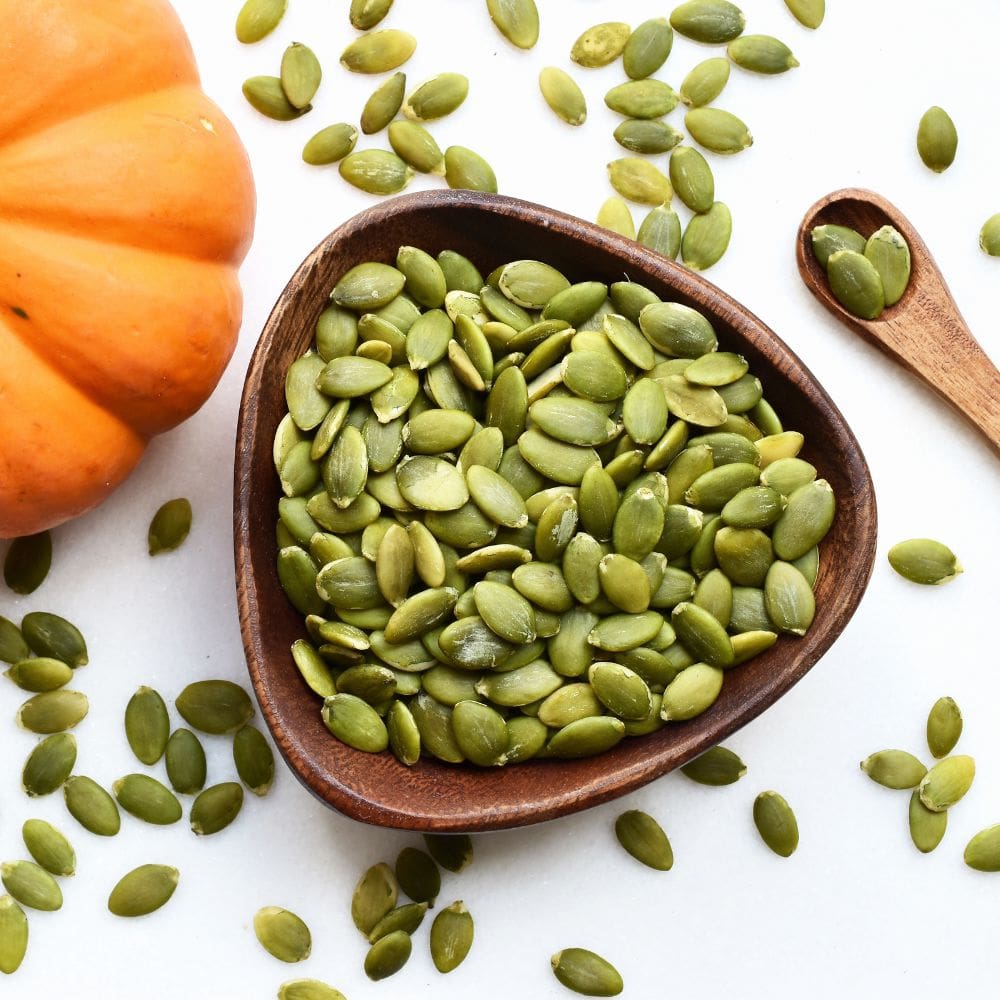
Dish of pumpkin seeds sitting next to a pretty orange pumpkin

Are Worms Dangerous for My Flock?

Parasites can be deadly for your flock which is why it’s important to be proactive and preventative. At the very least, it can give your chickens diarrhea and anemia which will make them feel lethargic. Of course, the symptoms all depend on the type of worm that is attacking your pet chicken.

The key is prevention, as with all health issues. We know this, but sometimes we lose track and forget…and then regret it later when there is a problem. So, this is your friendly reminder 😉

You can learn more about parasites here: Chicken Parasites – An Informative Guide to Uninvited Guests. It describes different types of intestinal worms, as well as some external parasites like lice and mites.

Deworming Treat Details

For those trying to raise their chickens organically, then of course pharmaceutical chicken dewormers aren’t ideal. Medicine has its own set of issues. If it comes down to medication, you’ll probably want to consult with a veterinarian.

I developed this fun treat with ingredients that might help your hens expel those nasty critters. This will hopefully prevent them in the future. No one wants to deal with appetite and weight loss in their flock, and we definitely want to avoid any death. So, taking action is important.

Now bear in mind that with many of these ingredients, their effectiveness is merely anecdotal. There’s not a TON of studies to show whether pumpkin seeds, pepper, or herbs will truly leave your hen’s insides squeaky clean of freeloaders.

But I put these things into the category of “can’t hurt, might help.” At the bare minimum, your hens will have fun eating the seeds and gobbling down garlic. And that’s always a good thing!

You should also remember that treats aren’t a meaningful replacement for a quality layer feed that’s formulated to ensure your fluffy butts get all the vitamins and minerals necessary.

Treats should comprise about 10% of your flock’s diet. You should feed treats just a few times a week, or daily in small amounts. I feed my hens the recipe below about once a month (and of course I feed other treats in between time!)

Pumpkin Seed & Cranberry Deworming Treat Recipe

Ingredients (per chicken)

½ c raw shelled pumpkin seeds

2-3 freeze dried or fresh cranberries

1 tsp cayenne pepper

½ cup kale

1 tsp fresh garlic

¼ cup wormwood

¼ cup sunflower seeds (optional)

Directions

Multiply amounts of ingredients based on the amount of chickens you have. Mix all ingredients together and serve as a treat. Be sure to use raw, unsalted, pumpkin seeds and sunflower seeds.

Pumpkin seeds are a popular folk remedy for preventing and curing worms, although it’s not really been studied in chickens.

There was one study done in mice that showed extracts from pumpkin seeds reduced the worm load when fed 8 grams of pumpkin per 1 kg of animal weight.  

There have also been studies that showed pumpkin seed oil is good for the urinary tract in humans and might help against tapeworms.

At a bare minimum, chickens love pumpkin seeds, so they’ll enjoy gobbling them down. It’s also important to note that an all-seed diet can cause Vitamin A deficiency, which might cause bumblefoot, so don’t only feed your chickens seeds.

The other main ingredient in this recipe, the cayenne pepper, has long been purported to help humans and animals get rid of worms. The reasoning behind it is that the worms don’t like a chemical constituent in peppers – Capsaicin – and it causes them to detach from their hosts, and chickens can then poop the worms out. This breaks the life-cycle of the worms.

Again, evidence it works to expel worms in chickens is limited, although it has been studied in rats.

Wormwood has long been used as a remedy to prevent and treat worms for nearly as long as humans have been around.

During the Middle Ages, it was the go-to cure because worms find the herb bitter, and choose to not stick around.

It’s also the “active ingredient” in some herbal wormers you’ll find on the market.

Garlic is never a bad thing for chickens, and it’s been shown to help living creatures be healthier and have better immune systems. Parasites also object to the smell and spiciness of garlic, so it’s possible it’ll help your flock stay worm-free as well.

If you want to prevent worms in your chickens, making sure their surroundings are clean and moisture-free is a good place to start. A healthy diet will help keep them in tip-top condition so if they do get a parasite infestation, they have the energy to fight it off.

This treat is a great addition to any feeding plan out there, and you’re chickens will love it as much as mine do!

Tips for Prevention

It’s in everyone’s best interest to avoid a worm infestation. Here are some tips.

Types of Worms

There are as many types of worms as there are stars in the sky…okay, that may be an exaggeration – but there are a lot. Here’s a list of some of the common ones with links to learn more if you have such a desire. If in doubt, vets can check for the type of worm eggs so you know what you are treating.

Signs of Worms

  • Lack of appetite
  • Lethargy
  • Pale comb
  • Head stretching and shaking or gasping
  • Diarrhea
  • Coughing

Fun Fact (Bad Fact)

Chickens (and other poultry like turkeys) can get worms by eating an intermediate host. What is that? Well, things like slugs, snails, earthworms, cockroaches, and grasshoppers.

But wait…I thought insects were good protein snacks for my beloved flock!?!? Well, they are…but they can be parasite carriers. It’s just something to be aware of. Some folks walk around scratching their heads trying to figure out what they did wrong when they have a worm problem in their flock. Sometimes it’s not anything you did.


Have a hen who loves treats? (Who doesn’t?!)

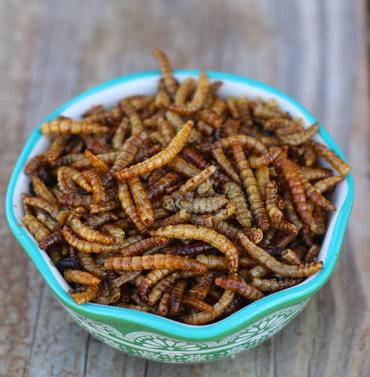
Yes, my hens LOVE mealworms!


*** For this review, the folks at Brinsea sent us their Brinsea Ovation 56 Advance Incubator with fully automatic egg turner and digital temperature and humidity control test run.

Although we received the incubator for free, all the opinions in this article are true and accurate, and represent our own opinions. ***

What we reviewed

Brinsea Ovation 56 Advance Incubator with fully automatic egg turner and digital temperature and humidity control. Cost: $469.99 on Amazon (Buy here) or (accurate at time of print) $449.99 on Brinsea’s website here.

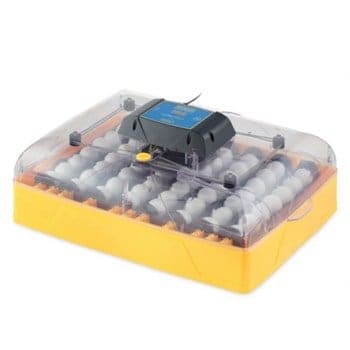
 Brinsea Ovation 56 Advance Incubator fully digital for backyard chickens

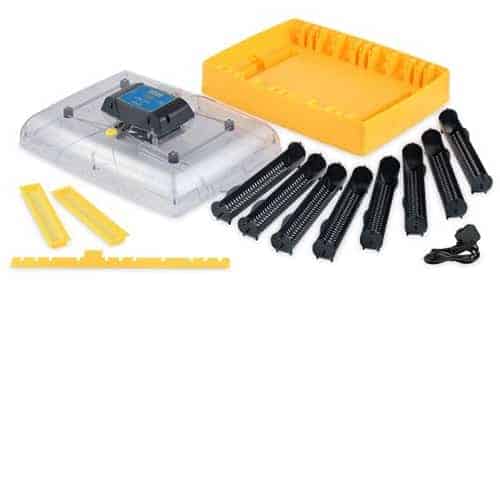
 Brinsea Ovation 56 Advance Incubator fully digital for backyard chickens egg cups

Description

The Brinsea Ovation 56 Advance Incubator with fully automatic egg turner and digital temperature and humidity control is an electric egg incubator with an automatic turning element and forced air heating element.

There are 8 egg holders that can accommodate all species of domestic poultry eggs.

There are also areas for water to maintain the humidity levels. The temperature and humidity are digitally displayed on the top of the incubator.

The Brinsea Ovation 56 Advance Incubator comes with a manual that explains how to use it and how to set it up.

According to the Brinsea website:

“The Ovation 56 Advance is a sophisticated, high performance incubator ideal for a wide range of species and applications. The high accuracy digital readout of humidity and comprehensive alarms help ensure high hatch rates.

A simple and highly accurate menu driven digital control system gives:

  • Digital display of temperature and humidity
  • Automatic temperature control in °F or °C fully factory calibrated
  • High and low incubator and room temperature alarms
  • Programmable automatic egg turning
  • Periodic Egg Cooling feature
  • Fan assisted air flow with Induced Dual Airflow system
  • Ventilation control
  • Good visibility of the eggs
  • Robust hygienic ABS construction with Biomaster™antimicrobial plastics
  • 56 hen eggs capacity with standard egg carriers provided but suitable for a wide range of egg sizes (optional small/large egg carriers)
  • Easy water top-up with level indicator
  • 3-year warranty”

Our experience

Let’s just say that we gave the Brinsea Ovation 56 Advance Incubator a real run for its money, and it came through with gold stars.

We tested it twice, both with duck and chicken eggs (mostly from my brahma chickens). We had to try it twice because on the 18th day of our first test run with 30 chicken and duck eggs, the cat knocked over the incubator and cracked every single egg.

Despite this error on our part, our experience with the Brinsea Ovation 56 Advance Incubator was overwhelmingly positive.

The first test run of the Brinsea Ovation 56 Advance Incubator

Setting up the incubator was easy, although I did have to consult the manual to make sure all the settings were accurate. The manual is well written and easy to follow.

I selected 30 duck eggs and enough chicken eggs to fill up all the cups.

Days 1 – 10 went uneventfully, and I appreciated how easy the Brinsea Ovation 56 Advance Incubator is to use.

On Day 10, we pulled out the eggs that did not develop or were never fertile, and left the remainder to incubate. Out of 30 eggs, we pulled out less than 5. In any hatch, some eggs won’t develop, and it’s not a reflection of the incubator.

Before the incubator crash, we candled all the remaining eggs on Day 18, and they appeared to have embryos developed enough to hatch.

After the crash on Day 18, we had 5 chicks hatch immediately, and they were all healthy, and have lived to tell the tale. We lost the rest of the hatch, but it was no fault of the incubator.

The incubator itself was unharmed, which is a testament to its craftsmanship.

The second test run

The second time, we tested the incubator with 15 duck and about 20 chicken eggs. All went as planned, and we loved that we didn’t need to worry about the temperature levels, and adding more water to maintain the humidity was easy.

The temperature stayed a constant 99.6 degrees F throughout the entire incubation period, except when we replaced the water in the humidity trays. When the temperature dipped a few decimal places because of the water, the incubator returned to 99.6 degrees quickly.

When we removed the top of the incubator to candle, again, the temperature returned to 99.6 quickly. Candling the eggs was easy, although I had to be careful to grasp the eggs tightly to remove them from the turning element safely.

We kept the humidity at 55%, and removed the chicken eggs from the turning element on Day 18.  The duck eggs remained in the egg cups, which protected them when the hatched chicks rolled around to get their bearings.

On Days 18 – 21, all the chicks hatched, and are healthy and now happily running around our farm. Because of the automatic turner, we didn’t have to open the incubator at all while the chicks hatched to turn the duck eggs, allowing us to incubate both types of eggs simultaneously.

The duck eggs remained in the cups until Day 28.

We removed some duck eggs before the final 3 incubation days (the eggs were never were fertile) and all of the remaining duck eggs hatched on Day 28 and Day 29. We now have 10 healthy ducklings.

ducklings try swimming for the first time

The Good

This incubator is very easy to use, and is as close to set and forget as you can get with an incubator, at least until it’s time to remove the eggs from the turning element to hatch.

The temperature stayed the same the entire time, and the humidity was consistent as long as the water level was constant.

The egg cups that are part of the turning element are easy to use, and accommodates our very large Pekin duck eggs well. For goose eggs, the manual recommends laying the eggs on their sides, which we had to do with a couple Pekin eggs.

We noticed that the incubator did not draw a lot of energy, even though it maintained 99.6 degrees for well into 2 months, so it seems to be quite energy efficient.

Some key points about the Brinsea Ovation 56 Advance Incubator

This isn’t bad per se, but more of a piece of advice: Consult the manual carefully and keep it handy when setting up the egg cups and automatic turner.

In the confusion of the day 18 crash on our first test run, we panicked to get all the eggs back in the Brinsea Ovation 56 Advance Incubator as quickly as possible to avoid shrink wrapping.

I had to consult the manual to figure out how to place the egg cups so they lined up with the automatic turning element because I completely forgot how they fit together, and it wasn’t 100% intuitive in the heat of the moment.

If not set up correctly, you run the risk of the eggs falling out of the cups, which is initially what happened when I tried setting up the incubator for the 2nd test run. The eggs were unharmed, but it’s best to keep the manual on hand.

Some other points:

The timer for the Brinsea Ovation 56 Advance Incubator automatic turning element is set to go off every 45 minutes by default, so be sure to consult the manual to select an interval that works for you. We set it to turn the eggs every 2 hours.

We couldn’t figure out how to turn the beeping off completely for the timer, and it kept my husband up at night, but it didn’t bother me. If you’re a light sleeper, take this into consideration when deciding on a location for your incubator. Because we have special needs children and cats who get into things they shouldn’t, we kept ours in the bedroom where we could keep an eye on it.

[UPDATE: Brinsea contacted me after this review posted, and let me know how to turn off the beeping sound:

  • Press all 3 buttons simultaneously to unlock the calibration menu
  • CAL TEMP
  • OK < >  will show on the screen
  • Keep pressing the OK button until you see TURN ALM
  • Press the OK button
  • The screen will now show
  • T ALM: 1
  • OK 0 1
  • Press the – button to select 0 (off)
  • Keep pressing the OK button until you save and exit.]

The heating element on top of the Brinsea Ovation 56 Advance Incubator isn’t easily removable, so it made it difficult to completely clean it between hatches.

When I emailed my contact at Brinsea for help, I was promised a reply with the information, but didn’t hear back with instructions for cleaning around the heating element.

[UPDATE: After this review posted, I did hear back from Brinsea about the cleaning instructions, and you can view them here. They are easy to follow, so print them out and keep them handy. Their customer service was friendly and very interested in helping us solve the cleaning riddle.]

Overall Experience

GREAT – I love this incubator, and had great hatch rates. The fact that we got 5 healthy, beautiful chicks after the crash speaks to the quality of the product. I haven’t lost a single chick or duckling that hatched, and they’re all healthy.

While a bit pricey for beginning chicken and duck keepers, the peace of mind and craftsmanship is well worth it if you plan to incubate eggs frequently.

I plan to use the Brinsea Ovation 56 Advance Incubator again and again, and it’s my prime recommendation for a mid-priced chicken egg incubator.

I love the looks of a window box, because it gives every coop a nice, polished appearance.

And it’s so easy to do, and easy to change for every season. With fall coming up, and the days getting shorter, we’re falling in love with the colors of autumn.

From mums to pumpkins to late summer blooms, there’s an idea here for every chicken coop. So get ready to get inspired!

Worried about your flock snacking on your flowers? Take a page from this genius fluffy butt owner, and put chicken wire over your window box!

https://www.instagram.com/p/BmRQeY1FU25/?hl=en&tagged=chickencoop

We love how this coop uses the colors of fall – and they’ll never fade!

https://www.instagram.com/p/BmezLlijo37/?hl=en&tagged=chickencoop

How about this gorgeous arrangement?

https://www.instagram.com/p/BmdVZUOlZg5/?hl=en&tagged=chickencoop

Or these summer blooms:

https://www.instagram.com/p/BmntjDYAF6h/?tagged=windowbox

Got green shutters on your coop? This home uses splashes of pink to complement them! Love!

https://www.instagram.com/p/BmlmdvhniMK/?tagged=windowbox

And this is just a really cool looking coop (and we’re jealous!):

https://www.instagram.com/p/BmUNn27Hxhm/?hl=en&tagged=chickencoop

Happy fall!

Hey y’all! Here’s this week’s sneaky peek photos of life on our farm!

These images also appear on my Instagram account where I share MANY more photos and stories from the farm!

If you aren’t yet following me there, you can right here.

Enjoy the photos & be sure to share some of yours with me!

https://www.instagram.com/p/Bmj6N90F_0a/?taken-by=pamperedchickenmama

https://www.instagram.com/p/BmhVX79l0lK/?taken-by=pamperedchickenmama

https://www.instagram.com/p/BmcLjAlFl1H/?taken-by=pamperedchickenmama

https://www.instagram.com/p/BmXAcnfF8A-/?taken-by=pamperedchickenmama

https://www.instagram.com/p/BleYa7xF5Lv/?taken-by=pamperedchickenmama