I’ve been trying to incorporate more fermented and probiotic foods into my diet, and probiotic mayonnaise is probably one of the easiest ways I’ve found.

And it tastes just like regular mayonnaise, so it’s a sneaky way to introduce probiotic foods into your kids’ diet (or your husband’s, in my case).

Now, the thing about mayonnaise is it has a bad rep because it’s usually made with heavy oils, and if you’re conscious about what goes into your body, it’s something you might avoid. 

So, to make this probiotic mayonnaise a little healthier (and easier for you if you’ve never made mayo before), I swapped the traditional olive oil for healthier grape seed oil.

Probiotic mayonnaise is fairly straight forward to make, although you do have to pay attention when combining the oil with the other ingredients to ensure your mayo emulsifies correctly.

But the end result is worth it, and probiotic mayonnaise has a tangy, sparkling taste you’ll love.

So, the first question:

What goes into probiotic mayonnaise anyway?

Let’s take a look!
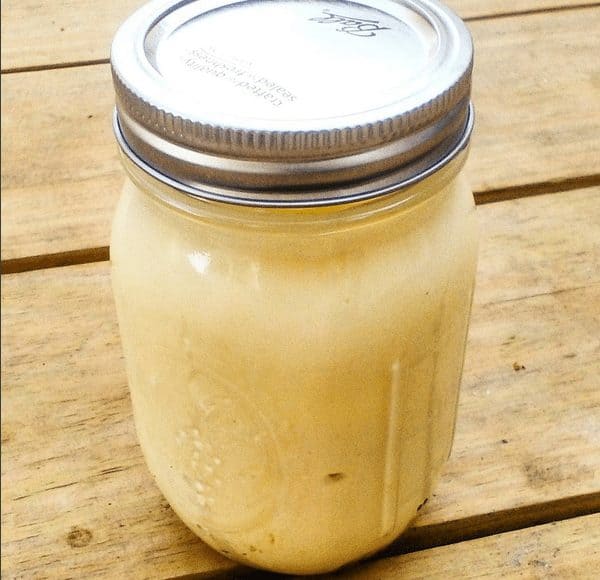
probiotic mayonnaise in jar

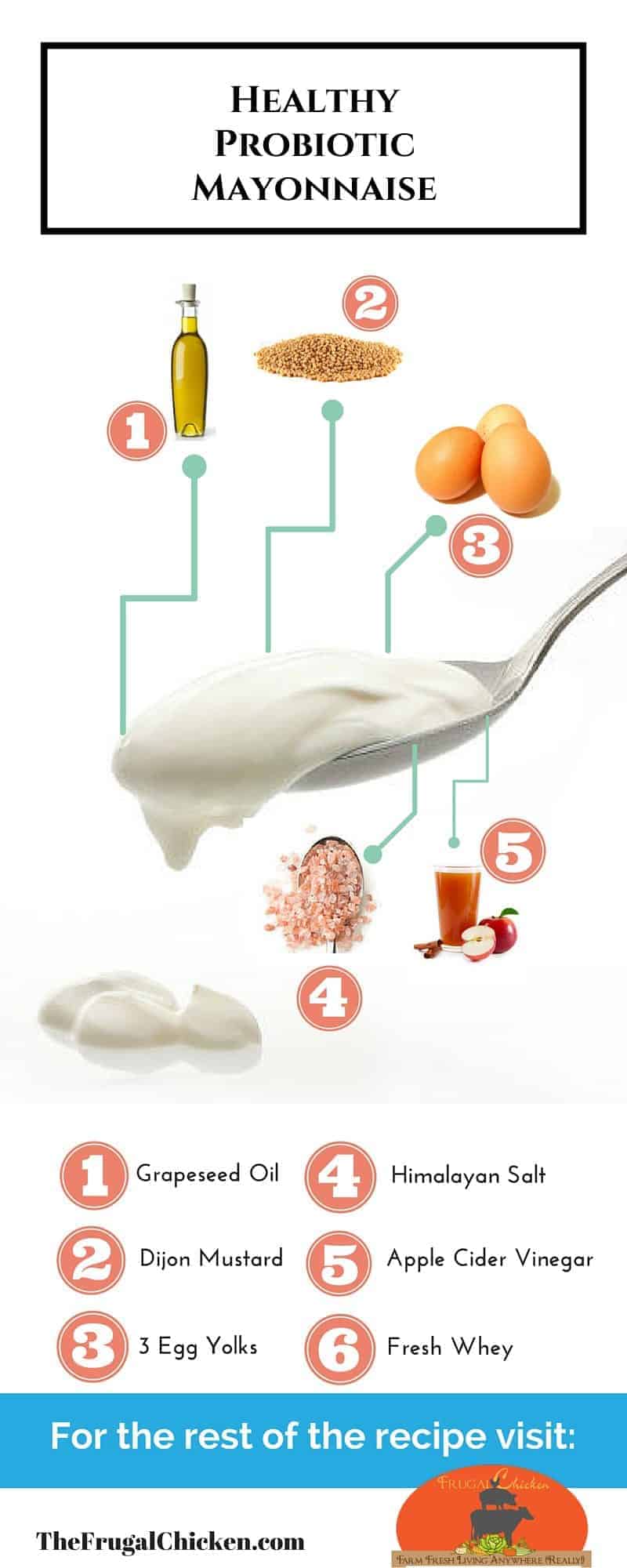
So, here’s the ingredients for probiotic mayonnaise:

3 egg yolks

1 teaspoon Dijon mustard

2 tablespoons raw apple cider vinegar

1 tablespoon whey

½ tsp Himalayan salt 

1 cup grapeseed oil

(You can also buy these at Thrive Market. See why I love Thrive here.)

Now that we have that out of the way, let’s talk a bit about these ingredients…

Whey, Apple Cider Vinegar, and Grape Seed Oil – Oh My!

For this recipe, I used whey leftover from cheese making to turn regular mayonnaise into a probiotic powerhouse.

It’s a great way to use it up and make a healthy addition to your meal (incidentally, it’s also great in pizza dough!).

If you want to use whey to add probiotics to this or any meal, avoid the whey powders you see in health food stores; it’s not the same thing, and you won’t get any beneficial bacteria from it.

Just…no.

If you don’t have whey, you can just omit it from the recipe or use fermented pickle juice to make the mayonnaise into a probiotic feast.

All you need to do is simply use an equal amount of fermented pickle juice instead of the whey.

You can also use extra raw apple cider vinegar in place of the whey.

Speaking of apple cider vinegar…
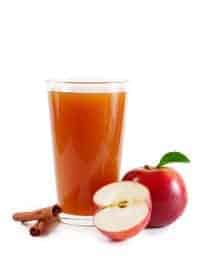
Apple cider vinegar used to make probiotic mayonnaise

In addition to the whey, to make probiotic mayonnaise, I also used raw, organic apple cider vinegar to add an extra amount of beneficial bacteria.

Just like the whey, you want to make sure the vinegar you use is homemade and raw, and contains part of the mother – the collection of beneficial bacterias that naturally occur as you make apple cider vinegar.

I generally recommend people use only vinegar they’ve made in their own home when making this probiotic mayonnaise – you can be sure of exactly what you’re getting.

If making apple cider vinegar is new to you…

Read my step-by-step apple cider vinegar tutorial. It’s so simple to make you’ll wonder where it’s been all your life.

Ah…grapeseed oil. We meet again.
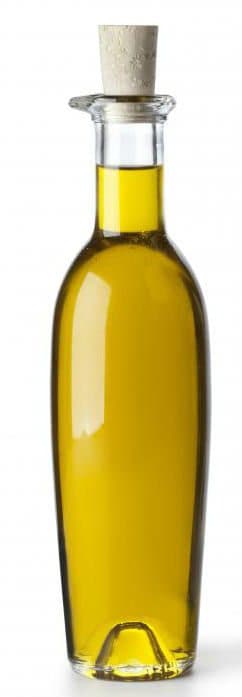
oil used for probiotic mayonnaise

Mayonnaise is traditionally made with olive oil, but I use grapeseed oil when making probiotic mayonnaise because the oil has a lot of antioxidants in it.

It’s also popular for cooking because it’s known to reduce cholesterol.

It’s filled with healthy fats, making it ideal for a condiment like mayonnaise, which traditionally has been full of unhealthy fats, and definitely not probiotic.

But most importantly….

It emulsifies easier than olive oil.

The success of any mayonnaise recipe rests on the cook’s ability to properly emulsify the ingredients, and I need all the help I can get!

Nothing is worse than trying hard to make mayonnaise, and completely flopping!

But here’s the deal:

When using grapeseed oil for probiotic mayonnaise, or any cooking really, be sure to use food grade – some oils are sold for cosmetic use.

Because the oil is extracted from the seed using a chemical process, it’s possible a cosmetic-grade oil will be harmful if consumed.

But if you find your grapeseed oil in the food aisle at your local store, you’re probably okay!

How to make Probiotic Mayonnaise

The difference between probiotic mayonnaise and regular ol’ mayo comes down to two things:

  • Raw apple cider vinegar
  • Whey

When you use both of these ingredients, the beneficial bacteria in both are added to your mayo. 

And it transforms from something ordinary into something that you’re used to eating but is filled with more nutrients, easier to digest, and more nourishing.

And if you have picky eaters (read: stubborn eaters who don’t want to try something new), it’s an easy way to introduce probiotic foods into their diet.

So, here’s the ingredients for probiotic mayonnaise again

Ingredients:

3 egg yolks

1 teaspoon Dijon mustard

2 tablespoons raw apple cider vinegar

1 tablespoon whey

½ tsp Himalayan salt (or any salt)

1 cup grapeseed oil

Let’s talk Directions

I like to use an immersion blender to make this mayonnaise, but a table top blender works great too. 

In a wide-mouth jar (or blender if using), combine the egg yolks, mustard, apple cider vinegar, whey, and salt.

Blend the ingredients together as you very slowly drizzle the oil into the mixture, keeping the blender running the entire time.

And I mean very slowly.

It took me a good 3 minutes to drizzle the grapeseed oil into the egg yolk mixture, and it’s important to not stop when blending the ingredients together to make sure it emulsifies.

This is where the rubber hits the road – dump the oil in too fast, and it might not emulsify. Patience is key to successful probiotic mayonnaise.

Once you’ve added all the oil, you will know your mayonnaise is ready when the mixture becomes thick, coats your blender, and is more difficult to mix.

Transfer your completed probiotic mayonnaise into a clean plastic container or glass jar, and keep in the fridge. Use as you would any other mayonnaise.

That’s it!

The steps to make probiotic mayonnaise are pretty straight forward, and the only tricky part is emulsifying the ingredients. 

With an immersion blender, even I can do it!


I’d like to hear from you!

Does probiotic mayonnaise sound like something you’d try? Why or why not? Email me at [email protected] or comment below!
Probiotic Mayonnaise is an easy way to incorporate healthy probiotic foods into your diet. Kids love it too, and it tastes exactly like normal mayonnaise. In this tutorial, I show you step-by-step how to make it! From FrugalChicken

Please, don’t make these 5 common mistakes I see chicken owners making.

In this podcast episode of What The Cluck?! we cover 5 mistakes I see chicken owners making, and how to avoid these pitfalls. 

These are simple mistakes to make, but can have a big – and long term – impact on your flock. 

You’ll learn:

  • Why happy neighbors are crucial to raising healthy chickens
  • The biggest mistake I see, and how to avoid it
  • Why preparing before you get a new flock is critical
  • What to do if your vet doesn’t specialize in chickens

(LIKE THIS PODCAST? LISTEN TO THE REST HERE)

Links we discuss in this podcast:

Feeding Your Hens Right

FrugalChicken Facebook Group

5 Ways To Feed Your Hens Right – Today! (free audio course)

Chicken 911! How To Prepare For Chicken Emergencies: Session 7 Of What The Cluck?!

FrugalChicken Facebook Group

FrugalChicken Instagram

I’d like to hear from you!

What do you think are the most common mistakes a new chicken owner makes? Email me at [email protected] or comment below!
the better egg ad final


Pie. O.M.G. There cannot be enough recipes to satisfy me.

Pie is huge on our homestead, and since it’s relatively easy to make, we have it often.

Anything with fruit is always a hit. And of course, they’re always made from scratch. 
While we’re usually pretty pressed for time, each pie on this list doesn’t take that much time.

And with the constant influx of eggs we have, we like to use egg whites for meringue.

With the holidays coming up, I decided to gather a collection of my favorite pie recipes that have knocked it out of the ball park at home.

Here’s 11 of my favorites. I hope you enjoy them too.

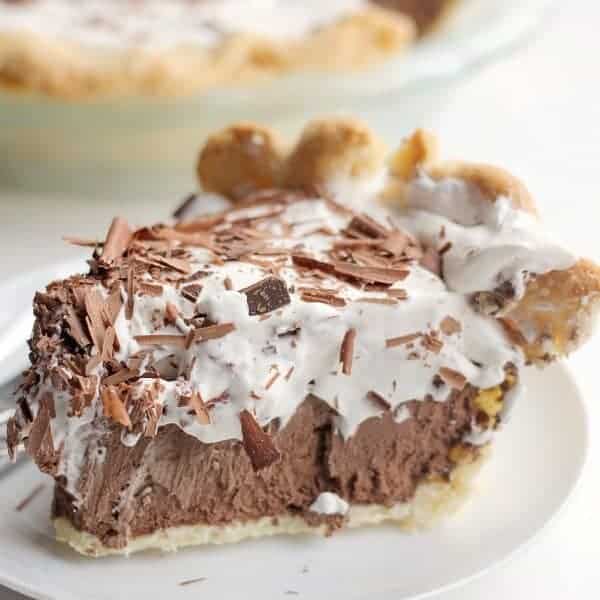
Chocolate French Silk Pie

Holiday French Silk Pie
Photo from Baker Betty

Using butter, sugar, chocolate (of course), and eggs (yay!), this pie is to die for. It’s also shockingly easy to make.

The chocolate curls are simple to create at home – simply run a bar of chocolate over a cheese grater, and there you have it!

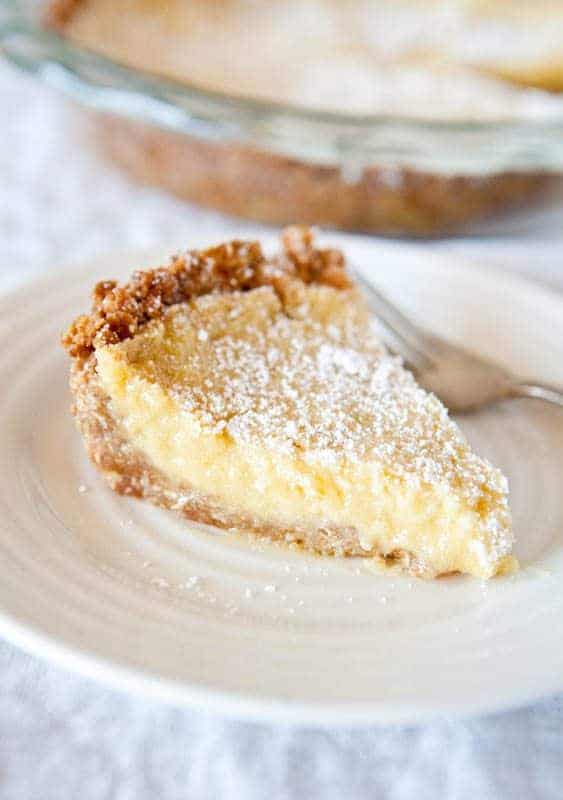
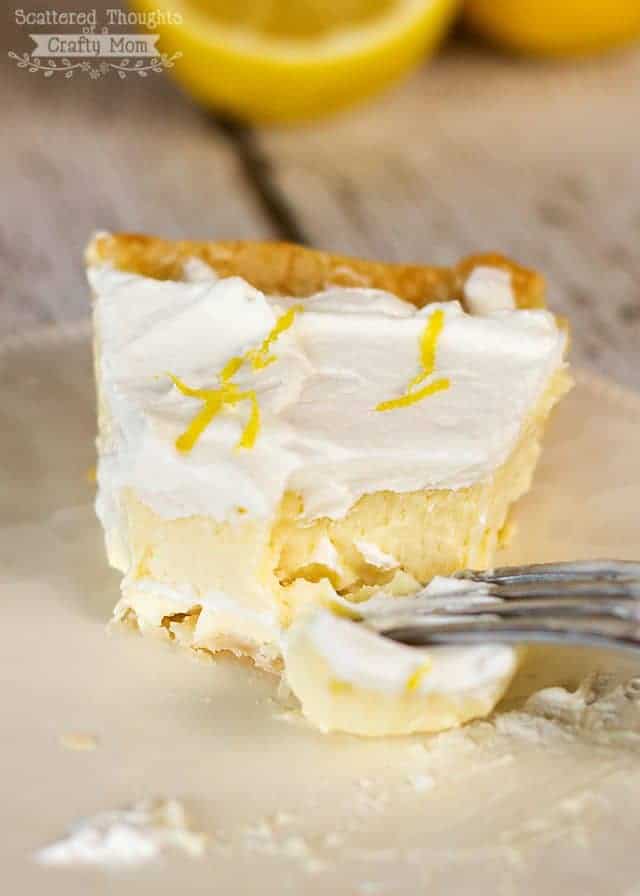
Lemon Cheesecake Pie

lemon and cheesecake pie
Photo from Scattered Thoughts Of a Crafty Mom

With this pie, I prefer to use homemade cream cheese and sour cream, but you can, of course, use store-bought products.

Since we can’t grow lemons here, I like to substitute trifoliate orange juice for the lemon.

When we moved to the homestead, I was delighted to learn we have a couple trifoliate orange bushes growing, and try to use them as much as possible, even though they’re sour.

So, they’re perfect for this recipe. Of course, you can just use lemon juice, as the recipe suggests!

Crack Pie

holiday pie recipe
Photo from Averie Cooks

This is another awesome recipe to use up your eggs (do you see a theme here?) It’s a little complicated, but the end result is totally worth it.

Despite its interesting name, Crack Pie is an old-fashioned type recipe that I could see our grandmothers making on special occasions. 

It’s to die for, and if you’re looking for an adventurous recipe, you’ve found it.

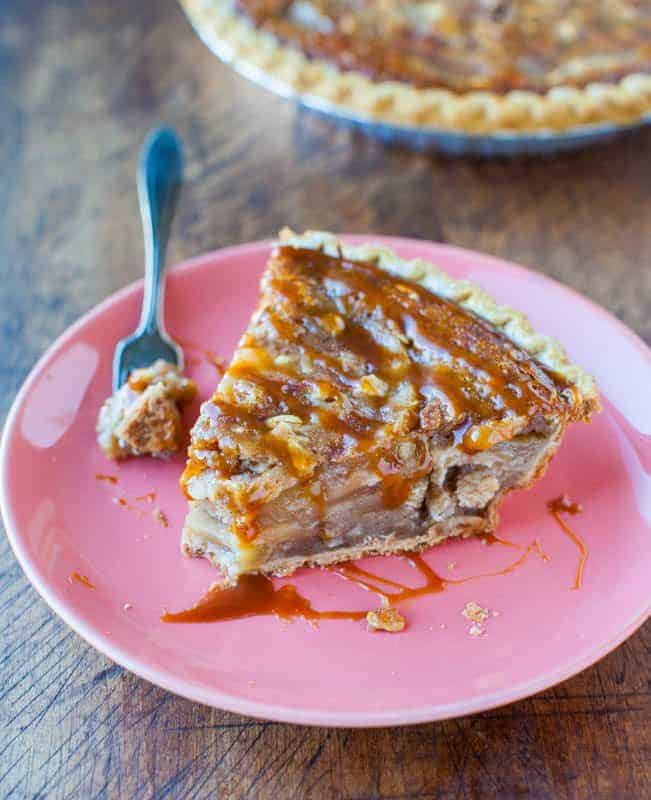
Caramel Apple Crumble Pie

Holiday Recipe Caramel Apple Pie
Photo from Avery Cooks

I love to make this pie in the fall, when apple harvest is here, and we have an abundance of apples to use up. 

Although there are a lot of ingredients in this pie, making it is so simple that your family won’t believe it. 

If you don’t want to use store-bought pie filling, you can, of course, use your own that you made from scratch.

Want another fun apple pie recipe?

Try this $25,000 Apple Pie recipe! (even if you don’t make it, the story of why it’s called the $25,000 Apple Pie is really fun!)

Or you can get nostalgic with Grandma’s Apple Pie.

Blackberry Pie

We aren’t lucky enough to have blackberry bushes yet on the homestead (we’ve focused on raspberries and blueberries), so I still have to use store-bought blackberry pie filling when I want to make this recipe.

I love how easy it is to make blackberry pie, and it’s one of those holiday pies you can whip up if you find yourself with company and need a fast and easy dessert to make.

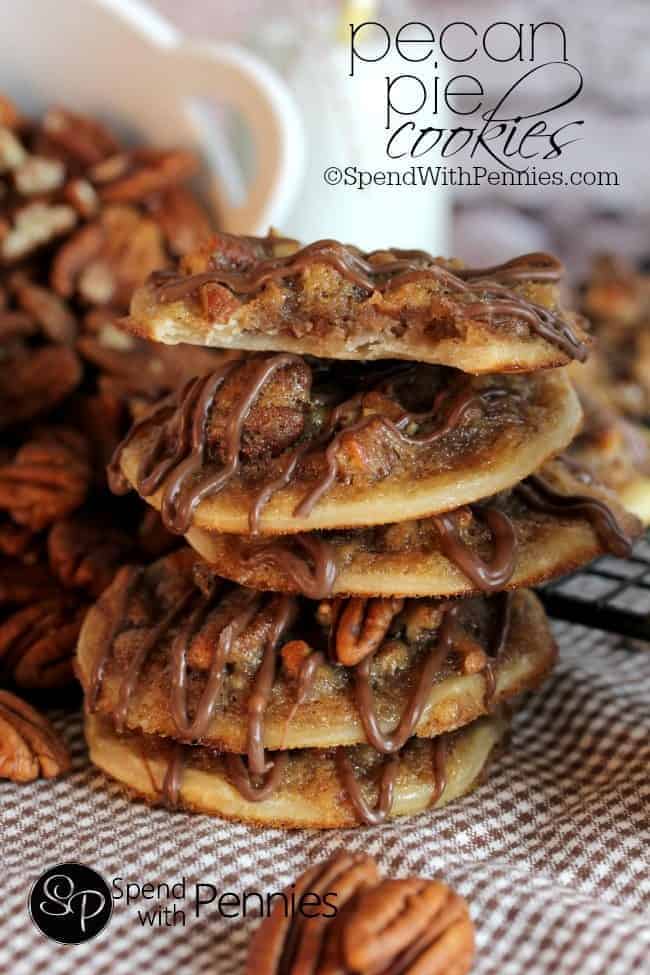
Pecan Pie Cookies

Holiday Pie, Pecan Pie Cookines
Photo from Spend With Pennies

With about 20 pecan trees on our homestead, you can only imagine we try to use them up in any way possible, and these Pecan Pie Cookies are one of my favorite ways.

These cookies are also relatively straight forward to make, with only a few, common ingredients.

Give them a try!

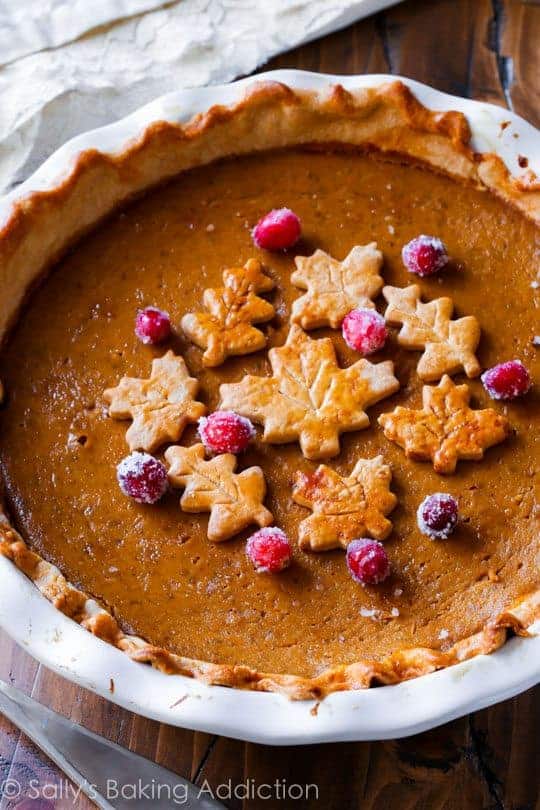
Classic Pumpkin Pie

Pumpkin pie recipe holiday

How could I possibly create a list of great pie recipes without including pumpkin?

I love this recipe because it’s easy and straight forward, and even I can make it!

Or, you can try this recipe! Pumpkin Pie recipe from Survival At Home!

If you want to make it from scratch, you can learn how to make my homemade Pumpkin Puree recipe and Pumpkin Pie Spice here.

Love these recipes and want more?

Easy Apple Pie from Simple Life Mom

Fresh Strawberry Pie from Yearning And Learning

Maple Pecan Pie (without Refined Sugar) from Yearning And Learning

Winter Squash Pie from Learning And Yearning

Buttermilk Pie from Imperfectly Happy

Pumpkin Chiffon Pie Filling from Better Hens and Gardens

Easy Key Lime Pie from Better Hens and Gardens

Third Place Apple Pie from Lally Broch Farm (Won 3rd place at Searsport’s Annual Fling into Fall!

I’d like to hear from you!

Which is your favorite pie recipe? Email me at [email protected] or comment below!

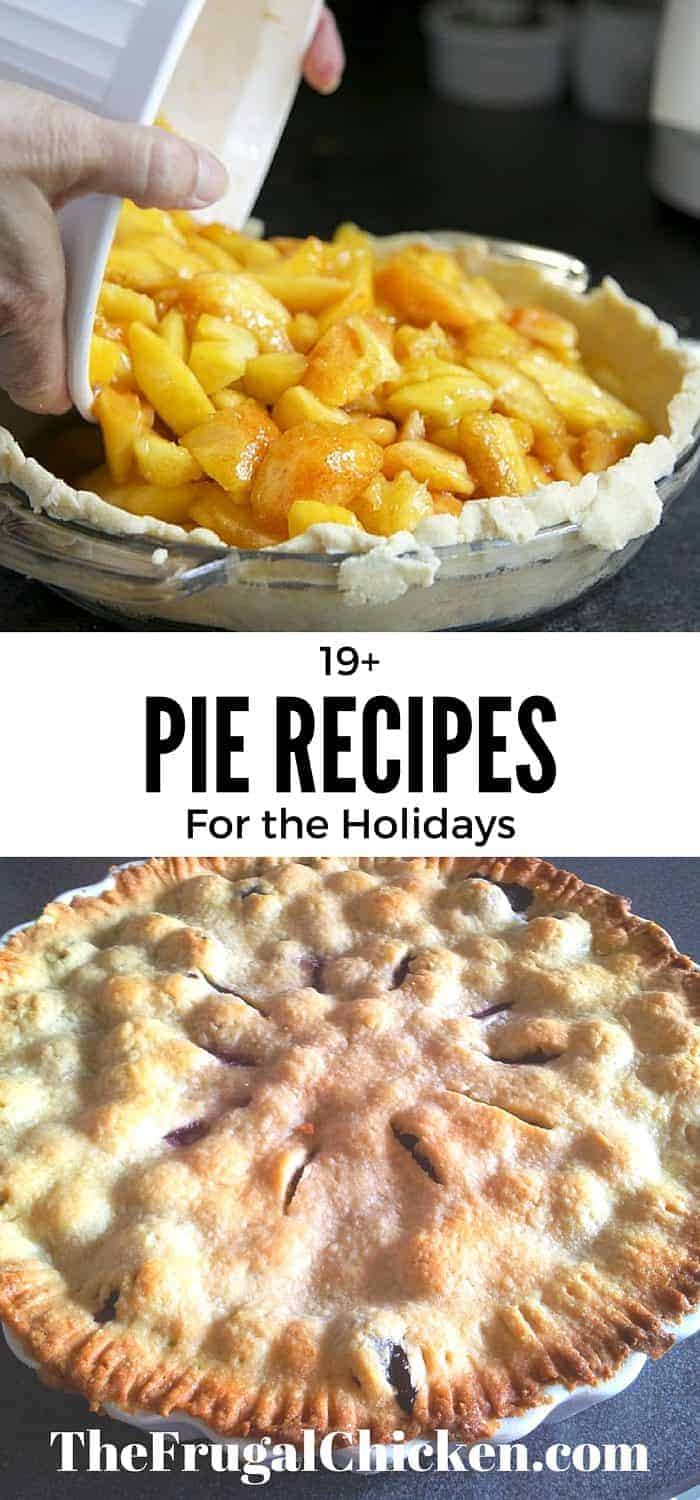
Looking for just the right pie recipe ? Here's 19 classic and not so classic pie recipes! From FrugalChicken

When you have a chicken emergency, it can be a confusing and stressful situation.

In this episode of What The Cluck?! we explore an emergency on the farm this week, how we handled it, and what you can do to be prepared for emergencies with your flock.*

You’ll learn:

  • When to apply natural medicine versus traditional Western medicine
  • Tools, medications, and equipment to keep on hand
  • How to handle critical, spur-of-the-moment judgement calls
  • Mistakes with natural medicine you want to avoid

(LIKE THIS PODCAST? LISTEN TO THE REST HERE)

Links we discuss in this podcast:

Disposable gloves I personally use

Where to buy raw honey 

(This is through Thrive Market, which is the best online health food store. They ethically source their products, and treat their customers very, very well. I’ve been a customer of theirs for years, and highly, highly recommend them).

Electrolytes I recommend

Where to find an avian vet in your area

Feeding Your Hens Right

*Disclaimer: I am not a licensed veterinarian. In any emergency, I recommend you contact a qualified veterinarian. The information in this podcast is for educational purposes only, and reflects only my personal experience.

I’d like to hear from you!

Have you dealt with an emergency with your chickens before? What are your must-haves in your emergency kit? Email me at [email protected] or comment below!

You can’t make goat milk soap (or any soap) without lye, but I’ve shied away from it for the most part.

While handling lye isn’t that dangerous (precautions are necessary but many people use it with goat milk without problems), I know a lot of you aren’t comfortable handling it.

But the benefits of goat milk soap can’t be swept under the rug, and it’s the only soap we use on our homestead.

That’s why I’m a fan of melt and pour soap base, which lets you make your own custom goat milk soap without handling lye. 

In this article, we’ll cover how to make your own luxurious, custom goat milk soap without using lye.

This is a very simple step-by-step process that anyone can master. If you don’t want to watch the video above, here’s the process I use to make custom goat milk soap without lye right on our homestead.

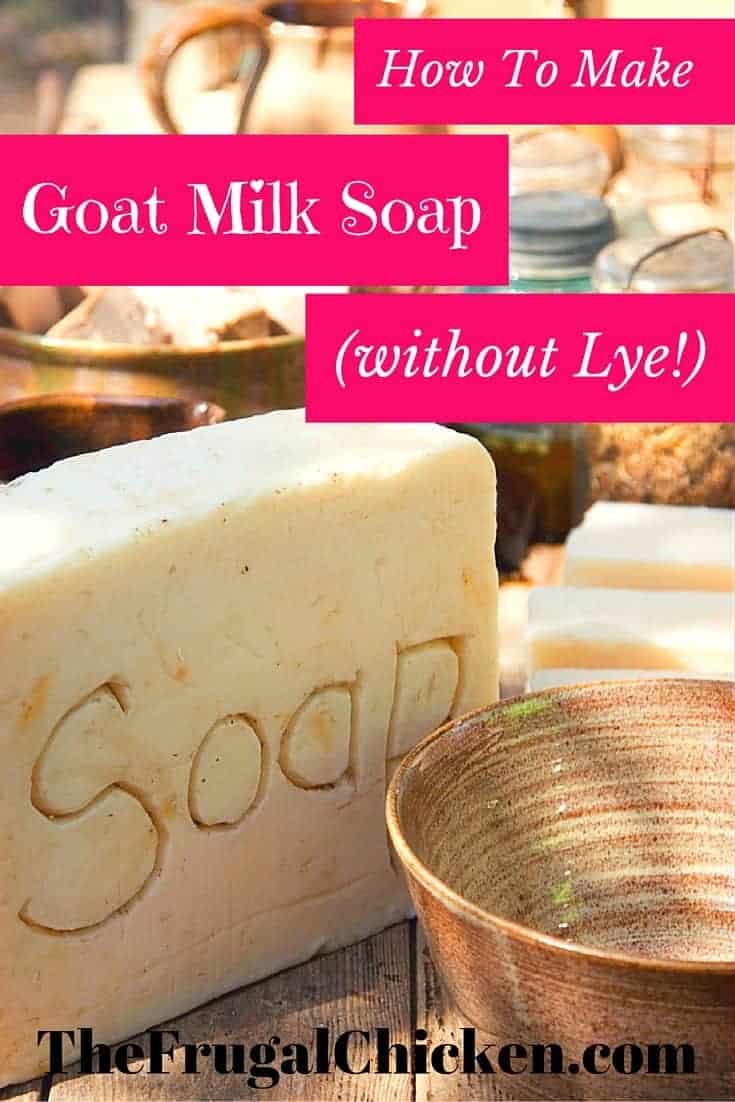
goat milk soap made without lye

Ingredients

Melt & Pour Soap Base

Essential Oils

Anything else you want to add (flowers, oatmeal, almonds, you name it)

Choose a goat milk soap base

For this recipe, I used Stephenson Melt & Pour Goat Milk soap base, but you can use any you want. 

Remember: You can’t make soap from scratch without lye, so your soap base will contain lye, but all the hard work is done for you.

It’s been cured, and the lye is neutralized, making it completely safe to handle.

https://instagram.com/p/9gramcC8wV/?taken-by=thefrugalchicken

Once you’ve decided which soap base to use…

Cut the goat milk soap into small pieces

You want to make the pieces as small as possible. I cut them into 1″ or 1/2″ cubes.

The smaller the cubes, the faster it will melt.

Set up a double boiler, and add your goat milk soap to the top boiler.

If you’ve never used a double boiler, simply grab two pots, one smaller than the other.

Fill the larger pot halfway with water, and rest the smaller pot in it.

Put the pieces of goat milk soap base in the top (smaller) pot.

Wait for the goat milk soap to completely melt in the double boiler

Be sure to watch the top pot; as the water in the bottom pot begins to boil, the goat milk soap will melt.

Make sure the soap doesn’t boil or scorch (I’ve never had this happen), and stir occasionally so it doesn’t form a film on top as it melts.

It will start to look like goat milk as it melts – it’s quite impressive.

In the meantime…

Set up your molds

You can use any mold you want, but I highly recommend using silicone molds.

They’re easy to flip over and pop the soap out of. 

They’re also heat safe, so you don’t have to worry about your mold melting on you.

Here’s the one I use:

And these two look super cute:

If you want, you can grease the sides of the molds with some oil to make removing your goat milk soap easier, but in my experience, it isn’t really necessary.

After the goat milk soap base melts…

Immediately pour the melted soap base into the mold

As soon as you remove the goat milk soap base from the heat, it will start to cool.

Use a funnel to quickly transfer it to the mold.

The funnel will help keep everything tidy (although accidents will happen as you see in the video!)

I just use a plastic funnel for easy clean up.

https://instagram.com/p/9D-5OwC83y/?taken-by=thefrugalchicken

Immediately add your essential oils and other additives

At this point, you’re customizing it and creating your own goat milk soap in your own kitchen.

You can add anything, any fragrance (or no fragrance!) or additives you want. 

In the video, we add honeysuckle essential oil and oatmeal. You can add flowers, nuts, toys for kids, your imagination is the limit.

After adding your whatever you want, stir to ensure they’re mixed in. 

Don’t worry if they’re unevenly distributed throughout, it’s part of the charm of making your own handcrafted goat milk soap.

Now, leave it alone for 24 hours

Allow your newly minted, custom goat milk soap (made without lye!) to sit for 24 hours. 

Using a base is a little different than using lye because with lye, you have to let it sit for quite a while to let it neutralize.

When making soap without lye, you can use it almost immediately, since the lye neutralized long before the goat milk soap base hit your doorstep.

Once your goat milk soap is hard…

Remove it from the mold

You can just turn the mold upside down, and pop it out.

Pretty simple isn’t it?

If it’s necessary, you can now cut your goat milk soap into bars. 

The goat milk soap we produce without lye on our homestead are 4 ounces each, but you can make yours whatever size you want.

https://instagram.com/p/9qvk7Pi8zU/?taken-by=thefrugalchicken

I’d love to hear from you!

Now that you know how to make goat milk soap without using lye, which scents will you use? Email me at [email protected], or comment below!


(Photo credit: katiew / Foter.com / CC BY-NC-ND)

If you’re new to chickens, or thinking of expanding your flock, you’ll want to consider these 5 chicken breeds.

In this session of What The Cluck?!, we look at 3 heritage breeds and 2 modern breeds that are perfect for any backyard flock, and are also great for anyone wanting to make a business out of raising chickens for eggs.

We also talk a bit about the history of each breed, and at the end of the episode, you’ll walk away armed with more information about each breed, and an idea of which breed might be right for you.

In this episode, you’ll learn about:

  • Plymouth Rocks
  • Rhode Island Reds
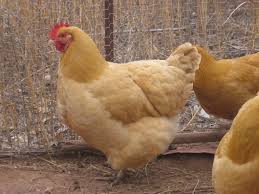
  • Buff Orpingtons
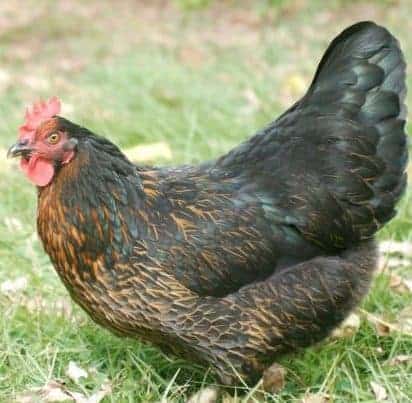
  • Black Sex Links
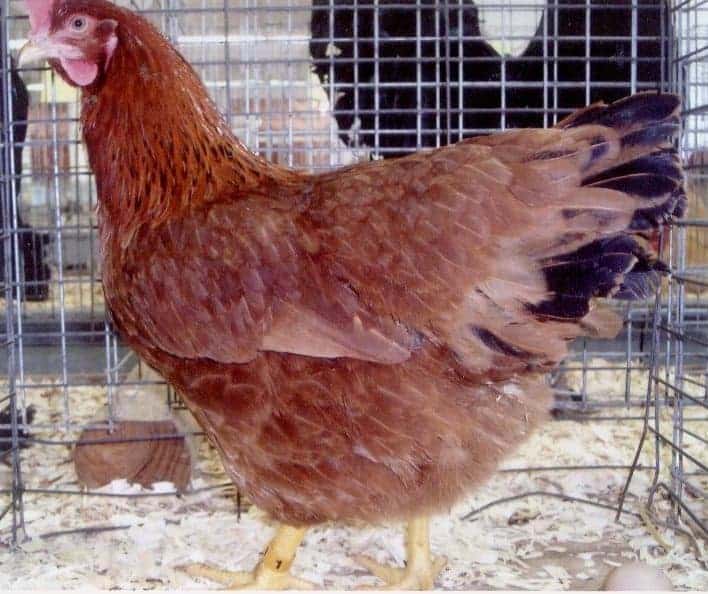
  • Production Reds

As well as:

  • The advantages of each,
  • Their histories, and
  • Reasons each one is an excellent addition to any homestead.

Images of Each Chicken Breed:

Whether your looking for great chicken breeds for your backyard flock or just love to learn about the history of popular breeds, you'll love this podcast. From FrugalChicken
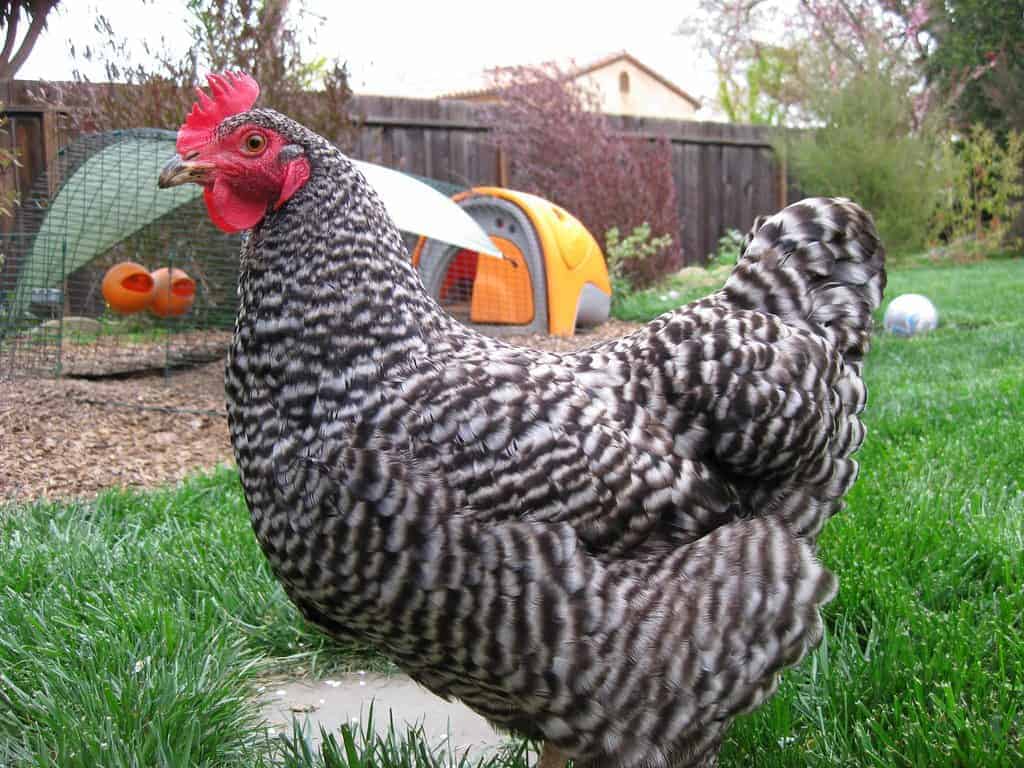
Barred Rock
Whether your looking for great chicken breeds for your backyard flock or just love to learn about the history of popular breeds, you'll love this podcast. From FrugalChicken
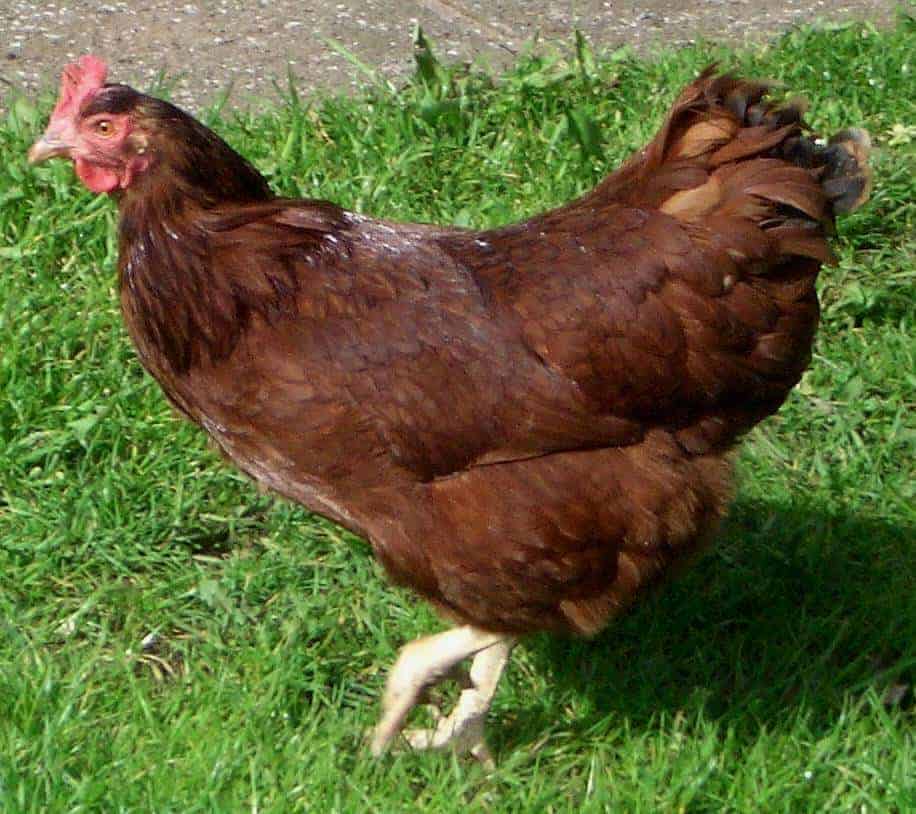
Rhode Island Red Hen
Whether your looking for great chicken breeds for your backyard flock or just love to learn about the history of popular breeds, you'll love this podcast. From FrugalChicken
Buff Orpington
Whether your looking for great chicken breeds for your backyard flock or just love to learn about the history of popular breeds, you'll love this podcast. From FrugalChicken
Black sex link hen
Whether your looking for great chicken breeds for your backyard flock or just love to learn about the history of popular breeds, you'll love this podcast. From FrugalChicken
One example of a production red hen.

Links we discuss in this podcast:

The Livestock Conservancy (Note: I said this site was the Livestock Conservatory in the podcast; I misspoke, it’s the Livestock Conservancy. I apologize for the error.)

American Poultry Association

Creating a Self-Sustaining Flock Through Selective Breeding, Episode 4 of What The Cluck?!
Feeding Your Hens Right!

FrugalChicken Instagram

FrugalChicken Facebook Group


I’d like to hear from you!

Which breed is right for your backyard flock? Which chicken breed is your favorite? Email me at [email protected] or comment below!