Building and installing your own DIY solar panels can help you save a lot of money on electricity, without extravagant upfront costs.

When we priced it, they wanted $28,000 to put solar panels on our home (which, incidentally, is about how much our house is worth!)
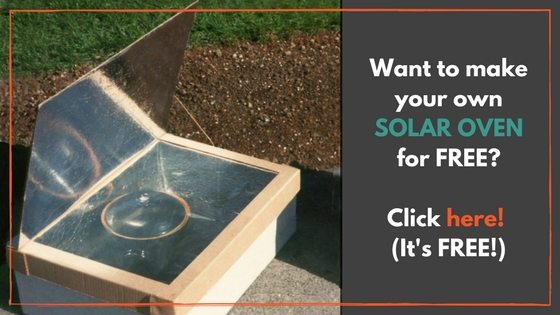
So, we decided to DIY solar panels ourselves, and the process isn’t as difficult as I thought. In essence, you need the panels, an inverter, and a battery o two and you have the elements of a solar generator.

We realized we can kick off this process for just a few hundred bucks. Keep reading for how we’re doing it!

Solar Cells for Your DIY Solar Panels

There are a few ways you can buy solar cells. You can buy them as part of a group, in which case you’ll be able to buy from a wholesaler directly. Though this is perhaps the cheapest way to do it, it’s much more difficult to organize.

The easiest way to buy solar cells is to use Amazon, where there’s several sellers providing solar cells, which means the competition keeps the price down to inexpensive levels.

Constructing Your DIY Solar Panels

Solar panels are basically a series of solar cells joined together. The electricity generated from the cells flows together until there’s enough electricity generated for actual use.

To construct the panel, you need a wooden container of some sort to put the cells in. You need wire cutters, strippers and soldering equipment.

All you need to do is wire the cells together to create a panel. You might also want to install a diode to make sure that energy doesn’t flow from the battery back into the panel when sunlight isn’t hitting the panel.

Want to just buy a panel? This is one we purchased for just $119 on sale!

Inverters and Batteries For Your DIY Solar Panels

Energy generated from a solar panel comes in the form of direct current (DC) power. However, in order for your home electronics to be able to use the power, you need the energy to be in alternating current (AC). So, you will need an inverter.

Also, unless you plan on immediately using the energy generated by your solar panel in your home, you’ll probably want a battery so you can store the energy.

Getting Your DIY Solar Panels To Pass Inspections

The final step to installing your DIY solar panels is passing inspections.

While it’s possible to create solar panels and run them without passing inspections, you’re leaving a lot on the table.

First of all, you can’t qualify for the many tax incentives that come with owning a solar panel if you don’t pass an inspection.

You also can’t wire your solar panel to the grid without passing inspection. If you get permission to attach your panel to the grid, you can “sell” energy to the grid and actually have your electric meter flow backwards while your panels produce energy that you aren’t using (please note that you might not be able to do this whether you pass inspection or not – in our research, we found that electric companies varied and many have restrictions).

That’s a basic overview of the entire buying and construction process. Building your own DIY solar panels takes a lot of dedication, but the process can be immensely fun and can save you a lot of money!

I’d like to hear from you!


Would you try to create DIY solar panels? Leave a comment below!
It’s time for this week’s Real Homesteader Stories (TM)!

The duck has found love, y’all……AAAANNNNDDD I realize we don’t have a plan when disaster comes round, and I go off on a #GroceryStoreRant and explain why homesteaders are smart to grow their own food. Super exciting & not to be missed!

Grab the companion planting guide by clicking here

I’d like to hear from you!

Did you enjoy this episode of Real Homesteader Stories TM? Leave a comment below!

Real Homesteader Stories Episode 1

Updates from the homestead, y’all.

I’ve started something new, which is live streaming from my truck as I’m doing farm chores – and I’m giving y’all the straight poop about what it’s like on our homestead. I’m calling this series Real Homesteader Stories – and I hope you enjoy it.

This will probably come out once a week as I have time to download and slap the stories together. This week, I tell you all about:

  • The tornado that got my brand new shed
  • What it’s like gelding horses in the field & the umm…compliment? the vet gave us
  • Why breeding rabbits isn’t for the faint of heart & why one doe gets a lifetime pass on the farm

You can’t make this stuff up, I swear. I hope you enjoy it & I would like to hear your thoughts on it!

I’d like to hear from you!

Do you have any crazy farm stories? Leave a comment below!

If you’ve been curious about hay bale gardening, you’ll want to stick around for the rest of this article.

We’ve tried hay bale gardening on the homestead, and we’ve found that not only has it given us great yields, it’s made harvesting our veggies much easier.

(Here’s a really great book on Amazon that shows you tools for Hay Bale Gardening.)

The best part of hay bale gardening is how EASY it is – so if you have a brown thumb or are just looking for a really simple, low maintenance way to start a garden, then hay bale gardening might be for you!

It cuts down on the amount of weeds, and as the hay deteriorates, it leaves rich compost behind.

What is Hale Bale Gardening?

Hay bale gardening is essentially planting seeds into bales of hay instead of directly into the soil.

Think of it like raised beds, but instead of using wood and soil, you’re creating a naturally raised bed. And similarly, it prevents pests from damaging your crop.

Not only is this method fun, it is painlessly easy because it requires very little upkeep.

It also means easier harvesting because you don’t have to bend over very far to grab your tomatoes or peppers!

What’s the Difference Between Hay Bale Gardening and Straw Bale Gardening?

The main difference between straw and hay is that straw is derived from dried wheat stalks while hay is made up of dried grasses (such as bermuda, timothy, fescue, etc).

There’s a lot of scuttlebutt in the gardening world about whether hay bales or straw bales are better for this type of gardening.

Some people believe that because hay can contain seeds from the grasses or other weeds, it poses a higher risk of troublesome or dangerous weeds since some seeds might still be kicking around in the hay.

However, studies have shown that during the conditioning process, nitrogen is introduced to the bale to aid in decomposition, and at that time most of the existing seeds are destroyed.

So, What Exactly Makes Hay More Desirable Than Straw For Gardening?

For one thing, a hay bale garden requires less work and overall maintenance than a straw bale garden.

First, you don’t need to add fertilizer, unlike straw bales. Hay simply has more nutrients in it, so as it decomposes, more nutrients are released.

Less water is needed as well, because grasses retain moisture more effectively than straw.

On our farm, we found that gardening with hay bales reduced our watering to about once a day instead of 2-3 times per day during the hottest days of summer!

Finally, there is the likelihood that your straw could have come from genetically modified crops, such as corn or soy.

Think about whether or not you want your produce stemming from decomposed genetically modified plant substances!

Use Hay Bale Gardening For A Bigger Harvest!

How to Prepare Your Hay Bale Garden

Once you have decided to give hay bale gardening a go, your first step is obviously going to be to acquire hay bales if you do not yet have any.

It’s best to go with regular-sized 40 pound bales.

Since freshness isn’t really as much of an issue with hay for gardening as it is for animals, you can either buy your hay OR ask around to see if anyone is willing to give you old hay for free.

Lots of times farmers are looking to clear space and might just give you rotting bales or will sell them to you at a discount.

Assemble the hay bales in your yard according to how you want your garden laid out.

Once you have assembled the hay bales, you will want to begin the process of ensuring there aren’t any stray seeds in your hay.

To effectively get rid of any stray seeds, you’ll want to introduce an organic fertilizer that’s high in nitrogen into your bales.

When I researched high-nitrogen fertilizers, there’s a lot of options, but none I was comfortable recommending.

So, I turned to my friend Marie, who writes at Just Plain Living.

On her homestead, Marie uses urine as a high-nitrogen fertilizer (yes, that urine.)

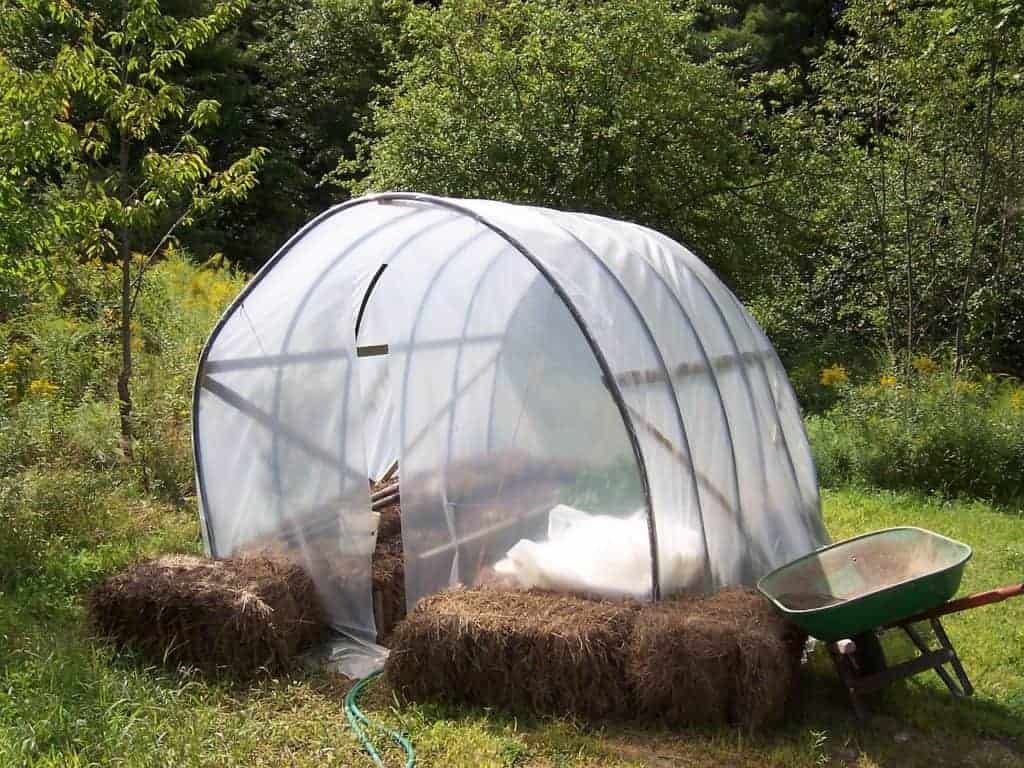
She recommends if you want to take things a step further, you can also wrap the hay bales in plastic (or a tarp) after introducing the urine so the bales can “cook” and destroy all the seeds. (This step isn’t strictly necessary, though, and Marie didn’t always do it and her bales still were weed-free)

If you do wrap your bales in plastic, after 10 days, remove the hay from the plastic wrapping.

This process helps kickstart the process to create rich compost to nourish your plants as they grow.

Because you’re starting the composting process quickly, it’s possible that the temperature inside the hay bales can reach up to 140° Fahrenheit.

If you want to know exactly what the temperature is, you can use Just Plain Living

This can introduce a slight fire hazard, so when planning your garden layout, keep this in mind!

If things get too heated, wet your bales every day – if you want to be super safe, you can do it proactively. If you use the plastic or tarp, it’s ok to remove it to wet the bales.

You will know the process is complete when the temperature of the hay bales has returned to normal.

Planting Your Hay Bale Garden

Once your hay bales are conditioned, you’re ready to plant seeds in them!

This is probably the easiest part of the whole process – Just take your seeds and plant them into the hay bales.

From that point, all you need to do to help them grow is to continue to keep the hay bales watered once every day.

You should have a wonderful yield of tasty produce to collect at the end of the growing season, and as an added bonus, you can recycle the used hay bales as fresh compost for your other gardens or plant beds!

I’d like to hear from you!

Do you think you’ll try hay bale gardening? Why or why not? Leave a comment below!

When it comes to skincare, I like it to be as simple as possible, and I promise you that you’ll love this Organic Homemade Coffee Scrub Mask recipe.

Even though we live on a farm in the country (and especially if we’re out in the sun all day!), taking care of our bodies is still important, which is why I love this homemade coffee scrub.

It only requires 2 ingredients (although I have included variations with honey and Myrrh essential oil at the end of this article.)

(A lot of you ask where I get the oils I personally use. Here’s everything you need to know!)

And I (almost) guarantee you have the ingredients in your cupboard (spoiler alert: it’s just coffee & coconut oil!)

Organic Homemade Coffee Scrub Mask Recipe With Just 2 Ingredients!

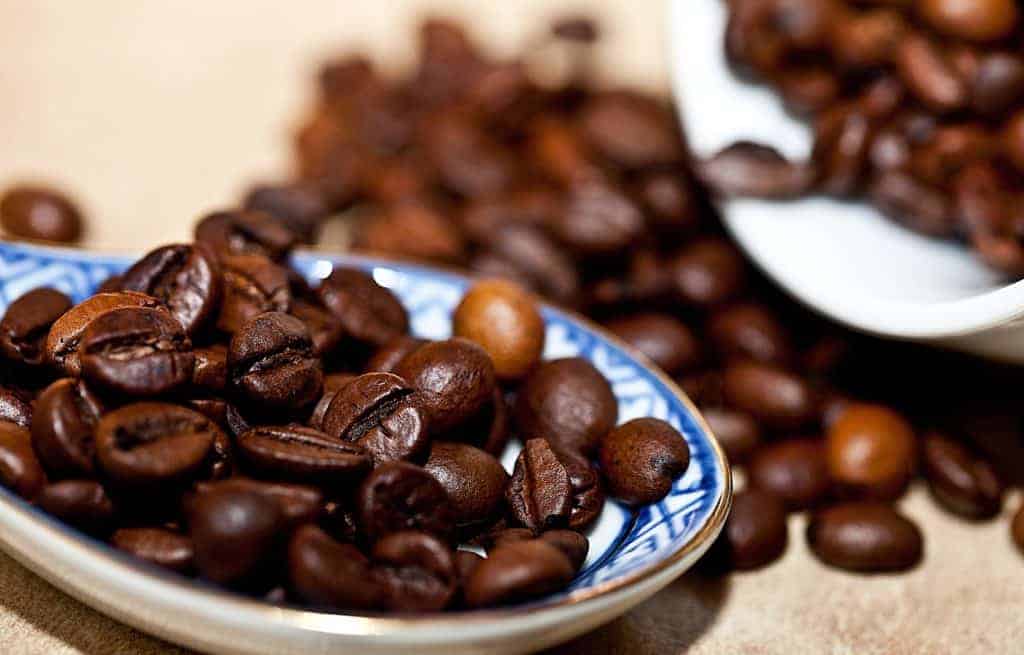
Because coffee beans are usually treated with chemicals, you should go for organically grown beans if possible, like these here.

I get great results from this super simple homemade coffee scrub mask, and it’s soothing and nourishing for your skin! I know you’ll love it!

(Especially now that I’m hitting middle age and I’m starting to get those lines….this homemade coffee scrub mask helps minimize them!)

So why is coffee so great for skin care in the first place?

I’m glad you asked!

Coffee is a rich source of antioxidants that protects our skin against free radicals that can possibly damage and age our skin. Caffeine found in coffee beans can stimulate the skin and possibly improve blood flow to the face.

Organic Homemade Coffee Scrub Mask Recipe With Just 2 Ingredients!

Coffee, when used in a homemade coffee scrub mask like this one, can also increase the production of collagen and elastin while minimizing age lines.

According to one study like these here, caffeine also might help reverse any damage ultraviolet rays may have caused as you’ve been out and about in your garden.

How to make my favorite Organic Homemade Coffee Scrub Mask recipe:

Now that we’ve established why coffee and coconut are so great for your skin, here’s how you actually make this Organic Homemade Coffee Scrub Mask!

This recipe makes about 3 ounces of scrub – it lasts me about 4-5 weeks if I use it once a week.

It’s also shelf stable, so you can put it in a small cosmetic jar and keep it on a cool shelf out of the sun.

Ingredients

Instructions

In a microwave, melt the coconut oil so it’s soft.

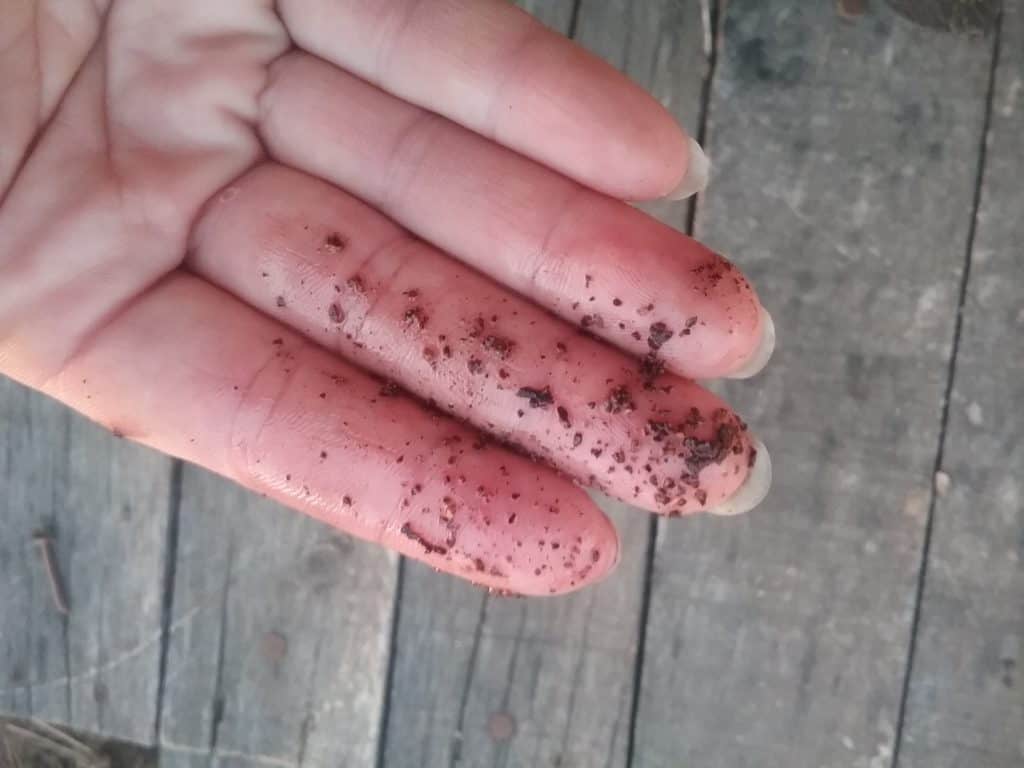
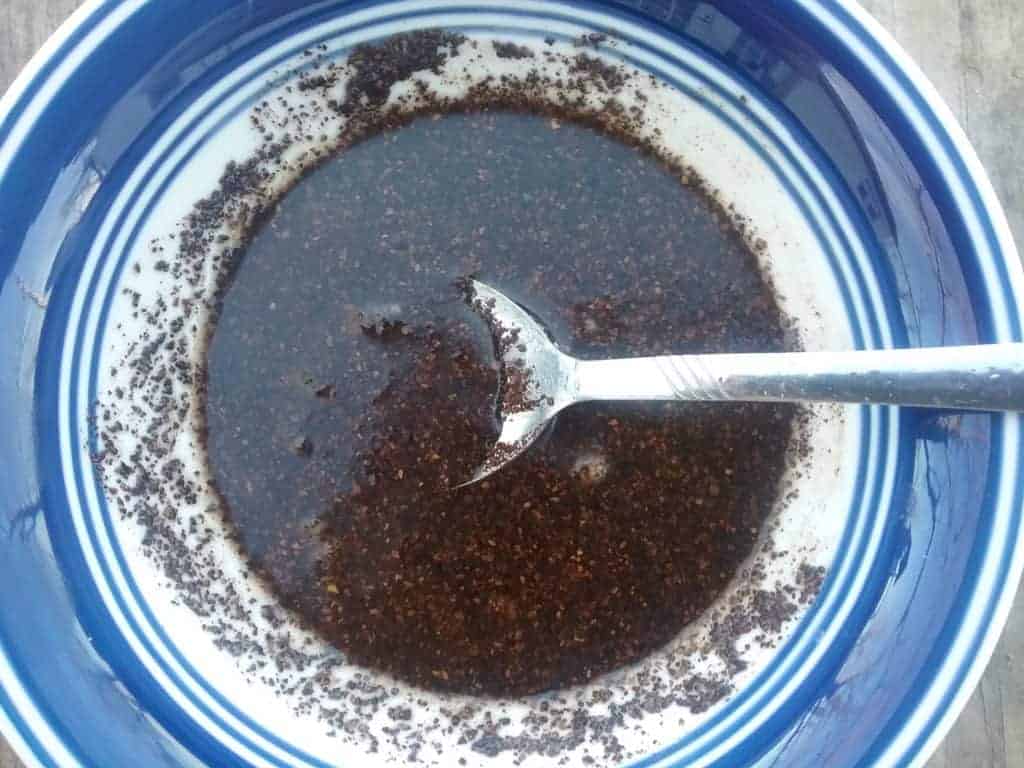
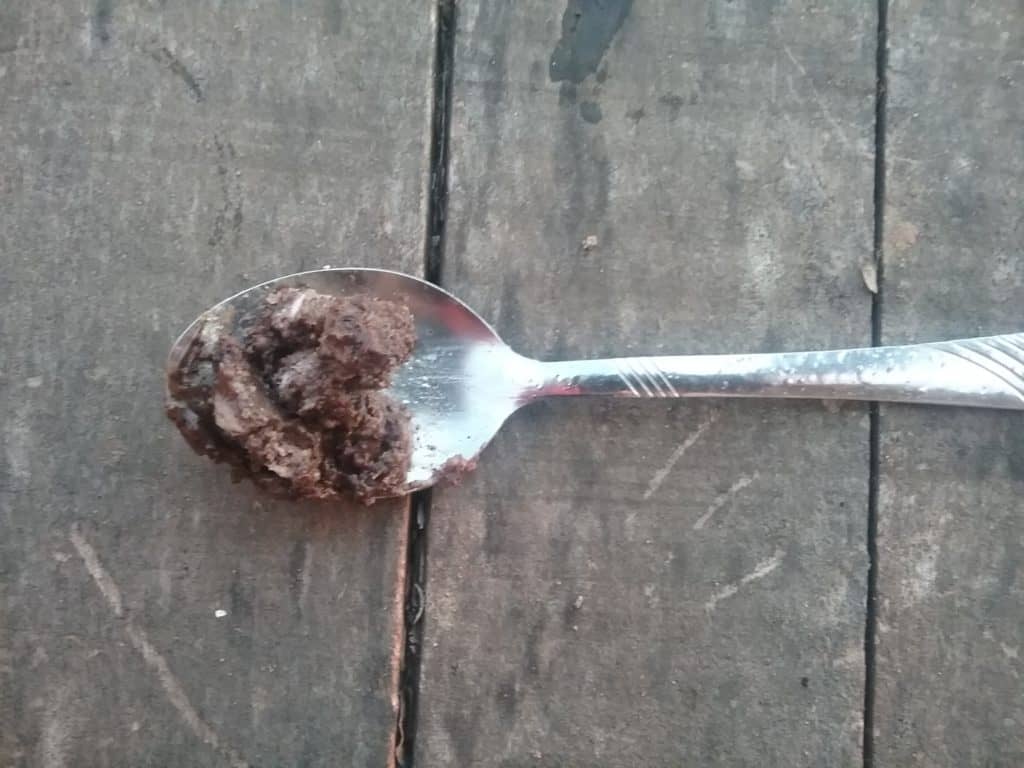
In a bowl, combine the coconut oil with the coffee by smashing the ingredients together until thoroughly mixed (it helps to totally melt the coconut oil before combining).

Organic Homemade Coffee Scrub Mask Made With Just 2 Ingredients!

Store in an airtight container in a cool area until ready to use. You can also store it in the fridge, although you will have to melt it slightly before use.

Avoid getting the homemade mask in your eyes, nose and mouth.

Organic Homemade Coffee Mask Recipe With Just 2 Ingredients!

To use:

Apply to your skin in a circular motion, making sure to hit any dry areas. Rinse off when done.

Variations:

** If you like, you can add 2 tablespoons of honey. Honey has excellent antibacterial properties making it ideal for acne-prone skin. In addition, it’s nourishing and can give your skin a healthy glow.

** Another option is to add 3-4 drops of Myrrh essential oil. Myrrh essential oils is soothing to the skin, and promotes a smooth, youthful-looking complexion. You can add it to this recipe to help reduce the appearance of fine lines and wrinkles.

(Ready to grab some essential oils so you can get bugs out of your life for good? Here’s everything you need to know!)

Want to plant a garden, but think you have a brown thumb (I’m raising my hand)?

I’ve invited my friend Mary Jane to show you how easy it is to start your spring garden – and be successful at it! (want to get a great price on seeds? Click here to visit Seeds Now to get everything you need for spring!)
Take it away, Mary Jane!
Thinking about starting a garden this spring? Fortunately, it’s the perfect time to prepare for the upcoming growing season!
There are a few key steps you can take right now to give yourself the best chance when you start a garden. With just a little bit of thoughtful planning, you’ll be on track for an abundant harvest even if you’ve never grown a garden before.
How to Grow A Garden Even If You Don't Have A Green Thumb
Before you start to plan out your new garden, it’s important to get clear on your reasons for growing a garden, as well as considering the environmental factors in your area.
Then you’ll want to make sure you choose the right crops to support your goals and get a good start planting your garden outdoors.
(I’ve put together a free 14-page Garden Planner to help you through the steps in this post. You can download the planner here.)

Set Your Goals for Your Garden

The very first step in starting any garden is to set mindful goals.
It’s easy to want to grow absolutely everything you can think of in your first year gardening, but that can lead to an overwhelming amount of work (and a frustrated gardener)!
You’re much better off to thoughtfully consider what you’d really like to achieve with your garden. 
Perhaps you feel it’s very important to grow some fresh produce for your chickens? Maybe you’d like to grow enough tomatoes to make a years worth of salsa?
Or perhaps you’re hoping to enjoy fresh garden salads with your dinner every evening? (Go here for some great salad green seeds!)
Whatever your vision of a successful garden is, it’s incredibly important to clarify your goal before you start planning and planting.
Think about what success looks like for you. Everything you grow should directly support your goals. There should be a mindful reason for every plant in your garden.
How to grow a garden even if you don't have a green thumb

Get Some Support From Experienced Gardeners

When you have a general idea of your goals for the garden, it’s time to gather support systems that you can call on during the gardening season.

Having help from experienced gardeners while you start your garden is very valuable.

CLICK HERE TO CONTINUE THIS ARTICLE!