The older I get, the more I value my health, including mental health.

A few months ago, I visited a cardiologist for the first time in my life. He recommended instead of intensive exercise and being outside for hours and hours, I do yoga to stay healthy.

I also frequently hear from readers who struggle with their health and want to stay fit so they can keep homesteading.

While homesteading is a bit of a meditation on its own and is certainly exercise, it can also be stressful (like when deer/rabbits/squirrels kill your plants, and all your hard work goes down the drain instantly) and physically demanding.

Today, I invited my friend Valinda from South Bay Yoginis to teach us about how to rest our minds and simultaneously feel as if we’ve gotten some extra sleep. (I know y’all are tired….don’t try to hide it).

I’ve known Valinda for about a year, and her yoga exercises and meditations can be done anywhere – and you’ll feel great after.

Take it away Valinda!

Want an Extra 4 Hours of Sleep Without Sleeping?

Do you put your health and wellness first?

In my live Yoga/Meditation classes I often share what works for me in my life and what I practice weekly/daily…..23 years on a deep spiritual path is no small thing.

My students often tell me they will never do a 40 day meditation, or practice yoga/meditation everyday. Sometimes people don’t even start a yoga/meditation practice until they are diagnosed with an extreme illness (that’s when many come to me).

I have so many questions about this.

Why do we wait? Why do we put our health LAST on our list? People say they are “too busy”, “too tired”, “exhausted”, “I just want to collapse.” On his death bed Steve Jobs, one of the most successful men in the world said:

“Material things lost can be found. But there is one thing that can never be found when it is lost — Life. When a person goes into the operating room, he will realize that there is one book that he has yet to finish reading — Book of Healthy Life. Whichever stage in life we are at right now, with time, we will face the day when the curtain comes down. Treasure Love for your family, love for your spouse, love for your friends. Treat yourself well. Cherish others.”

So take care of your health! Practice Yoga & Meditation. Do something your future self/kids/grandkids will thank-you for.

Do what makes you feel good in your body. Walk in nature, do some cardio, get to that dance class! Our health is really all we truly have.

And here’s a practice I’ve been doing for 15 years: It’s called Yoga Nidra, and yes it’s equal to 4 hours of sleep!

Read about it, it’s a lying down guided meditation. I do it in my car when my daughter is in her classes. No excuses.

There is a 20 minute version and a 45 minute version. It puts you in the highest brain state: Beta

This is one of the most healing practices I know! To your health now…..heal yourself, heal the world https://itunes.apple.com/us/album/experience-yoga-nidra-guided-deep-relaxation-roop-verma/id569953077

“Still Your mind, Open Your Heart, Speak Your Truth & Live Your Dreams”,

Valinda <3

Here’s a 10 minute yoga meditation you can do anywhere:

This article was reprinted with permission.

Got a ton of herbs growing in your garden? Then you’ll probably want to preserve them.

I’ve been harvesting 5 gallon buckets of herbs for the past couple months, and drying them just isn’t doing it for me anymore.

There’s only so many dry herbs one person needs!

Drying them is great – but it doesn’t always preserve the taste (and some dry herbs just don’t hold a candle to fresh herbs!)

Herbs also have more than just culinary use, and there’s MANY more ways you can preserve them than just hanging them upside down and wait for them to turn crispy and dry.

In this article, I’m going to show you 6 different ways you can preserve fresh herbs so they still taste fresh and so you can use them for more than just cooking.

Freeze in Oil

Preserving herbs in oil and then freezing them isn’t a new idea, but it works really, really well to preserve the taste.

In an ice tray, pour oil (usually olive oil, but you can also use coconut or avocado oil) into each compartment and then add chopped, fresh herbs.

Slip into your freezer and leave them there until needed for cooking.

Preserve in Oil

Did you know that you can preserve fresh herbs in oil and that it will be shelf-stable for much longer?

Humans have been using oil for centuries to preserve herbs, and the oil takes on the scent, taste, and medicinal properties of the herbs.

If you like the taste of basil on your pasta, but don’t really like pesto, add basil to olive oil (making sure to completely cover the herbs, otherwise they’ll mold). In a couple weeks, you’ll notice the oil start to smell like the herbs.

If you like making your own salves, lotions, and lip balms, and want to use herbs to make them even better, you can use herb-infused oils.

For example, if you want to use the skin-soothing properties of calendula or dandelion, soak the herbs in oil for 2-4 weeks. Then use the oil as you normally would in your favorite recipes.

Dry in Your Microwave

If you want to dry your herbs but don’t want to wait weeks (and possibly have dust collect on the plants or lose leaves if they fall off during the drying process), you can dry them in your microwave.

Place herbs in a single layer without their stems on a on a paper towel, and place on a microwave-safe plate. The paper towel will help absorb extra moisture.

Dry in 30 second intervals until completely dry. Store on your shelf in a mason jar and use as needed.

Dry herbs CAN be used to infuse oils as well.

If you don’t want to use a microwave, but don’t want to wait weeks, you can use a dehydrator like this one.

Preserve Fresh Herbs Longer in a Mason Jar

If you want to hold on to fresh herbs for cooking or medicinal use but don’t need to preserve them for long-term storage, try this trick.

Fill a mason jar halfway with water, and place your herbs, stem down, in the mason jar.

Cover with a plastic bag, and secure the bag to the mason jar with twine or a rubber band. (Don’t seal with the jar lid and ring – leave them off).

Store inside your fridge – the herbs will stay good for a couple weeks. This works because the herbs aren’t as exposed to air, and aren’t kept in an overly moist environment (like if you just kept them in a plastic bag and susceptible to condensation).

Make Herbed Salt

Another genius hack to preserve herbs is to preserve them in salt. Like oil, humans have been using salt for generations to preserve food.

Over time, the salt will take on the taste of the herbs.

What you’ll need:

  • Salt, such as kosher, sea, or other large-grain salt. (Not table salt)
  • A mason jar
  • ½ – 1 cup of fresh herbs, chopped

Place a layer of salt at the bottom of your mason jar. Then, layer a small amount of herbs. Alternate until the jar is full or you’re out of herbs.

Store on a shelf until needed, but use within 1 year.

Craft Herbal Vinegars

Finally, you can preserve your herbs in vinegar (apple, white, wine, etc). Pretty much the sky’s the limit.

Like oil and salt, humans have used vinegar for centuries to preserve food (and sometimes human bodies – yuck).

To make your own herbal vinegars, grab a mason jar and fill it with your favorite vinegar (white is mine – good for salad dressings).

You can add either whole or chopped herbs, but fresh herbs are best in order to impart as much flavor to the vinegar as possible.

Remove any wilted, yellow, or funky-looking herbs before preserving the rest.

You can use herbal vinegars in cooking or as a hair rinse (rosemary vinegar is great for your hair). Herbal vinegars also make a great gift.

If you’re eating, then stop before reading this article about vent gleet.

It’s actually the photos of backyard chickens that’ll turn you off, not really the content. But you’ve been warned that there’s some super yummy photos ahead.

(You can help hens with vent gleet by giving them apple cider vinegar. You can learn to make it yourself with the video below. Click here to buy and get instant access.)


Buy Now

vent gleet

Okay, so what is vent gleet?

I’m glad you asked.

But before we get started let’s get this out of the way: I’m not a vet. I’m sharing information from my experience as well as insights I’ve gotten from veterinarians.

This information is not meant to treat, diagnose, or remedy any illnesses. It’s for informational purposes only since every chicken is an individual.

If your chicken is sick, please take it to the vet and get their professional opinion before proceeding with any of the below information. You can print out this article and bring it with you.

Moving on.

Vent gleet definition

Vent Gleet is the lay term for Cloacitis, which basically means non-specific inflammation of the cloaca. ← Veterinary Definition

Vent gleet is disgusting but it's easily preventable and easily treated. Here's everything you need to know!

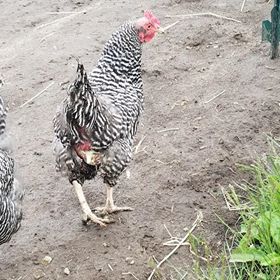
The hen above – a heritage barred rock, is displaying signs of vent gleet. Note the white discharge on her vent.

In reality, what I’ve experienced is that vent gleet is usually a bacterial or fungal infection that causes irritation to the vent, and usually is accompanied by white/yellowish discharge. (It’s similar to bumblefoot in that it’s inflammation caused by a bacterial or fungal infection – except you’ll likely treat vent gleet differently.)

It’s nasty, messy, and stinky, and for the sake of this article, that’s the definition of vent gleet that we’re going with. In chronic cases, it can cut short your chicken’s life span.

Not treated, it can make egg laying and eventually eliminating waste very uncomfortable for your hens (or leave you with bad eggs), and eventually they might just stop laying altogether.

Usually when a reader contacts me about vent gleet, their hens have gotten to the “nasty yellow discharge” stage, but vent gleet can also be identified by:

  • Feathers getting stuck or pasted to the vent
  • Mild to thick discharge from the vent (there ideally should be NO discharge at all in a healthy chicken)
  • A bad odor
  • A decrease in egg production
  • And/or a dull appearance

Basically, we’re talking about either a bacterial or fungal infection here. In most cases I’ve been contacted about, it’s been a fungal infection similar to thrush.

Ideally, you would want to get the discharge tested to know whether it’s bacterial or fungal. You can take a scraping to a vet and get their professional opinion, and treat from there.

But, of course, I realize that’s not always an option.

Now that we know what vent gleet is, what can you do about it?

The first thing you want to do is isolate the hen. Vent gleet is usually not communicable, but you don’t want the chicken getting dirty/reinfecting herself while you’re trying to help her. Isolating her in a clean area outside of the chicken coop will help her get healthier faster. 

It’ll also prevent your chicken from trying to fly away as you provide treatment.

If you don’t want to bring her into the house, you can always add an extra “sick bed” area – it’s an easy thing to add and include in your coop design.

You will want to clean the vent off with warm water, using a gentle, non-irritating soap (such as an all-natural baby soap or castile soap) or just warm water if you feel that soap isn’t needed. 

If there’s some feathers (or down, in the case of Silkie chickens) that won’t come clean, it’s okay to gently snip them.

You can also use castile soap with an essential oil such as oregano to help clean the area.

Clean off any poop, dry skin, or build up. Apply a commercial or all-natural antibacterial solution to keep inflammation or any sort of secondary topical infection at bay.

If it’s bad enough, there might be broken skin, and you don’t want another bacteria getting in there and complicating things.

1 drop of helichrysum essential oil mixed with 1/4 cup coconut oil helps maintain healthy skin as well.

Vent gleet treatment options

I’m going to give 2 approaches for vent gleet here: The pharmaceutical approach and the all-natural approach.

Why?

Because on our farm, when an animal is sick enough, we will go with pharmaceuticals to knock out the problem ASAP. Some natural methods take longer to see results, and there are times when we aren’t willing to wait for the safety, comfort, and quality of life of the animal.

But I know some of my readers want to be 100% natural all the time.

Pharmaceutical options

You can ask your vet to prescribe an antibiotic if you think the infection is bacterial. Follow your vet’s directions for dosages, administering, etc.

You can apply over-the-counter antifungal cream topically to the vent area, using daily until the infection is cleared up. Double check with your vet about how/where specifically to apply the antifungal cream.

Please note that antibiotics won’t necessarily treat a fungal infection. I’ve seen some websites that indicate they will, but it’s unlikely.

You should also double check withdrawal times, since you won’t want to eat any eggs they might lay while you’re treating them.

The All-Natural Approach

One of the reasons vent gleet occurs is when the pH of the vent goes askew. You can help your chicken maintain good gut health by providing apple cider vinegar (1 tbsp per gallon of water).

You can also entice your chicken to eat greek yogurt with active cultures. Any woman who has had to eat yogurt while on antibiotics understands how it can help combat fungal infections.

To help your chicken maintain good gut health, you can also provide fermented feed.

The length of time it takes a chicken to return to normal after getting vent gleet will differ from chicken to chicken.

Nothing is more frustrating than planting seeds only to have just a few (or none) actually sprout (we’ve all been there).

We used these 2 super simple hacks to help our seeds sprout – and ended up with more veggies than we can harvest!

And these are two tricks you can easily repeat at home.

Want to learn more about starting specific vegetable plants? Grab a copy of my bestselling book Organic By Choice: The (Secret) Rebel’s Guide To Backyard Gardening on Amazon!

Want to learn what they are?

So, you know how seeds such as beans, peas, watermelon, and tomatoes are so hard?

Well, those hard shells protect the seeds…but it also takes more energy for life to emerge from them BECAUSE of those hard shells.

And if you don’t also have the right growing conditions? Forget about it!

In this article, we’re going to show you how soaking seeds and scarification can help your seeds germinate easier – and give you a bigger harvest!

Why does this work?

As we’ve said, some seeds have hard shells – good for protection, makes germination a little tougher.

Soaking the seeds helps loosen the hard shells, making it easier for tender young seedlings to sprout.

It also gives seeds a little more hydration before dropping them in the soil – which hopefully is moist, but might very well dry out in the weeks between planting time and when they’re scheduled to emerge from the ground.

Similarly, scarification helps by weakening the hard outer shell a bit before planting. Water can be easier absorbed by the seed, too, kickstarting the germination process.

What is scarification?

Scarification sounds worse than it is. All it means is chipping, scratching, or nicking the exterior seed shell so it germinates easier.

In nature, scarification takes place when an animal eats a seed and it passes through the digestive tract. Seeds are also naturally scarified by the freeze/thaw cycle of fall, winter, and finally spring.

There are some seeds that NEED to undergo scarification before they’ll germinate, such as morning glory seeds.

In other cases, scarification just helps your plants sprout.

Avoid scarring soft seeds or seeds that are very small (such as lettuce seeds), or if the seeds are easily crushed. Because of their size, they’re unlikely to withstand the scarification process, and you might end up crushing or damaging the seed so it can’t germinate.

To scar seeds, you can rub them with fine sandpaper, microplane like this one, or nick them with nail clippers. If you nick them, you want to be sure to penetrate the tough outer shell.

Another option is to put seeds in hot (but not boiling) water, and allow to cool to room temperature. Let sit for another 48 hours then plant immediately.

Soaking

If you plan to soak your seeds, fill a cup with room temperature water and add your seeds. If any of the seeds float, remove them since they won’t sprout anyway.

You can soak them for 24 hours in room temperature water. Plant immediately (so, don’t soak them a week before you decide to plant – do it just 24 hours ahead of time).

You can also soak your seeds in compost tea so they’ll have extra nutrients when planted.

A second option is to thoroughly soak two paper towels with room temperature water. Place your seeds in between both sheets for 24 hours right before planting. Be gentle in case any seeds have already started to sprout.

Some veggie seeds that can benefit from soaking are peas, squash, beans, okra, lettuce and other greens, and herb seeds, particularly parsley and fennel.

Time for a truth bomb. If you use commercial soaps and shampoos from big box stores, the dollar store, etc, chances are you’re exposing your children to phthalates.

What the heck are phthalates?

I’m glad you asked. (Like, really glad). Phthalates are chemical compounds commonly found in all sorts of consumer products, like household cleaners, toiletries, children’s toys, and makeup.

They also happen to be linked to depressed thyroid function, particularly young girls, according to scientists at Columbia University’s Mailman School of Public Health.

I bet if you look in your bathroom right now, you’ll find at least 10 items containing phthalates. That’s a big fat scary thought, isn’t it?

So, how did all these products end up in the hands of consumers anyway?

Well, that’s a funny thing. The large corporations that produce these products aren’t required to disclose what’s in their product’s fragrances.

So those dryer sheets you love so much?

Chances are they’re full of phthalates, and potentially wreaking havoc on your children’s endocrine systems.

Another common culprit? Nail polish (who knew?). Window cleaning products are another.

Those scented soaps you buy? Possibly messing with your daughter’s thyroid every time you bathe her.

In fact, skin exposure is a huge factor in endocrine disruption. As you know, the skin is our largest organ, but it has no defenses against phthalates.

Any exposure heads straight through your skin and into your major internal organs.

Yuck, who needs this, right?

Why going unscented won’t stop your problem

So, from now on you’ll just use unscented or fragrance-free products, right?

Well, that’s not going to solve the problem of your phthalate exposure any better.

Unscented means that the product probably has a large chemical smell naturally – and more chemicals have been added to mask that scent.

Fragrance-free just means that more fragrances weren’t added…but the product’s natural fragrances are still there, and there’s still likely phthalates lurking in the bottle.

So, what should you do instead?

Here’s our handy list of swaps you can make, switching your phthalate-laden shampoos and other household products with greener, healthier versions:

Shampoos – use organic castile soap like this here. For fragrance, you can use 1 drop of essential oil per 16 fluid oz of castile soap. Peppermint is a favorite with many people. Rosemary is great for maintaining full, thick hair.

Please don’t buy your essential oils on Amazon – there’s no quality control. 

Soaps – try to buy from small, artisan soap makers to avoid any unnecessary exposure to chemicals. You can also make your own soap in minutes with our recipe here. Use lavender, rose, or geranium essential oil for great all-natural scents.

Window cleaners – Mix 1 drop lemon essential oil with 8 oz white vinegar in a spray bottle (Look for bottles with recycle numbers 1 or 2). Spray windows, wipe with newspaper.

Counter top cleaners – Mix 1 drop of lemon essential oil with 8 oz white vinegar. Use like you would normally. You can also use these all-organic counter wipes. Buy direct from the manufacturer here.

Room fresheners – diffuse 1 drop of essential oil. For tough odors, try 1 drop melaleuca (tea tree) essential oil with 1 drop lemon. For a floral scent, try 1 drop geranium! For bedtime, diffuse 1 drop lavender. Get your oils here.

Again, please don’t buy your essential oils on Amazon – there’s no quality control. Buy direct from our trusted source here.

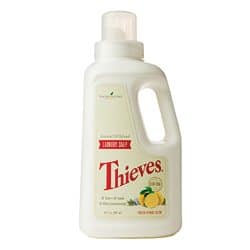
Laundry detergent -You can also make your own recipe here.

We love this brand: 100% all-natural.

Here’s where you can get it.

Dryer sheets – Use wool balls with 1 drop of essential oil of your choice. Lavender is a good one to try.

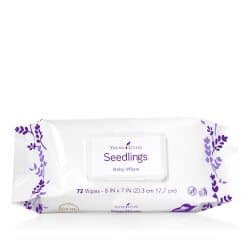
Baby wipes – We love this brand of baby wipes:

No phthalates, 100% natural. Can also be used as makeup wipes! Get them here.

Makeup – We love this brand. Pure mineral makeup, no phthalates. Get it here.

It’s summer, so let’s chat about essential oils you should never wear in the sun.

You’re probably thinking “What? I thought oils were safe….” And they are. BUT like anything in life, you need to use them the right way.

I learned this lesson the hard way (luckily, I caught myself in time).

Certain oils contain furanocoumarins, which is a long scary word for a naturally-occurring chemical compound that some plants produce as part of their defense mechanism.

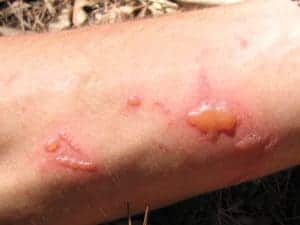
These essential oils have a chemical reaction to UV light which can potentially result in some pretty serious skin problems, including:

  • severe redness
  • darkening
  • swelling
  • blisters

The effects are uncomfortable, and can last for weeks:

There's 11 essential oils that are dangerous to wear in the sun. Here's a detailed list and how to use them safely!
Image via Wikimedia Commons

In this article, I’m going to show you which oils you shouldn’t use before you head outside to work in your garden or care for your flock. I’ll also show you how you can safely use them if you DO want to use them before going outside.

11 Essential Oils You Should Never Wear In The Sun

Before we get started with our list, sometimes some of these oils are ok to wear in the sun depending on how they were distilled (cold pressed, steam distilled, etc).

For the sake of simplicity, I’m not going to get into all that in this article. Just generally understanding which oils you shouldn’t apply before going into the sun makes it easier to remember what’s safe and what’s not.

If you want to use any of the oils in the list below, just do it 12 hours before you go outside, or keep the area of application completely covered. It’s simple enough to do.

Here’s the list of oils you should avoid outside:

  • Bergamot
  • Orange
  • Lemon
  • Lime
  • Grapefruit
  • Kumquat
  • Cumin
  • Tangerine
  • Mandarin
  • Petitgrain
  • Rue
  • Lemongrass

So You Want To Use One Of These Essential Oils You Should Never Wear In The Sun…What Now?

I personally didn’t follow my own advice one day (honestly, I used a blend and didn’t read the label – whoops!) and walked outside to feed my rabbits.

After a few minutes I noticed my neck and throat were getting kind of hot….much hotter than they should have. That’s a sign that phototoxicity was setting in – and it happened on my body after only just a few minutes. Not good!

I ran inside and checked the blend, and sure enough, orange was listed on the label.

To stay safe, after applying one or more of the oils listed above, you should stay out of the sun for at least 12 hours.

If you accidentally applied one of these oils, or really need or want to use one, and plan to go outside, just make sure you keep the area covered. Applying it to a place under your clothing is an option, and you can apply it to the bottom of your feet if they will remain covered.

If you’re going to be outdoors without shoes, you’re running the risk of feeling really, really hot, and possibly really uncomfortable. So, learn from my mistake!

Use your best judgement and stay safe. I want you with all your skin on.