I’m no bee expert, and I’m certainly not an expert in overwintering honey bees.

But bees are a growing interest of mine – and having a bee-keeping mentor is really, really important to having success with our honey making friends

So, I invited my friend Jessica from the Faithful Farm Wife to educate us about overwintering honey bees!

Take it away, Jessica!

5 Things You Need to Know About Overwintering Honeybees

There are 5 crucial things that you need to know before overwintering honeybees.

Honeybees are unique and special insects. They provide food for themselves and for us, they are necessary for most plant growth, and an entire colony can survive a winter together whereas other insects, like wasps, all die except the queen.

In order for the colony to survive in the winter, they have to be prepared. If the colony is in one of your hives, then it is up to you to make sure that they are ready for the cold season.

There are 5 crucial things that you need to know before overwintering honeybees.

1. How to Feed Honeybees

It isn’t necessary to feed bees in the spring, summer, and fall if there are plenty of flowers, trees, etc in bloom for them to collect pollen & nectar from.

However, it is a good idea to start feeding in the fall to help the bees make more honey without expending too much extra energy. Feeding should continue as needed throughout the winter. There are several different ways that you can feed your bees:

  • Sugar Water– This would need to be fed before winter because the bees won’t accept liquid food when it is cold. Let them have it while the weather is still warm so they can stock up on their honey stores.
  • Pollen Patties
  • Sugar Cakes
  • Grease Patties– This food source doubles as mite control!

2. How Much Honey to Leave in the Hive

The amount of honey needed throughout the winter is something that varies from region to region. Consider where you live, the length of winter, and the extreme low temperatures when you are extracting honey.

Keep records of how much honey you extract each season to determine which hives are the most efficient.

Good rule of thumb:

  • Warmer states (southern U.S) ~ 40 lbs
  • Colder states (northern U.S) ~80 lbs
  • Happy Medium states ~ 60 lbs.

3. How to Ensure Your Hive is Strong Before Cold Weather Hits

You should be checking your hives periodically throughout the spring, summer, and fall months for parasites and any other issues that might wipe out or weaken a colony. You should also check that the bees are filling the brood box and that the honeycombs are filling properly.

What to check for:

  • Hive Beetles
  • Varroa & Tracheal Mites
  • Wax Moth
  • Overcrowding
  • Sufficient Honey Production
  • Slowed Brood Production

4. How to Weatherproof Your Hives

  • Coat the outside of the hive with Tung Oil to repel water…This is not necessary if the hive is painted.
  • Add entrance reducers to reduce the amount of cold air that can enter the hive.
  • Install a Mouse Guard. Bees are busy trying to stay warm in the winter so they can’t guard the entrance well. A mouse guard can do this job for them.
  • Close screened bottom boards or switch to solid bottom boards.
  • Add a Quilt Box to minimize moisture in the hive.
  • If you are in a very cold climate, you might want to wrap your hive in tar paper or a wool wrap.

5. How to Determine Whether or Not a Hive Box Needs to be Opened

The inside of the hive should be about 90 degrees F. The bees do a good job of maintaining this temperature by vibrating their wings rapidly to create heat.

When you open the hive, you break the propolis seal that the bees created to keep the cold air out and they have to expend extra energy to warm the hive back up.

  • Do not open the hive when the temperature is 55 degrees or below if there is no obvious issue.
  • If the bees are starving or you notice dead bees, open the hive to diagnose, feed, and/or treat them, but do this quickly.
On our farm, we preserve a lot of food without canning – and often, it’s easier, faster, and better to leave the canning jars on the shelf.

Particularly if you’re not familiar with pressure canning, or if you’re unsure about starting, you might be wondering how you can preserve meat, fruit, or dairy.

(You might have heard about some ways to can things like dairy – but we debunk those myths in this article).

In this article, I’m going to show you some ancient ways our ancestors used to preserve fruit, vegetables, meat, dairy, and eggs – and you can use these same tactics in your own home!

How to preserve food without canning

Preserving Fruit

Preserving fruit without canning includes the obvious choices of fermenting and drying, but had you thought of preserving fresh fruit in honey or sugar? 

Apples

To preserve the flavor of apples, people would wrap the fruit in paper, straw, or cloth soaked with grease such as oil or fat. Apples were then stacked in a wooden crate and placed in cool area such as a root cellar.

A favorite of colonial Americans was cider molasses, which is boiled from fresh apple cider, and used to flavor desserts or breakfasts. You can learn to make it here.

The leftover peels from making cider were then fermented to make apple cider vinegar – nothing went to waste!

You CAN preserve food without canning - here's 10+ ways to do it!

Berries

Like apples, berries were preserved by fermenting them into wine or vinegars. During winter, wine could keep for months – even years, and was safer to drink than water.

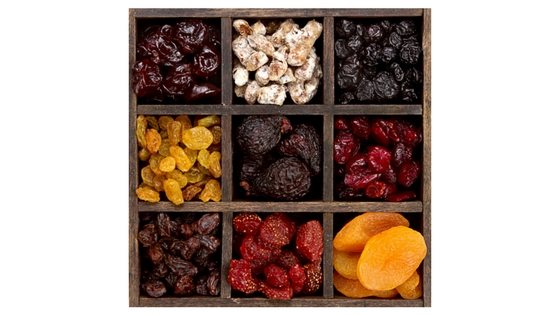
Berries were dried and used in desserts and main courses, either by reconstituting them in water or used as dried fruit, or eaten plain like we do nowadays.

Fruit could also be preserved in honey by dropping the fruit into a jar filled with honey. Since honey is naturally antiseptic, the fruit wouldn’t rot, and would even impart their flavor on honey.  

The fruit would then be pulled from the honey as needed and used in desserts or flavored mead would be made from the honey.

Preserving Vegetables & Legumes

Vegetables traditionally have been preserved by fermenting, drying, keeping in a cool place by packing them with wet leaves or sand, or keeping them in the ground before hard frosts hit.

Onions

Onions were pulled from the ground when the stalks browned, and were ripened by laying them on their sides to dry. To store them, the green stalks were intact and braided to store onions easily-circulating air.

Cabbage

Cabbage was dried and often used in soups and stews, but the most traditional way to preserve cabbage was by fermenting it in crocks like this one. Nowadays, you can also use kits that make it easy like this one. To learn how to ferment veggies, click here.

Beans

Beans were dried on the bush or vines and then strung up to continue drying and to store them. Families then strung them in their homes where they would be in easy reach. The dried beans then were soaked overnight to soften before being cooked and eaten.

Corn

To preserve it, corn kernels were dried then soaked and added to stews and soups or ground into meal, but more interestingly, our ancestors also dried corn into hominy, which was then turned into grits.

To harvest hominy, after corn on the cob was eaten, the remaining kernels and bits were cut from the cob and dried. To make grits, the dried hominy was soaked in water until soft.

You CAN preserve food without canning - here's 10+ ways to do it!

Salted vegetables

Fresh vegetables were also sometimes preserved in dry salt (as opposed to brine) in a crock, although this depended on your access to salt (during medieval times, only the very wealthy had access to a lot of salt).

Nowadays, we have easy access to salt, so you can preserve your veggies in a salt concentration between 20 to 25 percent of the weight of your harvest (so 20 to 25 pounds salt per 100 pounds of food).

While this definitely prevents microbial growth, it also makes your vegetables very salty – if you preserve your harvest this way, be sure to soak the food in water before eating and adjust your recipe to make up for the extra salt in your vegetables.

To save their taste buds and make salt (which could be very expensive) last longer, people would instead preserve food in brine. The traditional ratio of salt to water to make a brine is 1 cup of salt to 1 gallon of water.

But the strength of this ratio depends on which salt you use – kosher is not equal to table salt in this case, and our ancestors didn’t have iodized salt to confuse the ratio.

It’s better to go with a strict weight – 10 ounces of salt per gallon of water.

Preserving Meat

Salt pork

Salting pork and other meats is an old fashioned method that’s not used today – and that’s a shame, because it works well to preserve AND season meat.

Using sugar, salt, and spices, pork could be submerged in the mixture and kept in a cool area for months – keeping the family fed while other sources of nutrition were scarce.

Cold Smoke

Cold smoking meat is a way of curing and preserving that we still use today – we’ve smoked many a slab of beef on our farm, and it’s delicious.

We’ve found that smoked meats take a lot longer to turn rancid or grow mold – but you need to COLD smoke (under 150 degrees, preferably around 100).

This is much easier achieved during the cool days of winter – which is why meat is traditionally harvested during fall and early winter.

Meat also should be first submerged in brine to help preserve it, help get moisture out of the cuts, and inhibit bacterial growth.

You can smoke meat, fish, cheese, vegetables, pretty much anything you can think of.

Using Fat to Store Meat

This process is called a confit, and has been used since ancient times to preserve fatty cuts of meat. When salted meat was cooked slowly in a large pot and at a low temperature for a long time, the meat would eventually give out the fat.

The meat/fat mixture was allowed to cool in a crock – the fat would rise to the top, creating a barrier between the meat and the outside world. Stored in a cool area, the food could be preserved for months during the winter.

Dry Salting Meat

Like vegetables, meat can be preserved simply by surrounding it in salt. Our ancestors would slice meat into strips, then stack them between layers of salt, like lasagna.

The crock or barrel was then kept in a cool area, and meat removed as the family needed it. The salt kept moisture, bacteria, and bugs away.  

Preserving Dairy

Dairy was (and is) most commonly preserved by fermenting into cheeses or yogurt. Yogurt would be consumed fairly quickly, while cheeses could be wrapped or preserved in wax, and kept in a cool area.

When making cheese, salt is added to the curds to reduce moisture and then the curds pressed. After waxing, cheese could be stored for years.

Soft cheeses such as feta could be stored and preserved in oil for months – as long as the cheese was submerged, bacterial growth is slowed down.

Preserving Eggs

Eggs would be preserved by waterglassing or by putting fats or mineral oils on the eggshells. In this article, we show you how to preserve eggs!

Nothing is worse than throwing out perfectly good food, or worse, watching it rot.

You spent effort growing the fruit, or good money buying it, so you probably want to use it, right?

Not sure how?

Well, we’ve done the thinking for you! Here’s 8 ways you can use leftover lemons (or any citrus, really) to brighten your life, your table, and your kitchen!

Print this article out, and keep it handy – so the next time you’re looking at a bag full of lemons and don’t have time to get creative, you have a list of ways to repurpose them!

8 Genius Uses For Leftover Lemons

Uplifting Salad Dressing

A few drops of lemon juice is a simple way to perk up a bland salad without adding calories. Simply squeeze about 1 teaspoon of lemon juice straight into salad leaves.

Want to make a zesty dressing? Mix lemon juice with an equal amount of olive oil, a chopped or crushed garlic clove, and a bit of honey to sweeten. Play with it until it’s seasoned to your personal taste.

Zesty Marinade For Chicken or Fish

Make a healthy and uplifting marinade for fish and chicken by combining olive oil, dried lemon peel, lemon juice, garlic, rosemary, and black pepper in a freezer bag.

Add chicken to the bag, and shake the bag a few times to coat the chicken with the marinade. Let sit for up to 2 hours before cooking.

For a whole chicken, use 1/2 cup extra virgin olive oil, 2 teaspoons lemon zest, juice from 1 lemon (squeeze out juice), 1 clove chopped or grated garlic, 1 teaspoon fresh rosemary, black pepper to taste.

Lemony Ice Cubes

Slice leftover lemons and arrange them on a baking sheet. Place in freezer until thoroughly frozen, and then transfer lemon to a freezer bag. Perfect for ice cold drinks on a hot day!

Dried Slices

Arrange lemon peel slices on a cooling rack, not touching, over a baking sheet so they dry evenly. Dry rinds at 150 degrees for 1-2 hours. Grind in a blender if desired. Flavor desserts, tea, marinades, or soups with the dried peels.

Lemon Mayonnaise

Brighten up a midday sandwich by adding both lemon zest and juice to mayonnaise. Grate dried zest and/or squeeze lemon juice into your mayo. Stir to combine, then use normally.

Want to take it to the next level with probiotic mayo? Here’s how!

Citrus Water Infusion

Trying to add more water to your diet but struggling? Use leftover lemons to flavor water!

Simply place lemon slices and/or the peel into a bottle of water and leave it overnight to infuse. Drink in the morning to start your day right!

Lemon Juice Cubes

Add fresh lemon juice an ice tray, and freeze. Once frozen solid, transfer cubes to a freezer bag. Use whenever a recipe calls for fresh lemon juice – one cube equals about 1 tablespoon of juice.

Don’t have enough lemon juice to fill an ice tray? Mix with water, and add frozen cubes to sodas and other drinks for an uplifting taste!

Household cleaner

Add lemon peel or slices to a mason jar filled with white vinegar. Allow to infuse over 7-14 days. Strain out lemons, and use the infused vinegar to clean dishes, countertops, and toilets.

Want to know uses for leftover eggs?

We’ve been gathering a LOT of zucchini lately – and there’s only so much zoodles someone can make.

So, I’m excited that Alix and Hugo from A Hedgehog In The Kitchen were happy to come back with a fantastically delish recipe featuring those late summer stars, zucchini.

You can make this recipe as your main dish, or as a side dish, paired with other late-summer goodies! Enjoy!

Sauteed Late-Summer Vegetables from A Hedgehog In The Kitchen

We love cooking in the Summer. It is such a pleasure to gather our straw basket and our two dogs and head out to the market, whether we are in Paris or in Picardy, France along the coast where we are now for the Summer. This sauteed late Summer vegetables recipe was inspired by our market mornings.

This recipe is the perfect late Summer recipe because it uses gorgeous late Summer vegetables such as potatoes, carrots and zucchini with some mushrooms and walnuts thrown in to add that special Autumn feeling to the mix.

Each vegetable and nut brings its own unique flavor to the recipe which is enhanced by our favorite Herbes de Provence, some hot chili flakes, sea salt, black pepper, parmesan and a good quality, organic olive oil.

By cooking each of the vegetables little by little, you are sure to fill your home with the delicious aroma of late Summer vegetables!

Although I absolutely love Summer with its long days, slower pace, travel and general peacefulness, at some point during the second half of Summer, I start to crave Fall. I long for cooler days, windy Parisian walks, colorful leaves covering the ground, chunky knit sweaters and pumpkins, lots of pumpkins!

As we get more and more excited for Fall, we are dreaming about all of the wonderful pumpkin recipes we will make again this year such as pumpkin honey madeleines, pumpkin goat cheese quiche, and pumpkin mushroom bowls with brown rice.

RECIPE

For 2 / Prep time : 10 mins / Cook time : 1 hour

Ingredients :

6 small potatoes
4 small carrots (cuted into 1 inch pieces)
1 zucchini (sliced)
4 mushrooms (diced)
6 walnuts
6 tsp of parmesan (powdered)
1 tsp of herbs of Provence
1/2 tsp of hot chili flakes
Salt and black pepper
Olive oil

Instructions :

Heat olive oil in a casserole on medium heat.
Add potatoes and a pinch of salt and cook for 5 minutes.
Turn the heat to low heat and cook for 30/40 minutes, stirring from time to time. The potatoes are cooked when you can put a fork in them.
Remove the potatoes, put aside.
Turn the heat up to medium heat, put the carrots in the casserole, add salt and cook for 10 minutes.
Put the potatoes back in, add the zucchini and cook for 5 more minutes.
Add the mushrooms, walnuts, Herbes de Provence, chili flakes, a tablespoon of olive oil, salt, black pepper and cook for 5 more minutes.
Serve with parmesan.

I started making lavender syrup because I got bored with regular sugar syrup and I wanted a new way to use essential oils in my life.

You can diffuse oils, use them on your skin, or consume them – and lavender syrup takes cuisine to the next level.

It takes less than 10 minutes to make, and you likely have all the ingredients at home.

Want a great dessert to wow company? Try lavender syrup! You already have the ingredients!

You can use lavender syrup in lemonade (just replace some of the sugar for equal parts syrup) for a refreshing floral flavor and on ice cream or other desserts (I’ve never tried it, but it might be interesting in baklava).

It’s also a great way to get the benefits of lavender essential oil! Lavender essential oil is great for healthy skin and for relaxing.

Be sure you only use therapeutic grade oil – I’ve done a lot of research and this is the brand I recommend and that I personally use.

Please don’t buy oil off Amazon, because you can’t be sure the oil will be pure. I always buy direct from the manufacturer, which is why I recommend this brand.

Trust me when I say that this will probably be the easiest thing you do all day, and the recipe is so simple, you’ll never forget it (and you’ll always have a go-to recipe to impress company).

Want a great dessert to wow company? Try lavender syrup! You already have the ingredients!

Making Lavender Syrup

Ingredients

1 cup sugar

1 cup water

1 drop lavender essential oil

In a small sauce pan, combine the water and sugar. Heat until the sugar is dissolved. Remove from heat and cool for 1 minute, then add 1 drop lavender essential oil. You can play with the strength of the lavender flavoring but I’ve found that more than 1 drop is a bit overwhelming.

If you find 1 drop of oil overwhelming, then dip a toothpick in the oil and swirl the toothpick in the syrup. You’ll still get the flavor of lavender.

You can also try other essential oils; lavender pairs well with orange and lemon. Just use 1 drop each. Use in any recipe that includes sugar and that you want flavored with lavender.

If you’re staying away from processed sugars, use 1/2 cup organic honey instead of 1 cup of sugar. The taste will be different, but still super yummy.