Time to bust some Chicken Feed Myths!

No, your backyard chickens won’t turn into cannibals if you feed them eggs.

But there’s plenty of bad advice and chicken feeding myths out there that would advise you otherwise – that’s why it’s so important to know what’s okay to feed your flock and what’s toxic.

In this episode of What The Cluck?! We look at chicken feeding myths and review the chicken feeding advice I see on the internet, and what’s fact and what’s DEFINITELY fiction.

We also delve into WHY some foods are poisonous, and why they should be avoided. Sponsored by Manna Pro, the official chicken feed of the What The Cluck?! podcast.

Brought to you by:


Learn More about Raising Chickens with the Backyard Chicken Bundle!

The Backyard Chicken Bundle is a unique ebook bundle with every resource you need to start raising a flock of healthy hens! (Total value $250)

Included in the bundle are:

  • 5 individual ebooks with over 40 gorgeous full color photographs, charts, and recipes for all-natural coop cleaners, layer feeds, herbal first aid salves, and more.
  • 34 page Herbal Encyclopedia to growing 30 different herbs for your hens right in your own backyard
    E-books naturally complement each other so you have information at your fingertips.
  • 3 downloadable checklists to save your flock from bad weather & predators, and to keep them healthy while molting.
  • 1 Apple Cider Vinegar for Backyard Chickens video that shows you step-by-step how to make organic apple cider vinegar in your own kitchen.
  • Information you can TRUST by a recognized backyard chicken expert featured in Reader’s Digest, Glamour, and on major news networks like ABC, CBS, & NBC. And START spending every possible minute playing with & enjoying your pets (without the worry)!

Click here to learn more about the Backyard Chicken Bundle!

Backyard Chicken Bundle


More Chicken Feeding Resources:

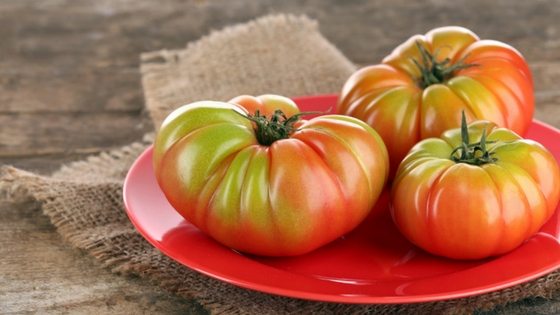
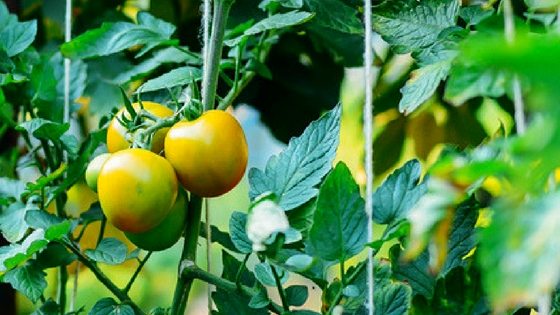
Are you staring at a bunch of over-enthusiastic tomato plants in your garden and wondering how to ripen green tomatoes without losing them to frost now that summer is over?

At the end of summer, there’s always a few green tomatoes that haven’t yet started to turn red. While you can always pluck them off the plant and eat them while they’re still green, they can be a bit tough and sour, especially if they’re very under-ripe.

If fried green tomatoes or salsa verde isn’t your thing, and you’re dreaming about pasta sauce, there are a few things you can do to speedily ripen green tomatoes.

Before we get started, you should only look to harvest green tomatoes that are healthy, with no soft spots, insect holes, or diseases (these tomatoes might ripen, but also might not be edible once they DO ripen – so use them for animal food or just compost them).

Here’s 3 ideas to help to ripen green tomatoes!

Got lots to harvest and wondering how to ripen green tomatoes? Here's 3 ways!

Choose green tomatoes that already show signs of ripening

Tomatoes that are not fully mature will either take FOREVER to ripen or won’t ever ripen – so for the best results, make sure the green fruit feels a little soft when you squeeze it.

If it’s starting to show a little pink, that’s even better, and you can pull them off the vine and they’re more likely to ripen for you.

Allow green tomatoes to ripen on a sunny shelf

To ripen, some fruits, tomatoes included, produce ethylene. If you leave your green tomatoes on a sunny shelf, eventually they’ll let off enough of the gas to ripen on their own. This is the simplest and most straight forward way to let them turn red.

Place with a banana or apple to speed it along

While we’ve never had much of a problem getting healthy, mature green tomatoes to ripen, it CAN take a while. One option to cut the ripening time down is to place your tomatoes in a paper bag with an apple or banana.

Both fruits give off ethylene – it will trigger your tomatoes to start the ripening process.

Choose a banana that still has green areas on it – just-starting-to-ripen bananas release more ethylene than when they’re fully ripe. This method cuts down the amount of time it takes your green tomatoes to ripen.

For larger amounts of tomatoes, place them in a cardboard box (you only want 2 layers to reduce the chance of squishing, especially as they ripen) along with the banana or apple.

Don’t allow the tomatoes to touch to increase circulation around each fruit. Place newspaper between layers.

Store in a cool, dry place since humidity can attract flies, other insects, or cause mold. Check on them frequently and pull out tomatoes that have ripened, or any that show signs of decay.

Got lots to harvest and wondering how to ripen green tomatoes? Here's 3 ways!

Allow green tomatoes to ripen on the vine

If you still have a few weeks before the first fall frost date, you can try to speed along ripening on the vine.

Pinch off any new flowers that bloom so the plant puts it’s effort into completing the reproductive cycle of the fruits that already have started to grow.

If frost threatens but it won’t be a hard frost, you can try using a row cover to keep the temperatures higher around the plant.

If you have a sunny, south-facing room in your house, and you grew your tomato plants in pots, then you can try bringing the whole plant indoors.

We’ve had mixed results with this, so we usually skip this step and just harvest the remaining green tomatoes. However, if you live in an area with higher winter temperatures, you might have more success.

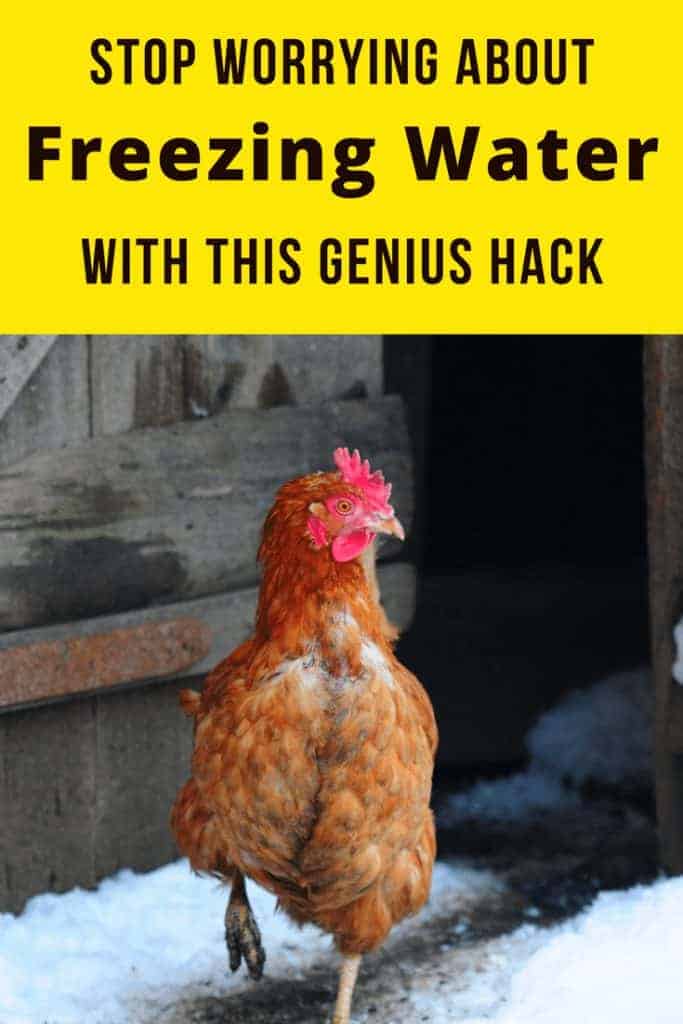
Cold weather will soon be here….and that means frozen chicken waterers.

The last thing we want on our farm is for our hens to go without water but it’s sometimes hard to avoid when the temperatures drop – especially if those stainless steel nipples are involved. (Want to get 7 more GENIUS hacks to keep your flock’s water from freezing? Click here)

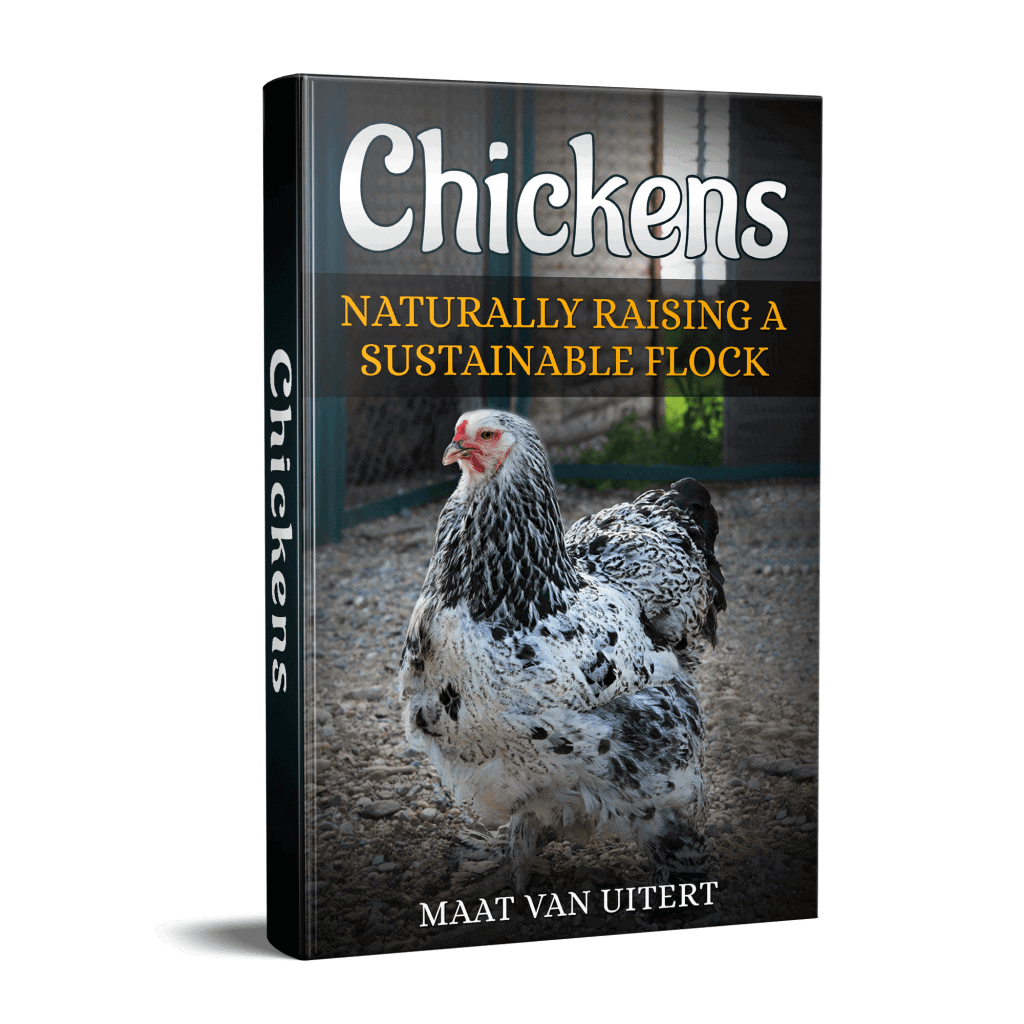
This article is an excerpt from my best selling book, Chickens! You can grab it here and use coupon code WINTER to save 10% and get the digital version FREE!)


Buy Now

Yes, they do freeze, and it’s not super easy to prevent them from freezing because of the metal.

We only use tubs for water in the winter – even the mason jar waterers get frozen and clogged.

But the tubs aren’t foolproof either – they still freeze unless you use a tank heater (and then you’re talking about using electricity).

Last winter, we tested a bunch of ways to keep our hen’s water from freezing and found a method from another blogger, Staci at A Chick And Her Garden, that worked better for us than anything else out there.

In fact, it’s nearly foolproof, at least for us it was!

What’s the deal?

We use large tubs of water – think 40 gallon tubs – for our livestock. I’ve learned that the larger the body of water, the less likely it is to freeze solid. 

Because we’re soda drinkers, we always have empty 2 liter bottles hanging around the house….perfect for creating a buoyant object to place inside the water tubs.

First we filled the empty soda bottles with water, then added 3 cups of table salt to the bottle.

Each bottle then went into a 40 gallon tub – and we kept our fingers crossed it would keep the water from freezing.

While in very low temperatures the water will still freeze (when it’s 20 below, it’s going to happen no matter WHAT you do), we found that even when it got in the teens in our area, the fresh water didn’t freeze!

herbs for backyard chickens

Word of warning

Now bear in mind, that you don’t want to add salt TO your chicken’s water – that will potentially dehydrate them and mess up their electrolyte balance.

You just want to add salt to the water in the bottle.

You want to make sure you use a plastic bottle – glass or metal will conduct cold faster. Plastic is better to use in cool temperatures.

For this experiment, we found that table salt is better than kosher or other large-crystal salt since it’s easier to create a high-salinity solution with table salt.

So why does this work?

Well, you might think it’s because salt water has a lower freezing point than fresh water, and the higher the concentration of dissolved salt, the lower its overall freezing point.

However, we’re placing the salt water inside a bottle – which is then placed in the water tub and not in direct contact with the fresh water.

So, the lower freezing point of salt water has little effect on the water around it.

So the other, more applicable, reason this method works is that the salt water bottle moves in the fresh water because of wind/air currents, mini waves caused by chickens dunking their beaks into the bucket, and natural movements in the earth around it – and moving water is less likely to freeze.

Animals also learn that any surface ice around the bottle is weaker, and therefore easier to break (this is why salt water bottles work better than say, ping pong balls which are smaller, less dense, and easier trapped.)

Ok, so why not use fresh water in the bottle?


Great question. Adding fresh water would do little to keep the water liquid in lower temperatures – the water inside the bottle would just freeze as fast as the water around it.

The lower freezing point of the salt water means it’ll stay liquid and moveable on the water surface longer.

herbs for backyard chickens

Does the size of the bottle matter?

Kind of. If your tub is large and filled with gallons and gallons of water, a small bottle of salt water would have less of an effect.

In a smaller tub, a large bottle of water might make it hard for chickens and livestock to get to the water – so in this case, size does matter.


Buy Now

Worried about your backyard chickens not getting enough water this winter? Use this GENIUS hack to stop water from freezing!
I frequently have readers ask me why their hens have stopped laying eggs, so I addressed common reasons in this episode of What The Cluck?!
Bottom line: I don’t know why your particular hen has stopped laying, but using this episode as a guide, you can trouble shoot common reasons!
(Spoiler alert: It’s usually their diet….or that they’re just being sneaky and hiding their eggs! But those aren’t the only reasons, so be sure to watch the episode!
Brought to you by Manna Pro.

Hurricane Harvey didn’t just impact millions of people – it was also devastating to pets and livestock who lost their families.

Rescuers have spent hundreds of man hours rescuing pets from the rising waters, braving the floods that could have killed them to bring dogs, cats, horses and more to safety.

Shockingly, in many cases, the animals weren’t just abandoned to save themselves – many of them were purposely locked up by their humans to meet whatever fate awaited.

Luckily, rescuers got to these 10 lucky pets before the rising waves ended their lives.

Here’s 10 heartwarming stories of humans who went out of their way to rescue pets and in some cases, reunite them with their owners!

This dog who jumped into a rescuer’s Jeep, and thanks to one man and the power of Twitter, was reunited with his family.

These 120 cats from the Cattery Cat Shelter who were evacuated by the SPCA of Texas before Hurricane Harvey hit Corpus Christi:

These adorable kittens rescued by a brave woman from underneath a porch in Houston:

These adorable baby squirrels who were taken in by the Wildlife Center of Texas:

These poor dogs thankfully rescued from locked kennel before the water got too high:

https://www.facebook.com/photo.php?fbid=1552317441489284&set=a.262454433808931.74076.100001331282379&type=3

This lucky dog that was rescued from flooding waters by concerned citizens:

These panicking horses locked in a flooded pen and saved by a brave teen before the worst happened:

https://www.facebook.com/100001386861557/videos/1545159278873619/

Frankie & Bear, two stranded dogs lucky to be saved by rescuers:

This unfortunate dog that was tied to a post and saved by a photographer:

This pet pig, whose family refused to leave him behind:

https://www.facebook.com/thedodosite/videos/1285426498258689/

“Harvey the Hurricane Hawk” who took shelter in a man’s vehicle after becoming injured and unable to get to safety:

(Harvey is currently being cared for by the Texas Wildlife Rehab Coalition.)

This VERY vocal pig rescued from high water in Texas.

This herd of cattle who were thankfully moooooved to safety by Texas police:

The backyard chicken portion of the Internet has broken with the news that the Center for Disease Control (CDC) has issued warnings that backyard chickens might be the cause of a recent salmonella outbreak.

In fact, the organization is warning chicken keepers to not kiss or hug their chickens for fear that you might become infected.

In today’s episode of What The Cluck?! we discuss the warning and look at the hype and hysteria versus reality.

Buckle your seatbelts, folks it’s going to be a wild ride!

Watch the Livestream:

 Listen to the podcast:

Brought to you by: