With the holidays coming up I’ve been thinking about redecorating my dining room.
The dining room is one of the main gathering places in your home, especially during the holidays, so how it’s decorated is very important. I’m looking to incorporate a farmhouse theme to my dining room, so I’ve been looking all over for cute décor pieces I can add to my dining room and I’ve decided to share some of my favorites with you today! Here are some of my favorite farmhouse style dining room décor ideas!
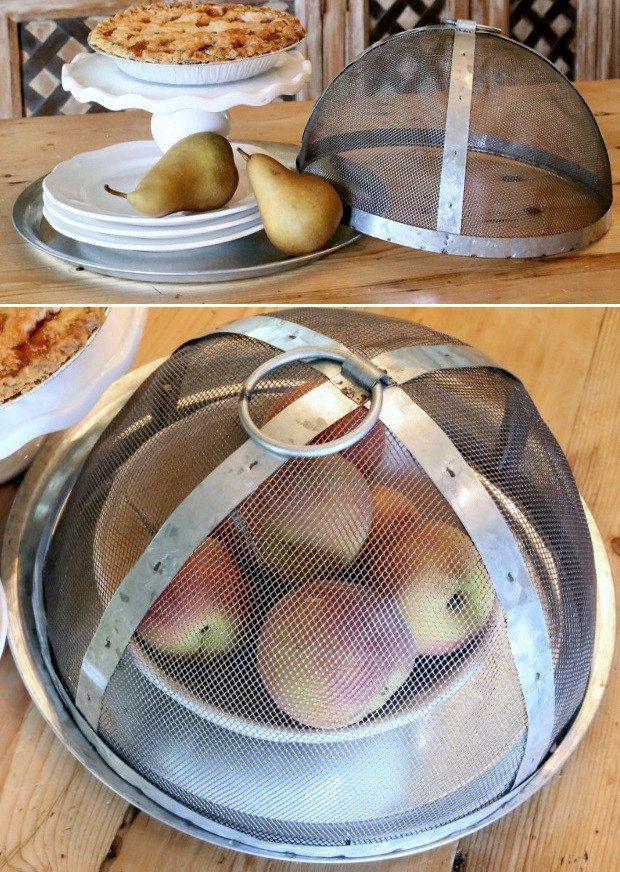
I absolutely LOVE this metal tray! This covered tray would be perfect to keep the flies away from your food for your final summer barbecue. I’m also imagining how stunning a homemade pie would look in this tray! This tray would look fantastic in any dining room! Find it here: Covered Metal Tray
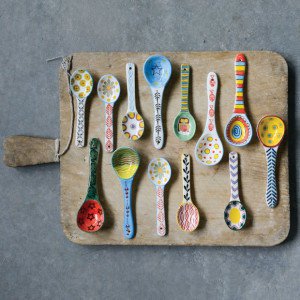
These spoons are adorable! I love the bright colors and patterns! They would add the perfect pop of color to your table or you could use them to display! Can’t you just imagine eating a big bowl of ice cream with these spoons? Find them here: Patterned Stoneware Spoons
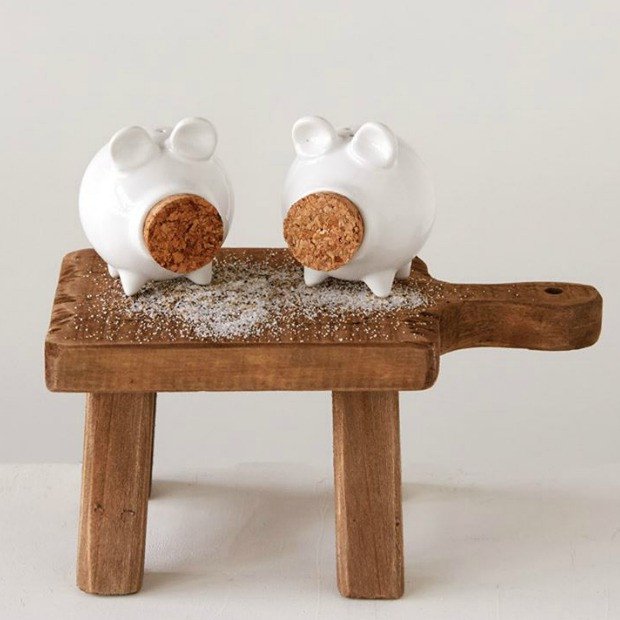
Seriously, I’m in love with these salt and pepper shakers! I have to have them! I love the adorable cork noses! I think that these pig salt and pepper shakers would look adorable on any dining room table. Find them here: Stoneware Pig Salt and Pepper Shakers
I love these! Since moving to the south I’ve definitely picked up on a couple of these sayings, so these hand towels gave me a good laugh. I love the simple cotton look and the fun sayings and I think these are perfect for a kitchen/dining room. Find them here: Cotton Hand Towels With Southern Sayings
Don’t you love these? I think these jute place mats add a subtle farmhouse vibe to your table setting. These would look absolutely stunning on a wood table with some pretty white dishes! Find them here: Round Jute Woven Placemats
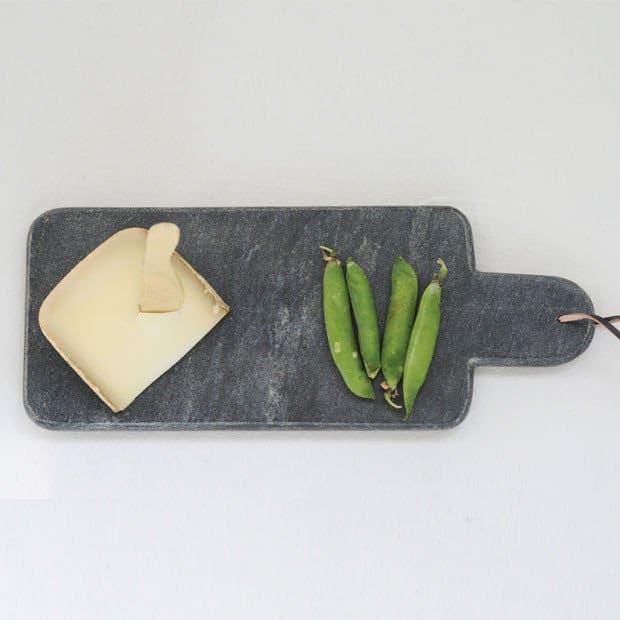
Isn’t this elegant marble cutting board stunning? I love the dark color and that you could easily hang it for a decoration when you weren’t using it! This would add the perfect farmhouse character to your dining room or kitchen! Find it here: Rectangular Marble Cutting Board
I love this! Normally folding tables are pretty boring, but this folding table is absolutely stunning! This would be perfect for extra seating for a holiday party or for everyday use! Find it here: Round Wood Folding Table
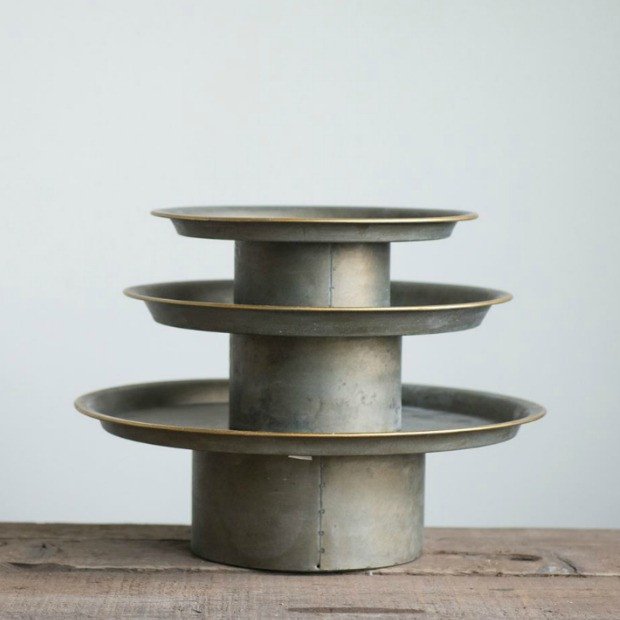
I love these pedestals! These would be perfect for displaying pie, cookies, or candy at your upcoming holiday party! I love the rustic farmhouse look of these metal pedestals and I think they are the perfect addition for any dining room décor! Find them here: Decorative Metal Display Pedestals
Are you starting to get excited about the upcoming holidays? Because I definitely am! Are you adding some new décor items to your dining room for the holidays? I’d love to hear about it in the comments below!
Although it’s still the middle of summer, starting a fall garden for your chickens means when cooler weather rolls around, your flock can still enjoy fresh, organic treats.
In cooler weather, your chickens are more likely to suffer from vitamin and mineral deficiency, especially if you rely heavily on foraging to supplement your flock’s diet.
Cooler weather means less plants are available for your flock to scrounge up, and when there’s snow or wet weather, many chickens stop foraging altogether.
But as a smart owner, you can beat poor nutrition to the punch by starting now with a fall garden.
In this podcast, you’ll learn about 7 vegetables you can start so your hens can enjoy fresh produce even when nature works against you.
You’ll learn:
The 7 vegetables we’ve had the best success with
Why each vegetable helps your flock combat nutrient loss
How to extend your growing season into snowy weather
Why putting other animals in your greenhouse means a longer growing season
What are you going to grow for your chickens in your fall garden? Leave a comment below!
Well, I finally managed to (mostly) finish the run to the chicken coop.
It’s been a bit of a project, largely because it’s so hot here. I can’t really stand being out in the heat for long, and it’s pretty much hot here all the time.
But now the adult ducks and the chickens are back in the coop – and the ducks rewarded me with some eggs this morning!
I don’t think they’re happy about being in an enclosed run, but it’s healthier for them. Don’t worry – I’ll still flood part of the run so they have a good place to dig with their bills and swim.
We also moved the most recent batch of chicks to the coop. It’s a bit early (I like to wait until they’re fully feathered) but it’s warm and it’s time for them to become part of the flock!
We’ve moved most of the chickens back to the main coop, now that most of the renovations on the run have been completed. They’re a bit confused, but most of them are settling in okay.
I know my Seabright roosters are happy to have more company. One was doing the rooster dance around my Brahma hen, who is at least 5 times larger than my Seabright.
I’m not sure how he thinks this’ll work for him, but I would love chicks out of him, since his feathers are so pretty. Alas, I don’t see it working out between him and my Brahma hen.
Up next is adding a final roof to the chicken run. Obviously, the coop itself has a roof, but the run doesn’t. So, when it rains, the chickens either have to go inside or get wet. Which isn’t so good when the temperatures drop!
I WILL be happy to see the end of fly season, though
Ducklings
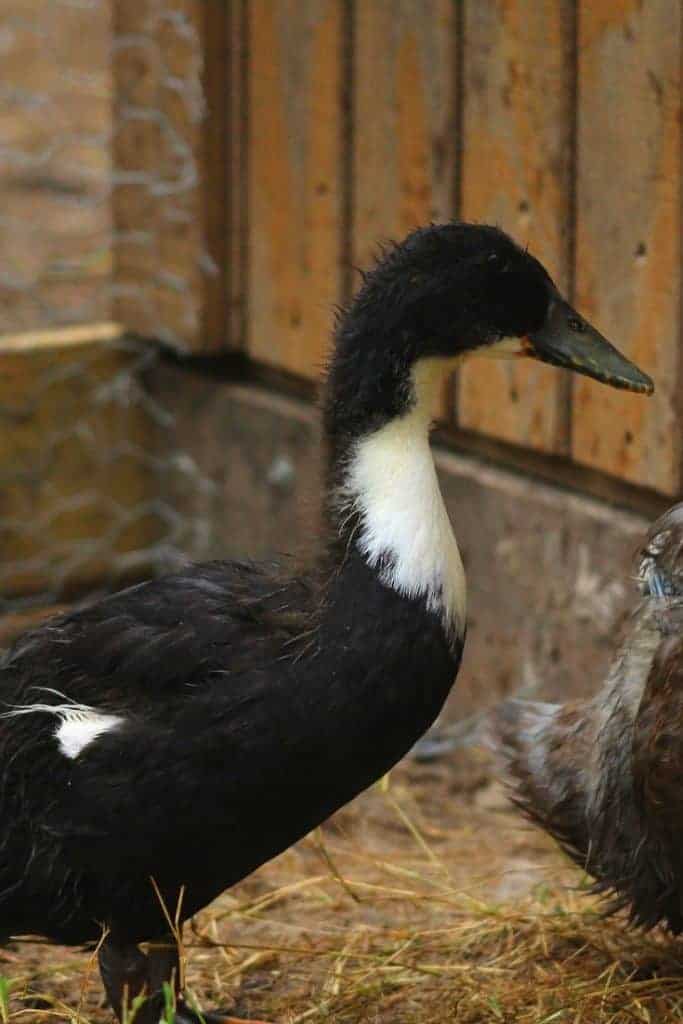
The ducklings are starting to feather, and we have a couple black ducks AND some brownish grey ones that are lighter than the typical Khaki Campbell.
Still not really sure who’s a boy and who’s a girl….their voices should be changing pretty soon though.
The ducklings are growing their feathers so fast – they’re going to be very beautiful. We’ve been giving them lots ofFluffiest Feathers Ever! (the chickens have been getting it, too, since they’re molting) to help them grow healthy plumage.
It’s a lot of fun seeing the different feathers each duckling is growing!
We’re going to have to build them some toys and treat stations soon. All domestic poultry should have some sort of environmental interest, and since ducks don’t perch, my usual plan, which includes lots of sticks to fly onto, won’t work for the ducks.
Youtube
We’re gearing up to launch my YouTube channel!
(well….relaunch. If you go there right now, you’ll see playlists my kids put together of cartoons, LOL! I had no idea they did that until I showed my channel to a friend. It was hilarious to see it – but it’s not really relevant to backyard chickens, is it?)
We’ve spent part of the summer filming, and you’ll get to see the duckling pen, all the DIY projects we’ve been doing, get your chicken raising questions answered, and more.
Just in time for the colder weather, when it’s cold and all we want to do is curl up and watch some good TV, right?
You can see the trailer here:
https://www.youtube.com/watch?v=TY3CNnSFSNM
Dealing with a sick chicken is never fun, but sometimes necessary. And while there are many chicken illnesses out there, there are a few whose symptoms you should know.
Although there are many diseases your chicken can develop or contract, in this article I”m going to cover the most common illnesses you need to know about, their symptoms, and how to treat them. Some are obviously more common than others, but in this article, we are going to look at common illnesses you might come across. I will also touch on an illness or two that are less common, but still important to know about.
Important Disclaimer
Now before we get started, I need to make a legal disclaimer, which is that the information in this article is for educational purposes only.
I am not a licensed vet, and the information is reflective of my experience only. As always, use your best judgment and seek a qualified vet’s advice if you are concerned your chicken might be sick.
Now, let’s get on with common chicken illnesses and symptoms you should know about.
Common Chicken Illnesses
Egg binding
So, first on our list is egg binding. So what is this chicken illness? Egg binding is when your chicken, for a variety of reasons, can’t pass the egg she’s trying to lay, and it gets stuck in her oviduct.
One thing to keep in mind is that egg binding can be a serious problem, and it should be treated like an emergency. It does have the capability to be fatal to your chicken.
Reasons egg binding happens can be related to infections, some sort of trauma to the reproductive tract, excessive egg laying, for example, with birds bred for a high rate of egg production, as well as nutritional problems, such as if a chicken isn’t getting enough calcium.
Other reasons for egg binding are obesity and an egg that is too soft. An egg that is too soft is another calcium issue.
It can also be an internal structure that is prone to egg binding, such as a cloaca that is too small to pass the egg.
What are some symptoms of egg binding?
One of the first symptoms you might notice is your chicken squatting a lot, with her wings dropped toward the ground. Other signs are a fluffed appearance, straining, labored breathing, and a chicken that’s not pooping or doesn’t want to eat.
If you palpate your chicken and feel an egg-shaped lump near her vent, that’s a good sign and probably a clear symptom that your hen is egg-bound.
When you suspect egg binding but don’t have definitive proof, then you can take your hen to a qualified vet for an x-ray.
If the egg has formed correctly and is fully calcified, then you will likely be able to see the egg.
How do we treat this chicken illness?
You will want to soak your chicken in a tub of warm water with Epsom salts in it.
Soak the lower part of her body, including her vent, in the Epsom salt bath for about 20 minutes. Massage her abdomen to stimulate the egg to move.
After soaking her, place her in a warm, quiet area to give her time to try to lay the egg.
Repeat this every hour until the chicken lays the egg. Be sure to offer her electrolytes in water to keep her hydrated.
If you prefer, you can take your chicken to a vet to see if the egg can be crushed and removed. This can result in infection, so my recommendation is to let a qualified vet do it.
If you can see the egg, you can attempt it yourself. I do recommend that you consult with a vet first and see what antibiotics you should put your chicken on after in order to prevent infection. If you cannot see the egg, do not attempt this.
Bumblefoot
Next on our list of chicken illnesses is bumblefoot. So what is this? Well, it’s actually a bacterial infection of your chicken’s foot.
You’ll know if your chicken has bumblefoot if you look at the bottom of the feet and you see a large lump.
Bumblefoot, also called ulcerative pododermatitis, is a bacterial infection that is caused by the Staphylococcus bacteria. So, it’s a staph infection.
It happens when your chicken gets a cut (even a microscopic cut) on its foot from walking on hard or sharp surfaces.
Some symptoms include swelling in the feet and limping
Chickens with bumblefoot might have swellings on the pad of the foot. Or the entire foot can look swollen and enlarged. It might look as simple as a slight redness to a bulbous-looking growth on the bottom of the chicken’s foot. The swellings, called “bumbles” give the infection its colloquial name.
If you take your chicken to the vet, he or she might also prescribe oral antibiotics. That’s really up to your vet to decide if the situation merits it.
Treatment
There are some natural options for bumblefoot. If you want to avoid pharmaceuticals, things such as essential oils, honey, or green clay can help. I like using Young Living’s Animal Scents ointment, which promotes healthy skin.
If you use oils, you should always dilute them with a carrier oil such as almond or coconut oil.
If you want more info on natural bumblefoot treatments you can read my article all about Bumblefoot here: Bumblefoot in Chickens. I go into more detail about Bumblefoot specifically and some treatment options you can use.
Should you do surgery to get rid of bumblefoot?
Bumblefoot is easily treated, and it includes opening the infected area to allow the pus to drain, then soaking it in a water and epsom salt bath. After, you can then apply your favorite topical antibacterial ointment and dress it with clean bandages.
Now, I’ve seen some online recommendations to perform surgery to treat bumblefoot yourself, and I would encourage you, if possible to have the vet perform the surgery instead.
Even if your vet is not a poultry vet, they are in a better position than either you or I to properly provide a local anesthetic to the affected area, and then remove the infection.
Personally, unless the situation is absolutely dire, I prefer to not perform surgeries myself at home largely because I don’t have the proper tools to anesthetize the area, and I’m not comfortable causing more pain in my chickens.
Marek’s Disease
According to the Merck Veterinary Manual, Marek’s disease is a type of avian cancer. Marek’s largely affects chickens between 12 to 25 weeks of age, although chickens outside that age range might also be affected.
The easiest symptoms of Marek’s to recognize include paralysis, such as flopping around, being unable to stand, odd-shaped pupils in their eyes, and blindness.
Tumors in nerves are what actually cause the paralysis, while tumors in your chicken’s eyes are what cause the irregularly shaped pupils and blindness.
The tumors can also be in the liver, kidneys, pancreas, stomach, lungs, and pretty much anywhere else you can imagine. They can cause the lack of coordination that you see with Marek’s.
Other symptoms of Marek’s disease are weak labored breathing and enlarged feather follicles. Later as the disease progresses, some symptoms include pale, scaly combs as well as greenish diarrhea.
How do chickens get Marek’s disease?
It’s transmitted by air between chickens, and it shows up in dander, dust, feces, and saliva. Infected birds that live will also have the virus in their blood for life and can infect other chickens.
There is no treatment for Marek’s, although chicks can be vaccinated at the hatchery. However, it’s important to note that the vaccination will prevent tumors from forming, but it does not prevent infections nor does it prevent other birds from getting the disease.
Coccidiosis
Coccidiosis is a parasitic disease of the intestinal tract of animals caused by coccidian protozoa.
There are a few different parasites that can cause a problem in your birds, but the bottom line is the disease spreads from chicken to chicken through infected feces or ingestion of infected tissue.
Your chicken might have coccidiosis and you may never know it, but the most easily recognized sign of coccidiosis is bloody droppings.
Treatment
So, to treat coccidiosis, you can provide an anticoccidial medication, rid the coop of any droppings and sanitize it, and offer your flock vitamins and a probiotic to re-establish good gut flora as they recover.
Just remember that you might have a withdrawal period with any medication you give them.
One way to prevent coccidiosis is to offer chicks a medicated chick starter which will help them build up a resistance to these parasites.
Vent Gleet
Vent Gleet is the lay term for Cloacitis, which basically means non-specific inflammation of the cloaca. ← Veterinary Definition.
In reality, what I’ve experienced is that vent gleet is usually a bacterial or fungal infection that causes irritation to the vent, and usually is accompanied by white/yellowish discharge.
Symptoms
Feathers getting stuck or pasted to the vent
Mild to thick discharge from the vent (there ideally should be NO discharge at all in a healthy chicken)
A bad odor
A decrease in egg production
And/or a dull appearance
Now you can treat vent gleet, but I’m not going to go over it in this article because I have an entire article specifically about vent gleet and how you can treat it. So if you would like to learn how to treat vent gleet you can head over to that article. You can find the article here: Vent Gleet Identifying & Treating
Vent Prolapse
Essentially, a vent prolapse is a chicken’s insides coming out. While it is totally normal for the vent to temporarily prolapse when laying – it’s definitely NOT normal for it to stay that way!
Basically what happens is, the internal reproductive tract becomes loose and begins to protrude from the vent which makes passing poop and eggs painful for your hen, and potentially deadly.
There are a variety of different causes of vent prolapse and some different treatments you can try as well. If you want to learn more about it head on over to my article specifically about vent prolapse here: Vent Prolapse: How to Recognize & Treat Your Hen
I have no experience with avian influenza, so the information below is from the CDC.
Symptoms
You can recognize it by certain symptoms. Your chicken might become listless, not want to eat, have respiratory distress, diarrhea, and loss of egg production.
In severe cases, you might see symptoms like facial swelling, blue comb and wattles, and dehydration along with respiratory distress. You might also see dark red and or white spots on their legs and combs. Other symptoms include nasal discharge tinged with blood as well as an increase in the production of soft-shelled eggs.
Avian influenza is spread to a backyard chicken typically by wild birds, or if you’ve been exposed to an infected flock, you might bring it home to your chicken. Good biosecurity measures will help prevent it.
There is no effective treatment for avian influenza. If your chicken does come down with it, things like proper nutrition and possibly broad-spectrum antibiotics are your flock’s best shot at beating it.
What is a crop? It is an organ that is part of the esophagus in your hen’s body that collects food that your hen eats during the day.
It’s like a pocket that stretches as your hen eats. So, if you pick up a hen and feel a lump on the right side of her body, that’s the crop, assuming she has been eating all day.
A healthy crop will be full at night and empty in the morning. When that happens it’s a good indicator your hen’s digestive system is working well. If it’s empty all the time, then she’s not eating. If it’s full all the time, then you might have a problem.
Sour Crop
So first, let’s talk about sour crop. What is it? This happens when a fungus infects your hen’s crop and causes the natural environment of the organ to go askew. Usually, your hen has a good immune system that will help her fight off infections.
But that doesn’t mean she’s immune, obviously. So, if your hen’s crop becomes infected, the lining thickens. This prevents the muscles from doing their job and moving food into your chickens stomach.
The most telling symptom of sour crop is a horrible smell coming from your hens mouth. This is a sign of the fungus taking over everything. Other symptoms include lethargy or weight loss.
Treatment
To treat sour crop, you have a few options. If you want to go with conventional medicine, then you can take her to a vet. See if they can prescribe nystatin or fluconazole, which are two antifungal medications the Merck Veterinary Manual recommends using for sour crop.
If you want to treat it naturally, then you can try massaging the crop to help it pass any accumulated food into your chickens’ stomach.
Try providing apple cider vinegar in a ratio of 1 tablespoon per gallon of water. The apple cider vinegar will give your chicken beneficial bacteria, which will hopefully combat the fungus.
If the case is bad enough, however, you might want to speak with a vet regarding conventional medicine.
To prevent this disease, only give your hens fresh, healthy food and ensure that your flock’s living area is clean since one way chickens can become infected with the fungus that causes sour crop is by being exposed to chicken manure.
If you want to learn more about sour crop specifically you can read my article all about sour crop here: Sour Crop
Impacted crop
Similar to sour crop, an impacted crop is where for whatever reason, the organ has failed to move food into the stomach.
An impacted crop happens when either there’s something blocking the food from moving from the crop into the stomach, such as plastic or long, fibrous grasses, or it can happen if the normal muscular contractions of the organ don’t work properly and food ends up sitting in it.
Treatment
It can be treated by burping your chicken to try to remove the material. Another option is to have a vet perform surgery on the organ to remove the material clogging it.
I would recommend only a vet perform the surgery, and refrain from doing it at home unless you really know what you’re doing.
Unlike sour crop, because a crop impaction is literally just a blockage, no antifungal medication should be needed, although you should confirm that with your vet.
Pendulous crop
Pendulous crops are next on our list of common chicken illnesses. So what is it? A pendulous crop is when the organ gets blocked for whatever reason and food can’t pass. It then begins to stretch so much that it bulges and starts to hang.
You can remember what this disease is by remembering that pendulous means hanging – the crop is hanging.
A pendulous crop is similar to an impacted crop. It is actually pretty serious, since a major organ has been damaged and can’t work in the same way that a healthy one would, and it has a harder time sending food down into the stomach.
Treatment
Now, whether you can treat pendulous crop depends on the severity of the case. You can first empty the crop by “burping” the chickens.
To burp a chicken, you hold it so its head is at a 60-degree angle to the ground, and massage the crop until the contents spill to the floor.
Once relieved of its contents, you can then keep the bird in a warm, quiet location and offer water for 24 to 48 hours to see if the organ returns to the proper size. Then you can gradually reintroduce food if it seems all is well.
Now in serious cases, if there’s too much damage, you might have to put the bird down, lest it keeps having problems with its digestive system.
Now, the three crop issues we’ve discussed all have burping the chicken in common, and at this point, I want to say something about burping a bird.
This is not really something to be done lightly; quite frequently, chickens will aspirate on their own vomit, so to speak, which can lead to issues such as pneumonia.
So, if you’re going to burp your chicken, make sure you allow her to breathe between burps.
If you’re not sure how to burp your chicken or are concerned you might not do it right, then you can try taking her to a qualified avian vet for their help.
Separate the sick bird from the rest of the flock (if it’s a contagious illness)
Pay close attention to symptoms of illness such as a pale comb, coughing, loss of appetite, and sneezing (by looking for a sign of illness, you may catch it early before it’s too serious)
Give your chicken electrolytes to boost their immune system and keep them well hydrated as they recover
Garlic is an excellent natural immune booster (try this to help your flock stay healthy)
Summary
Hopefully, this list of common illnesses, and basic treatments, is helpful for you if you find yourself with a sick chicken. Although there is not a cure for every illness, there are things you can do. This is especially helpful if you don’t have access to a veterinarian that takes poultry as patients. But remember, I always recommend seeing a vet if you can.
Our backyard chickens are very important and so is their health. Learning all you can before an illness occurs will put you one step ahead.
You knew it was coming! Soon, everything will be coming up pumpkin spice, and you won’t be able to get away from it.
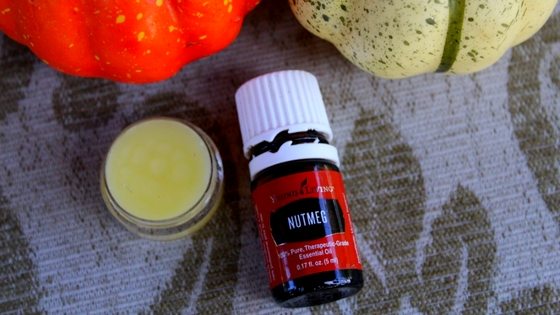
Pumpkin spice lip balm combines two of my favorite things – healthy, all natural lip balm made with beeswax and essential oils!
When making lip balm with essential oils, though, do me a favor – don’t buy oils off Amazon or oils that might have synthetic ingredients in it.
You’re putting this stuff on your lips and into your body, and you work hard to live a healthy life – don’t blow it on the easy stuff like essential oils.
I personally use Young Living essential oils – they’re high quality, pure, and smell great. I get the oils I need sent to my home every month – super convenient, and makes living a green, organic life super simple.
I love this lip balm because it contains a hint of fall while also keeping your lips moisturized (we all know how the chill air can be – it loves to dry our skin!)
You’ll love the scent also – it definitely will remind you and help you celebrate all the wonderful smells and freshness of fall!
Funnel like this one to make filling the tubes or pots easier.
I use both pots & tubes when I make lip balm. The pots are a bit easier to fill when the mixture is melted, but the tubes are easier for application. Both work well, so choose the best one for you.
Directions
In a mason jar, combine the oil and beeswax.
Make a double boiler by placing the mason jar in a pot of water. Heat until the beeswax is melted, stirring occasionally so the ingredients mix well.
Once melted, remove from heat & add the essential oils. Stir a couple times to evenly distribute the oils.
Next, use a funnel to pour the mixture into tubes or other lip balm container. Allow to cool undisturbed. When cool, cap the containers & use as needed.
Hey y’all! Here’s this week’s sneaky peek photos of life on our farm!
These images also appear on my Instagram account where I share MANY more photos and stories from the farm!
If you aren’t yet following me there, you can right here.
Enjoy the photos & be sure to share some of yours with me!