
Once I learned about growing fodder for chickens, I was hooked.
Fodder is one tool that should always be in your homesteading toolbox since growing fodder for chickens is so easy to do, and incredibly nutritious for your animals.
It can be grown regardless of season in a small space, and fights winter boredom for both the homesteader and our livestock. It’s revolutionized my feed program for every critter on the farm.
Once you start making it, you’ll wonder why you didn’t start sooner. Best part? Your critters will love it.
My chickens go nuts for it. You can also feed it to rabbits, horses, goats, etc.
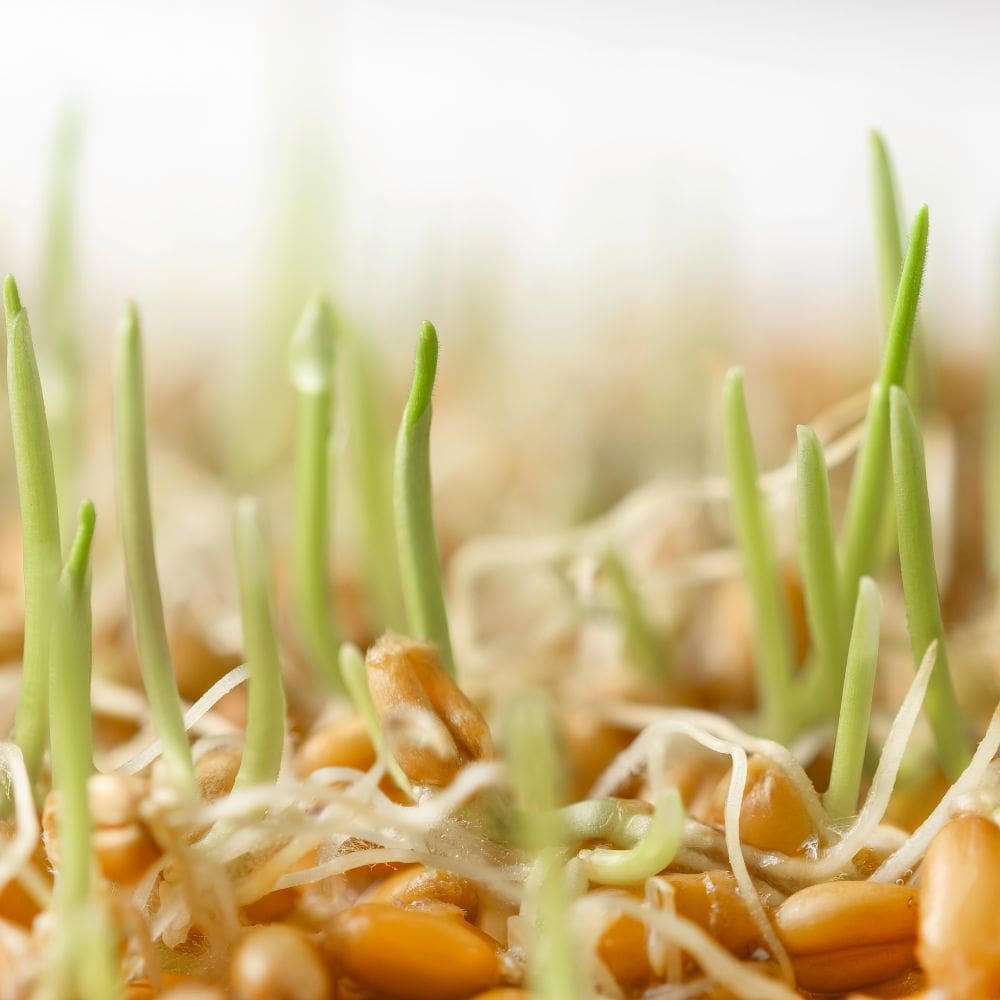

What is fodder?
Sprouted grain. Really, growing fodder for chickens is as simple as that.
We use wheat, some people use barley. Or mung beans, sunflowers, lentils, buckwheat, soybeans, clover, radish, rye, and more.
We use wheat right now because barley is hard to find, but we will start growing barley in our fields if we can get a hold of some locally.
You can also use oats and millet. I’ve found oats don’t do quite as well as wheat and barley, and with oats, you run into problems with mold since it takes so long to sprout.
Amaranth is another option for growing fodder for chickens, although I’ve never personally used it.
How to grow fodder?
Growing wheat fodder is a simple and efficient process. Here are some easy steps to follow:
- Selection of Wheat Seeds: Begin by choosing high-quality, organic wheat seeds. Ensure they are free from pesticides and are suitable for sprouting.
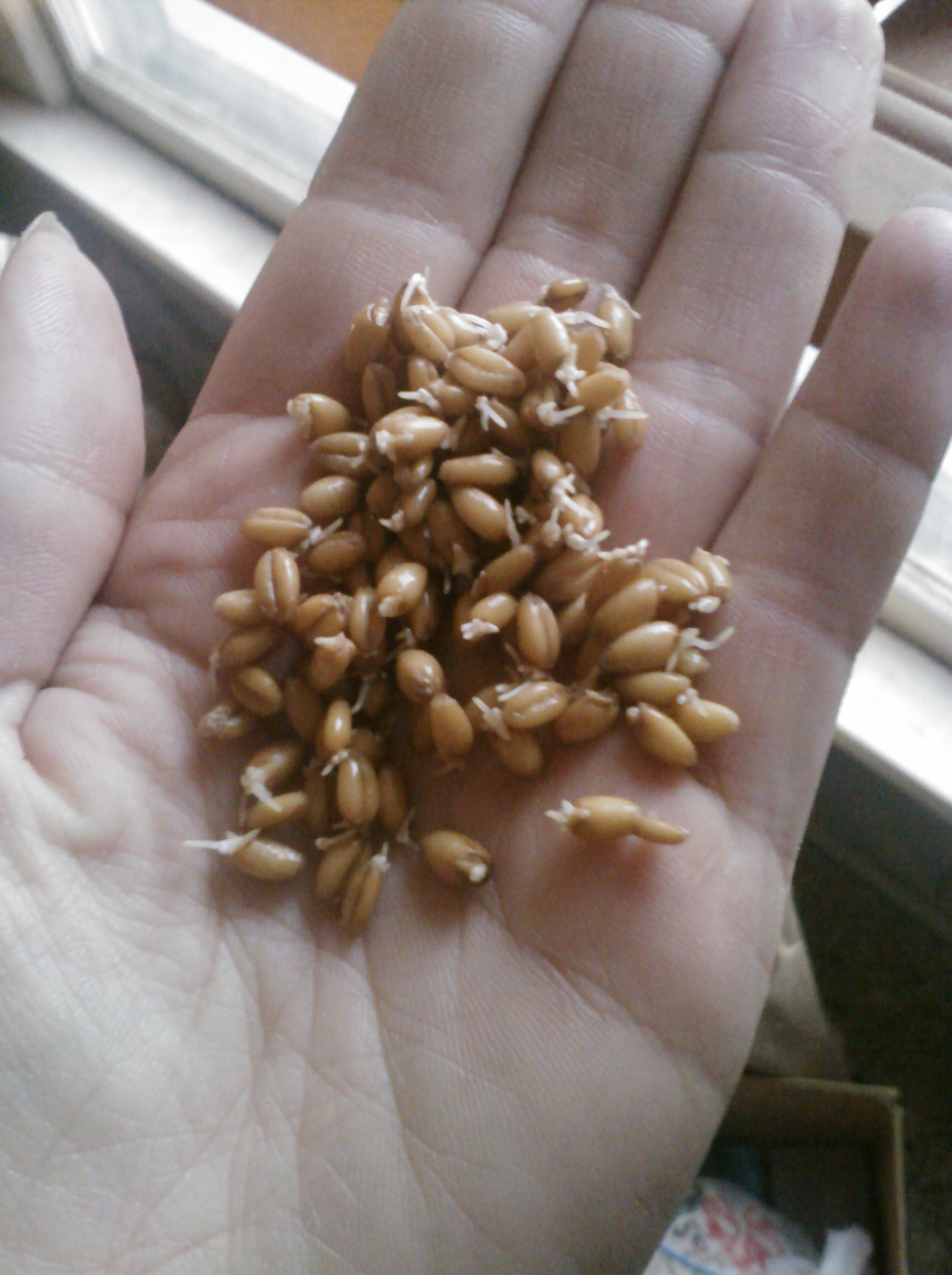
- Soaking the Seeds: Soak the wheat seeds in water for about 8-12 hours. This process initiates germination and is crucial for successful sprouting.
- Draining and Rinsing: After soaking, drain the water and rinse the seeds thoroughly. It’s important to remove any excess water to prevent mold growth.
- Spreading Seeds in Trays: Spread the soaked seeds evenly in a tray. Make sure the layer is not too thick, as this could hinder growth and air circulation.
- Watering and Covering: Water the seeds lightly and cover the tray. This creates a dark, moist environment ideal for sprouting. Water the seeds at least twice a day to keep them moist.
- Germination and Growth: Place the trays in an area with room temperature and indirect light. Within a few days, you will notice sprouts emerging.
- Harvesting: The wheat fodder will be ready to harvest in about 7-10 days. By this time, it should have a lush green top and a thick mat of roots.
- Feeding or Storing: You can feed the fresh wheat fodder to animals or store it in a refrigerator for a short period. Make sure to harvest before the grass becomes too fibrous.
Remember, consistency in watering and maintaining a clean environment are key to growing healthy wheat fodder.
Fodder tips
Growing fodder for chickens is super simple, and there are a couple options. I grow mine into grass about 4-6″ high because I’ve found it’s at its best protein-wise.
Other people just sprout the grain then feed it. I used to mist it 2-3 times a day, which is a great option, but now I use stacked food storage bins.
I prefer stacking them (that’s another idea that revolutionized my feed program) because I can water them less and grow more in a smaller space.
Wheat can sprout in colder temperatures (I’ve had it sprout outside when the temps were in the low 40s), but it grows better when it’s 50 – 70 degrees.

Why is it so nutritious?
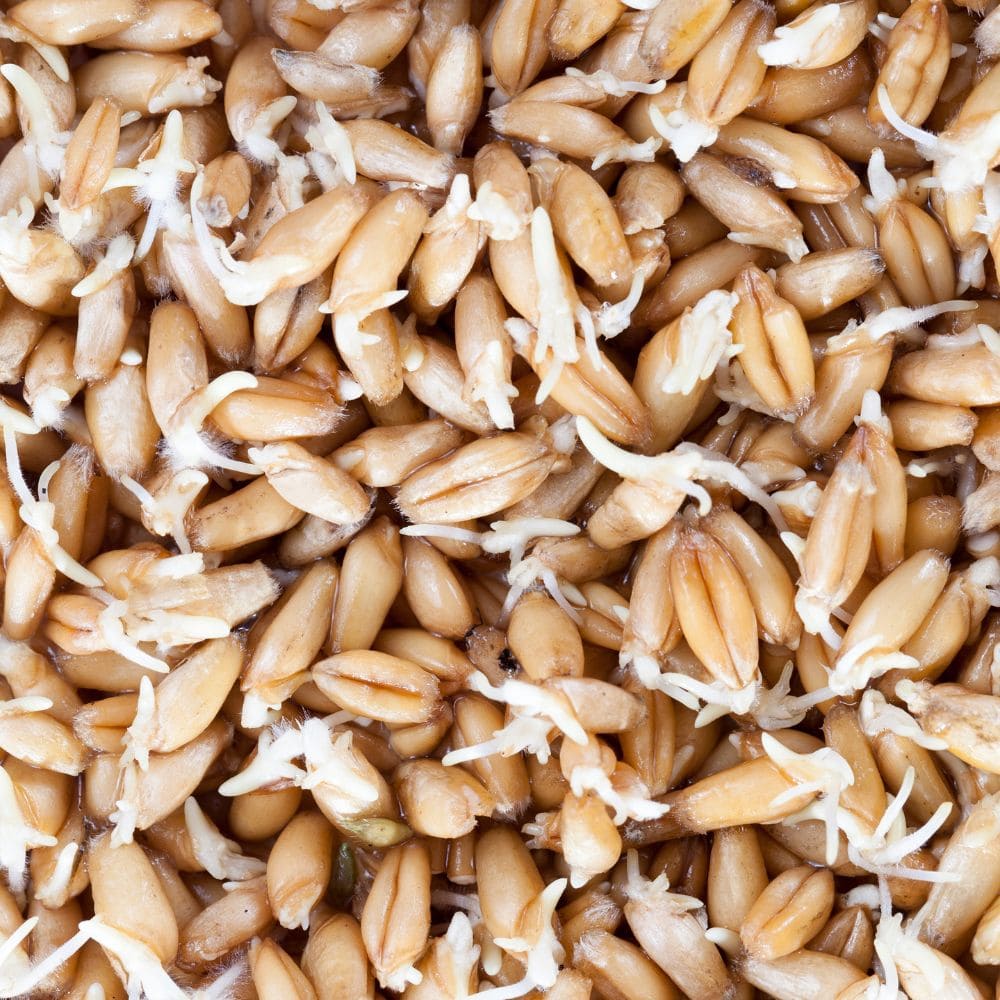
Everything the plant embryo needs to sprout is locked inside that seed; in other words, a ton of nutrients necessary for production and growth already exist, ready to help the seed grow into a plant, and ultimately to propagate the species.
When the seed sprouts, all that nutritional goodness becomes bioavailable to your livestock (and you) in the form of a plant.
It’s easier for your animals to digest, which means they absorb more nutrients.
In addition, when the seed becomes a plant, the amount of feed increases up to 600%, which means less grain is needed to provide nutrition for the animal.
Pretty cool, huh?

Where to buy grains
You don’t want to buy grain that’s used to grow wheat for flour. It’s usually treated, and not something you want your critters eating.
I don’t recommend sprouting oats unless you grow them in the ground because when I tested them, they didn’t sprout as reliably as wheat and barley, but oats are non-GMO, so if you’re certain you want your livestock GMO-free, and if you’re having a hard time finding wheat or barley, oats are a good option and available everywhere.
Organic grains are the best, by far.
What if I don’t have time to grow fodder?
It is a super easy process that doesn’t take much time. However, there are seasons in life that make growing anything seem impossible. I get it. If you can’t grow fodder now, it’s ok. There are products out there that can provide extra prtoein and nutrients to your flock just the same. We’ve got your back! Here are some of our favorites:
Summary
Super simple. Super fast. Super nutritious! Know that you know – you know (so now go and do it!). I hope this guide about growing fodder for chickens has been helpful and makes you feel like you could grow fodder all day long!


